







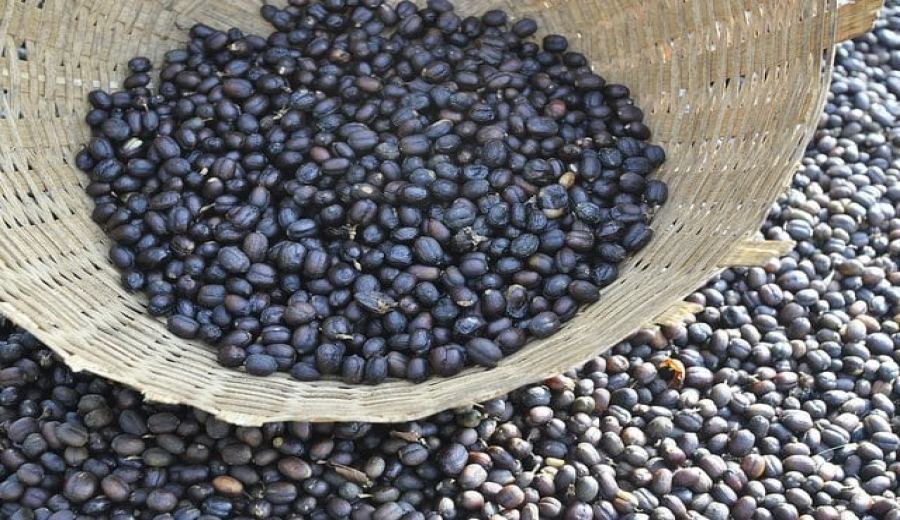
Introduction:The natural (sun-dried) processing method is one of the most original and flavorful ways to process green coffee beans. By naturally drying the beans in the sun, it preserves the sugars from the fruit pulp and fermentation aromas, imparting intense tropical fruit notes and a sweet aftertaste. However, traditional methods were prone to impurities and off-flavors. It wasn’t until the rise of specialty coffee in recent years that the process gradually became more refined. This article delves into the historical evolution and modern workflow of the natural process, along with actual flavor profiles and pour over recommendations, to give coffee enthusiasts a comprehensive understanding of the essence and application of this classic processing method.
The natural processing method, also known as the "dry process" or Natural Process, is the oldest way to process green coffee beans. The core of this method is to let the entire coffee cherry—including its outer skin and pulp—dry naturally in the sun until the moisture content drops to an ideal standard, after which the hard outer shell is removed to extract the inner green bean. Since the entire process relies on natural climate conditions, this technique is called Natural in English, emphasizing its natural and low-intervention characteristics.
During the drying process, the sugars, organic acids, and aromatic compounds in the pulp gradually seep into the bean. Especially under prolonged sunlight and moderate fermentation, the coffee beans can accumulate richer and more intense flavors. Generally speaking, natural beans often exhibit pronounced tropical fruit and berry notes, along with strong sweetness and fermentation aromas. Their flavor profiles are often more bold and distinctive compared to other processing methods.
However, because the natural process is highly dependent on weather and environmental conditions, improper handling—such as uneven turning or poor temperature control—can easily lead to issues like microbial contamination, over-fermentation, or mold, resulting in unpleasant off-flavors such as fermented fruit pulp, overripe fermentation, or earthy tastes. Traditional natural processing commonly involved spreading coffee cherries directly on the ground for drying, which not only risked contamination by foreign matter but also made it difficult to ensure even drying. As a result, early natural beans were often considered inconsistent in quality and unsuitable for the high-end market.
With the rise of the specialty coffee movement, especially in traditional producing regions like Ethiopia, producers have begun to re-examine the potential of the natural process. Through stricter management and modern technology, they have significantly improved the quality and consistency of natural beans. One of the most representative initiatives is the “Red Cherry Project” (OPERATION CHERRY RED PROJECT), launched in 2007 by the Dutch trading company Trabocca BV. This project focuses on high-altitude regions in Ethiopia, such as Yirgacheffe, and achieves a more refined natural process by selecting fully ripe red cherries, controlling harvest volumes, introducing professional cupping teams, and providing farmers with financial and technical support.
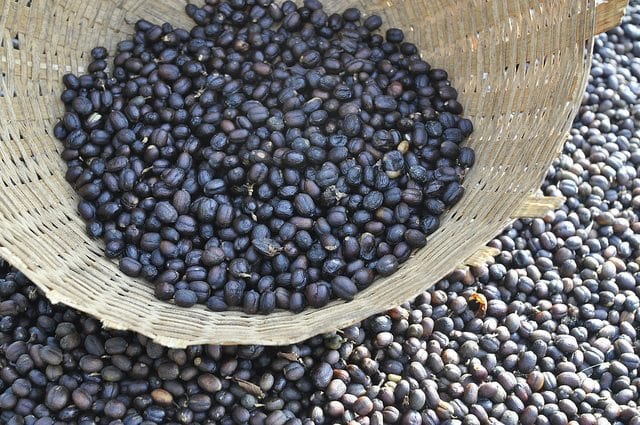
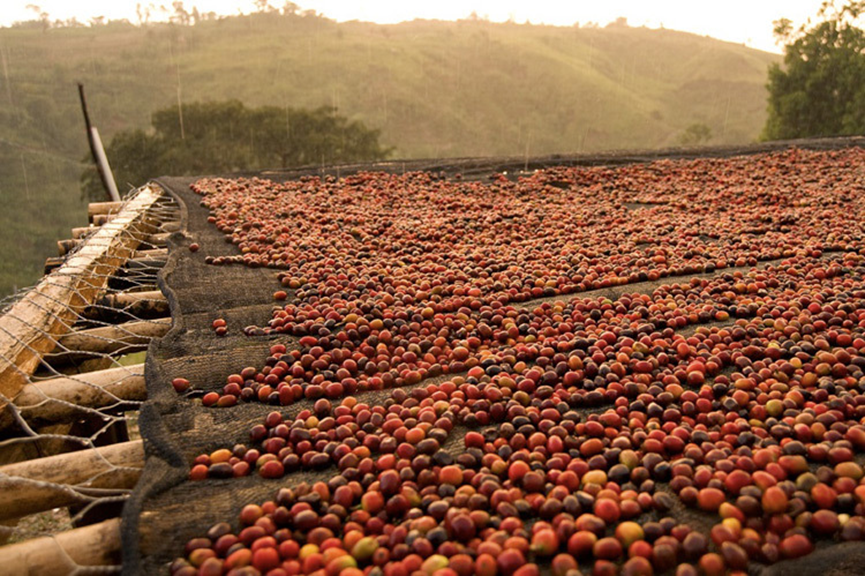
In modern natural processing, harvested red coffee cherries are first hand-sorted to remove unripe, overripe, damaged, or insect-infested beans, leaving only the highest-quality fruits. These selected red cherries are then placed on drying racks, with common drying platforms including raised beds, African-style drying beds, and even the use of tarps to prevent rain interference and contamination. The entire drying process usually takes 27 to 30 days. During this period, workers regularly turn the cherries to ensure even heat distribution and closely monitor moisture content changes. The process is complete when the cherries’ appearance turns deep purple-black and the moisture content stabilizes at around 11%.
This refined natural process not only greatly reduces the likelihood of off-flavors but also more effectively preserves the natural sugars and fermentation aromas from the pulp, resulting in coffee with richer and more layered flavors. Common flavor notes include wine-like aromas, berries, citrus fruitiness, along with noticeable sweetness and a full body.
For example, a certain coffee brand’s Yirgacheffe Red Cherry Natural beans are processed using fully red cherries from the Aletan Farm. These green beans are of G1 grade, with plump beans and an extremely low defect rate. The overall appearance is light yellow and uniform. After undergoing the above refined natural process, this coffee exhibits rich fruit and fermentation aromas, with a well-layered profile upon tasting. It highlights sweetness, features wine-like and berry notes, and is a classic representation that fully showcases the charm of the natural process.
If you’d like to experience the flavor characteristics of this natural Yirgacheffe Red Cherry bean at home through pour over brewing, here is a set of tested and effective brewing parameters:
• Filter: V60
• Water temperature: 92-93°C
• Coffee dose: 15 grams
• Coffee-to-water ratio: 1:15 (total water volume about 225 grams)
• Grind size: Fine sugar size (approximately 78% retention after sieving through a #20 sieve)
Specific steps: Begin with a 30-second bloom by pouring 30 grams of hot water; then pour 95 grams of water at around 1 minute (totaling about 125 grams). When the water level drops to about 2/3 of the coffee bed, continue pouring the remaining 100 grams of water (totaling about 225 grams). The entire pouring process should ideally be completed in about 1 minute and 35 seconds. Finally, remove the filter at 2 minutes and 10 seconds to finish the drip extraction.
After pour over brewing, this natural Red Cherry bean commonly presents flavors of fresh lemon, licorice, citrus, and berries. Sweet orange aroma runs throughout, with a notable caramel and creamy sweetness in the aftertaste. The finish lingers with a soft black tea aroma, making it highly suitable for coffee lovers who enjoy intense fruitiness and pronounced sweetness.
The above content is compiled by CoffeeHunters, a coffee news website.


