








Introduction:Delve into the unique charm of Kenyan specialty coffee — from its terroir and classic SL varieties to its globally distinctive K72 washed processing method, as well as its detailed grading system. This article will help you understand the differences between Kenyan AA, AB, and PB grades, analyze the key factors that influence flavor, and provide practical guidance for bean selection and brewing.
Kenya is one of the world’s most renowned top-tier coffee-producing countries, widely praised for its bright acidity and rich complexity. Located in East Africa, this country not only benefits from exceptional geographical conditions but also boasts unique coffee varieties and processing techniques that create its irreplaceable flavor profile.
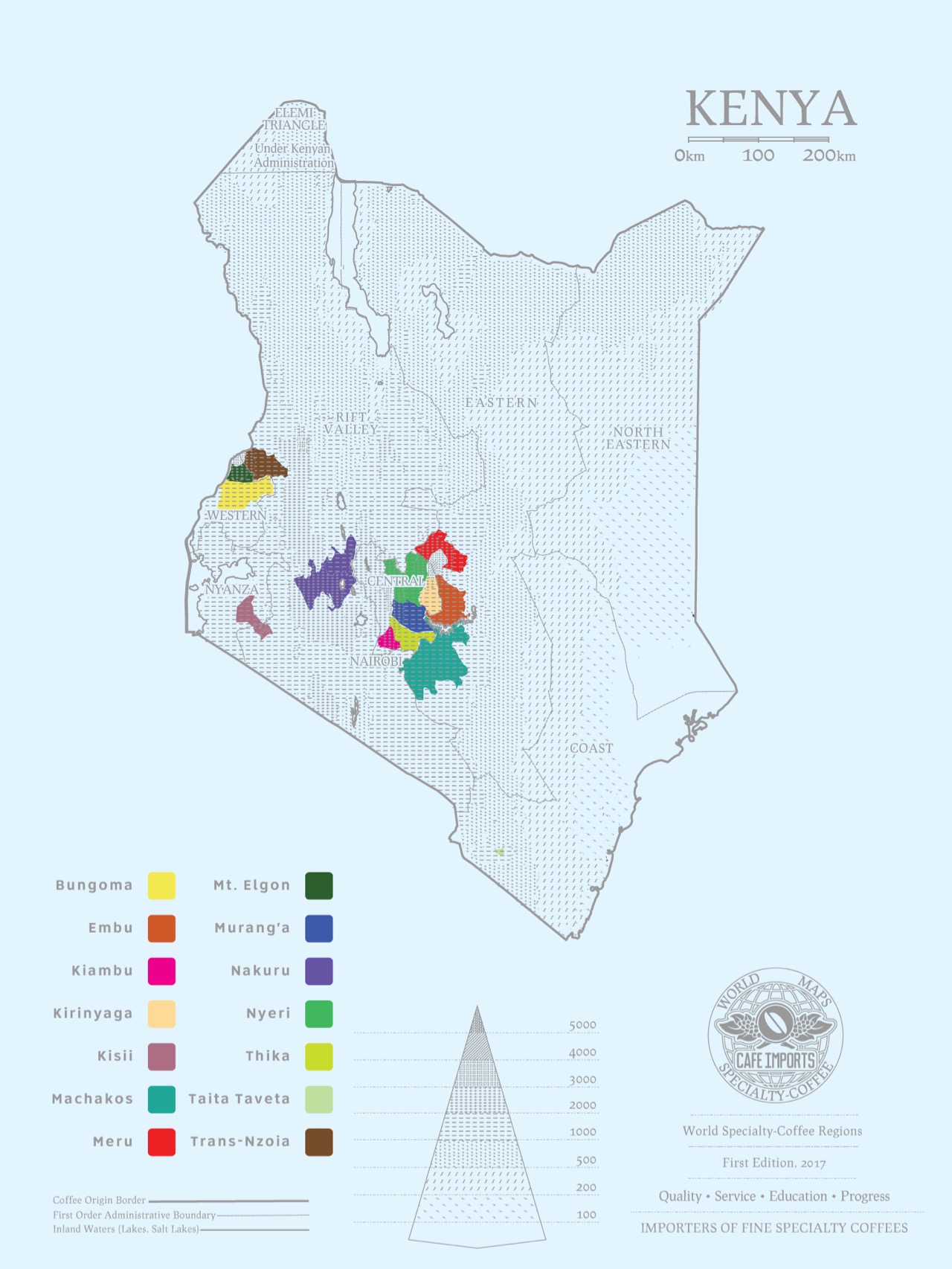
Situated near the equator, Kenya is predominantly highland terrain with an average elevation of about 1,500 meters. Many coffee-growing regions lie within volcanic soil zones at altitudes of 1,600 to 2,100 meters. Such heights result in relatively low temperatures, slowing the growth rate of coffee cherries and aiding the accumulation of flavor compounds. This leads to particularly vivid and bold acidity, as well as a dense bean structure. The country has distinct coffee harvest seasons, with two main yields annually — one from June to August and the other from October to December, the latter accounting for about 60% of total production.

Kenya’s coffee cultivation history dates back to the late 19th century, initially introduced by British colonists. Although coffee was brought to Africa as early as 1878, it wasn’t until the early 20th century that the Bourbon variety was officially planted locally. After Kenya gained independence in 1964, the coffee industry continued to advance and established a unique coffee auction system, safeguarding the rights of smallholder farmers and laying the foundation for its international status as a producer of specialty coffee.
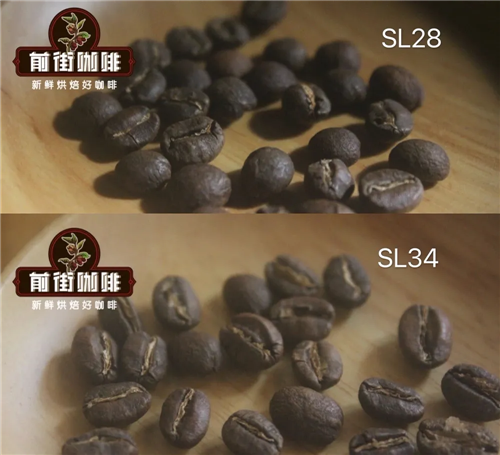
In terms of variety, Kenya primarily grows Arabica, with SL28 and SL34 being the most celebrated. SL28 can be traced back to 1931, when researchers discovered resilient varieties in Tanganyika (now Tanzania) and, after years of selective breeding, officially released the variety in 1935. Genetic research shows that SL28 belongs to the Bourbon genetic group, and its flavor profile is highly distinctive — often showcasing bright citrus notes, intense black plum aromas, as well as prominent acidity and sweetness. These characteristics become even more pronounced in Kenya’s high-altitude environment, making it a classic favorite among many coffee enthusiasts.
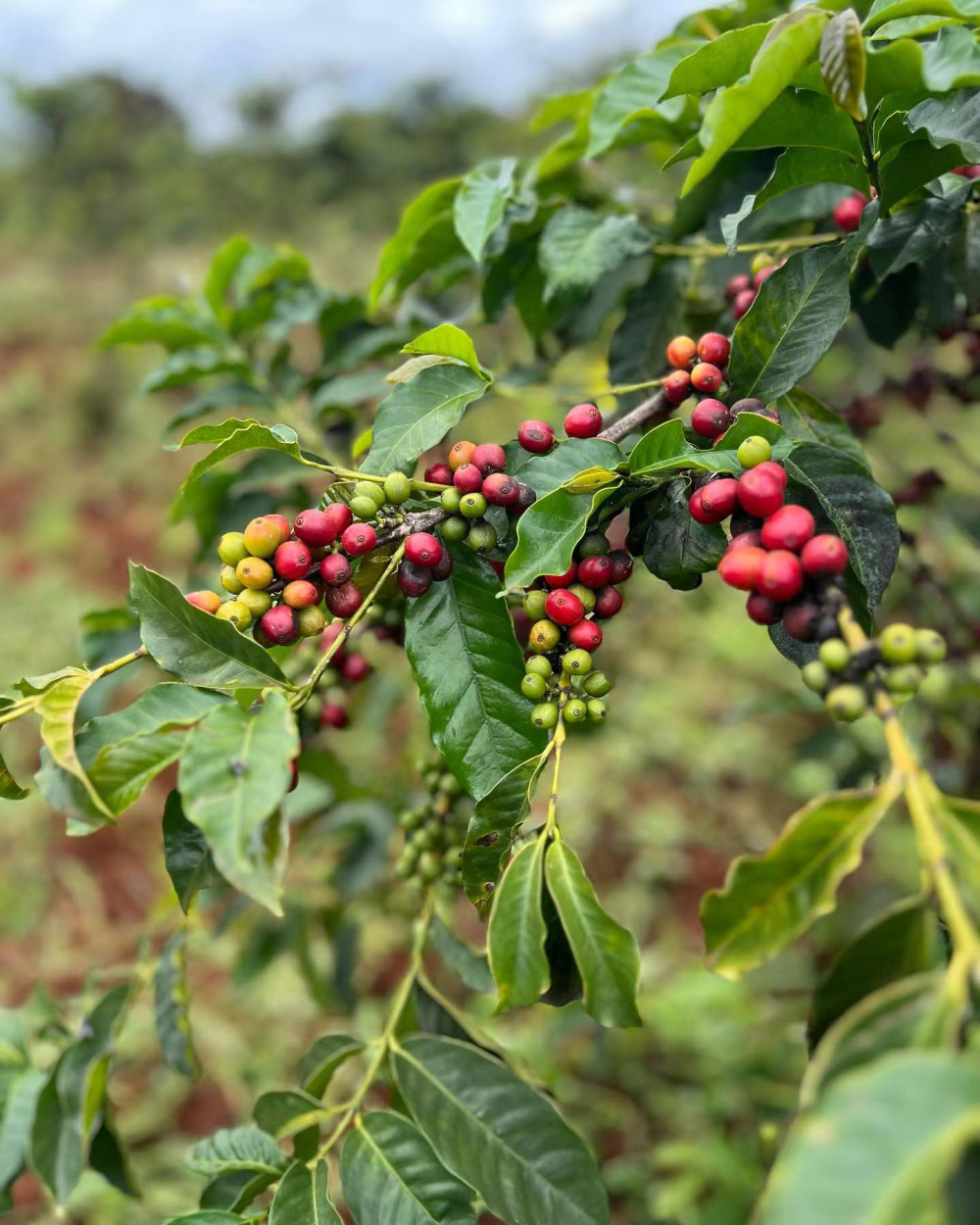
When discussing Kenyan coffee processing methods, one cannot overlook the globally unique K72 washed process. The core of this method lies in multiple rounds of fermentation and washing, which effectively enhance sweetness and flavor complexity. The specific process is as follows: On the day of harvest, beans are first sorted by water density to remove unripe or overripe cherries. Then, high-quality cherries are de-pulped and soaked in clean water for an initial 24-hour fermentation, which effectively breaks down mucilage and establishes a foundational flavor base. After fermentation, the cherries are thoroughly rinsed and undergo a second fermentation lasting 24 to 48 hours, further deepening acidity and aromatic layers. Finally, the beans are washed again and spread on raised beds to sun-dry. The entire process takes approximately 72 hours, hence the name K72. This method not only preserves the coffee’s vibrant acidity but also imparts rich sweetness and a complex aromatic structure.
 Kenya’s coffee grading system is quite rigorous, primarily classifying beans by size, shape, and hardness. From highest to lowest, the grades are AA (or AA+), AB, PB, C, E, TT, and T. Among them, AA-grade beans have a diameter of about 17 to 18 mesh (approximately 6.7 to 7.1 mm) and are the most popular grade on the market. They are often labeled as AA TOP, representing the top selection from that batch. AB-grade beans are a mix of A-grade (6.80 mm) and B-grade (6.20 mm), with a diameter of about 15 to 16 mesh (approximately 6.0 to 6.4 mm). Though slightly smaller in size, their flavor performance is often no less impressive. PB-grade, also known as peaberry, occurs when only one seed fully develops inside each fruit, resulting in small, round beans that make up about one-tenth of total production. Their intense flavor is often favored by certain consumers.
E-grade beans develop abnormally, with two seeds fusing into one large bean. Despite their surprising size (over 18 mesh), they are considered defective and are generally not included in the evaluation of specialty coffee. TT and T grades consist of lighter or defective beans screened from higher grades and are of relatively lower quality. Additionally, MH and ML grades are overripe fallen beans, which are almost never exported and are mainly for domestic consumption.
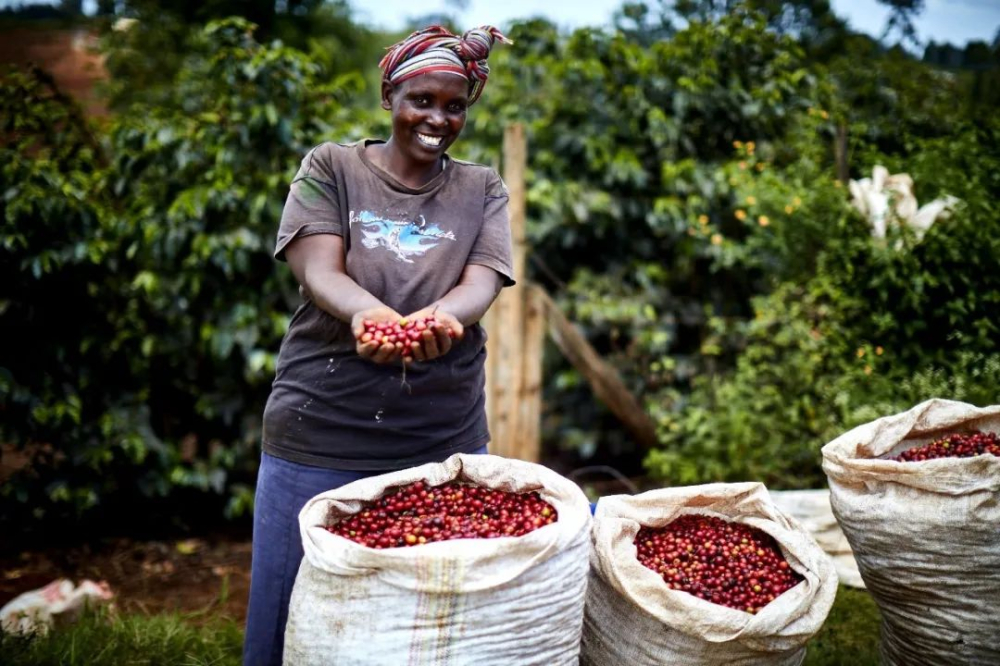 It is worth noting that, in addition to the official grading system, many exporters also introduce unofficial premium grades, such as AA TOP and AB TOP. While these labels may not follow unified standards, they usually indicate that those batches of beans have superior quality or flavor. However, actual flavor still needs to be determined through cupping and should not be judged solely based on grade names.
In summary, Kenyan coffee holds a distinctive place in the global specialty coffee market thanks to its unique geography, classic varieties, and the exquisite K72 processing method. From AA to PB, each grade has its own characteristics. Understanding these details will help you choose the Kenyan coffee that best suits your taste and allow you to deeply appreciate its captivating flavor world.
The above content is compiled by CoffeeHunters, a coffee news website.


