







Introduction:Panamanian Geisha is hailed as the pinnacle representative of specialty coffee, with its distinctive floral and fruity aromas and bright acidity leaving a lasting impression. This article delves into the geographical advantages of the Boquete region, the grading system of Hacienda Esmeralda—including the differences between Red Label, Green Label, and Volcanic Stone Geisha—and provides practical pour over parameters and steps to help you fully grasp the flavor potential and brewing techniques of this top-tier coffee bean.
In the world of specialty coffee, Geisha is undoubtedly one of the most iconic premium varieties, and Panama is the most representative origin for cultivating this variety. Since it rose to prominence in Panama, it has quickly sparked a craze in the global specialty coffee market. Many regions such as Colombia, Guatemala, Ethiopia, and even Yunnan, China, have subsequently introduced the variety, but in terms of classic representation, Panama remains unmatched.
The uniqueness of Panamanian Geisha is closely tied to its growing environment. Geisha is extremely particular about altitude, soil, and climate, favoring high elevations, fertile soil, and shade from clouds or trees. The person in charge of Hacienda Esmeralda once pointed out that Geisha plants require a lot of shade trees during the early stages of cultivation and traditional pruning methods must be used; otherwise, the plants are prone to withering. The high-altitude environment not only extends the fruit ripening period but also makes the flavors more complex, though it results in relatively lower yields.
The main coffee-growing areas in Panama are concentrated in the western highlands, including Boquete, Volcán, and Renacimiento. Among them, the Boquete Valley and the Volcán area surrounding Barú Volcano are the most renowned. These regions are located in Chiriquí Province, right in the golden zone of the coffee belt, boasting fertile volcanic soil and a native forest environment. Boquete itself is a highland town in Chiriquí Province, with an elevation of about 1,000 to 2,000 meters. It is influenced by the warm, humid air currents from the Caribbean Sea on one side and the cold currents of the Atlantic Ocean on the other. With steep mountain terrain, cool and foggy weather, plus the microclimate of Barú Volcano National Park, it creates ideal conditions for coffee cultivation.
Thanks to such an environment, the local Geisha coffee often exhibits delicate floral and fruity notes along with varied acidity profiles. Many well-known estates such as Hacienda Esmeralda and Elida Estate are located in this region, and their Geisha offerings also showcase the unique flavor characteristics of Panamanian coffee.
When it comes to Panamanian Geisha, Hacienda Esmeralda is undoubtedly the most representative name. In 2004, the estate won the Best of Panama competition with its Geisha variety, gaining widespread fame and repeatedly breaking auction records. Hacienda Esmeralda was also among the first to implement a strict grading system for Geisha, classifying it based on altitude, region, and cupping scores. Each year’s Geisha production is highly anticipated.
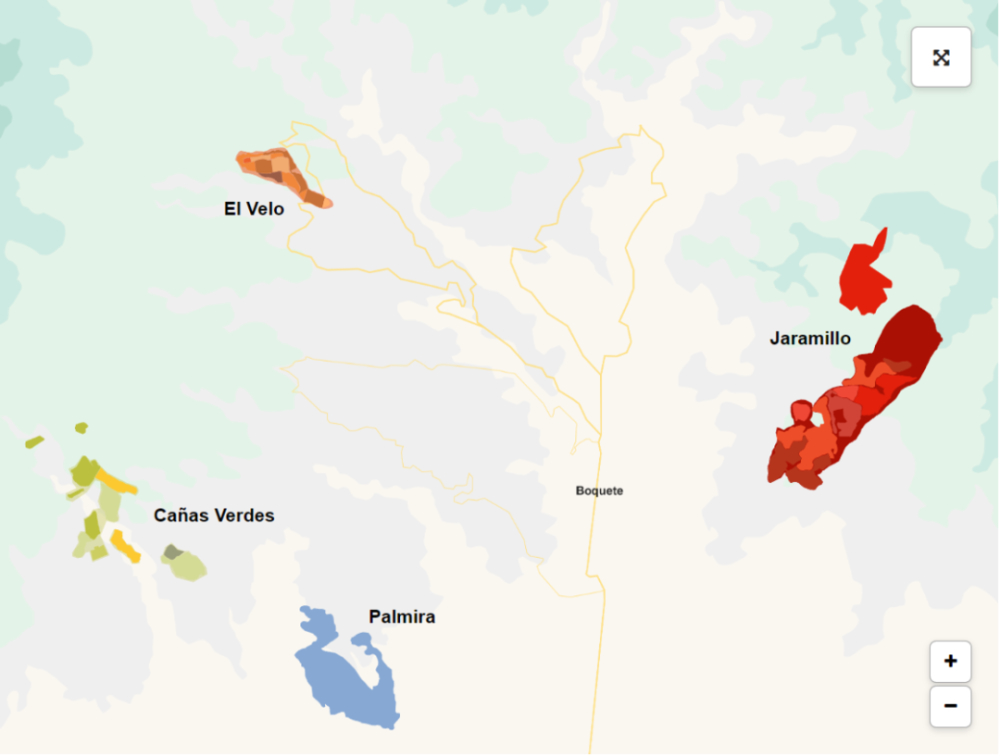
Geisha was originally discovered in the Jaramillo plot, which features high elevation and a cool climate, making it a key area for the cultivation and development of Geisha. Currently, Hacienda Esmeralda divides its Geisha plantings into three major blocks: Cañas Verdes, Jaramillo, and El Velo, further subdivided into multiple small plots to ensure traceability of each batch. Among them, the average elevation of the Jaramillo area exceeds 1,650 meters, with the Mario and Bosque subplots consistently achieving high scores in evaluations.
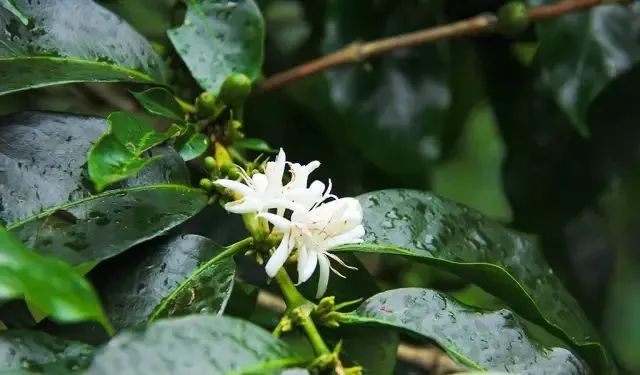
The estate’s green coffee processing facility is located in Cañas Verdes, about a twenty-minute drive from the town of Boquete. Whenever the coffee cherries reach optimal ripeness, workers handpick them and subject them to rigorous screening to ensure only the ripest fruits proceed to the next stages of processing.
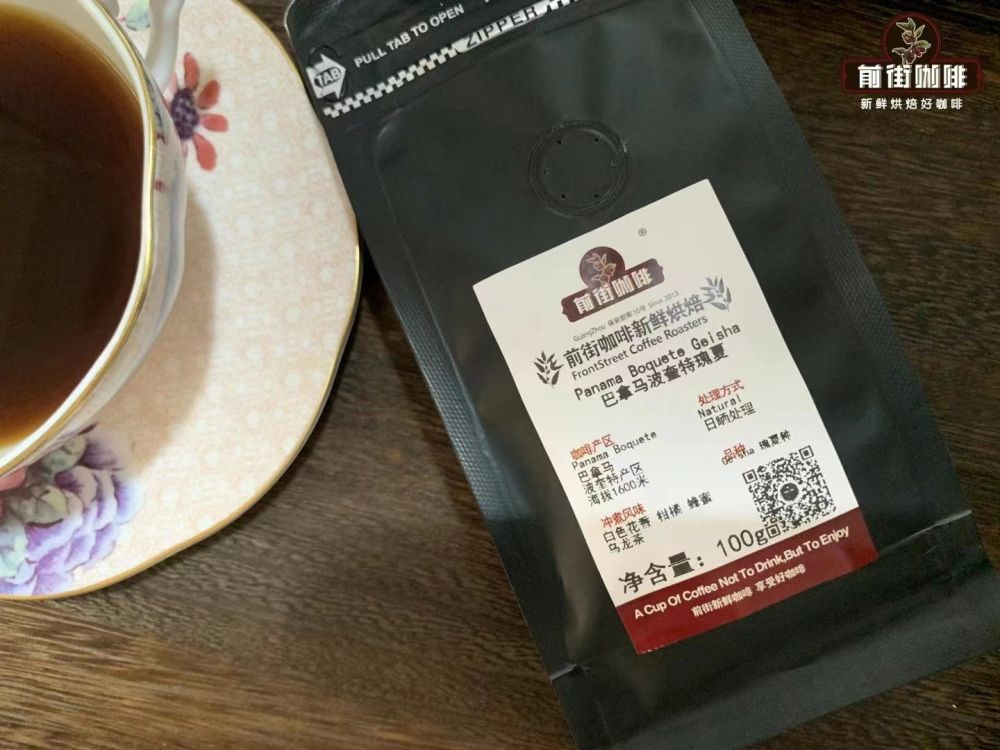
Within Hacienda Esmeralda’s grading system, the most well-known are the Red Label (ESMERALDA SPECIAL) and Green Label (PRIVATE COLLECTION), along with the former Blue Label (now renamed Volcanic Stone Geisha). The Red Label is the highest grade, also known as the auction lot, and is selected exclusively from Geisha grown at altitudes of 1,600 to 1,800 meters with cupping scores above 90, primarily from the Jaramillo and Cañas Verdes farms. These lots are entered into independent auctions, with each number corresponding to the entire harvest from a specific plot—for example, the Mario plot is a well-known high-scoring region. The Red Label Geisha purchased by the estate is typically processed using the natural method, showcasing rich tropical fruit and floral notes.
The Green Label is also sourced from Jaramillo and Cañas Verdes at similar elevations, but specific plots are not disclosed, hence it does not participate in auctions. Though slightly lower in grade than the Red Label, the Green Label still delivers the classic high-altitude characteristics of Geisha. The common processing method is washed, and the flavor profile tends to be fresh, featuring notes of lemon, berries, grapefruit, and even hints reminiscent of Tieguanyin tea.
As for the former Blue Label Geisha, now renamed Volcanic Stone Geisha, its beans come from a blend of Geisha grown across three different altitude blocks (around 1,400 to 1,500 meters). This grade commonly uses both washed and natural processing methods: the washed version typically offers clean oolong tea-like aromas and sugarcane sweetness, while the natural version presents richer tropical fruit notes and fermented wine-like undertones, with a more pronounced sweetness.
To fully experience the flavor potential of Geisha, pour over is one of the brewing methods that best highlights its delicate nuances. Industry roasters recommend using a medium-light roast to preserve its bright acidity and complex aromas, though this roast level also demands more precise extraction to bring out the layers. A higher water temperature and slightly finer grind size are suggested, paired with a 1:16 coffee-to-water ratio, to enhance extraction efficiency while maintaining a balanced acidity and sweetness.
For equipment selection, the V60 dripper is an ideal choice for pour over Geisha due to its unique spiral ribs and large center hole design, which extend contact time between water and coffee while promoting good extraction and flow control.
Below are the industry-recommended pour over parameters and steps for Hacienda Esmeralda’s Red Label natural Geisha for your reference and practice:
Brewing parameters:Dripper: V60, Water temperature: 92°C, Coffee dose: 15 grams, Coffee-to-water ratio: 1:16, Grind size: Fine sugar consistency (approximately 80% through a #20 sieve)
Steps:Wet the filter paper and place it in the dripper, then add the coffee grounds and gently tap to level. First, pour 30 grams of water for a 30-second bloom; second, slowly pour water up to 125 grams while maintaining a steady flow; once the water level drops halfway, continue pouring up to 240 grams. Total brewing time is approximately 2 minutes.
The brewed Red Label Geisha typically showcases bright acidic notes of jasmine, citrus, and tropical fruits. As the temperature cools, the flavor profile shifts, with the aftertaste carrying a soft tea-like note. The overall mouthfeel is smooth with distinct layers.
The above content is compiled by CoffeeHunters, a coffee news website.


