







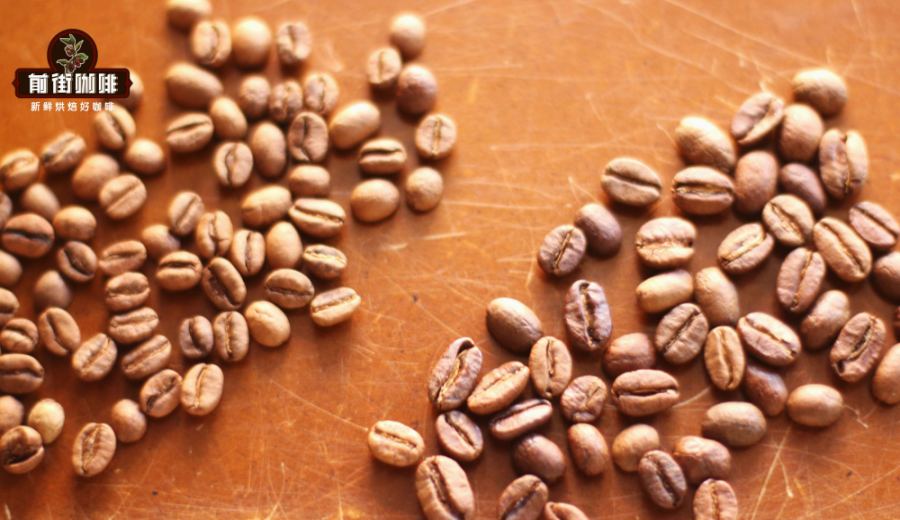
Introduction:Have you ever confused Hua Kui with Geisha? This in-depth analysis explores the Hua Kui series from Ethiopia’s Sidamo region, including its grading logic, the origin of the 8.0 version, and compares top-tier Geisha from Panama’s Finca El Velo and Gesha Village with the renowned Geisha competition champions. We’ll clarify the flavor differences between the two from aspects such as aroma, acidity & sweetness, and aftertaste, helping you make more precise choices and evaluations of these two star specialty coffees.
Hua Kui and Geisha — these two iconic names in the specialty coffee world often cause confusion. This article will take you from the Hua Kui originating in Ethiopia’s Sidamo region to explore how Geisha traveled from the Ethiopian forests to Panama’s Finca El Velo, becoming a consistent winner in competitions. We’ll also detail the naming rules behind classifications like Red Label and Gold Label, as well as the origins of version numbers such as Hua Kui 8.0. Additionally, we’ll help you understand the actual differences between what is called “Hua Kui flavor” and “Geisha flavor” from perspectives like aroma profile, flavor wheel, and taste layers, making your selection or ordering much easier.
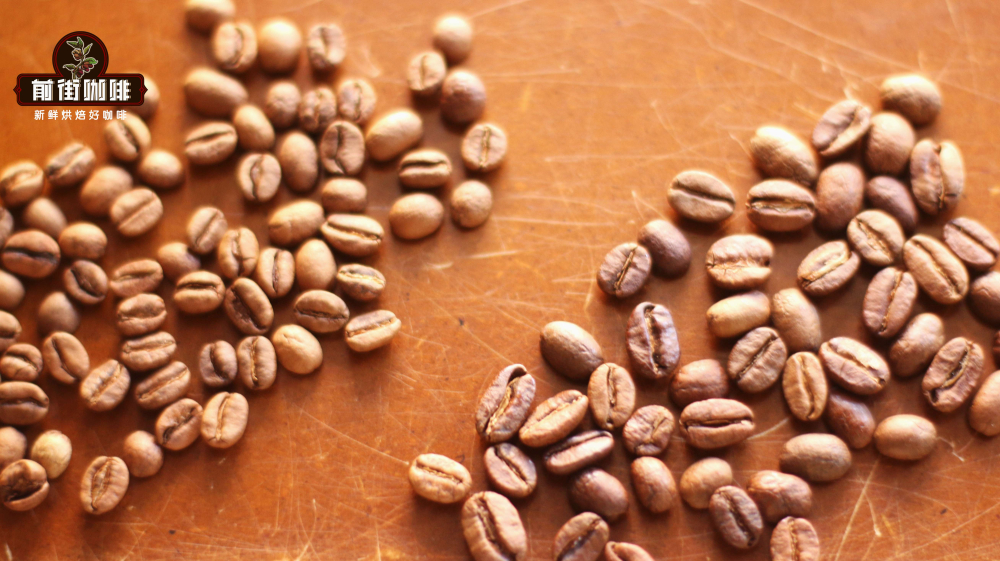
The confusion between Hua Kui and Geisha stems from an early online rumor: Hua Kui was mistakenly thought to be the “pinnacle of Geisha.” In fact, once you understand their backgrounds, the distinction becomes clear. This misconception is closely tied to another Chinese translation of Geisha — “藝伎” (Geisha as in the traditional Japanese entertainer).
The story begins in 1931, when a coffee variety called Geisha (pronounced as 艺伎 in Chinese) was discovered in a forest in southern Ethiopia but initially garnered little attention. It wasn’t until 2004, when Panama’s Finca El Velo successfully cultivated the Geisha variety (imported from Costa Rica) and won the Best of Panama (BOP) international competition, that this coffee shot to fame. Since then, Geisha has become a star variety for many specialty coffee farms competing in contests.
Because Geisha shares the same spelling as the Japanese word for “geisha” (芸伎), Taiwan’s coffee industry initially phonetically translated it as “藝伎” (Geisha). However, it was later discovered that in Ethiopia, Geisha has a dual meaning: it refers both to a geographical location and a coffee variety. Therefore, when China first imported Panamanian Geisha in 2006, to avoid confusion, it was re-translated as “瑰夏” (Guīxià), which is the name widely known today.
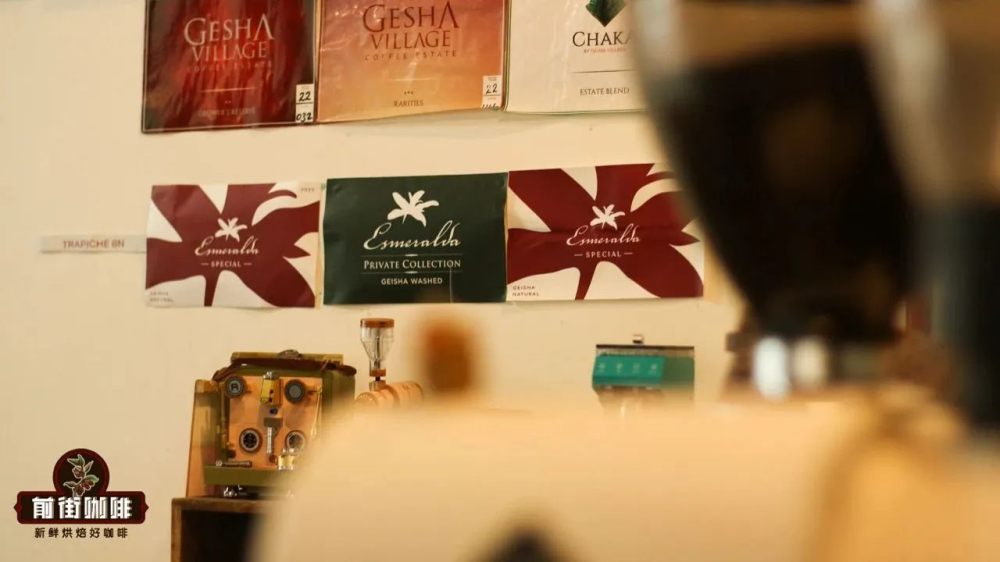
When it comes to top-tier Geisha, many coffee enthusiasts immediately think of the Red Label Geisha from Finca El Velo and the Gold Label Geisha from Gesha Village. These two coffees, due to their high cupping scores and limited production, often become premium offerings in specialty coffee shops. One brand once listed the drink prices for these two products at 75 yuan and 60 yuan per cup respectively, sparking much curiosity and discussion among customers.
In fact, classifications like Red Label and Gold Label — those with “Label” in the name — are mainly popular in the Chinese market and are used to highlight the premium grade of a particular batch of Geisha. For example, the English name for Red Label Geisha is “Esmeralda Special,” meaning the special selection from El Velo. It refers to high-tier lots within Finca El Velo that score over 91 in cupping and come with detailed information on origin and processing. The “red” in Red Label actually comes from the main color tone of the product’s packaging trademark. Finca El Velo also has Green Label, Blue Label, etc., with naming logic similarly tied to the brand colors. As for Gesha Village’s Gold Label Geisha, the English name is “Rarities,” meaning “rare treasures,” representing high-tier non-auction lots from the farm, accounting for about 10% of total production.
However, because the Chinese market is accustomed to easily understandable classifications like “Red Label” and “Gold Label,” if you go back to the original English names, it becomes harder to directly tell which grade is higher. More interestingly, both major farms have launched both Red Label and Green Label, so when ordering, it’s best to further confirm whether the coffee is from El Velo or Gesha Village to avoid confusion.
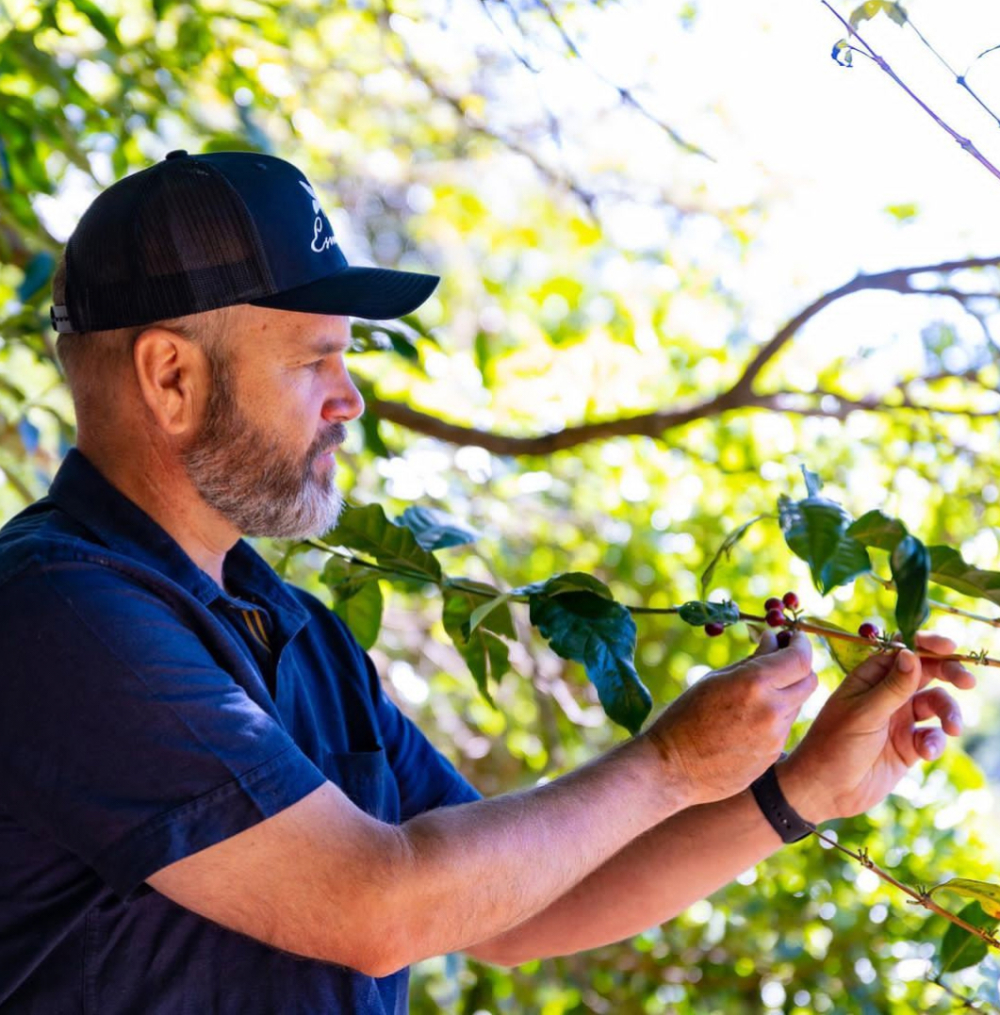
Now let’s look at the long-popular “Hua Kui” series. In 2017, Buku Abel washing station in the Guji Hambella area of Ethiopia’s Guji zone processed a naturally dried coffee bean from a native variety and won the Ethiopia Taste of Harvest (TOH) championship. This coffee bean exhibited intense strawberry notes, sweet creaminess, distinct flavor layers, and a smooth mouthfeel — truly astonishing. This marked the origin of Hua Kui.
This champion coffee bean was later introduced to the Chinese market and was used by China’s second-place finisher in the World Brewers Cup, Li Jianfei, who defeated multiple Geisha entries and ultimately took second place. Since then, this naturally processed G1 coffee bean from Hambella in Sidamo quickly rose to fame, with each new harvest season launching a new version number, becoming a focal point in the market.
So, what does Hua Kui 8.0 mean? Actually, Hua Kui’s original English name is “Hambella,” which is the name of its producing region. The Chinese community commonly refers to it as “罕貝拉” (Han Beila), while Buku Abel is the washing station responsible for processing this coffee, located in the town of Dimtu. After Hua Kui became a hit, DW Company built five additional washing stations in the Hambella Wamena Wereda area to meet massive demand. Among them were five villages, including Buku Abel, Buku Saysay, Haro Soresa, Tirtiro Goye, and Seke Bokosa, all of which started producing naturally dried coffee.
Due to yearly variations in climate, minor adjustments in processing, and batch differences, although still from the same region and using the same processing method, the flavor of Hua Kui began to show subtle changes starting in 2018. One brand observed through cupping that although the 2018 and 2019 Hua Kui retained some berry flavors, the overall body and aftertaste were slightly inferior to the original 2017 version. To distinguish different yearly batches, domestic traders introduced an X.0 version numbering system based on 2017. For instance, 2018 became Hua Kui 2.0, 2019 had 3.0 and 3.1, up to last year’s Hua Kui 7.0, allowing consumers to identify the batch by the number.
So why do some people mistakenly think Hua Kui is Geisha, or even the highest-grade Geisha? This is actually related to the symbolism of the name “Hua Kui.” In Japanese culture, “花魁” (Hua Kui) refers to the top-ranking geisha, symbolizing the most outstanding and attention-grabbing existence. When Hua Kui coffee was first named, the hope was that it would become the top trend in the coffee world, surpassing Geisha. However, this symbolism was misunderstood online as “Hua Kui is Geisha” or even “the highest-grade Geisha,” leaving many people puzzled.
So, what are the actual flavor differences between Hua Kui and Geisha? Taking the new-season Hua Kui 8.0 as an example, its dry fragrance carries intense guava, jackfruit, apricot, and citrus aromas, blended with delicate pink floral notes. After brewing, the first sip clearly reveals a mix of sweet and sour notes from dried mango, jackfruit, orange, and passion fruit, with a strong juiciness and smooth, rounded mouthfeel. As the temperature drops, the sweetness of peach and the bright acidity of berries emerge, while the aftertaste leaves a tea-like lingering sweetness, with an overall very rich flavor layering.
In contrast, Geisha’s flavor is more like a refreshing floral fruit tea, featuring elegant floral notes and a complex fruit character, with bright acidity and fine layers. No matter the drinking temperature, you can sense a unique evolution of aromas. From Panama’s Finca El Velo to Gesha Village, though each farm’s Geisha has its own distinctive traits, they generally exhibit a fresher profile than regular coffee and are often hailed as the “ceiling” of specialty coffee.
If you’re trying Geisha for the first time, it’s recommended to start with well-known farms in the Panama region. These farms have extensive experience in planting and processing the Geisha variety and can showcase the most representative flavor profiles of Geisha. Whether you prefer intense fruity notes or a fresh tea-like sensation, understanding the differences between Hua Kui and Geisha will make your coffee experience even more rewarding.
The above content is compiled by CoffeeHunters, a coffee news website.


