








Introduction:Have you ever ordered a Dirty or Cappuccino at a coffee shop without fully understanding their origins or how they’re made? This article takes an in-depth look at the history, naming origins, and practical brewing details of common espresso-based drinks. Not only does it explore the background of Espresso’s creation, but it also unveils the story behind the inspiration for Dirty coffee. From a professional perspective, we’ll supplement the brewing parameters and key considerations, so that the next time you enjoy your coffee, you can better appreciate the thoughtful design behind it.
Walking into a coffee shop, the dazzling array of espresso drink options on the menu can be overwhelming. From classics like Espresso and Cappuccino to recent favorites such as Flat White and Dirty, each beverage has its own unique history and brewing logic. Even though many people are already familiar with their flavors, they often remain unclear about the origins of their names or the traditional methods of preparation. This article will take a professional approach to guide readers through the origin stories of these espresso drinks, analyze the meanings behind their names, and detail the correct preparation methods for each type—allowing you to better experience the refinement and creativity while sipping.
First and foremost, we must mention Espresso, which can be considered the cornerstone of modern espresso-based coffee.The birth of Espresso is closely tied to the European Industrial Revolution in the early 20th century.At that time, people were seeking faster and more efficient ways to make coffee, leading to the creation of the first Italian espresso machine. Compared to previous methods of brewing coffee, this machine could extract concentrated coffee in an extremely short time using high pressure (about 9 bar), significantly reducing brewing time. Although early machines were far less precise and had poorer pressure control compared to modern equipment, they were still a groundbreaking technological advancement at the time. As a result, this quickly extracted coffee was named Espresso, meaning “fast.”

Over time, Espresso gradually became the foundation for various innovative coffee beverages, such as Cappuccino and Latte with steamed milk, as well as a variety of other specialty drinks. The creation of each coffee style was not just about developing new flavors, but also reflected cultural, technical, and aesthetic evolution.
Next, let’s talk about Dirty Coffee, which has gained immense popularity in recent years. This seemingly simple yet visually striking drink draws its inspiration from the strong contrast between espresso and cold milk.When hot espresso is poured directly over ice-cold milk, the visual effect resembles a stream of heat piercing through a cool surface, creating a layered gradient of light and dark—like the tears of an angel.It is said that the drink was originally called “Angel Stain” (angel’s tear) by a barista in Japan. However, after it entered the Chinese-speaking market, its layered appearance and the dripping effect of the espresso led to its vividly nicknamed “Dirty,” meaning “dirty coffee,” highlighting its seemingly casual mixing style.

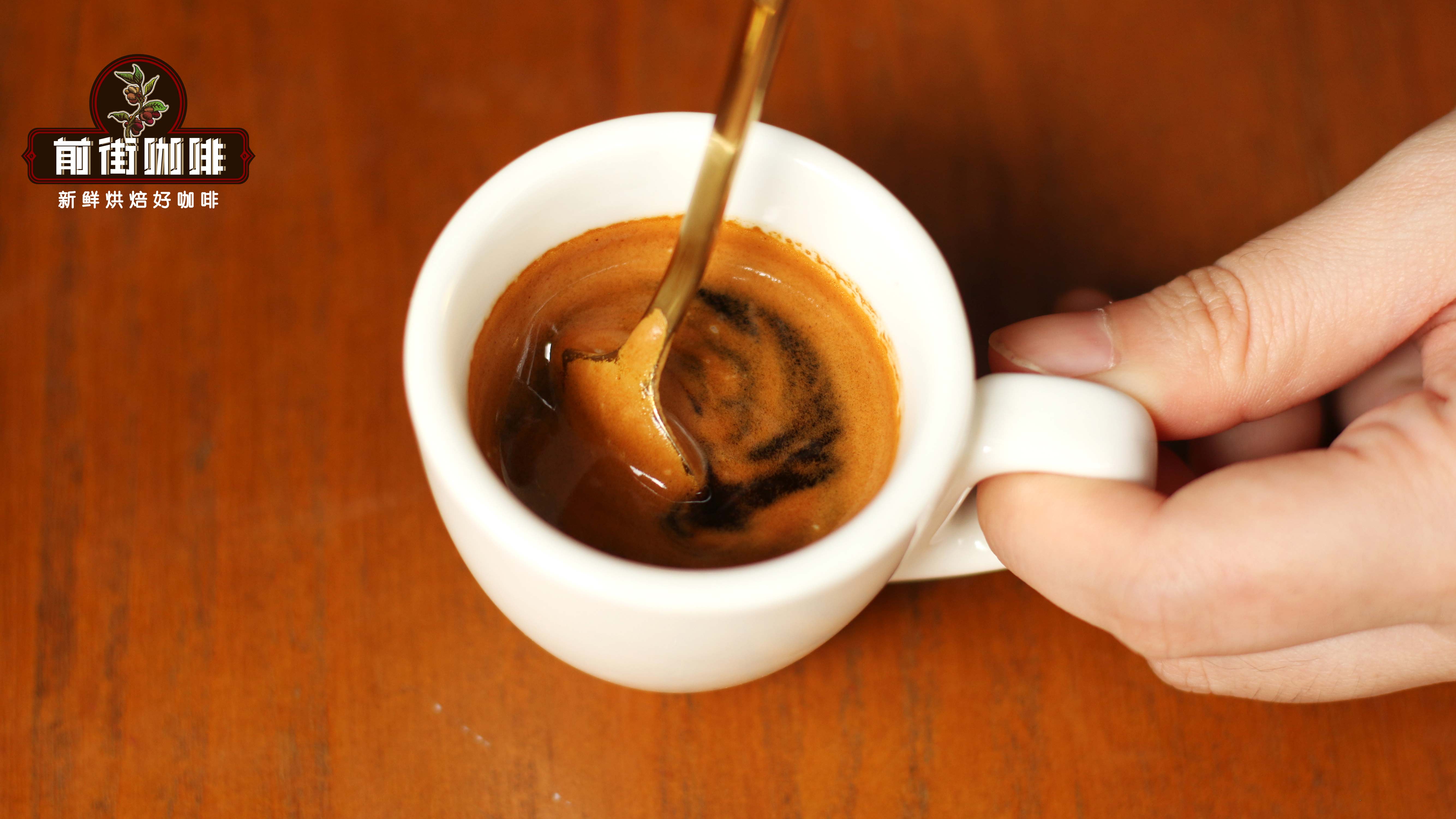
When making Dirty coffee,it is recommended to prepare about 200 ml of ice milk in advance and choose a transparent cup that can showcase the contrast between hot and cold.In terms of the steps, first pour the ice milk into the cup. Then, when extracting about 40 ml of espresso, aim the coffee spout directly above the surface of the ice milk and allow the espresso to slowly drip onto it, avoiding vigorous stirring. Once the espresso extraction is complete, it can be consumed directly, offering a unique taste experience where hot and cold, strong and mild intermingle. The charm of this drink lies in the naturally formed layered gradients from not stirring, as well as the pure flavor of the espresso itself.
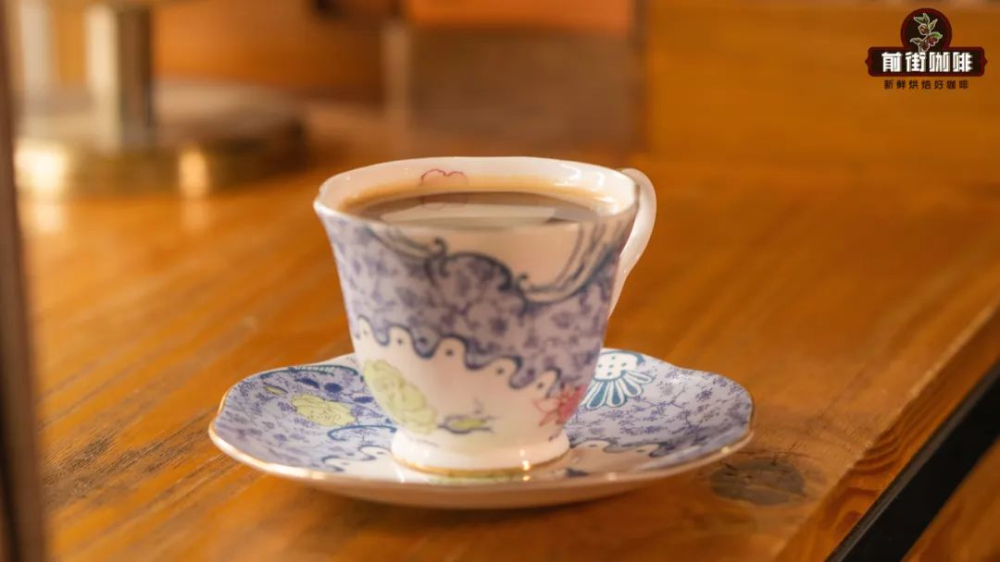
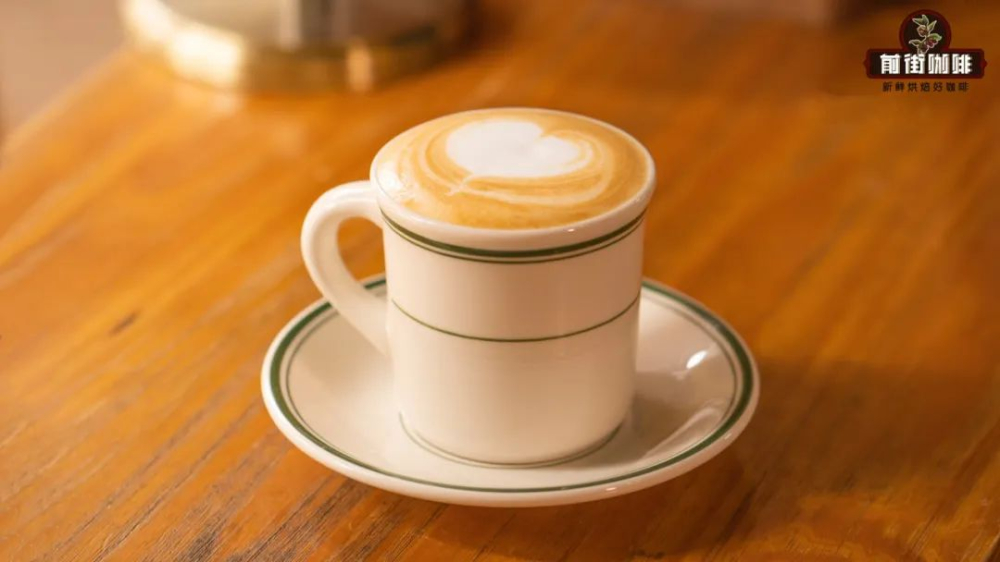

In addition to Dirty and Espresso, the espresso family also includes many classic drinks such as Cappuccino, Latte, and Mocha, each with its own standard ratios and techniques. For example, a Cappuccino is typically made up of one-third espresso, one-third steamed milk, and one-third milk foam, emphasizing the balance among the three components. On the other hand, a Latte is primarily composed of more milk and a small amount of foam, making it ideal for those who prefer a smoother taste. Familiarity with these basic structures can help consumers make more suitable choices when ordering and allows for greater appreciation of the barista’s craftsmanship behind the scenes.


In summary, understanding the origins and preparation methods of an espresso drink not only adds to the enjoyment of drinking it but also fosters greater respect for the craftsmanship and creativity behind each cup. Whether you’re a beginner coffee enthusiast or a regular coffee shop customer, this knowledge can help you discover more layers of surprise and flavor in your next sip.
From the birth of Espresso to the inspiration behind Dirty, every espresso drink has its own unique story and technique. We hope this article helps you not only satisfy your taste buds but also appreciate the culture and artistry within your cup of coffee.

The above content is compiled by CoffeeHunters, a coffee news website.


