







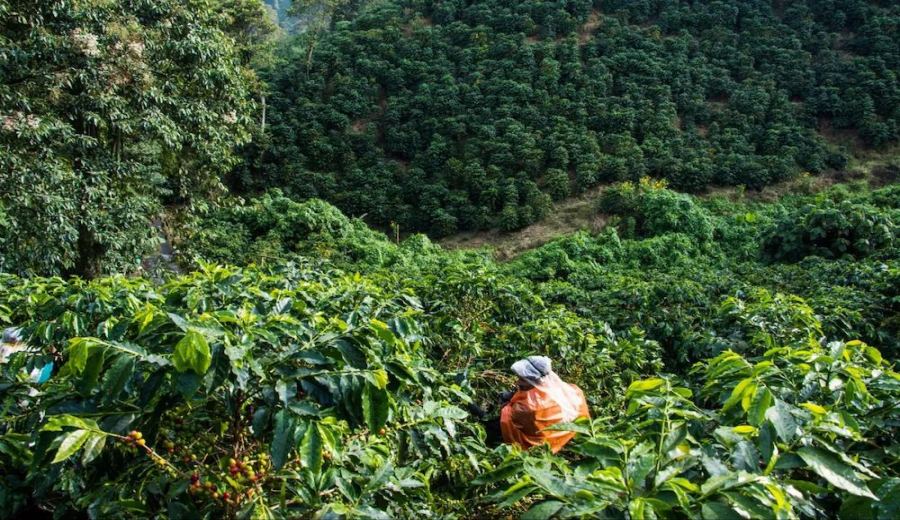
Introduction:As the birthplace of Arabica coffee, Ethiopia boasts a wealth of native varieties and unique regional flavors. This article delves into the local variety classification system, including the differences between regional landraces and the numbered 74/75 series, and explains the Ethiopian G1 to G5 defect grading standards. It also introduces the typical flavor profile of washed Yirgacheffe G2 and provides practical V60 three-stage pour over parameters—from grind size and water temperature to coffee-to-water ratio—to help you better grasp the essence of Ethiopian coffee and key brewing insights.
As the birthplace of Arabica coffee, the vast forests of southwestern Ethiopia nurture tens of thousands of native varieties, forming the foundation of the country’s distinctive regional coffee flavors. This article starts with the variety system, guiding you through the distinctions between landraces and the 74/75 numbered series, and explaining Ethiopia’s G1 to G5 defect grading system. Additionally, we’ll focus on washed Yirgacheffe G2, analyzing its flavor characteristics and offering specific V60 three-stage pour over recommendations—including grind fineness, water temperature control, and coffee-to-water ratio adjustments—to give you a deeper appreciation of the allure of Ethiopian coffee.
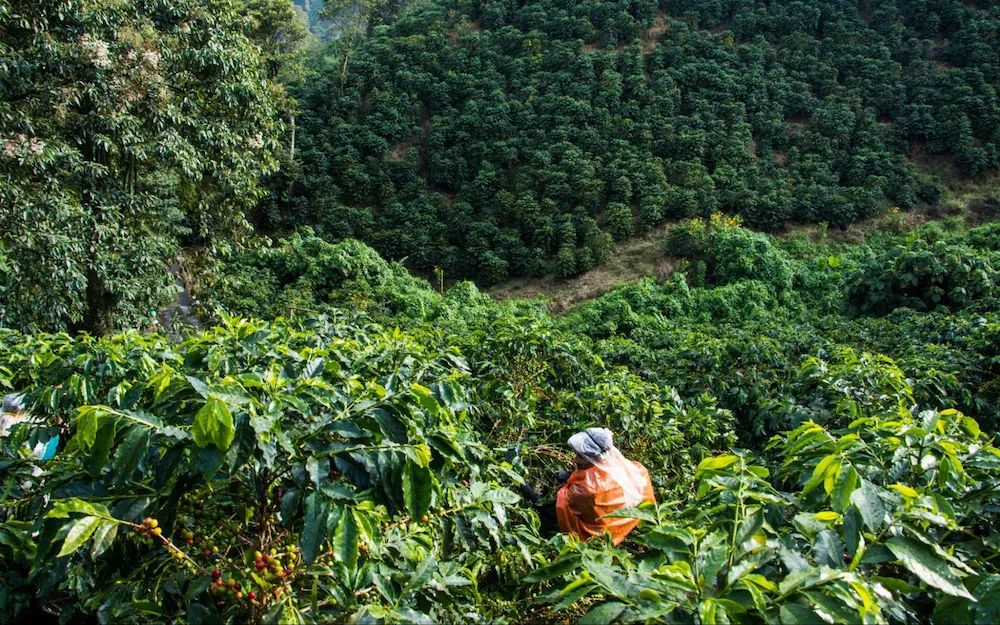
Ethiopia’s coffee variety structure is highly diverse, and the government has not conducted detailed classifications for all of them. As a result, many are commonly referred to as “heirloom” in the market. These heirloom varieties refer to coffee trees that have long thrived in the local environment and developed distinct flavor traits. Due to the great variety, regional differences become the most influential factor on flavor. Nonetheless, within the broad category of heirlooms, two main types have gradually emerged: landraces and the 74/75 numbered series.
Landraces refer to collections of multiple varieties within a specific micro-region that share similar appearances and agronomic traits, rather than being a single variety. For example, in regions like Yirgacheffe and Sidamo, common landraces include kurume, wolishao, and dega. The kurume variety features small fruits and leaves, but delivers respectable yields and has green-tipped leaves; wolishao is more often found in Sidamo, with tall trees, larger fruit sizes, and relatively fluctuating annual yields, and it has red-tipped leaves; the dega variety has medium tree height and fruit size, and is often noted for its pronounced sweetness after roasting.
As for the numbered series, these originated from seeds collected by the Jimma Coffee Research Center between 1974 and 1975 from over 600 coffee trees at 19 sites in the southwest and west. After screening and trial planting, the resulting varieties are mostly named starting with 74 or 75. Varieties such as 74110 and 74158 even ranked among the top 28 in the 2020 COE competition, showcasing their outstanding potential. Due to the large number of varieties, commercially available Ethiopian coffee beans often exhibit varied sizes, in contrast to the uniform beans from producers like Brazil or Colombia. This is actually a reflection of Ethiopia’s inherent diversity, not an indicator of poor quality.
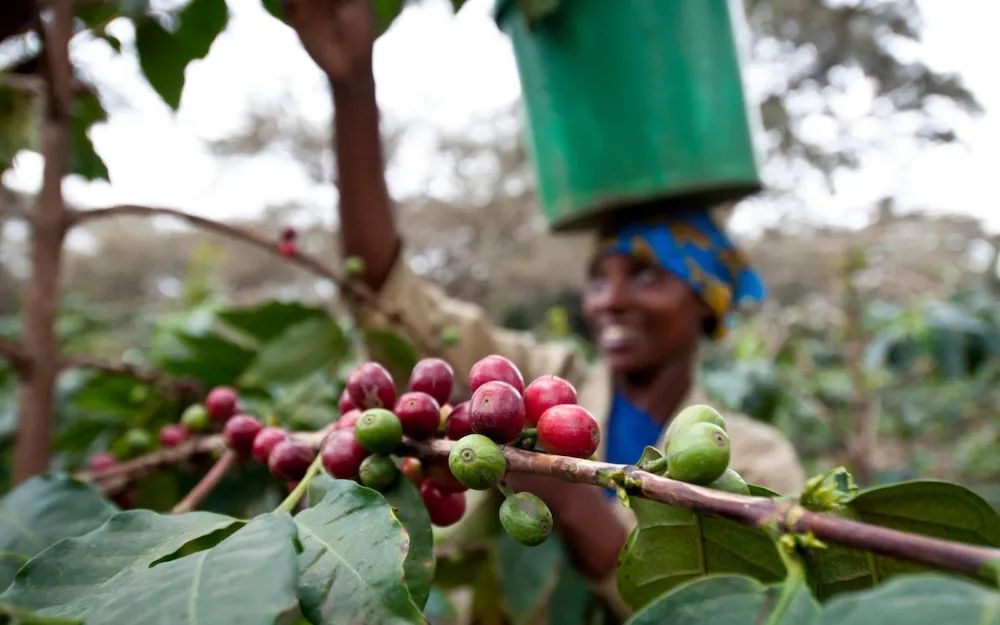
In terms of quality grading, Ethiopia primarily classifies coffee beans into five grades—G1 to G5—based on the number of defective beans per 300 grams of green coffee. Specifically, G1 allows no more than 3 defective beans, G2 allows 12, G3 allows 25, G4 allows 45, and G5 permits up to 90 defective beans. Generally, G1 and G2 are considered high-quality grades, and further manual sorting before and after roasting can enhance overall quality. Grades G3 and below, due to a higher number of defects, are relatively more affordable and less commonly traded on the international market.
When it comes to representative Ethiopian flavor profiles, washed Yirgacheffe G2 is a classic that cannot be overlooked. Yirgacheffe is not only one of Ethiopia’s earliest regions to develop specialty coffee, but is also renowned for its unique flavor profile. Although classified as G2, careful post-selection for defects can elevate its performance. In the dry aroma stage, this bean often presents bright citrus and clean floral notes; after brewing, it reveals vibrant citrus tones, gentle honey-like sweetness, and a refreshing tea-like finish, with a clean and layered mouthfeel.
To fully highlight Yirgacheffe’s delicate flavors, it is recommended to use freshly roasted coffee beans for pour over, ideally within five days of roasting, as this is when the flavors are most vibrant. Generally, a resting period of about four to seven days after roasting is needed to allow the beans to release internal stress and stabilize their flavors, reaching the optimal extraction state.
Regarding grind size, a medium-fine grind is recommended. Using China’s commonly used No. 20 sieve as an example, a passing rate of around 78% is ideal. If the grind is too coarse, it may lead to under-extraction and result in a thin flavor; conversely, if it’s too fine, it can easily lead to over-extraction and produce unwanted bitterness. To accentuate the bright acidity and floral aroma of washed Yirgacheffe, it’s recommended to use a V60 filter cone for pour over. Its internal spiral ridges promote the release of gases from the coffee bed, aiding in the expression of acidity and aroma.
For this distinctly flavored bean, a three-stage pouring method is advised to allow flavor compounds at different temperatures to be gradually released. In terms of extraction water temperature, if you prefer bright acidity and a tea-like aftertaste, aim for a temperature between 90°C and 91°C; if you desire a rounder acidity and enhanced body, you may increase it to 92°C to 93°C. Additionally, a coffee-to-water ratio of 1:16 is suggested to balance floral notes and honey sweetness, resulting in a clearer and more harmonious overall flavor.
The above content is compiled by CoffeeHunters, a coffee news website.


