







Introduction:Mastering espresso lies in understanding the interplay between extraction ratios and various parameters. This article delves into how core elements such as the coffee-to-water ratio, grind size, and water temperature influence the final flavor, and analyzes how blends of different roast levels affect extraction stability. Through practical adjustment techniques and recommended parameter ranges, it helps you flexibly optimize espresso extraction based on weather conditions and bean status.
Espresso is renowned for its intense flavor and short extraction time, but achieving a consistently ideal taste requires precise control over parameters such as grind size, water temperature, extraction time, and coffee-to-water ratio. Among these, the extraction ratio, as the foundation that determines concentration and flavor balance, is a key element that demands deeper understanding.
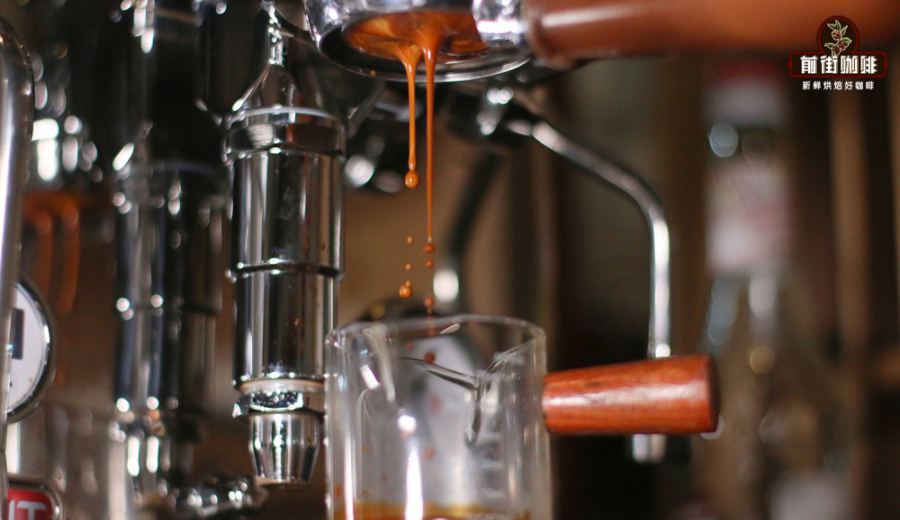
Common espresso extraction ratio ranges are 1:1.5 to 1:2.5, with the industry widely adopting 1:2 as the golden ratio. Taking a double shot as an example, using a 20-gram portafilter basket , you aim to use 20 grams of coffee grounds and extract 40 grams of espresso, with the time controlled within the 25-30 second range. This parameter combination balances concentration and extraction yield, suiting the flavor expression of most blends.
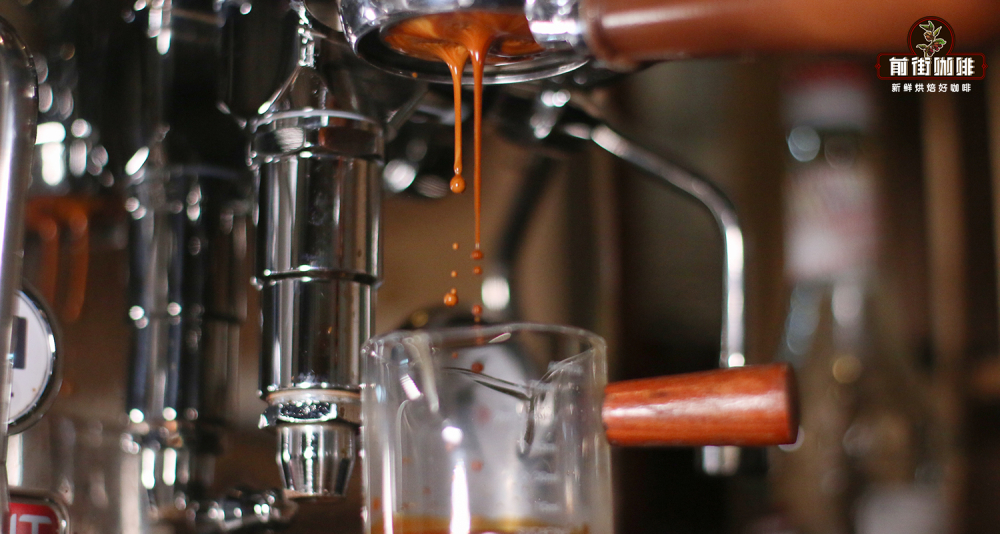
Adjusting the coffee dose directly affects puck density and flow rate. Increasing the dose makes the puck denser, prolongs water flow time, increases concentration but may lead to over-extraction; reducing the dose has the opposite effect. In practice, it’s recommended to fine-tune based on flow rate observation — for instance, if the flow is too fast (under-extracted), gradually increase the dose by 0.1-0.2 grams and observe the changes, while also paying attention to the evenness of puck tamping to avoid channeling.
Grind size is another core variable. Espresso requires an extremely fine grind to allow flavors to be released within a short time, but over-grinding can easily lead to over-extraction and bitterness. Ideally, the grind should allow the espresso to flow steadily within the target time — if the flow is too fast, adjust to a finer grind, and vice versa. Note that each adjustment should not exceed 1-2 notches(depending on the grinder's scale) to avoid large variables affecting extraction stability.
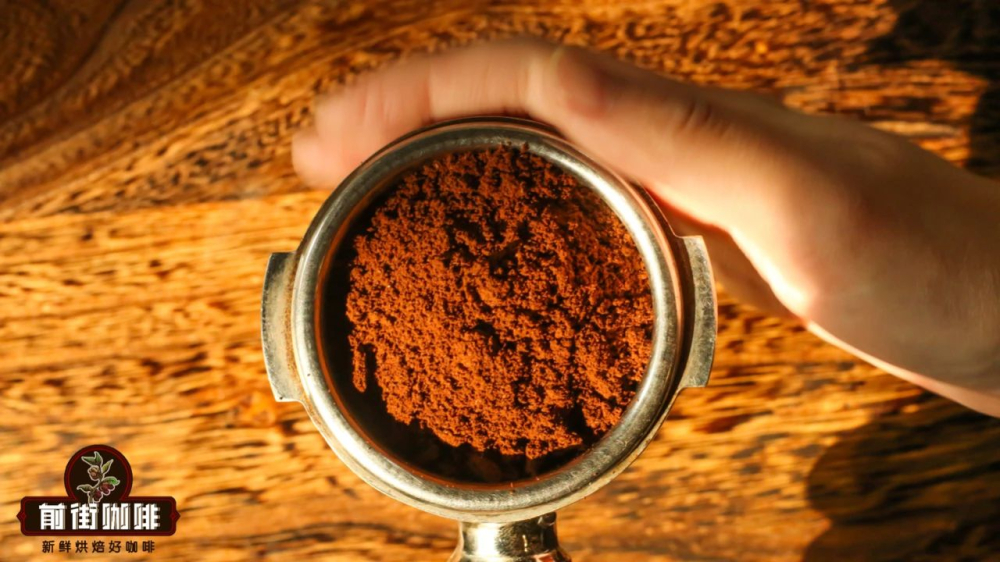
Environmental factors such as humidity and temperature can significantly impact extraction performance. During the rainy season, when coffee grounds absorb more moisture, you may need to increase the dose by 0.5-1 gram to compensate for moisture absorption; in hot and dry environments, pay attention to the resting time of ground coffee after grinding. For daily adjustments, start with coffee dose and grind size, while keeping water temperature and pressure (usually set at 9Bar / 92-94°C) stable unless obvious signs of over- or under-extraction appear.
Roast level has a decisive impact on extraction parameters. Light-roast beans, due to their high density and slow water absorption, are prone to channeling or splattering, requiring a finer grind and higher pressure; medium to dark-roast beans have a looser structure, suiting the standard 1:2 ratio and 25-30 second extraction window. Beginners are advised to start with medium to dark roast blends, whose stable flow characteristics help build an intuitive sense for parameter adjustments.
Practical adjustment case: If initial parameters (19.8g dose / 38g output / 26s) result in overly fast flow, try increasing the dose to 20g and observe whether the standard time of 29 seconds is restored. If the flavor remains thin, adjust the grind finer in tandem rather than simply adding more coffee. Conversely, if the flow is too slow, prioritize reducing the dose, supplemented by grind adjustments. Recording each change in parameters and corresponding flavor feedback is a key step in optimizing extraction.
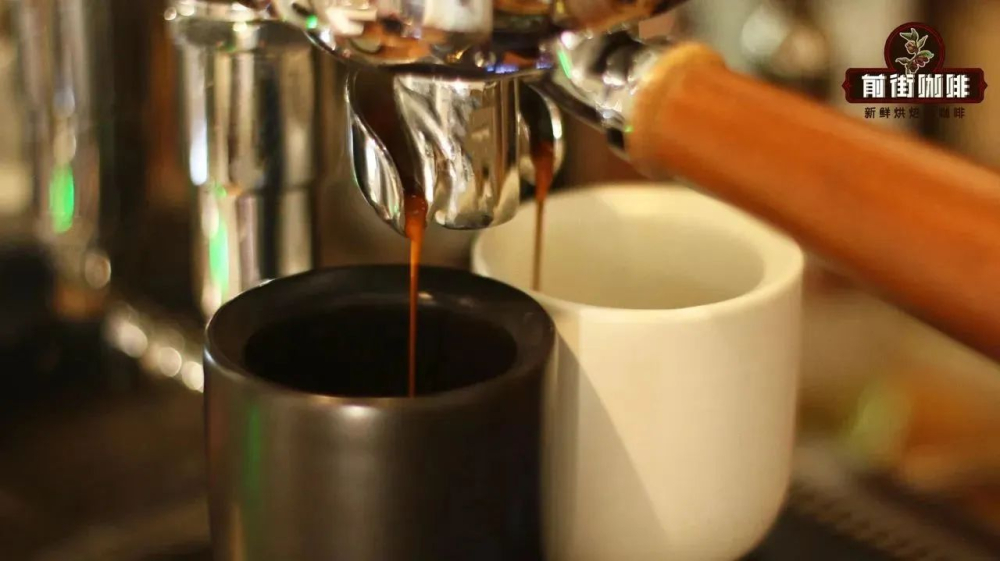
Based on comprehensive practical experience, an ideal espresso should present a balanced flavor profile: an intense entrance with caramel and cocoa undertones, a mid-palate revealing berry acidity and spicy layers, and a smooth, restrained finish. By systematically understanding the interplay between coffee-to-water ratio, grind size, and roast level, even beginners can gradually master this precise coffee art.
The above content is compiled by CoffeeHunters, a coffee news website.


