







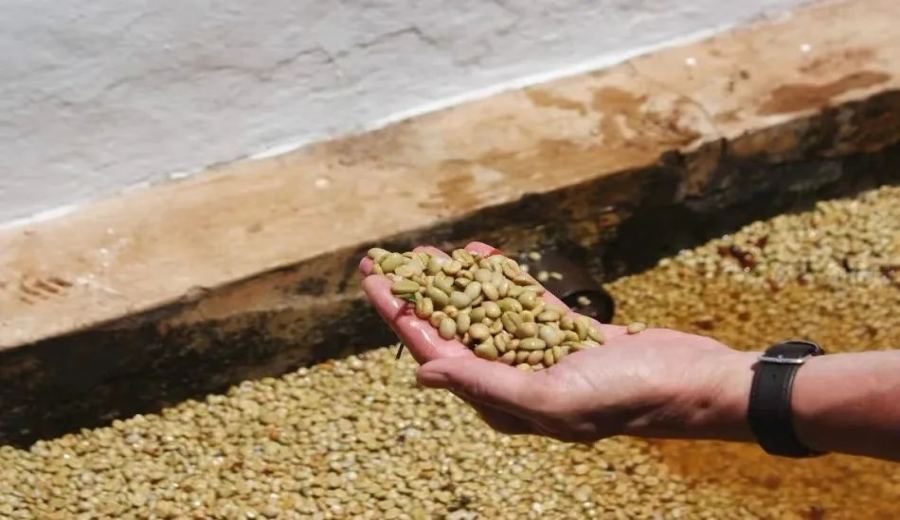
Introduction:The washed processing method is one of the oldest and most mainstream green bean processing techniques in the coffee industry, renowned for its high cleanliness and bright, clear acidity. By delving into its origins, processing steps, and flavor profiles, coffee enthusiasts can grasp the essence of this method—especially appealing to those who seek balanced flavors in pour over coffee. This article will fully analyze each step of the washed process and explore how it contributes to the classic profiles of renowned regions such as Yirgacheffe.
The washed processing method is one of the most common and historically significant green bean processing techniques in today’s coffee industry, particularly popular among coffee lovers who pursue bright acidity and clean flavors. Compared to the natural (sun-dried) method, washed coffee typically exhibits a more vibrant acidity, a more elegant complexity, a lower percentage of defective beans, and greater flavor consistency. Well-known beans such as Ethiopia’s Guji Dingding Cooperative, Kenya’s AA, Panama’s Geisha (commonly known as "Flower Butterfly"), and Guatemala’s Antigua all employ washed processing, showcasing the unique terroir of each producing region.
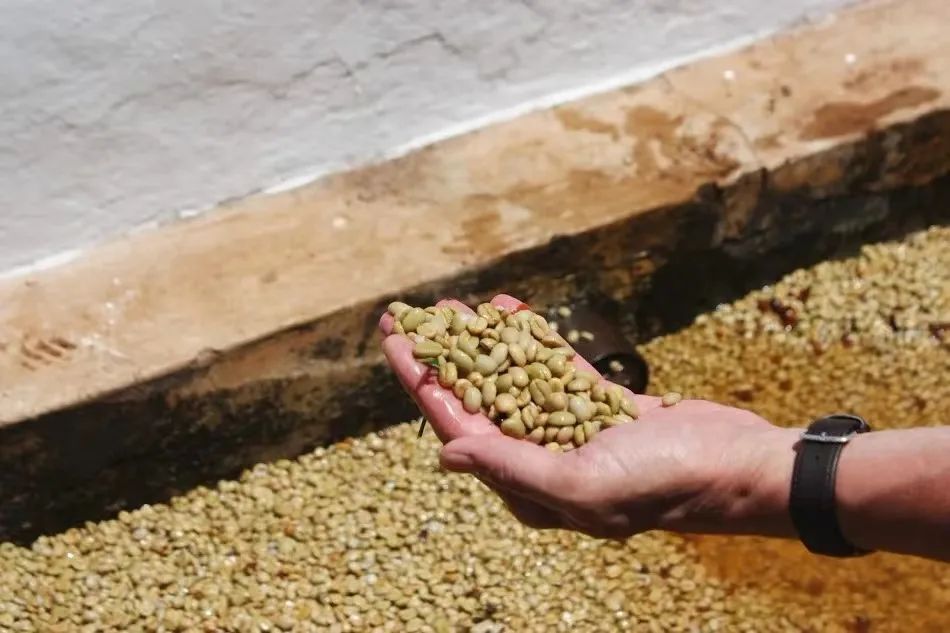 The history of the washed processing method dates back to the mid-18th century when Dutch colonists first applied it in the West Indies to improve coffee quality and stability. In the early days, coffee was mostly processed using the natural (sun-dried) method, which, although low-cost and technically simple, often led to issues such as mold, pests, and off-flavors in regions with unstable weather or poor hygiene, making it difficult to control coffee quality. In contrast, the washed method removes the mucilage layer through soaking and fermentation in water. This not only shortens drying time but also effectively reduces the risk of microbial contamination, thus becoming a symbol of high-quality coffee.
Early washed processing required substantial amounts of water—generally, 10 to 20 tons of clean water were needed to process 200 kilograms of green beans, so processing facilities were often located in water-abundant areas. Although the cost was higher, considering overall factors like quality, stability, and efficiency, the washed method gradually became the preferred choice for many producing regions. With the invention of the pulper in 1844, the efficiency of washed processing improved further, leading to broader adoption of the technique.
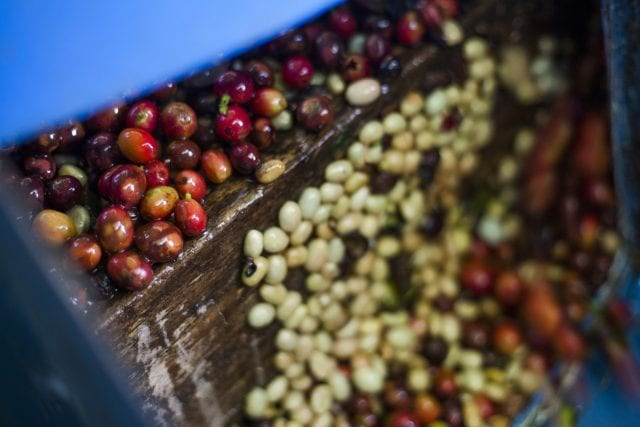
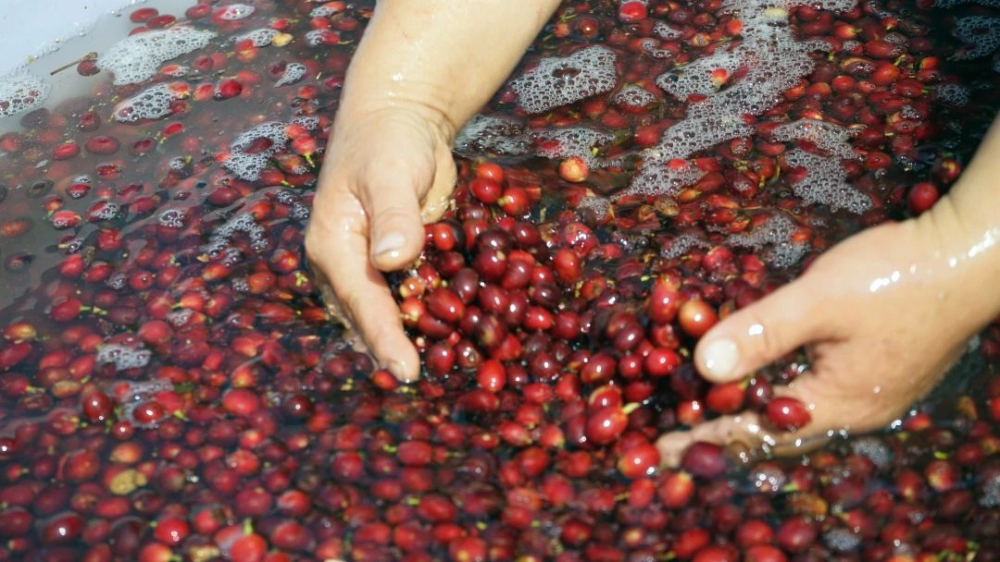
 The washed processing flow can be broadly divided into stages such as flotation, pulping, fermentation, washing, and drying. First, freshly harvested coffee cherries undergo flotation, where water buoyancy is used to screen out unripe or overripe fruits. Next, a pulper is used to remove the outer skin and pulp, leaving the coffee beans coated with a sticky mucilage layer. To remove this mucilage, the beans are placed in a fermentation tank and left to sit for about 12 to 36 hours, depending on climatic conditions. The acidic substances produced during fermentation help break down the mucilage.
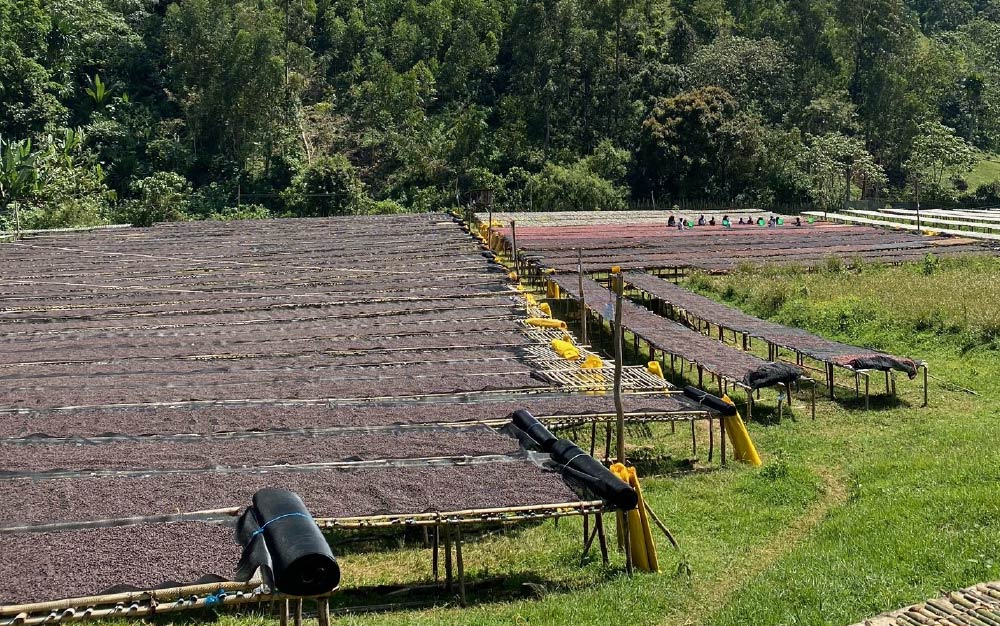
After fermentation, a small amount of mucilage may still remain on the beans’ surface, so manual or mechanical brushing, along with flowing water rinsing for at least 30 to 60 minutes, is required to ensure thorough cleaning. Then, specially designed channels and water flow density separation are used to eliminate beans of insufficient density and lower quality, retaining only high-quality parchment beans. These beans are finally spread evenly on raised beds or drying racks and slowly dried under the sun until their moisture content reaches the safe range of 11% to 12%, after which they proceed to storage and export.
The advantage of the washed processing method lies in its ability to significantly reduce the proportion of defective beans, enhancing the stability and consistency of the entire batch. Since there is no fruit flesh surrounding the beans during drying, the resulting flavors are purer, with bright acidity and distinct layers—making it highly suitable for highlighting a region’s unique “terroir characteristics.” For instance, many beginners exploring terroir profiles are advised to start with washed lots, as they allow for a clearer experience of a region’s distinctive aromas and taste.
 Taking Ethiopia’s Yirgacheffe as an example, the region originally relied mainly on the natural (sun-dried) method due to limited water resources. However, environmental constraints often affected coffee quality, leading to issues such as earthy tones or uneven fermentation. It wasn’t until 1972, when the local government introduced washed coffee technologies and equipment from Central and South America, that the processing quality of coffee saw significant improvement. Washed Yirgacheffe is known for its refreshing citrus notes, elegant floral aromas, and delicate balance of acidity and sweetness, making it a star-producing region in the global specialty coffee market.
For beginners, washed Yirgacheffe is an excellent choice for getting started. It is recommended to use a V60 dripper for pour over, with water temperature controlled at 92–93°C, a coffee dosage of about 15 grams, a coffee-to-water ratio of 1:15, and a grind size similar to granulated sugar (approximately 78% passing through a #20 sieve). The specific brewing process is as follows: first, pour 30 grams of water for a 30-second bloom; then pour 95 grams of water (total around 125 grams) over about 1 minute; when the water level drops to two-thirds of the coffee bed, pour another 100 grams of water (total around 225 grams), finishing the pour at approximately 1 minute and 35 seconds. The total extraction time is about 2 minutes and 10 seconds, yielding a cup of washed Yirgacheffe with standout flavors.
In terms of flavor, washed Yirgacheffe often presents fresh notes of jasmine, lemon, citrus, and green tea. As the temperature cools, lingering undertones of berries, cream, and sugarcane can be detected. The overall mouthfeel is clean, bright, and sweet, with a pronounced aftertaste—perfectly suited for coffee drinkers who enjoy vibrant acidity balanced with smoothness.
The above content is compiled by CoffeeHunters, a coffee news website.


