








Introduction:Geisha coffee beans, with their distinctive floral aroma, tropical fruit notes, and sweet aftertaste, have become the pinnacle choice for specialty coffee enthusiasts. This article delves into its journey from its Ethiopian origins to its rise at Panama’s Hacienda Esmeralda, details the flavor differences across regions such as Acatenango, and offers professional roasting advice and pour over references to help you better appreciate the charm of this top-tier coffee bean.
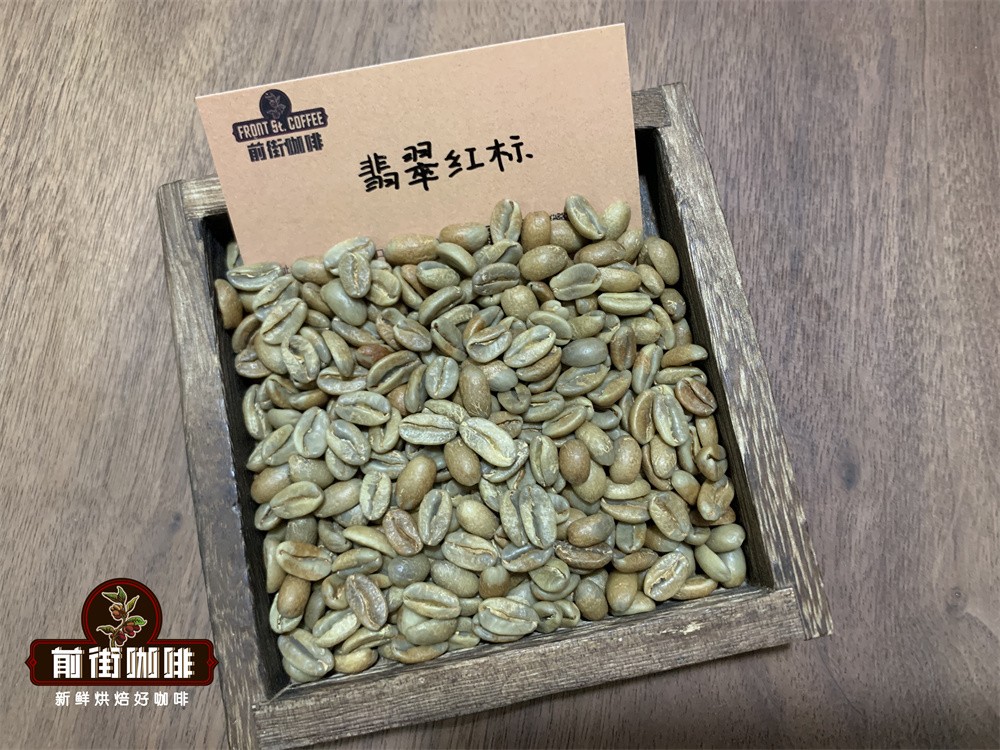
The widespread fame of Geisha coffee beans is attributed to their highly recognizable floral and fruity aromas along with their intense sweetness. Such beans often become the top choice for pour over coffee lovers. Take Geisha from Panama’s renowned growing regions as an example — its green beans often exhibit a crystal-clear blue-green appearance with a jade-like glossy texture. Upon closer sniffing, aside from the common grassy and peach notes, one can also detect the freshness of berries and a rare, soft creamy note akin to oolong tea. This unique aromatic combination often leaves a deep impression on first-time tasters.
To fully unlock the potential of Geisha, mastering the roasting level is crucial. It is generally recommended to roast to a level close to the start of the second crack, also known as "approaching second crack" or "first part of second crack." At this stage, it retains the bean’s delicate floral notes and bright acidity while allowing the sweetness to fully develop. It should be noted that under-roasting may release excessive astringent and off-flavors, while over-roasting could diminish its proud aromatic layers and bright acidity. Therefore, slight adjustments based on actual bean conditions are advised.

When talking about Geisha, one must revisit its origin story. This variety originally comes from Ethiopia, being one of the ancient native cultivars there. Later, as a research sample, it was taken to Costa Rica’s coffee experimental farm and distributed to several small farms for trial planting, but it did not gain much attention for a long time. It wasn’t until it stood out at Panama’s Hacienda Esmeralda, separated from other varieties and won top honors in international coffee competitions, that it truly rose to prominence and became a legend in the specialty coffee world.
Precisely because of Geisha’s uniqueness, the same variety grown in different regions will also show subtle differences. For instance, in the Acatenango region, Geisha beans usually have an elongated shape and undergo noticeable changes during the roasting process. Their cup profile is especially renowned for its refreshing and refined flavors. This flavor profile shares similarities with Ethiopia’s renowned Yirgacheffe, both emphasizing floral and citrus notes, but with the added richness and complexity brought by high altitude.
For coffee enthusiasts, one of the best ways to experience Geisha is through pour over. It is recommended to use a medium-fine grind, with water temperature controlled between 90-93°C, and employ a multi-pour extraction method. This approach more fully presents its floral, tropical fruit aromas, and long-lasting sweet finish. When brewed with the right technique, it feels like sipping a floral tea amidst blossoms — each sip is full of surprises and variations, which is one of the reasons why Geisha is so captivating.
Overall, Geisha is not just a type of coffee bean, but also represents the epitome of specialty coffee’s pursuit of excellence. From its beginnings in Ethiopia, to its shining moment at Panama’s Hacienda Esmeralda, to the unique characteristics it displays in regions like Acatenango, every step is filled with stories and surprises. If you have a higher pursuit for coffee flavors, gaining a deeper understanding of Geisha’s cultivation, processing, roasting, and brewing details will help you more comprehensively appreciate the infinite charm of this top-tier coffee.
The above content is compiled by CoffeeHunters, a coffee news website.


