







Introduction:Mandheling coffee from Sumatra, Indonesia, is renowned for its rich, full-bodied flavor with notes of dark chocolate and spices, making it especially appealing to coffee enthusiasts who prefer dark roasts. This article delves into the characteristics of Mandheling from the Lintong and Aceh regions, explains how the unique wet-hulling process shapes its distinctive flavor profile, and provides practical pour-over brewing tips for PWN Golden Mandheling using the KONO filter, helping you consistently extract its captivating caramel and nutty aromas at home.
When it comes to Indonesian coffee, most people immediately think of Mandheling. This Arabica coffee from Sumatra is beloved by many serious coffee lovers for its deep, bold flavor and pronounced notes of dark chocolate and herbal spices. On our menu, both Lintong Mandheling and PWN Golden Mandheling are medium-dark roasted, sourced respectively from the Lintong and Aceh regions of Sumatra. These two beans not only showcase intense caramel and roasted hazelnut aromas but also retain the distinctive herbal undertones characteristic of Mandheling.
As a common everyday brew, Lintong Mandheling offers a direct and balanced flavor, with prominent notes of dark chocolate, roasted hazelnuts, and caramel on the palate, followed by a hint of unique herbal spice in the aftertaste. PWN Golden Mandheling, on the other hand, is more refined—carefully hand-sorted multiple times, it boasts high cleanliness and a cleaner sweetness, making it a premium choice among many pour-over enthusiasts. Both beans are processed using Indonesia’s unique wet-hulling method, a key factor in shaping Mandheling’s distinctive flavor.
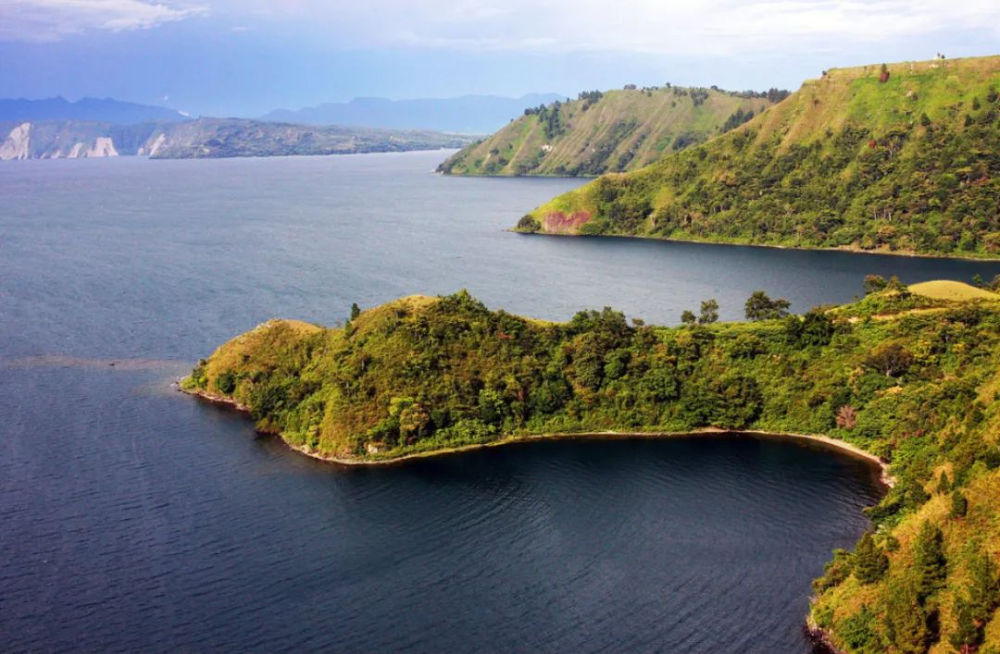
Sumatra, Indonesia’s primary coffee-growing region, features mountainous terrain and a humid climate with high annual rainfall. While the misty environment adds an air of mystery, it also poses challenges for coffee processing. The island’s high-altitude areas suitable for Arabica cultivation are mainly concentrated in Aceh and North Sumatra, particularly around Lake Tawar and Lake Toba, where volcanic soils are renowned. The Gayo Mountains near Lake Tawar, with widespread organic farming practices and long-standing cultivation experience, produce coffee of consistent quality and outstanding flavor. The well-known Pwani Coffee Company (abbreviated as PWN) is rooted here.
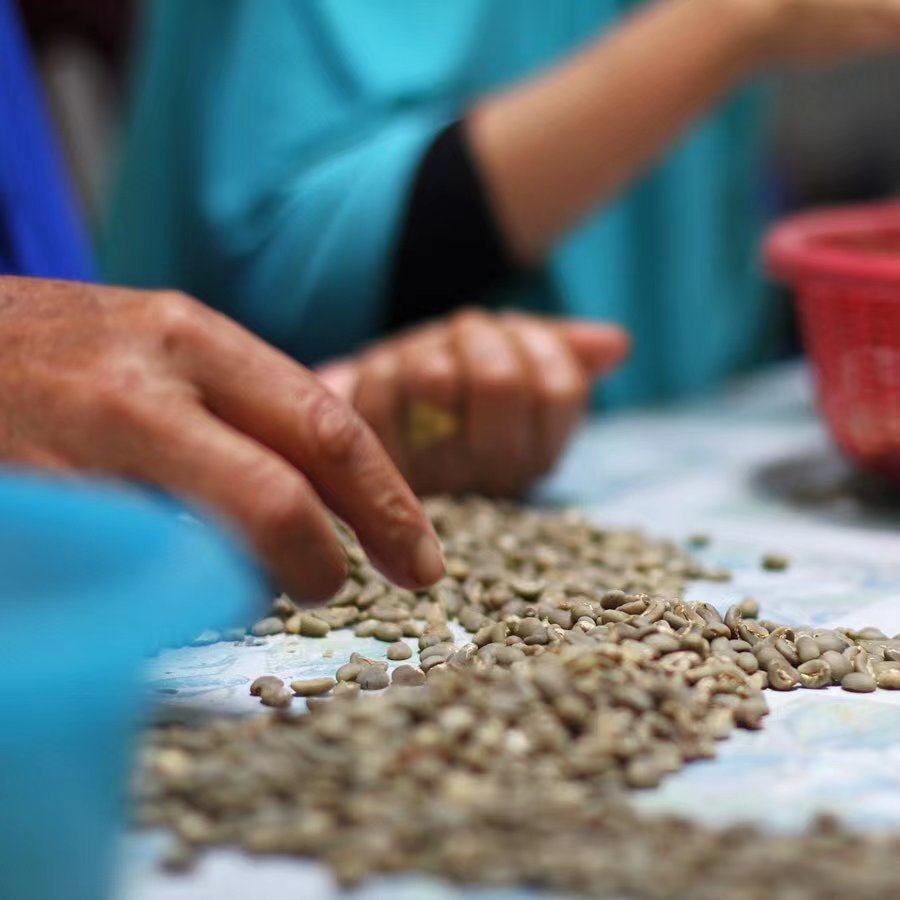
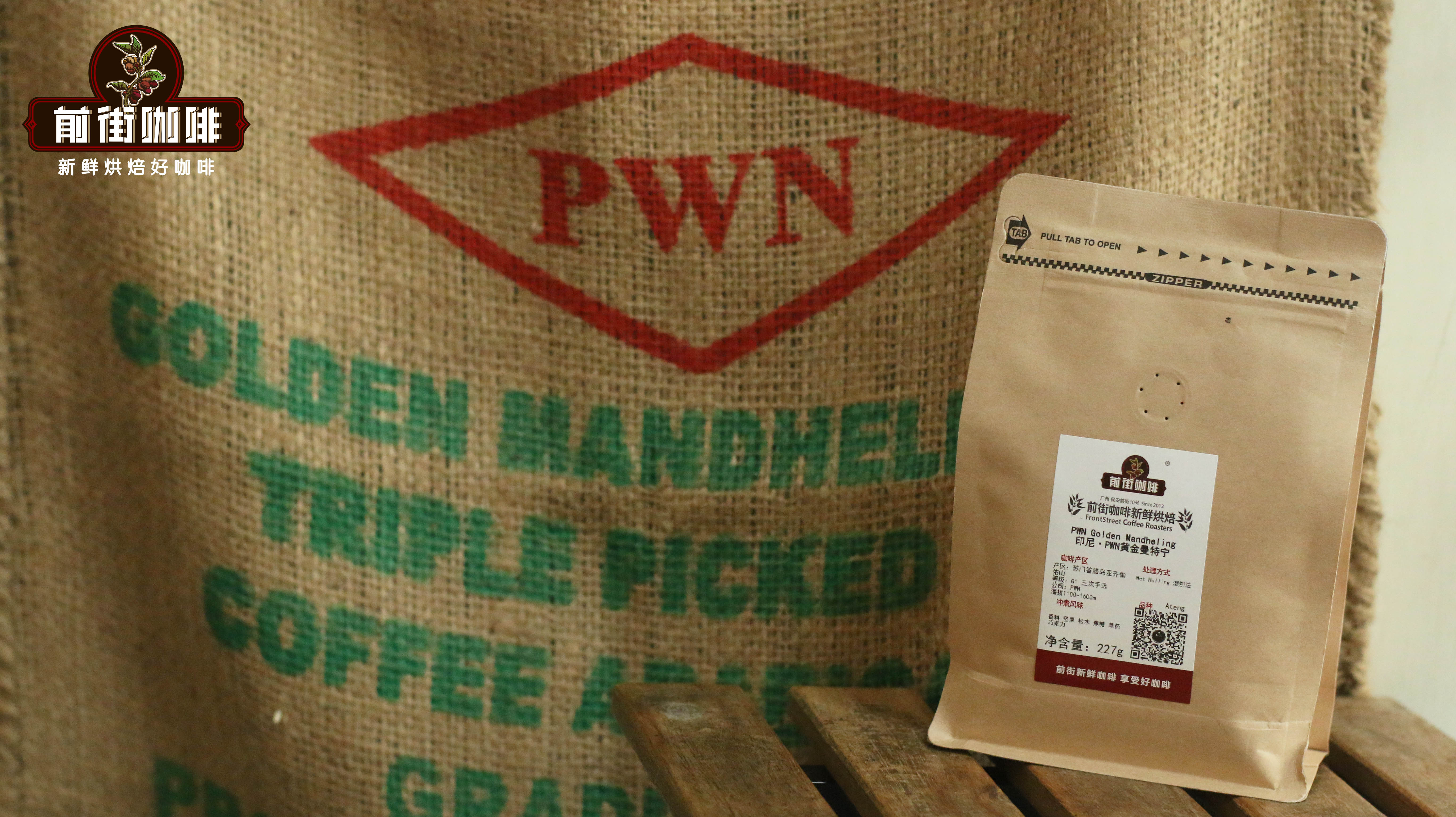
PWN focuses on sourcing high-quality Mandheling green beans and implements a rigorous screening process: after one mechanical sort and three rounds of hand-picking, ensuring every bean meets specialty-grade standards. Its flagship “Golden Mandheling” is not only consistent in quality but has also become a popular market favorite due to its unique selection criteria. Notably, PWN has registered the English trademark “Golden Mandheling,” so only products of the same name from this company can be considered authentic. The Golden Mandheling we offer also comes from PWN’s official supply chain, processed via wet-hulling, with distinct flavor characteristics.
Indonesia’s wet-hulling method is a semi-washed process developed to adapt to the region’s high humidity and frequent rainfall. Typically, annual rainfall exceeds 2000 mm, with humidity levels consistently between 70% and 90%, making traditional sun-drying or washed processing difficult to implement. In the wet-hulling process, after removing the coffee fruit’s skin and pulp, the beans undergo brief fermentation, then are washed with clean water to remove the mucilage. Next, the parchment-covered beans are dried only to a moisture content of 30% to 40%—taking about 2 to 3 days—before being sent to the processing mill for hulling.
During hulling, due to the high friction of the machine, the parchment layer is forcefully stripped away, often bringing out white or greenish mucilage. This causes the green beans, under the dual influence of moisture and friction, to become soft or slightly whitened in appearance, with potential shape damage—especially the small nicks commonly found at the ends, nicknamed “elephant ears.” Though this process may seem rough, it unexpectedly imparts Indonesian coffee with unique woody, spicy, and herbal notes—what we often call “regional character.” If you haven’t experienced this distinctive flavor, try a small pack of Lintong Mandheling to explore the unique charm brought by wet-hulling.
If you want to brew a Mandheling with standout flavor at home, we recommend using the KONO filter with PWN Golden Mandheling to effectively enhance the roundness and body of the extraction. Compared to the V60, the KONO filter has a smooth inner wall curve, with drainage ribs located only about a quarter of the way up the filter. This design reduces the space for upward airflow, focusing the water flow toward the bottom, prolonging the contact time between coffee grounds and hot water, and thus extracting a more concentrated and full-bodied taste.
Medium-dark roasted Mandheling has a relatively loose bean structure and fast water absorption after grinding. Improper parameter settings can easily lead to over-extraction and bitterness. Therefore, it’s recommended to use a slightly lower water temperature and a slightly coarser grind size to suppress the release of excessive bitter compounds. In practice, set the water temperature to 87~88°C, with the grind level referenced to about 70%% passing through a Chinese standard No. 20 sieve, using 15 grams of coffee grounds, paired with a 1:15 coffee-to-water ratio, for a total water volume of 225 grams.
The specific pour-over steps are as follows: Begin with a 30-second bloom, pouring 30 grams of water. The water flow should be fine and focused on the center of the coffee bed, then slowly circle outward to ensure all grounds are evenly saturated. After the bloom, move to the second phase, pouring 95 grams of waterwith a slightly larger stream. At this point, the total weight is about 125 grams, aiming to complete this stage in about 55 seconds. The goal is to lift the coffee bed and evenly distribute the hot water. Finally, when the liquid level drops halfway, use a small stream to pour the final 100 grams of waterin small circles, totaling 225 grams. This stage requires careful control to avoid disturbing the coffee bed excessively. The total extraction time is approximately 2 minutes. Once brewed, gently swirl the coffee in the server before serving.
The final brewed PWN Golden Mandheling will showcase intense dark chocolate aroma, layered with roasted hazelnuts, caramel, and melon, with clear spice notes. It has a full yet clean body, a long-lasting aftertaste, and is a classic choice perfect for deeply experiencing the charm of Indonesian Mandheling.
The above content is compiled by CoffeeHunters, a coffee news website.


