








Introduction:Although Tanzania is not the most well-known African coffee-producing country, its AA-grade washed coffee beans from the Kilimanjaro mountain region are beloved by pour-over enthusiasts for their bright citrus and berry notes, honey-like sweetness, and smooth tea-like finish. This article delves into Tanzania’s coffee-growing environment, variety characteristics, rigorous grading system, and provides tested pour-over parameters and flavor profiles to help you select high-quality beans and explore this underrated coffee haven.
In discussions about specialty African coffee, Ethiopia and Kenya often take the spotlight. However, Tanzania, located in East Africa, also boasts impressive coffee potential. In particular, the AA-grade washed coffee beans from the Kilimanjaro volcanic region stand out with their clean, bright citrus and berry flavors, moderate honey sweetness, and a tea-like smoothness in the aftertaste, making them a favorite among many pour-over aficionados. This article will take you through the region’s growing environment, varietal genetics, processing methods, and grading standards to give you a comprehensive understanding of what makes Tanzanian coffee unique, along with practical pour-over recommendations to help you select and brew more precisely.
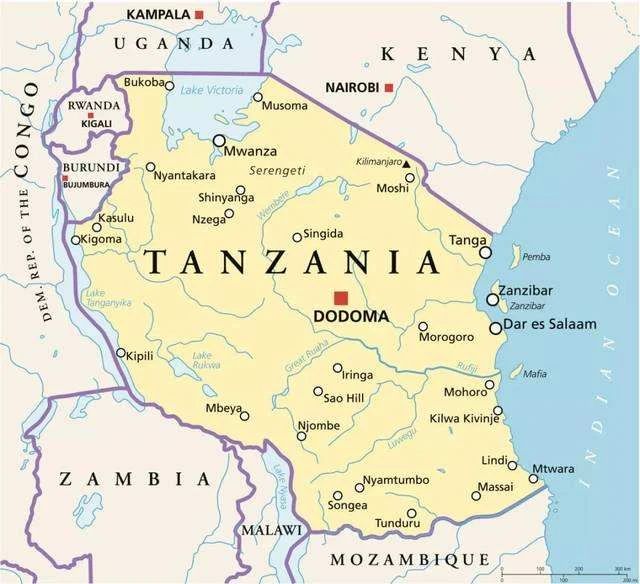
Although Tanzania’s coffee-growing history is not as long as that of neighboring Ethiopia, since the introduction of Arabica varieties during German colonial rule in the early 20th century, the crop has gradually taken root in high-altitude regions. The Kilimanjaro mountain area, with its fertile volcanic soil and suitable altitude (approximately 1,300 to 2,000 meters), has become the country’s most representative coffee-growing region. The coffee grown here not only yields stable production but also benefits from microclimate variations that produce distinctly layered flavor profiles. It’s worth noting that Tanzania and Kenya employ similar green bean grading systems, both primarily evaluating beans by size, where ‘AA’ is the highest grade, typically representing high-quality beans with full bodies and excellent extraction potential.
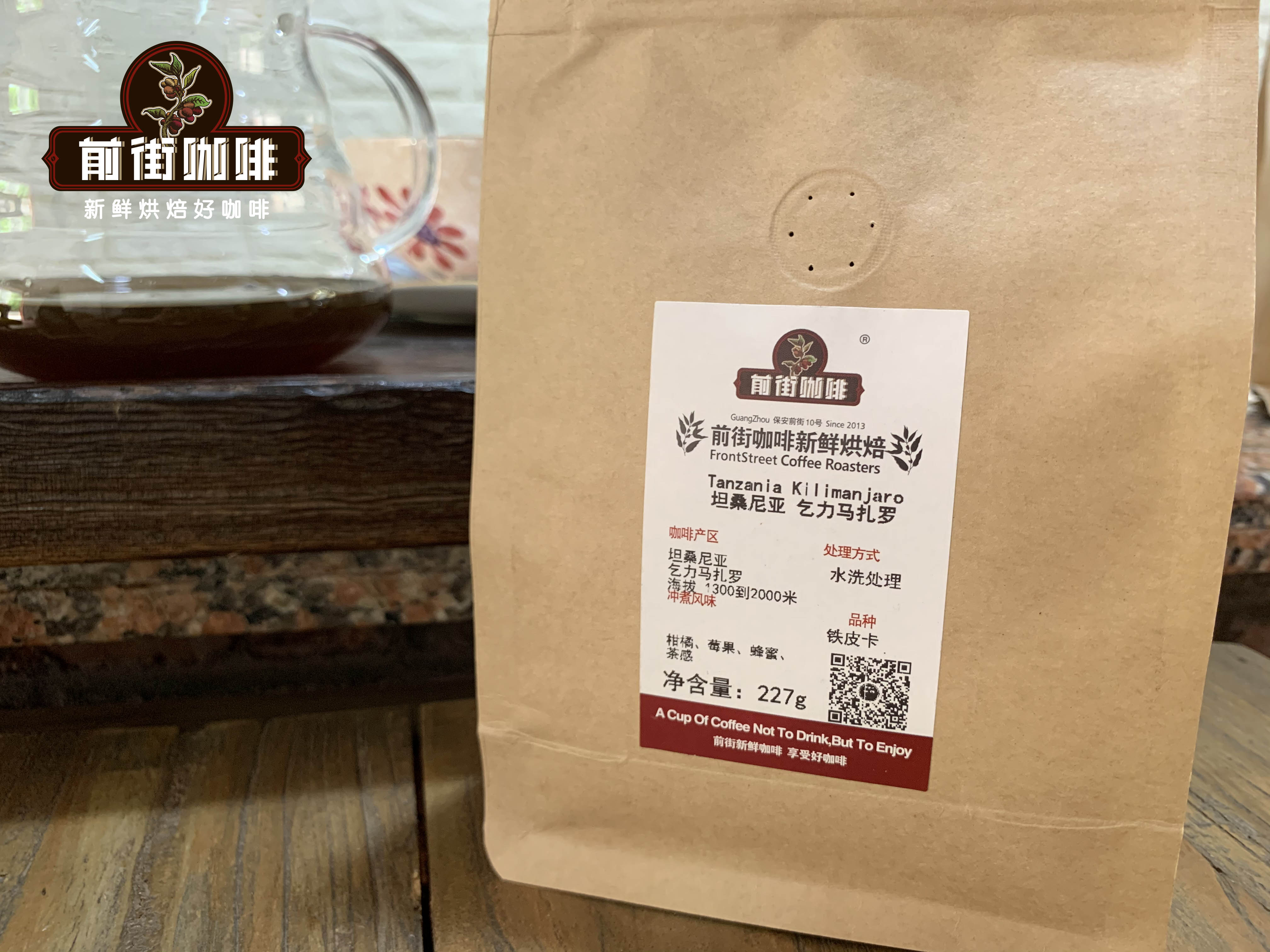
Taking a closer look at the background of this Tanzanian Kilimanjaro AA-grade coffee bean, its origin is focused on the volcanic highlands of the northern region, with altitudes ranging between 1,300 and 2,000 meters. The high-altitude environment slows down the ripening process of coffee cherries, allowing the beans to accumulate richer flavor compounds while creating bright acidity and a dense structural mouthfeel. In terms of variety, this bean is of the Typica cultivar — an ancient Arabica heirloom known for its slender bean shape, elegant acidic aroma, and adaptability to high-altitude conditions. Regarding processing, farmers employ the washed method, using meticulous steps such as pulp removal, fermentation, and washing to enhance the coffee’s cleanliness and the pure expression of its flavors.
As the largest coffee producing region in Tanzania, the Kilimanjaro area plays a crucial role in shaping the coffee’s flavor profile. Located near Africa’s highest peak, its volcanic soil is rich in minerals, providing diverse nutrients essential for coffee tree growth. Coupled with significant day-night temperature variations, this helps the beans develop slowly, accumulating a more complex aromatic spectrum. Compared to lower-altitude regions, coffee grown at higher elevations typically features sharper acidity, lighter body, and more distinct flavor characteristics — key factors behind the Kilimanjaro AA-grade beans’ clear citrus and berry notes.
Tanzania’s coffee varieties are dominated by Bourbon and Typica, with the AA-grade beans discussed here being of the Typica variety. While Bourbon is known for its broad leaves, higher yield, and pronounced berry notes — commonly found in other regions — Typica is a genetically significant and ancient cultivar. It grows tall but yields less, with weaker resistance to diseases, yet it can express extreme flavor details in high-altitude environments. Typica beans are slender in shape, with flavors leaning toward elegant citrus acidity, soft sweetness, and delicate tea-like notes. These traits complement the characteristics of Kilimanjaro’s volcanic soil, contributing to the unique personality of the beans introduced here.
Processing method is a critical factor influencing coffee flavor, and this Tanzanian bean is washed — the most commonly used technique by local farmers. The washed process includes: first removing miscellaneous impurities and unripe cherries, then stripping the coffee pulp and outer skin, fermenting the mucilage-covered beans in tanks for 18 to 36 hours to break down the sticky layer via microbial action, and finally rinsing several times to remove residues and uniformly drying the beans. This method effectively reduces interference from impurities and undesirable flavors, highlighting the coffee’s inherent fruity acidity and clean structural mouthfeel, resulting in a final brew with clearer citrus, berry, and honey layers.
Tanzania’s green bean grading system is similar to Kenya’s, primarily based on screen size (i.e., bean diameter). The specific grades are as follows: AA is the highest grade, requiring beans to pass through a 17–18 mesh (approximately 7.20mm sieve), indicating full and uniform size; AB-grade beans are slightly smaller, passing through a 15–16 mesh (approximately 6.8mm–6.2mm sieve); PB-grade consists of peaberry beans, accounting for about 10% of total production; C-grade beans are even smaller, passing through a 12–14 mesh (approximately 4.8mm–5.6mm sieve). The Kilimanjaro AA-grade coffee beans introduced here, due to their large and uniform size, generally offer better extraction efficiency and flavor expression potential, making them an ideal choice for those seeking a high-quality pour-over experience.
For this Tanzanian Kilimanjaro AA-grade coffee bean, the recommended pour-over method is using a V60 cone dripper. The V60’s wide opening and spiral ribs promote internal airflow, reducing the risk of over-extraction while highlighting the bean’s acidity and aromatic layers. It is suggested to control the water temperature at 90–91°C, adjust the grind size to that of fine sugar (approximately 80% through a #20 sieve), and set the powder-to-water ratio at 1:15 (e.g., 15 grams of coffee to 225 grams of water). The specific brewing technique involves a staged extraction: start with a 30-second bloom using 30 grams of water to activate the coffee’s aromatic release; in the second stage, pour water in small circles up to 125 grams, then pause until the water level visibly drops, before continuing to pour up to 225 grams to complete the extraction, with a total brew time of approximately 2 minutes and 03 seconds (including bloom). These parameters balance the vibrant acidity of citrus, the sweet tones of berries, and the honey-like finish, presenting a clean and refreshing overall flavor profile.
After actual brewing, this Tanzanian AA-grade coffee bean exhibits pronounced berry aromas. The first impression on the palate is a soft citrus acidity, which gradually transitions into a nutty body in the mid-palate, while the finish delivers a honey-like gentle sweetness and a smooth tea-like aftertaste. The overall flavor is well-layered and harmonious, making it ideal for pour-over lovers who enjoy bright acidity and clear structure. Whether for a morning pick-me-up or an afternoon unwind, this bean from East Africa’s volcanic region offers a distinctive tasting experience.
The above content is compiled by CoffeeHunters, a coffee news website.


