







Introduction:Americano is often mistaken for black coffee, but in fact, it is just one type of black coffee—made by diluting espresso with hot water. This article will delve into the origins and brewing principles of Americano, explore whether iced Americano truly aids in weight loss, and discuss the best times to enjoy it. It also provides recommendations for both blends and single-origin beans, as well as SOE coffee bean selection and practical extraction parameters to help you better understand this classic coffee beverage.
Many people tend to equate black coffee with Americano, but in reality, Americano is just one member of the black coffee family. The flavor profile of Americano is greatly influenced by the espresso used, and although it is simply espresso diluted with water, its simple yet versatile character has made it widely popular. This article will take you through the origins and brewing methods of Americano, analyze whether iced Americano is suitable for weight loss, and identify the optimal time to drink it.
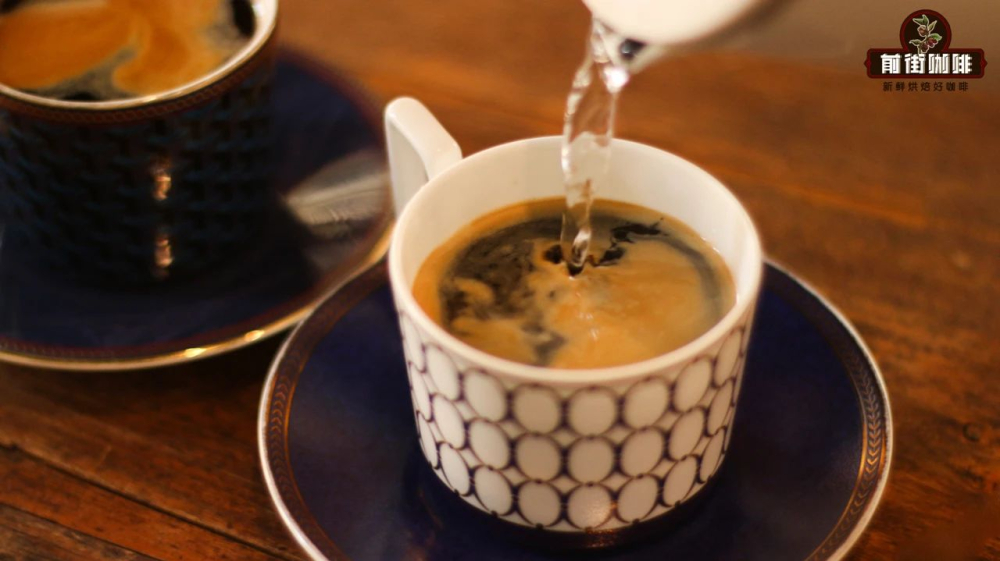
When it comes to Americano, many people’s first thought is of a black coffee without sugar or milk—but this perception isn’t entirely accurate. Black coffee generally refers to any coffee without added sugar or milk, whereas Americano is a type of black coffee made by diluting espresso with hot or cold water. Therefore, Americano is essentially a “diluted espresso.”
As for the origin of Americano, one theory links it to the U.S. military during World War II. At that time, American soldiers stationed in Europe, especially in Italy, were not accustomed to the strong and intense local espresso, so they asked the cooks to add a lot of hot water to the espresso to adjust its strength, making it closer to the taste of beverages back home in the United States. Later, this way of drinking came to be called “Americano,” meaning “the American’s coffee,” and gradually evolved into what we now know as Americano.
After the war, although some American soldiers brought this drinking habit back home, the high price of espresso machines at the time and low public acceptance meant it wasn’t until brands like Starbucks introduced espresso machines and launched a range of coffee products—including Americano—that Americano gained widespread recognition in the market. It also became the starting point for many people’s exploration of coffee culture.
So, how exactly is Americano made? According to dictionary definitions, an Americano refers to a beverage made by adding hot water to espresso. In simple terms, Americano is the result of diluting espresso with water. The preparation of espresso involves quickly extracting extremely finely ground coffee powder under high pressure in a sealed environment to produce a highly concentrated coffee liquid, which is then diluted with hot or cold water according to personal taste to create the familiar Americano.
For those who want to make Americano at home or in a café, choosing the right coffee beans is crucial. It is generally recommended to use blends specifically designed for espresso, as blend beans are usually more cost-effective and can achieve a more balanced and stable flavor through the combination of beans from different regions. Additionally, medium to dark roasts can help avoid overly sharp or thin tastes.
Commonly recommended blends include: a mix of Ethiopian sun-dried red cherry and Honduran sherry cask beans, which deliver rich wine notes, sweet berry acidity, and roasted nut flavors; a blend of Colombian washed and Brazilian semi-washed beans, showcasing layers of nuts, dark chocolate, and caramel; for commercial purposes, blends containing Robusta can also be chosen to enhance the body and intensity of the coffee.
If you prefer using single-origin beans (SOE) to brew Americano, it is recommended to choose beans roasted to a medium level or darker to avoid the excessive sharpness and thinness that can occur with light roasts under fine grinding and high-pressure extraction. For example, Costa Rica’s medium-roast Mozart beans, when extracted as SOE, can exhibit flavors of raisin, floral notes, and sweet berry acidity; Guatemala’s Flower God beans offer gentle fruit acidity, dark chocolate, and a hint of smokiness; while Brazil’s Queen Estate medium-dark roast beans feature characteristics such as roasted nuts, dark chocolate, and caramel aftertaste.
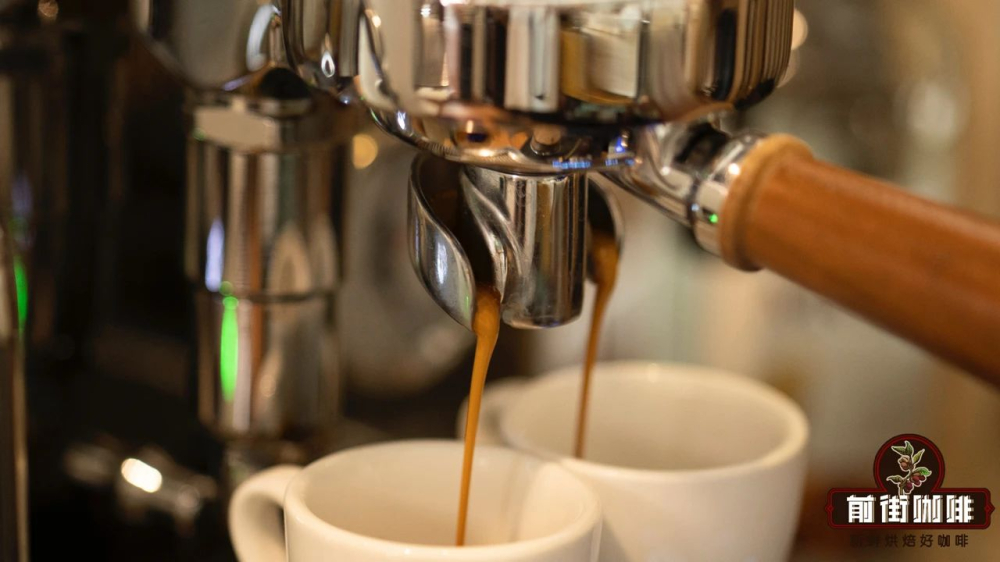
For the actual extraction parameters of SOE Americano, taking Costa Rica’s Mozart beans as an example, it is recommended to use 20 grams of coffee grounds to extract 40 grams of coffee liquid, with a coffee-to-water ratio of 1:2, and extraction time controlled between 26–32 seconds. The grind size can be referenced to Galileo 2.0 settings. These parameters help achieve a rich yet not over-extracted coffee liquid within a reasonable time frame, while maintaining balanced flavors.
In terms of specific operation, start by drying the portafilter basket, then grind double shots of coffee beans using the grinder and precisely weigh out 20 grams using an electronic scale. Next, evenly distribute the coffee grounds in the portafilter using a distribution tool, then apply vertical pressure with a tamper to ensure a compact coffee puck, which aids in stable extraction. Before extraction, run water for 1–2 seconds to wet the group head and remove any residual coffee grounds. After attaching the portafilter to the group head, begin extraction. When the electronic scale shows 40 grams of coffee liquid and the time reaches around 30 seconds, stop the extraction.
Finally, pour the extracted espresso into a cup prepared with 80 grams of ice cubes and 170 grams of room temperature water, gently stir to mix evenly, and your iced Americano is complete. This iced Americano made with Mozart SOE has a refreshing taste, with sweet aromas of raisin, osmanthus, and berries, almost no bitterness, and remains flavorful even as the ice melts—making it perfect for summer enjoyment.

The above content is compiled by CoffeeHunters, a coffee news website.


