







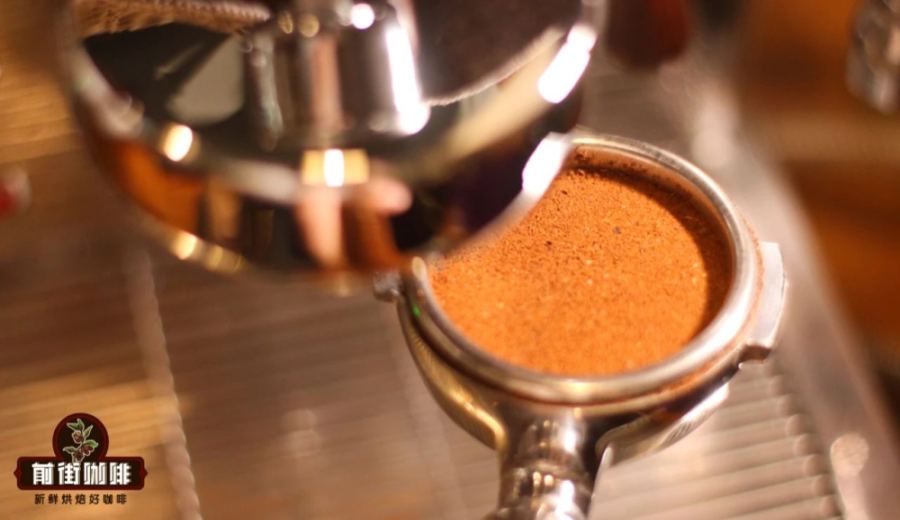
Introduction:To craft an espresso with a golden crema that is rich and aromatic, start with selecting the right coffee beans. This article delves into the key factors that influence crema texture, including freshness, roast level, and bean variety, while also comparing the flavor profiles of common blends and single-origin espressos (SOEs). Practical brewing tips are also provided to help you consistently extract a bold and full-bodied espresso experience at home.
If you’re aiming to brew an espresso at home with a golden crema layer and rich aroma, your first priority is choosing the right coffee beans. From the roast date and bean blend to the extraction method, every step affects the final crema texture and overall flavor. This article will explain in detail how to achieve a stable and layered coffee experience through proper bean selection and extraction parameters.
For a successful espresso, the freshness of the beans is crucial. Freshly roasted coffee beans not only release more complex aromas but also help form a fine and compact crema. It’s worth noting, however, that fresher isn’t always better. Without a 7 to 12-day degassing period, excessive carbon dioxide within the beans may be released too early during extraction, resulting in a crema that appears thick but is actually fragile and prone to dissipation, with flavors that may seem thin and flat.
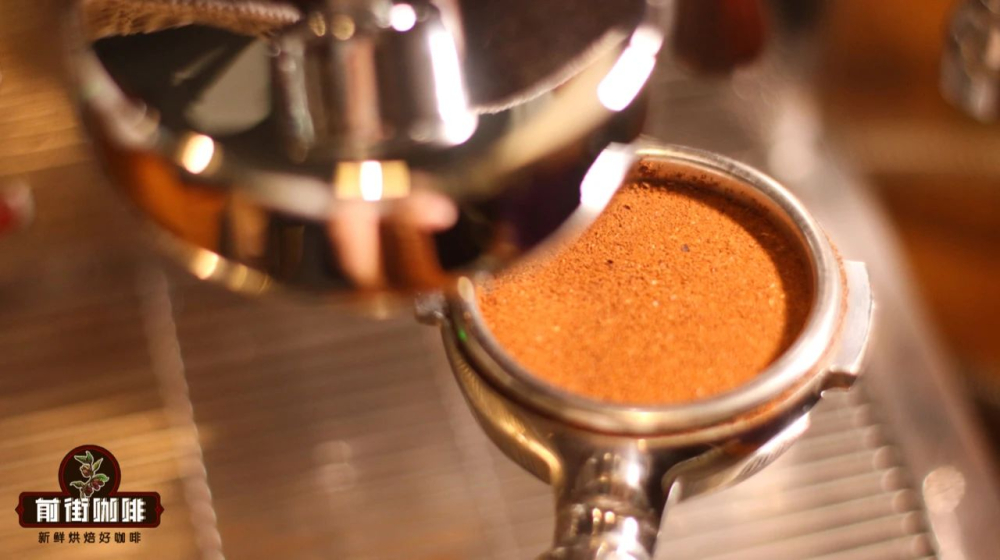
Another key factor influencing crema performance is the coffee variety and roast depth. Common commercial coffee beans mainly include Arabica, Robusta, and the rarer Liberica. Among these, Arabica is typically grown at high altitudes, offering delicate aromas often characterized by floral, fruity, or chocolatey notes; whereas Robusta is generally cultivated at lower altitudes, known for its high yield and strong disease resistance, usually roasted dark to produce a high crema content with bold and intense flavors.
In terms of origin, Arabica beans from the Americas and Asia generally outperform those from Africa in crema performance, which is why they are more commonly used in espresso blends. Additionally, roast level directly affects crema texture—generally speaking, medium-dark to dark roasts bring out a richer crema layer, which is also the typical roast style for espresso beans.
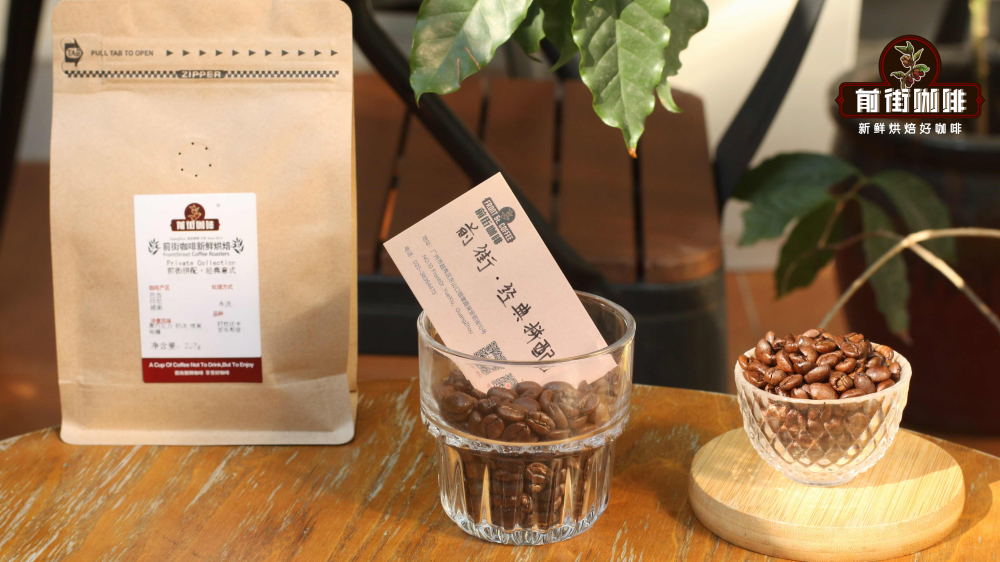
In practical use, blends of Arabica and Robusta are common in classic espresso recipes. For example, using Mandheling and Brazilian beans as the base, complemented by a small amount of Vietnamese Robusta, can create a rich and layered taste with a thick crema, suitable for milk-based drinks like lattes, as well as for everyday home use. Such blends are not only beginner-friendly but also meet daily drinking needs.
Another common combination is the pairing of American and Asian beans, such as Yunnan small-seed variety and Brazilian Red Bourbon. These blends are usually medium-dark roasted, offering balanced flavors with moderate acidity and bitterness, at an affordable price, making them ideal for home users on a budget who still seek consistent performance. During extraction, they emit caramel and nutty aromas, delivering a fresh and clean cup for Americano, or highlighting sweetness when paired with milk.
If you prefer the unique character of a single origin, you can opt for single-origin espressos (SOEs). SOEs emphasize highlighting the terroir characteristics of a specific region, making their profiles clearer compared to blends. For instance, the hand-selected Indonesian Golden Mandheling features complex layers of spice, herbs, dark chocolate, and sandalwood, making it suitable for espresso as well as pour over or moka pot brewing, showcasing diverse extraction styles.
Another noteworthy SOE is the Brazilian Queen Estate bean, whose flavor profile centers around cream, nuts, and caramel, with a hint of maple-like sweetness. When used for espresso, it offers a smooth and mellow mouthfeel, and when combined with milk, it resembles a sweet hot cocoa—perfect for those who enjoy a softer flavor.

The extraction process also impacts the texture and thickness of the crema. To achieve a golden and dense crema, the extraction pressure should ideally be maintained around 9Bar. Some home machines, due to the use of vibration pumps, struggle to maintain stable pressure, which may result in subpar crema performance.
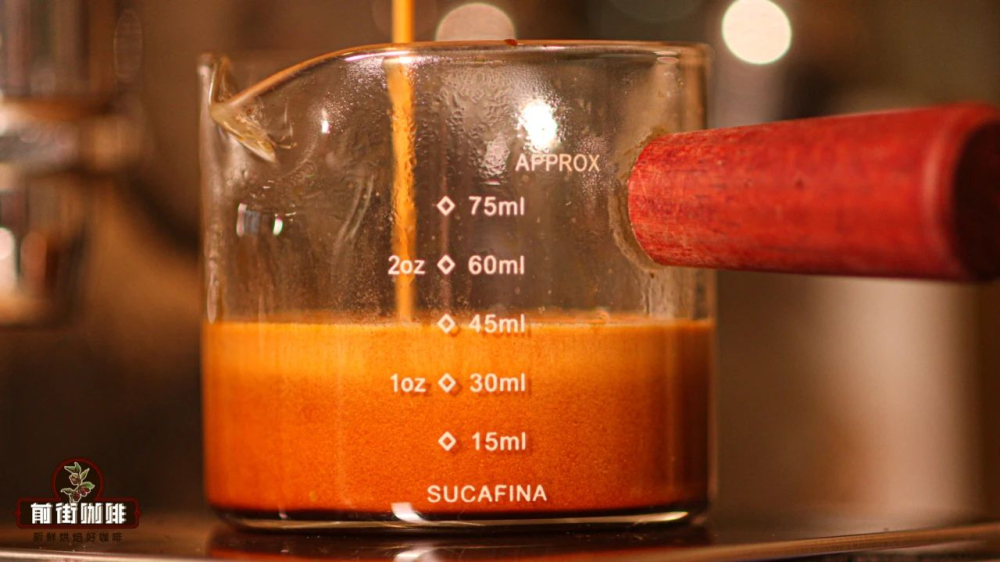
Where hardware conditions allow, the coffee-to-water ratio is also critical. Some mistakenly believe that extending extraction time or increasing the volume of coffee liquid will boost crema quantity, but in reality, the color of the extracted coffee liquid transitions from dark to light—from deep brown initially, gradually to golden, and finally to light yellow. The later-stage liquid tends to have thinner crema, which can negatively affect overall quality. Therefore, it’s recommended to keep the coffee-to-water ratio between 1:1.8 and 1:2, such as extracting about 40 grams of coffee liquid with 20 grams of coffee grounds in approximately 30 seconds, helping to produce a rich and layered espresso.
The above content is compiled by CoffeeHunters, a coffee news website.


