







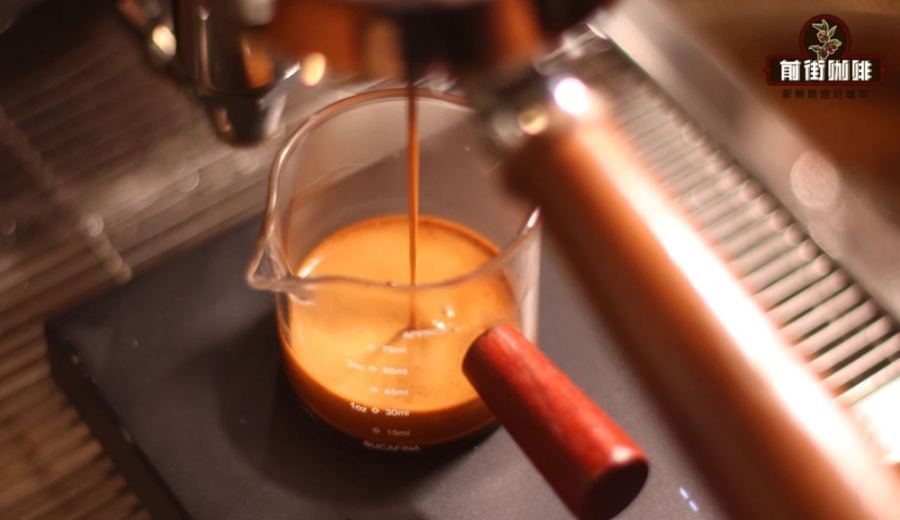
Introduction:Want to brew a delicious cup of Americano at home? The key lies in the extraction and adjustment of your espresso shot. This article provides a detailed breakdown of espresso parameters—including grind size, dose, and yield—and teaches you how to make adjustments based on different coffee bean characteristics. It also explores the health benefits of Americano, such as boosting metabolism and increasing alertness, along with suggestions for moderate consumption, so you can enjoy it both wisely and healthily.
Americano may seem like just hot water mixed with espresso, but it’s actually a refined presentation of overall flavor. Whether it tastes good or not largely depends on the quality of the espresso. Many coffee enthusiasts or home brewers experimenting with pour over and espresso often get stuck on the espresso extraction part—either over-extracted or under-extracted, making adjustments time-consuming and wasteful of beans.
To pull a balanced shot of espresso, we need to master several core parameters: grind size, dose, yield, water temperature, and pressure. Among these, water temperature and pressure are usually fixed by your equipment and don’t require frequent adjustments unless there’s a significant issue. What you’ll mainly need to tweak manually are grind size, dose, and yield—withgrind sizebeing the most critical, as even slight adjustments can significantly improve extraction performance.
For beginners, adjusting grind size might feel a bit abstract, but once you get the hang of it—by observing extraction time and flow rate—you can gradually approach the ideal setting. It’s recommended to start with a medium grind setting, do a test extraction using a standard coffee-to-water ratio, observe where the extraction time lands, and adjust accordingly.
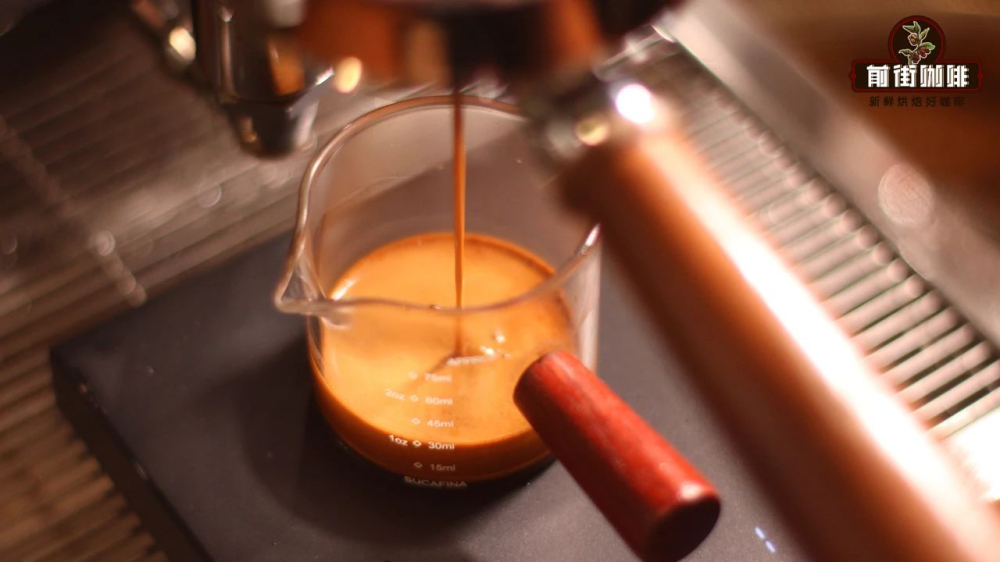
A standard espresso extraction recommends using a 1:2 coffee-to-water ratio. For example, using 20 grams of coffee grounds, aim to extract 40 grams of espresso, with time controlled between 25–30 seconds. You can first visually judge whether the grind is too coarse or too fine, then usetime differencesto fine-tune the grind setting. If the time is too long or too short, gradually adjust the grind size—typically in increments of 0.2–1 notch depending on the difference.
When adjusting, if you’re only a few seconds off your target time, it’s best to fine-tune cautiously—adjust by 0.2 notches at a time. If the difference is large, you can adjust by 0.5–1 notch. Even if the time starts too long and then becomes too short, don’t restart from scratch. First lock in a general range, then gradually narrow down the error. Over time, you’ll develop a feel tailored to your grinder.
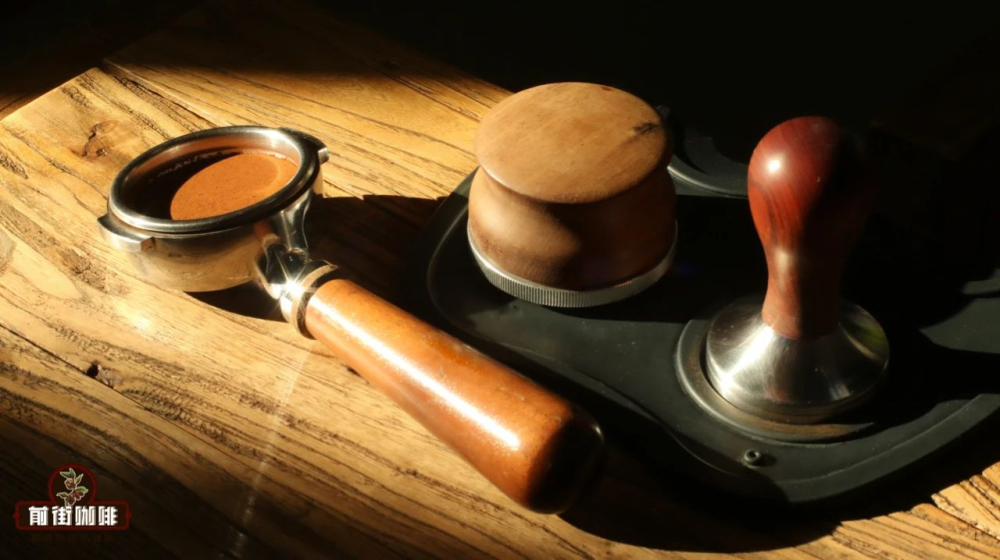
Besides grind size,dosealso affects espresso extraction and flow rate, but the room for adjustment is limited by the design of your portafilter basket. Typically, there’s an indentation line inside the basket, and the height of the compacted coffee puck should be close to but not exceed that line. Increasing or decreasing the dose by 1 gram is usually safe, but making larger changes may cause the puck to be too tightly packed to fit the portafilter, or too loose and fall apart under water—both affecting extraction stability. Therefore, dose adjustments are generally left as a final step for fine-tuning flavor.
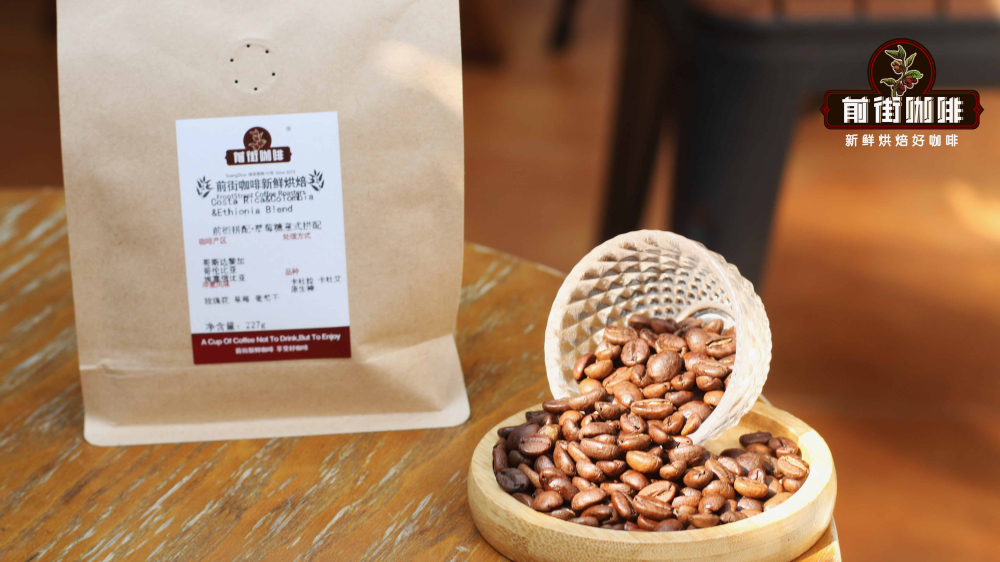
As for coffee bean selection, it also greatly impacts the ease of adjustment and the final flavor. For instance, using a medium-to-dark roast blend often brings out caramel, nutty, and chocolatey notes, making it suitable for those who prefer less acidity and richer flavors. But if you’re sensitive to bitterness, opt for a lighter roast blend with fruity and floral characteristics—commonly found in Ethiopian or Central American origins—which can highlight bright berry and citrus aromas, making your Americano taste more refreshing and layered.
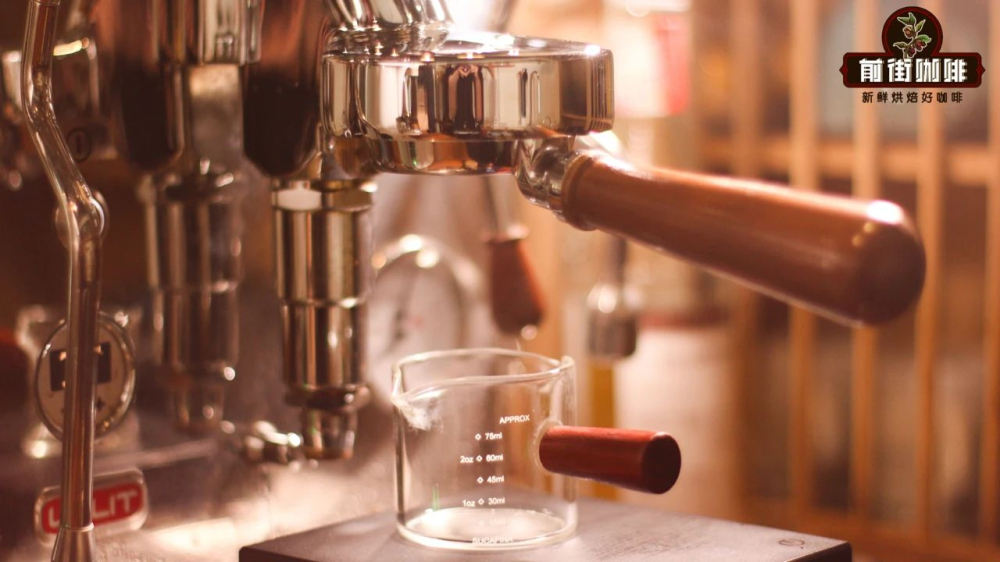
In practice, it’s recommended to start with a 1:2 coffee-to-water ratio and an extraction time of 25–30 seconds—for example, using 20 grams of coffee to extract 40 grams of espresso. After brewing, adjust the parameters based on flavor: if you notice pronounced burnt bitterness or astringency, it’s likely due to over-extraction, so consider coarsening the grind. If the taste is weak or lacks complexity, it may be under-extracted or ground too coarse—try slightly fining the grind or extending the extraction time.
If you want a richer espresso flavor, you can also try adjusting the ratio to 1:2.5—that is, 20 grams of coffee to 50 grams of espresso—to extract more flavor compounds. This is ideal for making iced or milk-based Americanos, bringing out more layers of sweetness and aftertaste.
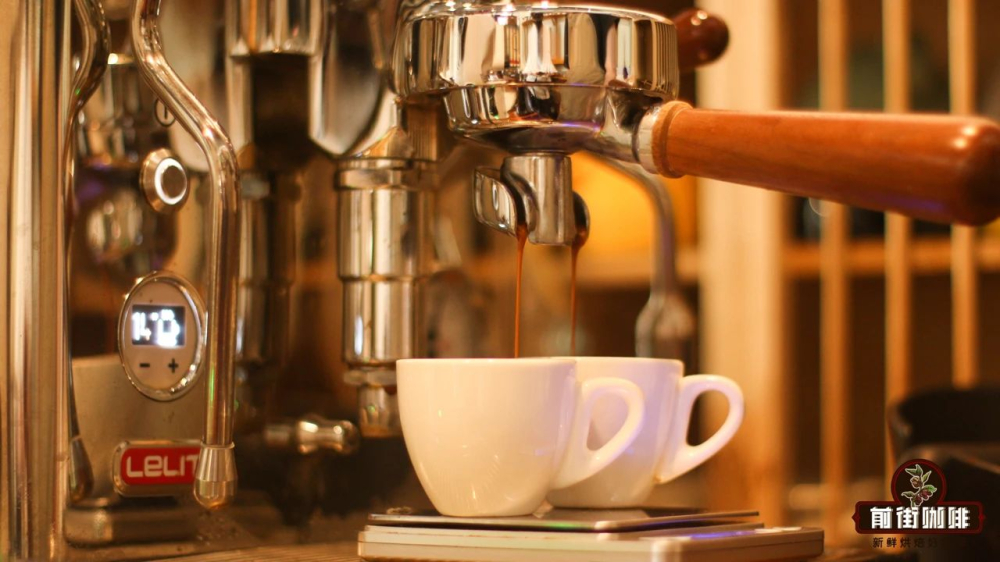
Once you’ve dialed in a satisfying espresso, simply pour it into a cup with ice or hot water to create a classic Americano. Dilute with hot water for a traditional hot Americano—refreshing and energizing; add ice for a cooling iced Americano, perfect for summer.
Beyond flavor variety, Americano also offers multiple health benefits. Since coffee contains caffeine, it helps boost metabolism and increase alertness, aiding in fatigue relief. Studies show that drinking 1–2 cups of Americano daily not only stimulates digestion and gut motility, but also reduces the risk of caffeine dependency—allowing you to enjoy coffee while maintaining physical and mental well-being.

In summary, making a great-tasting Americano hinges on fine-tuning the espresso extraction parameters—especially the combination of grind size, dose, and yield. With a grasp of the basics, plus hands-on practice and incremental adjustments, even beginners can brew professional-grade espresso at home and tailor their Americano to their personal taste preferences.
The above content is compiled by CoffeeHunters, a coffee news website.


