







Introduction:The flavor presentation of pour over coffee is closely related to the type of filter used. Paper filters yield a clean cup with a bright and refreshing taste, while cloth filters retain more oils, resulting in a richer and smoother experience. This article delves into a comparison between these two types of filters in terms of extraction efficiency, historical background, brewing techniques, suitable bean types, and daily maintenance. It also analyzes the challenges of using cloth filters with light roast beans, helping you make the best choice based on your preferences.
In the world of pour over coffee, the choice of filter not only affects the convenience of brewing but also directly influences the final flavor profile. Common paper filters have strong solid particle and oil retention capabilities, ensuring a clear and sediment-free cup with a distinct and straightforward flavor. Cloth filters, on the other hand, due to their unique material properties, allow natural coffee oils to pass through, delivering a richer taste and silkier texture.
One customer once shared that when tasting a Mandheling coffee, he noticed a pronounced "clean" quality but lacked a sense of body from the oils, making the overall flavor feel thin. This reminded him of his experience in Japan, where a layer of glossy oils floated on the surface, giving the coffee a fuller mouthfeel. This difference wasn’t solely due to brewing technique but rather the inherent characteristics of the filter itself.
Most pour over enthusiasts commonly use paper filters, which are highly effective at intercepting coffee grounds and the vast majority of oils, ensuring a clear and residue-free brew with a crisp and direct flavor profile. If one wishes to retain more oils, a less restrictive filtration material—such as cloth or metal filters—is needed. However, metal filters tend to have larger holes that can let fine coffee particles pass through, affecting the purity of the taste, which is why they are less commonly used.
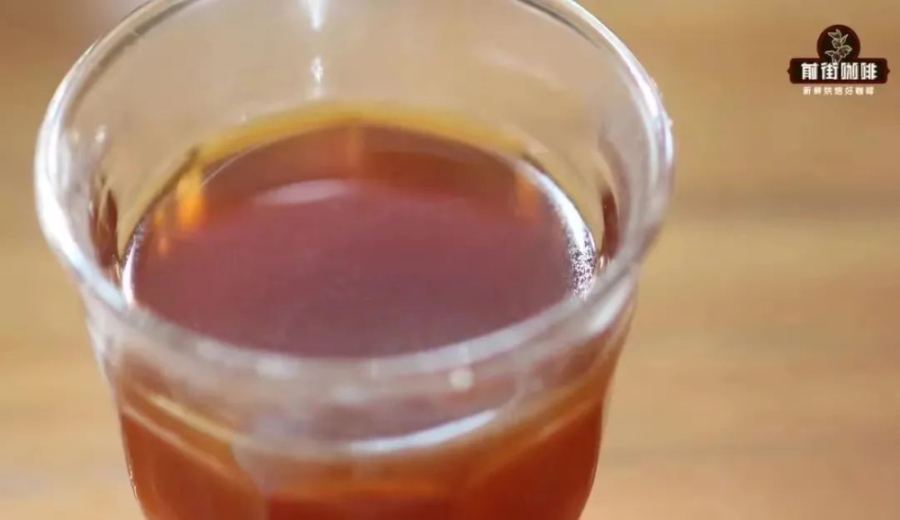
The structure of cloth filters features one cotton side and one felted side, with fiber gaps designed just right to completely block coffee grounds while allowing oils to naturally seep through. Brewing with a cloth filter not only preserves the aromatic oils in the coffee but also imparts a smooth, full-bodied, and rich mouthfeel, making it the top choice for brewers seeking complexity and silkiness.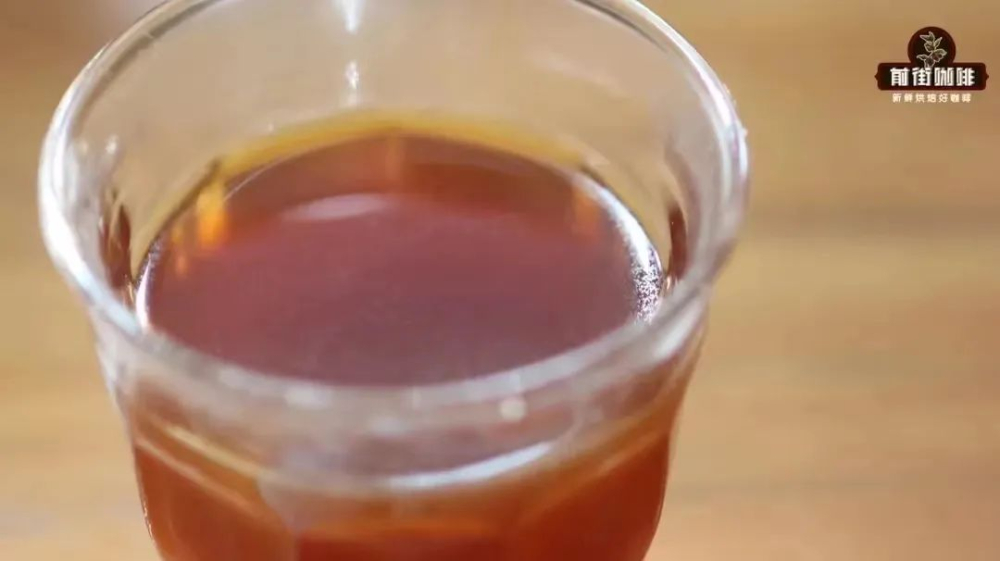
The history of cloth filter use dates back to 18th-century Europe, where people would boil coffee grounds with water and then strain out the grounds using a cloth filter. With the rise of pour over coffee, this method was introduced to Japan and gained popularity among local consumers who preferred a clean yet full-bodied taste. Compared to the paper filters of the time, cloth filters not only offered a better taste experience but also had the economic advantage of being reusable. For a time, they became a trend in East Asia, and even today, many coffee shops in Japan still stick to using them.
However, the prevalence of cloth filters has significantly declined, primarily due to several notable limitations. First, the pores of cloth filters are much larger than those of paper filters, causing a noticeably faster drawdown speed. Additionally, the entire surface of the cloth allows water to pass through, so the higher the water level, the quicker the flow escapes. Therefore, when brewing with a cloth filter, it’s usually necessary to use a larger coffee dose and focus the fine stream of water at the center of the coffee bed to prevent rapid loss of water from the edges.
The biggest difference between paper filters and cloth filters lies in the extraction method: paper filters allow water to dwell longer in the coffee bed, creating an immersion-like extraction effect, whereas cloth filters provide full filtration throughout the process with relatively weaker water retention. When brewing dark roast coffee, a slower pace and longer extraction help fully release the coffee’s bitter-sweetness and intense flavors. But applying the same technique to light roast beans can easily dull their inherent bright acidity, making the flavor heavier—akin to black tea or fruit sugar notes—which masks the lively character that light roasts should exhibit.
Even if one adopts a paper filter-like brewing approach—adjusting grind size to slow down the drawdown—the resulting flavor may still lean toward a tea-like profile, lacking sufficient acidity and failing to achieve ideal clarity. In today’s era of increasingly popular light roasts, these limitations of cloth filters make it hard for their advantages to shine, instead highlighting the narrow scope of their suitability.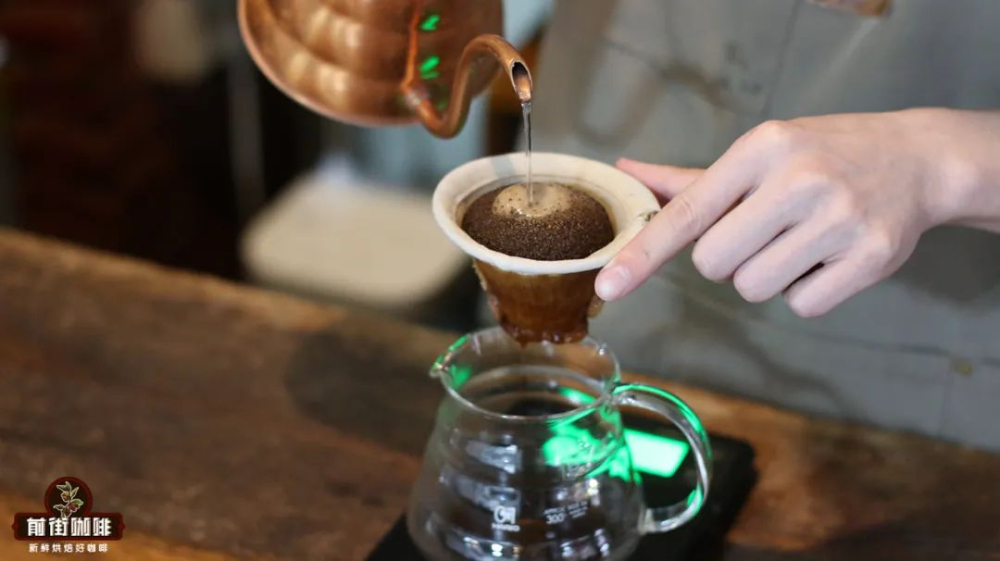
Beyond differences in flavor expression, the brewing techniques for cloth filters also differ significantly from those for paper filters. Using a cloth filter requires learning an entirely new set of dedicated procedures, demanding higher brewing experience and tactile skill. It’s also difficult to achieve precise control relying solely on numerical parameters, which undoubtedly raises the learning curve for modern baristas accustomed to data-driven guidance.
Additionally, the storage of cloth filters presents another challenge. Although the initial purchase cost is higher, a cloth filter can be reused multiple times with proper care. However, cloth filters should not be stored dry, as dried fibers are prone to damage. It’s recommended to thoroughly wash the filter after each use, soak it in clean water, and then store it sealed in the refrigerator to prevent bacterial growth. But as usage increases, coffee stains tend to accumulate on the surface, gradually yellowing it—not only affecting appearance but also potentially leading to hygiene concerns and flavor contamination. Therefore, regular replacement and proper maintenance are essential.
The above content is compiled by CoffeeHunters, a coffee news website.


