







Introduction:Did you know that Mandheling is not actually a place of origin or a coffee variety? This coffee name, stemming from a WWII misunderstanding, holds an intriguing history behind it. This article takes you deep into the orthodox definition of Mandheling, the differences between its two core regions—Lintong and Aceh—the secrets to identifying Golden Mandheling, and provides professional-level pour over parameters and steps, helping you easily master the brewing essentials of this classic Sumatran coffee.
When it comes to Mandheling, many coffee enthusiasts are no strangers to it. This Indonesian-origin coffee bean is renowned for its rich and bold flavor. However, what you may not know is that the name “Mandheling” does not come from a place or a variety, but rather from a misunderstanding during World War II. Back then, a Japanese soldier asked an Indonesian café owner about the name of the coffee, but due to a language mix-up, this classic term was born. Over time, Mandheling has not only become a popular choice in the market but also a classic in the hearts of many coffee lovers.
According to the strict definition, only Arabica coffee beans produced in the northern region of Sumatra, Indonesia, qualify to be called “Mandheling.” In other words, Robusta from southern Sumatra or coffee produced on other islands such as Java or Sulawesi cannot bear this name. Therefore, when you see coffee beans labeled as “Mandheling,” you can first confirm whether their origin is from North Sumatra.
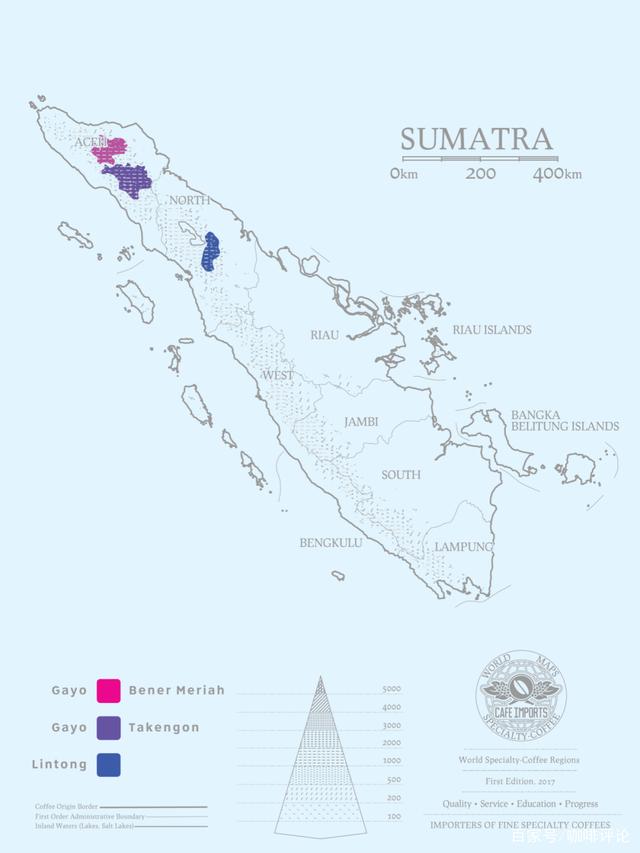
In North Sumatra, there are two main premium producing regions for Mandheling: the Lintong region centered around Lake Toba, and the Aceh region centered around Lake Tawar. As a historically traditional producing area, Lintong has an elevation range of 1000 to 1500 meters. The numerous volcanoes in the region enrich the soil with nutrients, resulting in Mandheling beans with intense chocolate and nutty aromas, along with a hint of unique herbal notes—making it one of the representatives that embody the classic flavor of Mandheling.
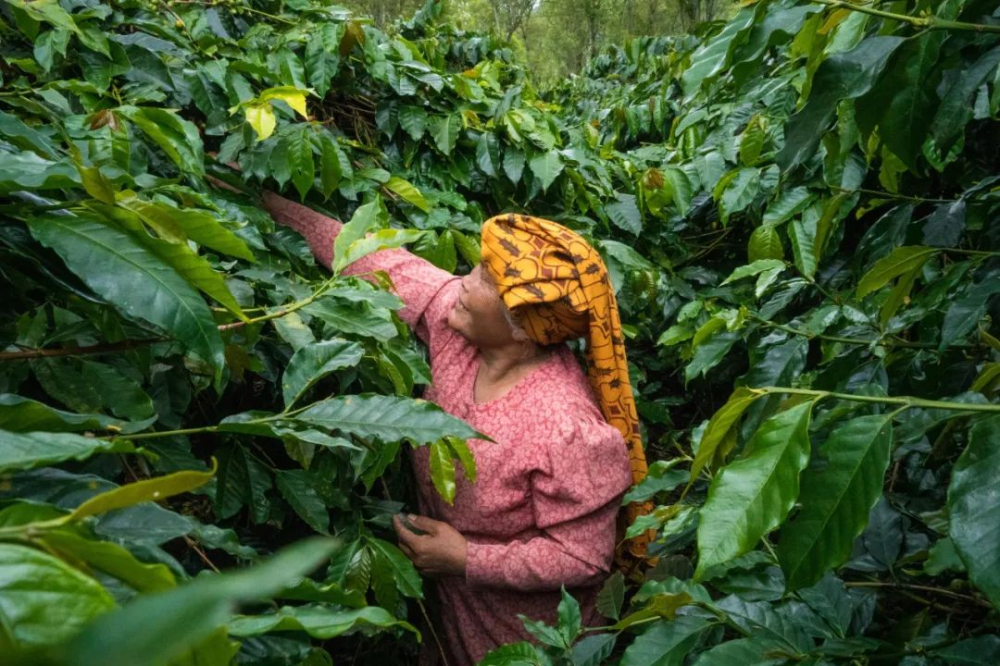
The Aceh region is located at the northernmost tip of Sumatra. In the past, political factors limited coffee production and sales here, and it was only after the situation stabilized in 2005 that it gradually re-emerged in the market. The coffee here is mainly distributed around Mount Gayo, including the towns of Takegon and the slopes of Lake Tawar, with planting elevations reaching 1100 to 1600 meters—an area considered a high-altitude premium producing zone. It’s worth mentioning that the well-known “Ateng” variety in the Aceh region is actually the local Indonesian term for Catimor, which offers good adaptability and flavor potential.
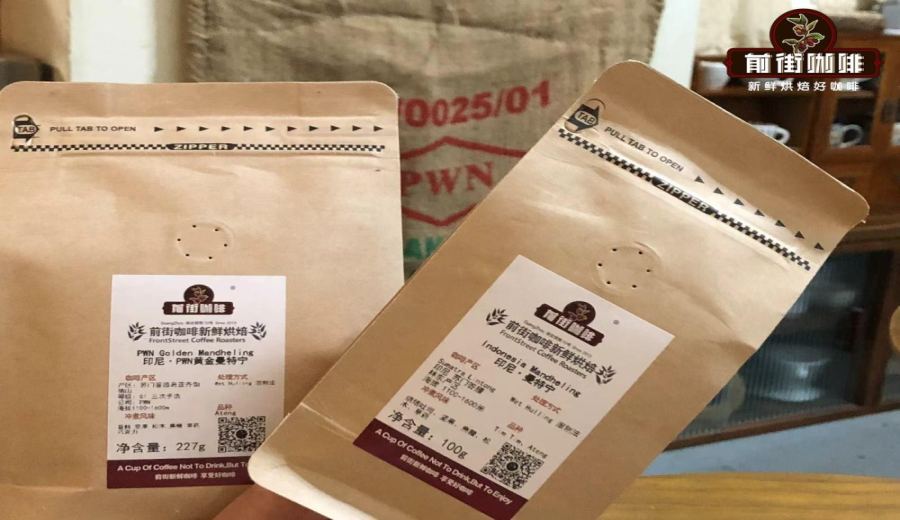
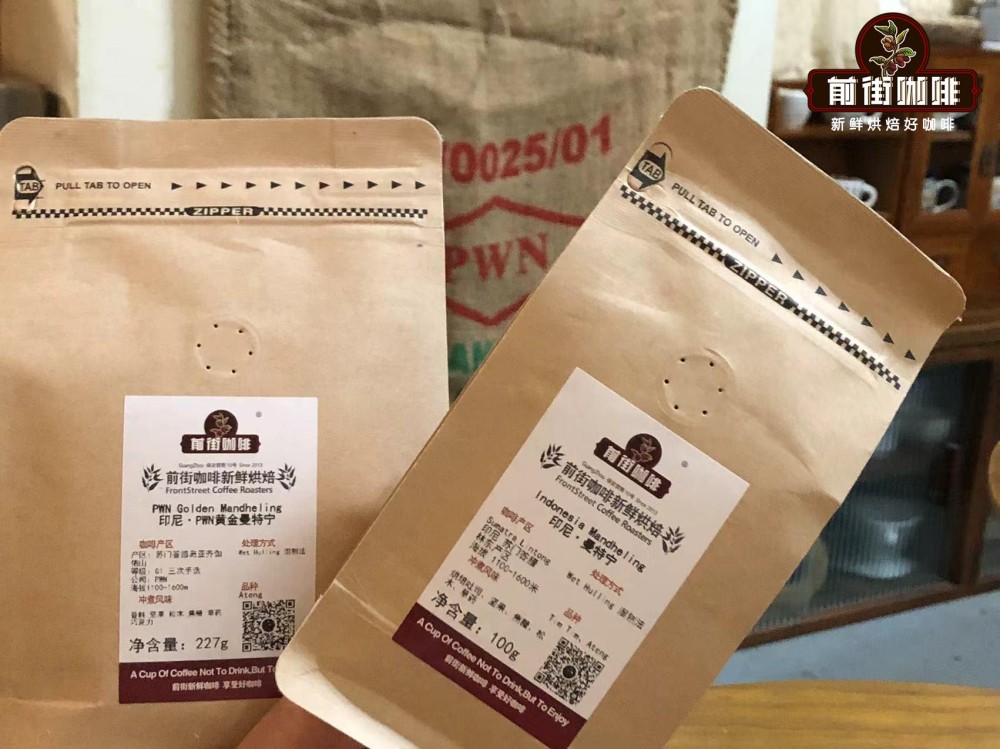
Among them, Golden Mandheling produced by PWN is a flagship offering from the Aceh region. After processing, these green beans undergo three rounds of manual sorting to ensure each bean is large, plump, and has an extremely low defect rate. In sunlight, these beans exhibit a natural golden sheen, hence the name. For this reason, Golden Mandheling generally boasts higher quality and pricing compared to regular Mandheling. On the market, it’s not uncommon for dishonest merchants to pass off G1 grade Mandheling as Golden Mandheling. Consumers can verify authenticity by requesting to see the gunny sack and PWN certification number.
To fully showcase the richness and layered profile of Mandheling, the correct brewing method is crucial. For dark-roasted Mandheling beans, it is recommended to use a Kono filter to enhance the bold body; if a Kono is unavailable, a V60 is also a good alternative. It is advised to use beans freshly roasted around 4 to 7 days prior, to fully express their flavor characteristics.
In terms of grind size, Mandheling is recommended to be slightly coarser than light-roast beans. As Golden Mandheling is a dark roast with a more porous bean structure, grinding too finely can lead to burnt and bitter notes. A 20-number sieve is recommended, with a passing rate controlled at around 70%. For water temperature, it is suggested to set it between 87 to 88°C to avoid over-extraction caused by excessively high temperatures. The coffee-to-water ratio can be 1:15, which balances strength and aftertaste. If you prefer a stronger expression, slight adjustments can be made, but care should be taken to manage any off-flavors in the later brew stages.
For pour over, a three-stage pouring method is recommended: the first stage involves pouring 30ml of hot water for blooming to help the coffee grounds degas; the second stage involves pouring 100ml to bring out the golden crema and main body flavors; and the final stage consists of a 95ml center pour to enhance sweetness and body, allowing the overall flavor to present an enticing layering of chocolate, nuts, and caramel.
The above content is compiled by CoffeeHunters, a coffee news website.


