







Introduction:Have you ever encountered leftover coffee beans that have been sitting around for a while and wondered if they’re still drinkable? This article delves into how to judge the freshness of coffee beans, the common reasons behind their staleness, and how to adjust your pour over parameters to salvage their flavor. It also offers practical suggestions for repurposing expired beans — from deodorizing and cleaning to plant fertilizer — teaching you how to handle leftover coffee beans wisely and avoid waste.
Are coffee beans still drinkable after being stored for a long time? Why does their flavor deteriorate so noticeably? These are questions many coffee enthusiasts have faced. This article will guide you through the key indicators of coffee bean freshness, analyze the underlying causes of flavor decline, and provide useful storage tips along with a recommended consumption window. More importantly, we’ll teach you how to adjust your pour over brewing technique based on the condition of the beans, so you can still achieve a better taste even when the beans are no longer at their freshest. We’ll also share eco-friendly ways to reuse expired coffee beans.
It’s often said: “How can someone who truly loves coffee let their beans go stale?” Yet in reality, it’s not uncommon to end up with beans past their prime due to bulk purchases during promotions or a temporary break from coffee drinking caused by a busy schedule. So, are these seemingly “expired” coffee beans really undrinkable?
The allure of freshly roasted coffee lies in its rich aroma and layered complexity. Over time, the carbon dioxide within the beans gradually dissipates, and so does the aroma. When most of the CO₂ has escaped, the coffee beans are considered to have entered a “stale” state. At this point, pour over brews often turn out weak and flavorless — a far cry from how they tasted when freshly roasted. Generally speaking, around 60 days after roasting is seen as the upper limit for optimal flavor. For more discerning drinkers, beans may start to taste “not fresh” after just 30 days. Practical tests have shown that, under good storage conditions — properly sealed, protected from light, and kept dry — most coffee beans can maintain a decent flavor profile even 40–50 days after roasting without obvious signs of staleness. However, once the bag is opened and not resealed promptly, flavor loss can begin to set in around 30 days later. Signs such as the coffee grounds no longer expanding during blooming are red flags that the beans are no longer fresh.
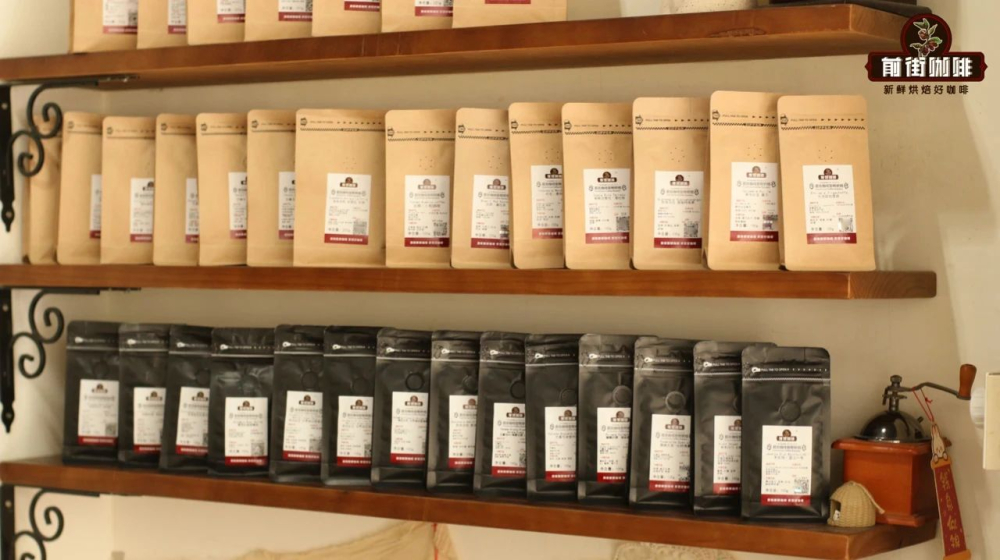
It’s worth emphasizing that although loss of freshness significantly impacts flavor, from a food safety perspective, the beans are still safe to drink. The typical shelf life of roasted coffee beans is about one year, during which they remain safe for consumption. Of course, we can’t restore them to their just-roasted state, but by adjusting your pour over extraction parameters, you can still improve the taste and make the coffee more palatable.
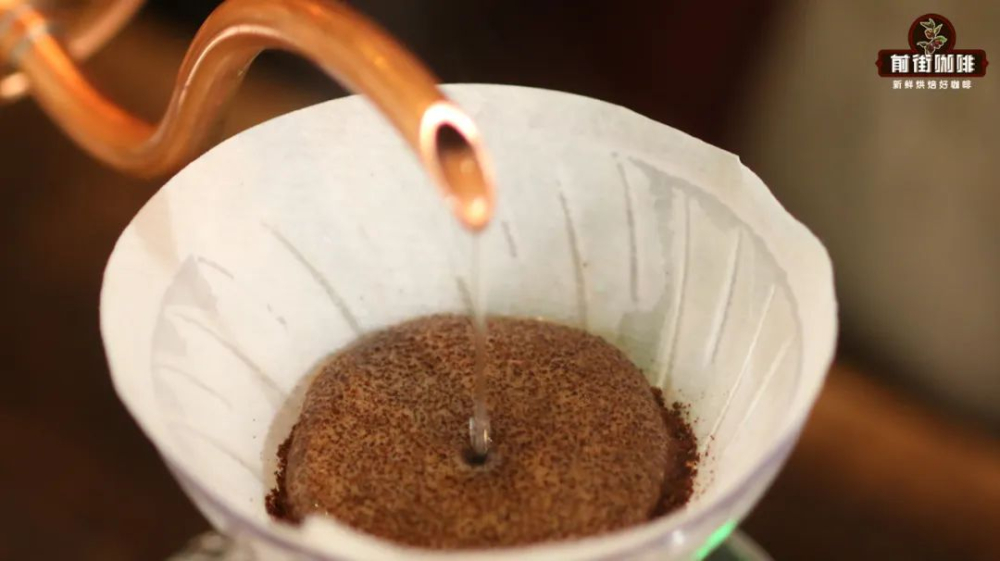
One of the most noticeable changes when coffee beans are no longer fresh is the almost complete lack of expansion in the coffee bed during the blooming phase, with little to no reaction after pouring water. Many people skip blooming altogether in such cases, assuming it’s merely a step for gas release. However, the correct understanding is that blooming not only helps expel carbon dioxide but, more importantly, ensures that all coffee grounds — both the outer layer and inner core — are thoroughly saturated. When gases are released from the coffee particles, the spaces between them widen, helping slow down the flow rate and giving the water more time to penetrate the core.
In contrast, stale coffee beans, lacking gas release, allow water to quickly pass through the gaps between particles and flow directly into the bottom chamber, preventing proper saturation of the inner grounds. As a result, the brewed coffee ends up thin and lacking complexity. Additionally, subsequent pours lack the gas-supported structure to form a stable foam, leading to thinner crema. Coffee grounds are also more prone to settling and clogging the bottom of the filter, causing over-extraction and resulting in unwanted bitterness and off-flavors.
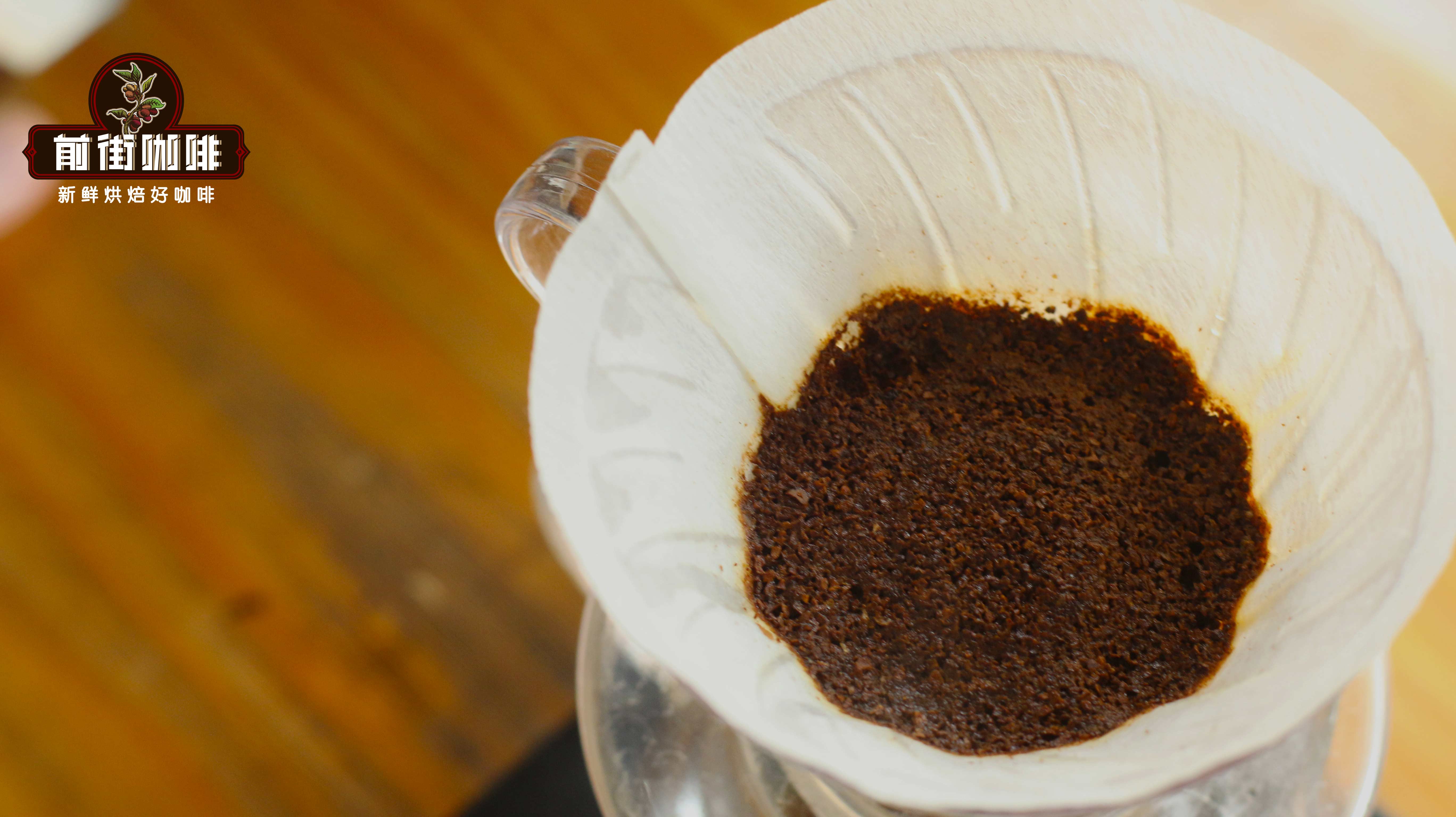
To address this, we can optimize extraction by adjusting the following pour over parameters: First, it’s recommended to grind slightly coarser than usual — for example, if you normally use setting 10 on an EK grinder, try 10.5. This helps reduce the bitterness and harshness that can result from excessive channeling or clogging. Second, during the blooming phase, use a finer stream of water and extend the pouring time. For instance, with 15 grams of coffee, when pouring 30 milliliters of water, aim to take about 13 seconds, then let it rest for 5 to 7 seconds, keeping the total blooming time around 20 seconds. This ensures the coffee grounds are evenly wetted. Even without obvious expansion, this improves extraction efficiency in the subsequent steps.
During subsequent pouring, also be mindful not to make the circular motion too wide, as this could disturb the already unstable coffee bed and cause it to sink, further destabilizing the flow. At the same time, avoid pouring at too high a water level, because stale coffee grounds have lower activity and tend to settle faster. If the water level is too high and lacks sufficient support from the coffee bed, the water may simply flow down along the filter cone, leading to under-extraction and negatively impacting the overall flavor.
While these adjustments won’t fully restore the flavors lost due to staleness, they can compensate based on actual brewing conditions, resulting in a more balanced cup. However, if the coffee beans are past their expiration date, it’s not advisable to try salvaging them through pour over adjustments alone. In such cases, it’s better to repurpose them for other environmentally friendly uses.
First, coffee grounds are a highly practical deodorizing material. Placing them in an ashtray not only absorbs the smell of smoke but also imparts a mild coffee aroma, helping cigarette butts extinguish more quickly — a method used by many coffee shops. Additionally, if your oven develops greasy or unpleasant odors after some use, placing coffee grounds on a tray and baking them can help eliminate lingering smells. For households with pets, sprinkling some coffee grounds after cleaning up pet waste can also effectively reduce odor.
Secondly, coffee grounds also offer cleaning benefits. Wrapping freshly ground coffee in a cloth can help scrub stovetops and pot lids to remove stubborn stains. Likewise, using expired coffee water (once boiled) to wipe down sinks or clean toilet pipes can also deliver decent cleaning and deodorizing results.
Lastly, coffee beans are naturally rich in nutrients that plants need. Expired coffee beans, once properly ground, can be directly added to flower pots as a natural fertilizer. They not only provide nourishment but also help prevent bad odors. If you spread the coffee grounds around the base of plants, they can also act as a natural pest repellent — an eco-friendly and practical way to reuse them.
The above content is compiled by CoffeeHunters, a coffee news website.


