








Introduction:The moka pot is an economical choice for many home enthusiasts looking to replicate the flavor of espresso, but its extraction principle differs significantly from that of professional coffee machines. This article delves into the workings of the moka pot, the correct operation procedures and safety precautions, and recommends suitable types of coffee beans and roast levels based on different flavor preferences. It helps readers brew rich, balanced espresso with ample crema and without excessive bitterness using a moka pot.
Thanks to its affordable price and ability to produce strong, flavorful coffee, the moka pot has become the go-to brewing device for many at-home espresso enthusiasts. However, since its extraction pressure is much lower than that of professional-grade machines, many wonder: can the coffee brewed with a moka pot still be called 'espresso'? Moreover, what kind of coffee beans should you choose to avoid bitterness while still extracting rich crema? This article will explore the structural principles, operation steps, and safety essentials, and introduce several coffee bean options suited for moka pot use based on different taste preferences—helping you easily brew your ideal cup.
As coffee culture becomes more widespread, an increasing number of consumers hope to enjoy high-quality coffee experiences similar to those in cafés within their own homes. However, due to time and budget constraints, not everyone can grab a freshly ground coffee to go every day. As a result, purchasing a coffee machine or a moka pot has become a popular solution. This is especially true for those who have experienced the unique wine-like aroma and bold flavors of espresso in cafés and wish to recreate a similar experience at home.
If the budget allows, investing in a professional espresso machine is naturally the top choice, but for most home users, the moka pot stands out as a more practical option due to its low cost and relatively easy operation. Typically priced in the range of a few hundred yuan, the moka pot can brew strongly flavored coffee with simple ease. However, many users still face one question: which type of coffee beans should I choose? And how do I adjust the parameters to brew coffee that is neither bitter nor astringent, yet rich in crema? Even more fundamentally, can the coffee made with a moka pot truly be called espresso?
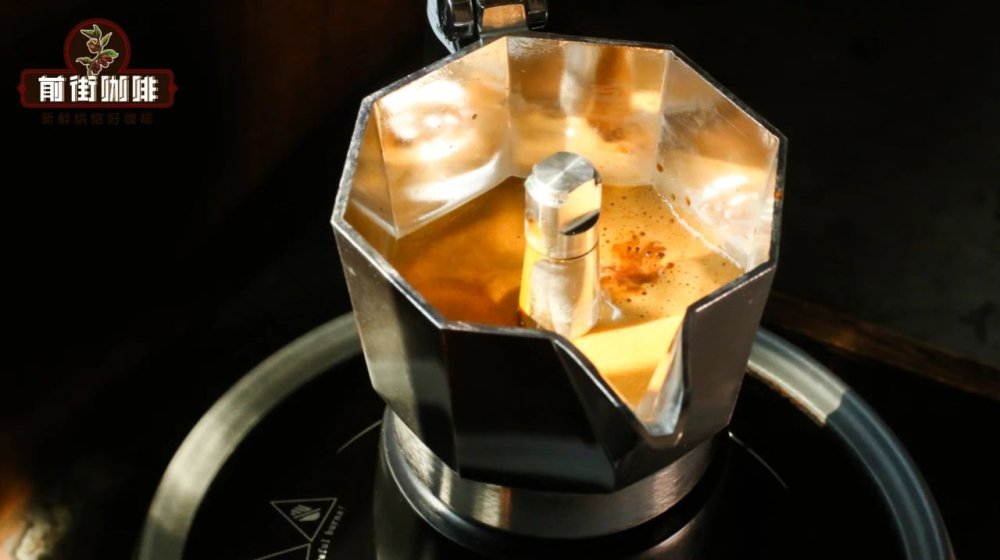
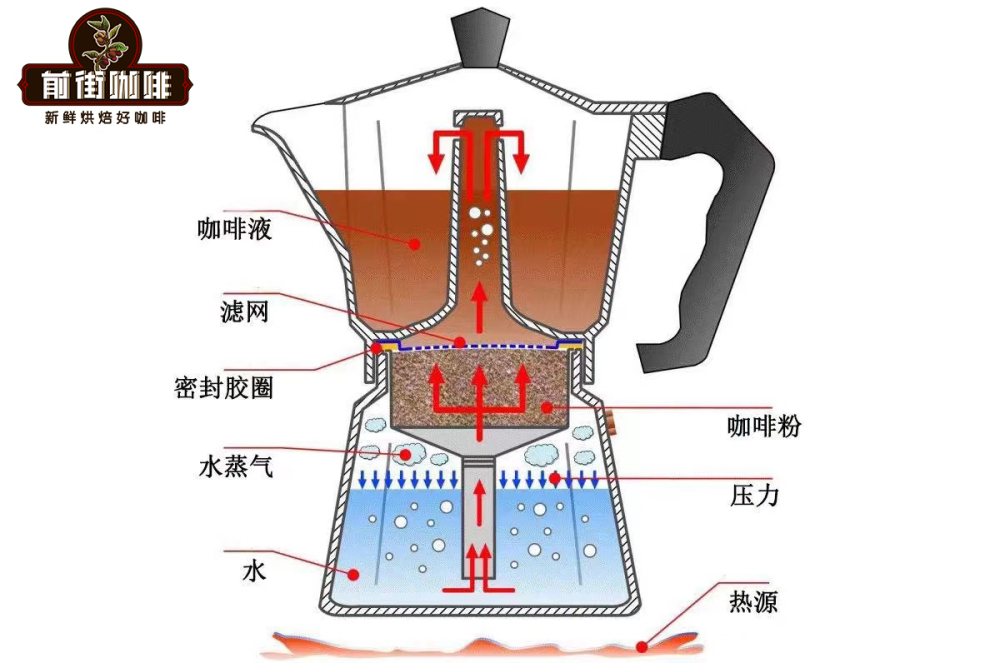
The history of the moka pot dates back to the 1930s, when it was invented by Italian aluminum craftsman Alfonso Bialetti, who had spent many years in France. Inspired by his home washing machine, he applied the principles of metal heating and steam to coffee making, creating this classic brewing device. The moka pot mainly consists of three parts: the upper chamber, the middle chamber (coffee grounds basket), and the lower chamber. During use, water is poured into the lower chamber, finely ground coffee is placed in the basket, and as heat is applied, steam generates pressure that forces the hot water through the coffee layer, eventually collecting in the upper chamber as a concentrated liquid rich in coffee oils.
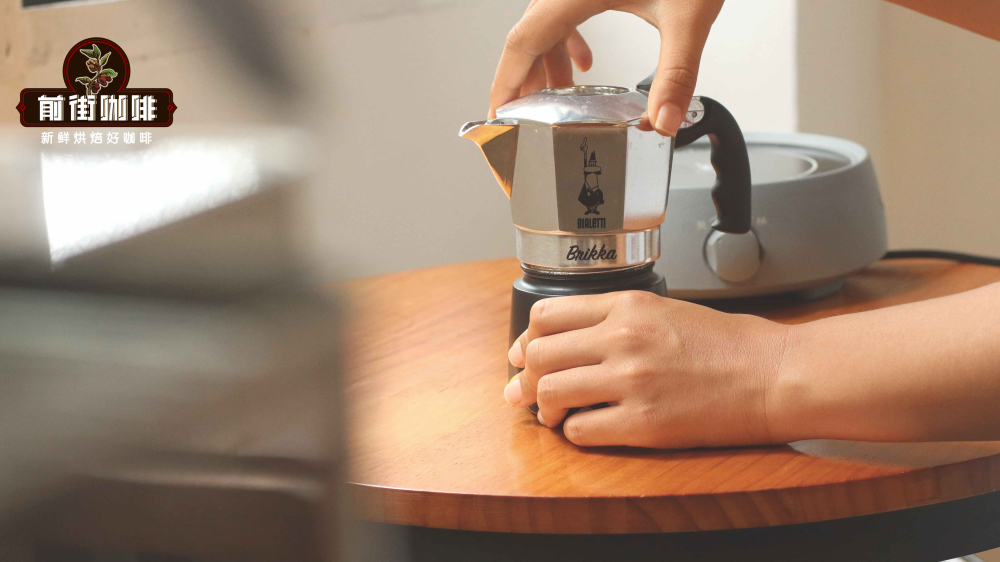
In terms of specific operation, start by pouring an appropriate amount of hot water into the lower chamber. Be sure the water level does not exceed the safety valve; it is recommended to keep it about 0.5 cm below the valve. Next, evenly fill the coffee grounds basket with finely ground coffee, between 0.3 mm and 0.55 mm in particle size, without tamping it down too firmly. Place the basket into the lower chamber, then securely attach the upper chamber. Once heating begins, as soon as you hear a distinct “wuu wuu” sound and see coffee beginning to emerge, you should immediately turn off the heat source. It’s important to note that the moka pot is a pressurized brewing device, which carries certain risks during use, so always stay alert and mindful of your surroundings.
If you notice the coffee rising too quickly, it often means the coffee grounds are too coarse, allowing water to flow too smoothly and resulting in under-extraction. Conversely, if no liquid flows out after some time of heating, it is advisable to stop heating immediately to prevent overheating and abnormal pressure buildup. Many first-time users may affect the final flavor due to improper grind size or coffee-to-water ratio, so it’s recommended to conduct multiple tests to gradually find the parameter combination that best suits your taste.
When it comes to choosing coffee beans, because the moka pot's characteristics are closer to the logic of making espresso, it is recommended to use stable espresso blends or single-origin beans with medium to dark roasts. If you prefer coffee with rich crema and intense aroma, consider classic espresso blends—for example, those combining beans from various regions—that can still deliver a bold and full-bodied flavor even under the conditions of a home moka pot.
For users who enjoy fruity flavor profiles, it is recommended to try blends based on honey-processed beans. These coffees often feature pronounced berry or sweet notes, which can bring more layers and a better acid-sweet balance to moka pot extractions. Additionally, if you prefer single-origin beans, selecting varieties with thicker mucilage layers and higher sugar content—such as sun-dried Yellow Bourbon—can, under the pressurized extraction of a moka pot, exhibit a fuller body and more pronounced natural sweetness.
One common question is: can the coffee brewed with a moka pot be considered equivalent to the espresso made by professional machines? The answer is no. Professional espresso machines typically extract at pressures of 9 bar or higher, effectively drawing out the coffee’s oils and delicate flavors while forming a thick crema layer. In contrast, the moka pot operates at around 1.5 bar of pressure, and its metal filter has larger holes, resulting in noticeably less crema and a relatively lighter-bodied coffee liquid. Therefore, although the moka pot can produce strongly flavored coffee, it is essentially a type of 'strong coffee' with an espresso-like character, rather than true espresso in the strictest sense.
The above content is compiled by CoffeeHunters, a coffee news website.


