








Introduction:Espresso is the soul of Italian coffee, with its intense flavor and golden crema always captivating. This article delves into the core elements of espresso, including the science behind crema formation, the high-concentration extraction process, and detailed explanations of key parameters such as dose, yield, and extraction time. Whether you're new to coffee or an enthusiast looking to refine your home brewing skills, you'll learn how to consistently make a qualified shot of espresso.
Espresso is a concentrated coffee extracted in an extremely short time under high pressure and high temperature from finely ground coffee. Its most distinctive feature is the thin, golden layer of fine bubbles that forms on the surface—the crema. This layer is not only a visual delight but also a crucial indicator of the coffee’s freshness and the success of the extraction.
Before diving deeper, you can first observe 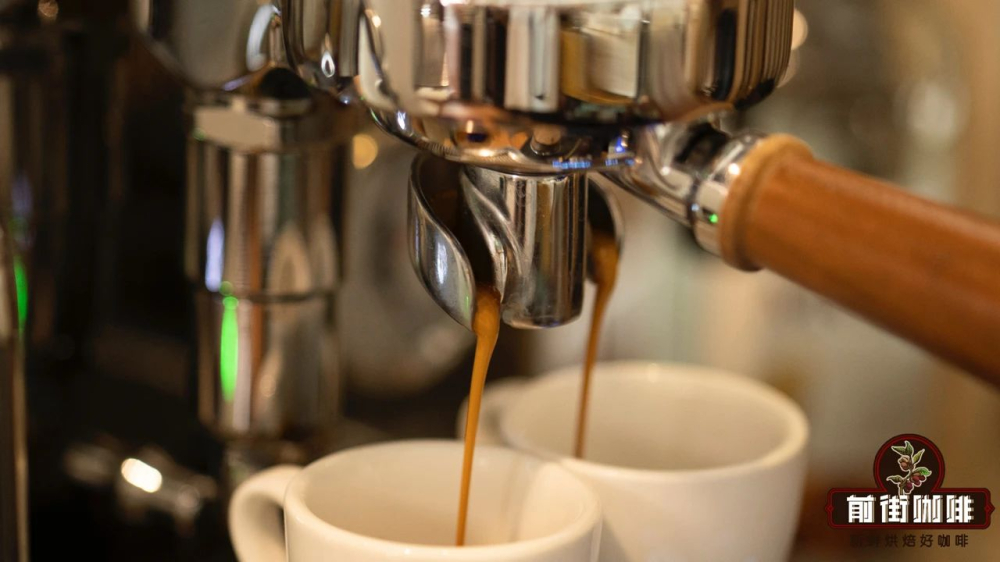 —this image clearly shows what an espresso looks like after extraction, especially the striking layer of crema.
The Formation and Significance of Crema (the foam layer)
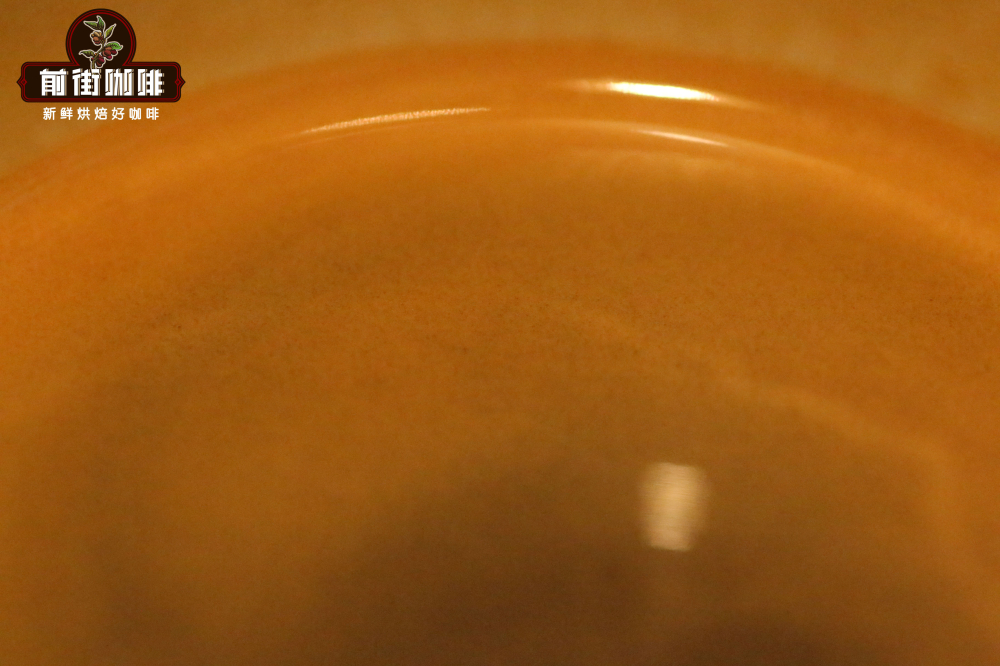
When coffee beans are roasted, they accumulate a large amount of carbon dioxide. During extraction, the high-pressure water forces this gas to be released and dissolve into the coffee liquid. However, when the coffee exits the high-pressure environment and returns to normal pressure, the excess gas can no longer remain dissolved, forming countless tiny bubbles that gather on the surface, creating the “foam layer” known as crema.
Generally, the finer and denser the crema, the fresher the coffee beans are, indicating a higher gas content. Conversely, if the coffee has been sitting for too long, the internal carbon dioxide gradually dissipates, resulting in noticeably less or even no foam during extraction. Additionally, the color of the crema is closely related to the roast level. Darker roasts, due to more pronounced Maillard reactions, typically produce a crema that is dark brown to nearly black, not only visually rich but also with a heavier mouthfeel.
The Source of High Concentration and Extraction Characteristics
One of the appeals of espresso lies in its extremely high concentration, achieved by extracting a large amount of soluble substances from finely ground coffee in an extremely short time—usually just 20 to 35 seconds. Under the action of water at nearly boiling temperature and up to 9 atmospheres of pressure, the flavor compounds in the coffee are highly concentrated, making each sip burst with intensity and offering a compact, strong flavor profile.
This concentration effect gives espresso an immediate impact upon entry, with a lingering aftertaste that remains in the mouth even after swallowing. As a result, many shops serve espresso alongside a glass of water to help cleanse the palate and highlight the coffee’s nuanced flavors.
Basic Espresso Preparation Process and Parameter Settings
For enthusiasts aiming to consistently produce quality espresso at home, understanding and mastering a few core parameters is essential, including dose, yield, extraction time, and brew ratio.
First, the choice of dose typically ranges between 18 to 20 grams, depending on the capacity of your portafilter basket. A standard double basket usually accommodates this range and is the norm for most coffee shops.
Next is the yield, where common brew ratios fall between 1:1.5 and 1:2.5, with the more classic and balanced ratio being 1:2—that is, 20 grams of coffee grounds yielding 40 grams of espresso. This ratio balances bold flavor with drinkability, making it ideal for further use in milk-based drinks or for preparing Americanos.
As for extraction time, it is recommended to keep it within the range of 20 to 35 seconds. An overly short extraction time (e.g., below 20 seconds) often leads to under-extraction, resulting in weak flavors, while exceeding 35 seconds can cause over-extraction, producing unpleasant burnt or bitter notes. For most users, maintaining an extraction time of around 28 to 30 seconds is a relatively safe and reliable range for achieving good flavor.
Practical Steps and Precautions
Before starting extraction, ensure the grinder is adjusted to an espresso-appropriate very fine grind setting, and thoroughly dry the portafilter basket to avoid residual moisture affecting puck tamping. Use an electronic scale to accurately measure about 20 grams of coffee grounds, then evenly distribute them in the basket using a dosing tool or spoon. Tamp the puck with moderate pressure—this step is crucial for extraction stability.
After tamping, you can first open the extraction switch to release a small amount of hot water to wet the group head and clear any residual coffee grounds. Then securely attach the portafilter to the group head and start the extraction. When the scale shows the target yield (e.g., 40 grams) and the time falls within the ideal range (e.g., 30 seconds), turn off the extraction switch to complete a standard shot of espresso.
Finally, pour the freshly extracted espresso into a preheated cup for immediate enjoyment, or add hot water to make an americano, or pair it with steamed milk to create classic drinks like lattes or cappuccinos.
If you’re looking for suitable coffee beans, consider using a dark-roasted blend, commonly composed of beans from Brazil, Indonesia, and Vietnam. These beans not only produce rich and dense crema but also suit various common espresso preparations, bringing more possibilities to your home coffee experience.
The above content is compiled by CoffeeHunters, a coffee news website.


