








Introduction:Cold drip coffee is renowned for its low-temperature slow extraction, delivering unique flavors that require a lengthy wait. This article delves into the key aspects of its preparation, including the coffee-to-water ratio, grind size, filter paper placement, and drip rate control, while also exploring how fermentation affects flavor. A practical case study demonstrates the step-by-step process, along with tips on cold aging techniques and recommended safe consumption timelines to help you master the essence of this classic cold-brewed coffee.
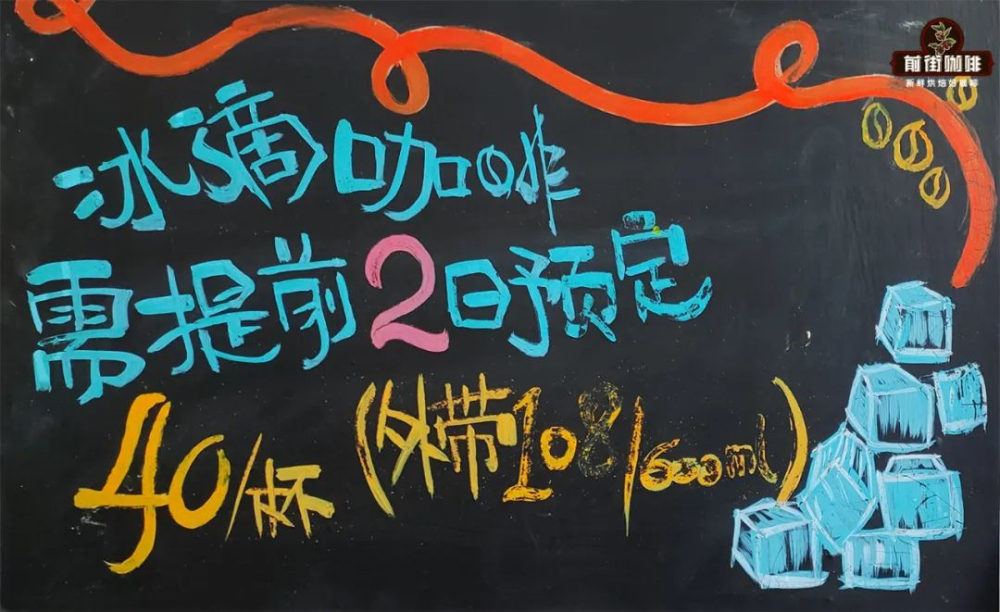
Due to its time-consuming preparation, cold drip coffee is often available in limited quantities at cafés. This cold brew method, originating from Europe and traditionally attributed to the Dutch, involves ice water naturally dripping through layers of coffee grounds, drop by drop, into the lower chamber—hence the name "drip-style coffee." The entire extraction process typically takes over eight hours. This article not only details the intricacies of making cold drip coffee—from the coffee-to-water-to-ice ratio, grind selection, filter paper placement, to drip rate control—but also addresses common questions about fermentation duration and optimal drinking periods. A hands-on demonstration is provided, along with an explanation of how low-temperature refrigeration "aging" influences flavor, and why it’s recommended to consume within five days.
Cold drip coffee is usually offered in limited quantities at cafés, primarily because each batch requires at least eight hours to prepare. Although this cold beverage, extracted with cold water, originated in Europe, it is often credited to the Dutch, hence also called "Dutch Coffee." Its brewing principle relies on gravity to let ice water slowly drip through layers of coffee grounds, eventually collecting drop by drop in the lower chamber—a process that generally spans over eight hours.
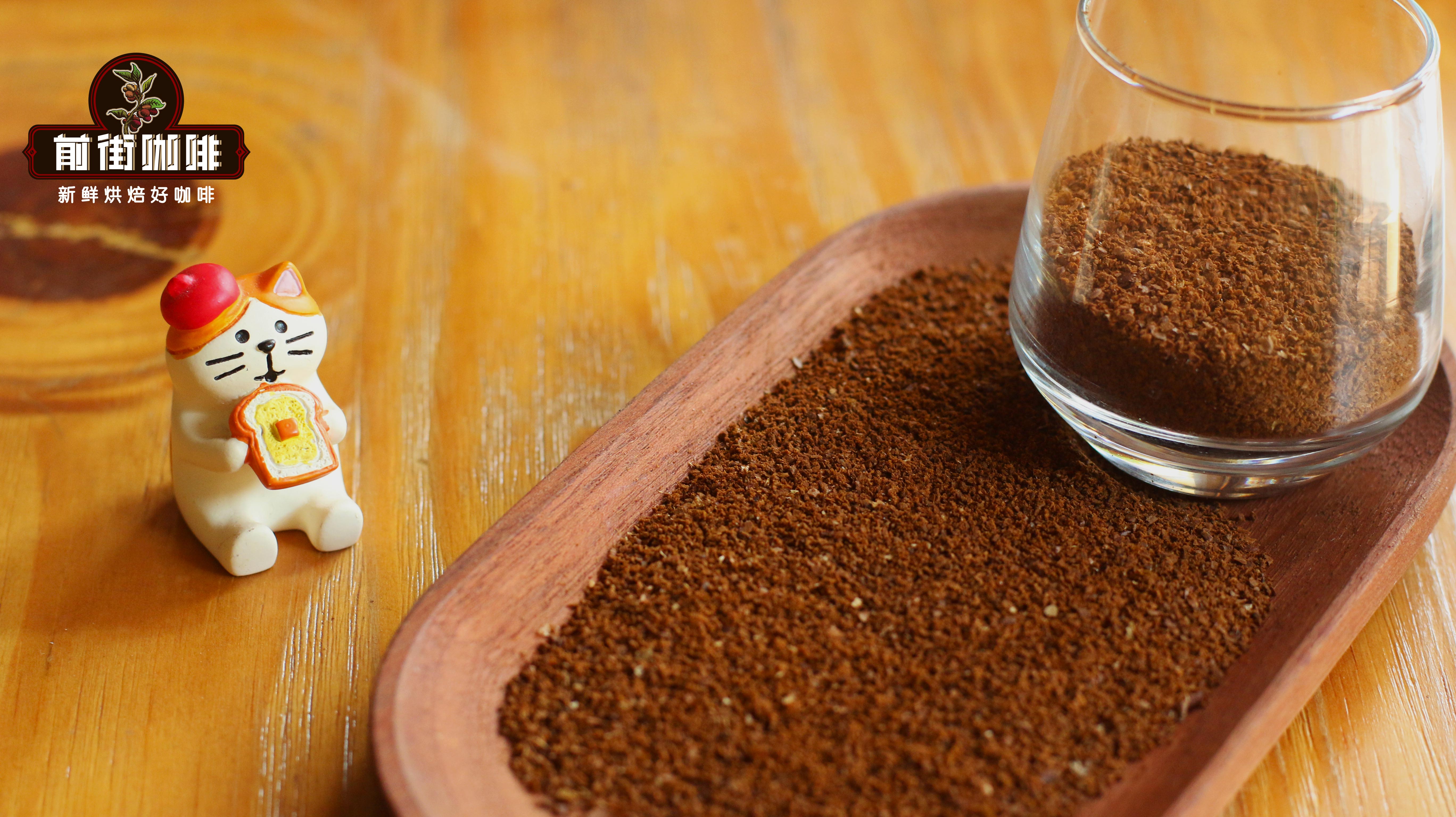
To make cold drip coffee in a café, you’ll need a cold drip brewer, room-temperature drinking water, ice cubes, round cold drip-specific filter paper, coffee beans (50g used as an example), a grinder, and a sealed bottle. This demonstration uses a coffee-to-water-to-ice ratio of 1:6:6—that is, 50g of coffee grounds, 300g of water, and 300g of ice. First, grind the coffee beans into powder (referencing the EK43s grinder used here, set to grind size 9, commonly used for ice pour over). Next, place a round cold drip filter paper at the bottom of the brewer’s coffee chamber, wet it with water, then add the coffee grounds and level them out. Then, cover with a second layer of filter paper and thoroughly wet the coffee grounds with room-temperature water—this step is crucial to ensure all coffee particles are evenly moistened. Doing so not only shortens the dripping time but also allows water to penetrate the coffee bed uniformly.
After the wetting step, adjust the drip valve to a rate of 7 drops per 10 seconds, then allow the dripping process to complete. Pay close attention to any changes in drip rate to avoid fluctuations that could affect extraction quality.
Once the cold drip coffee has finished extracting, it’s recommended to transfer it to a clean container and refrigerate overnight. This step is considered a "maturation" process in a low-temperature environment, serving two main purposes: controlling the degree of fermentation and preventing the coffee from spoiling. Though household refrigerators may appear clean, they harbor microscopic microbes invisible to the naked eye. If the container isn’t well-sealed or hasn’t been thoroughly cleaned, it could lead to coffee contamination. Therefore, the storage container must have good sealing properties and be kept clean. Cold storage not only inhibits the growth of some bacteria but also allows internal compounds in the coffee to undergo slow and controlled fermentation reactions—this explains why the longer cold drip coffee sits, the more pronounced its fermented flavors become.
Taking both overall flavor experience and food safety into account, whether it’s cold drip or cold brew (both low-temperature extraction methods), it’s recommended to consume within:five days from the date of preparation. This timeframe preserves the best flavor profile while ensuring safe consumption.
The above content is compiled by CoffeeHunters, a coffee news website.


