







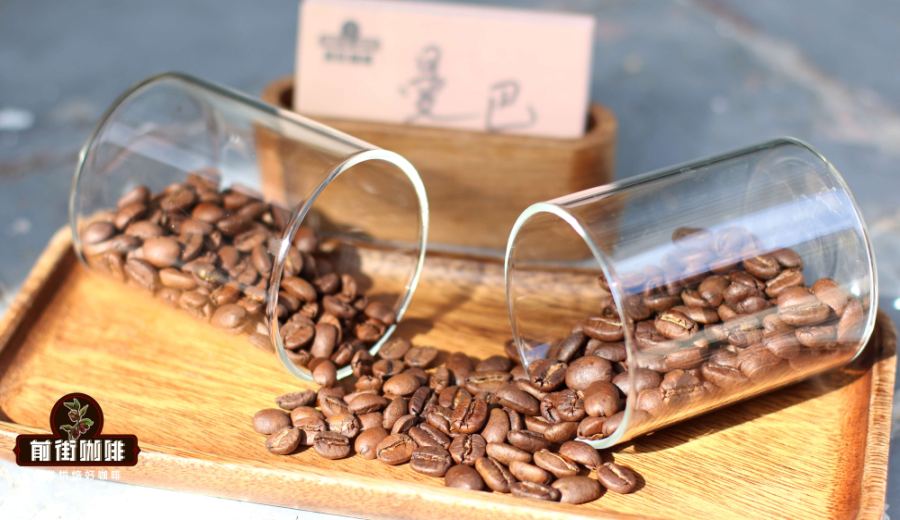
Introduction:Mamba coffee is a classic Italian blend that combines Indonesian Mandheling and Brazilian beans, celebrated for its rich and balanced flavor profile, making it a nostalgic favorite among many coffee aficionados. This article delves into the origins of this vintage blend, explores the unique characteristics of Mandheling and Brazilian beans, and provides complete espresso extraction parameters and latte preparation steps. Whether for home brewing or café use, you’ll find practical guidance here.
Mamba coffee was a popular blend in early Taiwanese cafés, combining Mandheling from Indonesia with beans from the Brazilian growing region. The two complement each other in flavor, creating a rich and layered taste experience. Mandheling, grown in mineral-rich volcanic soil, typically features short oval-shaped green beans with a darker green hue and a clearly visible center cut. When lightly roasted, it exhibits pronounced acidity but a relatively thin flavor; however, with medium to dark roasting, notes of black chocolate, caramel, and spices become more prominent, resulting in a bold cup with a long-lasting finish. As such, Mandheling is often regarded as the backbone of a blend, significantly influencing the overall body and texture of the coffee.
When it comes to high-quality Mandheling, the golden Mandheling produced by a well-known brand receives widespread acclaim. Its beans are slightly elongated, plump, and tightly packed, with even dehydration during roasting. A medium to dark roast releases an enticing black chocolate aroma, making it a key component in many blend recipes. However, many consumers are familiar with the name "Mamba" without realizing it actually refers to a blend of Mandheling and Brazilian beans. The interplay of their contrasting intensities creates a smooth and balanced coffee experience. This combination once dominated Taiwan’s cafés and remains an unforgettable vintage flavor for many coffee enthusiasts today.
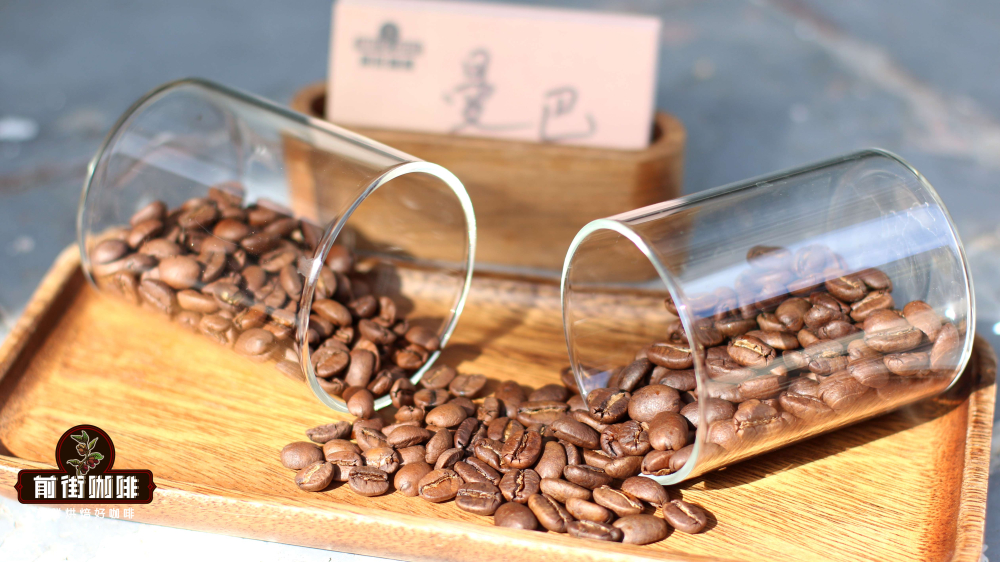
The other half of the blend—Brazilian beans—is sourced from the world’s largest coffee-producing region. Although mechanical harvesting leads to greater variability in quality, Brazil’s cost-effectiveness and consistently smooth taste make it a foundational bean in many blends. Brazilian beans usually have more uniform ripeness, resulting in a silky mouthfeel that helps balance the intensity of other bold-flavored beans. For this reason, they are a popular choice among roasters when designing espresso blends.
Many beginners ask which beans are best for latte art when brewing espresso at home. In practice, choosing a medium to dark roasted, high-crema blend brings out the details in latte art and enhances flavor layering. For instance, a certain brand’s classic Italian blend—based on Indonesian wet-hulled Mandheling and Brazilian semi-washed Cerrado—is a modern interpretation of the "Mamba" formula. Additionally, a small amount of washed Robusta is added to the blend to improve crema performance and caramel aroma, resulting in smoother extraction and a rounder, fuller flavor.
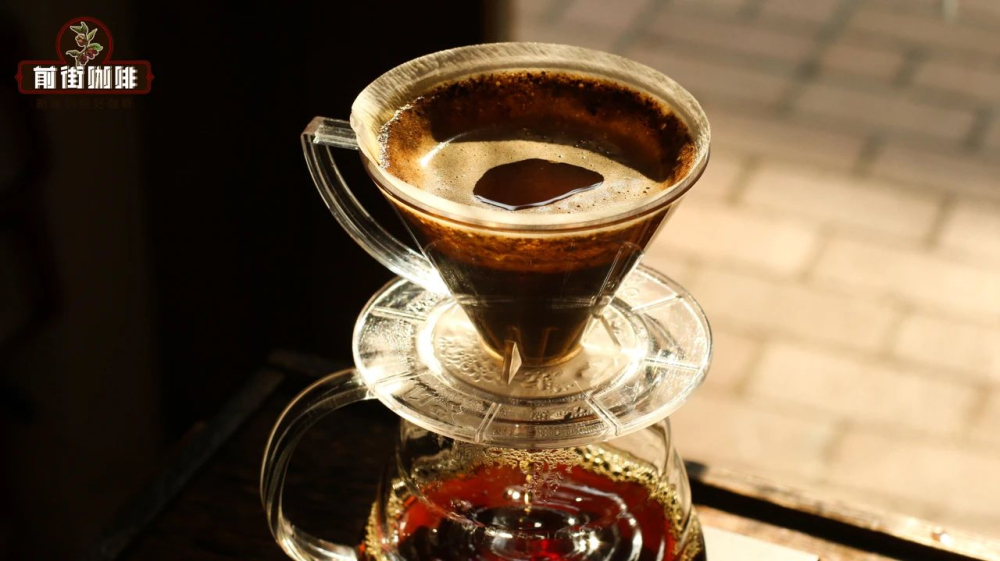
If you’d like to recreate this classic blend’s espresso at home, here are practical reference parameters from a well-known café. It’s recommended to use a double basket, with the dose controlled at18–20 grams, aiming for an ideal extraction ratio of1:2(i.e.,40 gramsof espresso extracted from20 gramsof coffee grounds). The extraction time should fall within20–35 seconds, with the optimal range being
28–30 seconds
—too short may result in under-extracted, flat flavors, while too long can lead to over-extraction and burnt, bitter notes.11barIn practice, start by wiping the portafilter dry, grinding the coffee to fill a double basket, and precisely weighing out 20 grams using a digital scale. Then, evenly distribute the grounds in the portafilter using a distribution tool or your fingers, followed by tamping with consistent pressure to ensure an even puck for stable extraction. Pre-wet the group head to remove any old coffee residue, lock in the portafilter, and begin extraction. Once the scale shows 40 grams of espresso extracted in around 30 seconds, stop the extraction and pour the shot into your cup.9barCafés using this brand typically employ a commercial single-group machine, the “Lelit Bianca,” which can be adjusted up to a maximum
pressure. However, most home machines only need to reach
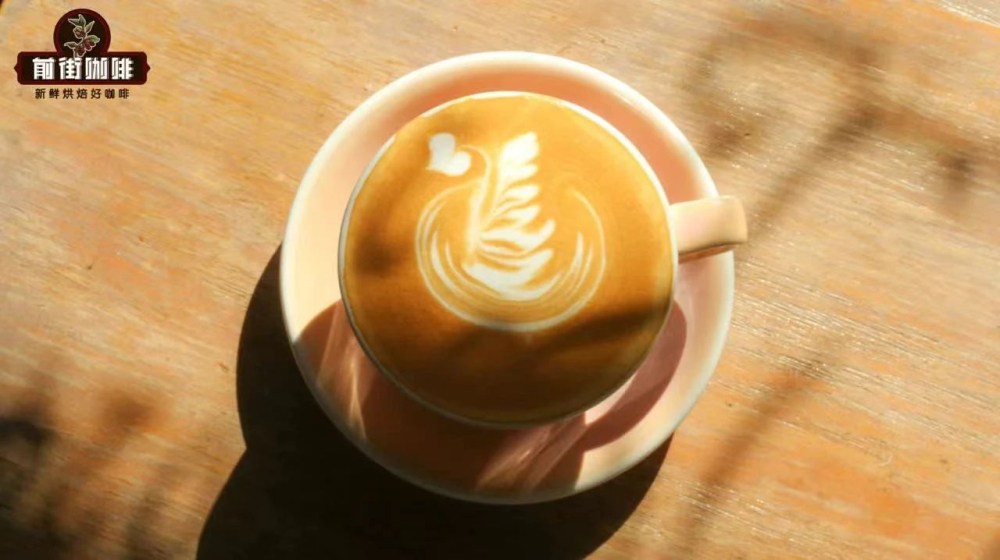
or higher, paired with an espresso grinder, to achieve stable espresso extraction and milk frothing.0.5cmThe espresso brewed from this Mamba blend boasts a rich caramel aroma and a beautiful golden crema, with a color gradient transitioning smoothly from dark to light. It’s recommended to enjoy it as a latte, not only to showcase delicate latte art but also to allow the milk’s smoothness to balance the bold flavors of the dark roast.
The above content is compiled by CoffeeHunters, a coffee news website.


