








Introduction:The names of coffee products on the market vary widely, ranging from ready-to-drink coffee to instant packages. But which ones actually contain real caffeine? This article takes an in-depth look at the true ingredients of common coffee beverages, comparing freshly ground, ready-to-drink, and instant options in terms of flavor, stimulation effect, and preparation methods. It also provides practical brewing tips for drip bags to help you choose the right type of coffee based on your needs.
Walking into a convenience store or coffee shop, you’ll find shelves filled with various drinks labeled as “coffee,” but not all of them contain actual coffee bean extracts. Some products merely simulate the flavor of coffee and contain no caffeine at all; others may be based on coffee beans but are weakened in their stimulating effects due to added non-dairy creamers and high sugar content. If you’re looking to boost your energy with caffeine, it’s recommended to opt for freshly roasted beans ground on the spot or convenient drip coffee bags.
Common coffee beverages can be divided into two main categories: those that are indeed made from coffee beans, and those that only imitate the flavor of coffee—such as certain “coffee-flavored” drinks in children’s beverages that contain no coffee beans or caffeine at all. Even among the former, caffeine content is usually lower than that of freshly ground coffee, and the additional presence of non-dairy creamers and sugars may lead to feeling more tired after consumption.
Therefore, if the goal is to gain alertness through caffeine, it is recommended to choose coffee made from freshly roasted beans ground on the spot. This method not only has a higher caffeine content but also fully preserves the rich layers of aroma in coffee, delivering a refreshing effect from both smell and taste.
If you find café prices too high, drip coffee bags are an economical and convenient alternative. These products consist of freshly roasted beans ground to a specific coarseness, then packed into drip filter bags, and have become a daily staple for many office workers and home users. Compared to pour over coffee, drip bags are simpler to use—just a few steps are needed to brew a cup of rich black coffee.
Recommended drip brewing method: After tearing open the individual package, cut along the dotted line at the bottom, gently pull the two side paper tabs, and hang the drip bag over the rim of a straight-sided heat-resistant cup.Pour in water at 88-90°C, first pour 30ml for a 20-30 second bloom, then add about 60ml of hot water every 10 seconds for a total of two more pours. This package contains 10g of coffee grounds, and the total recommended water amount is150ml. What you get is a sugar-free and milk-free black coffee, which you can customize further according to personal taste.
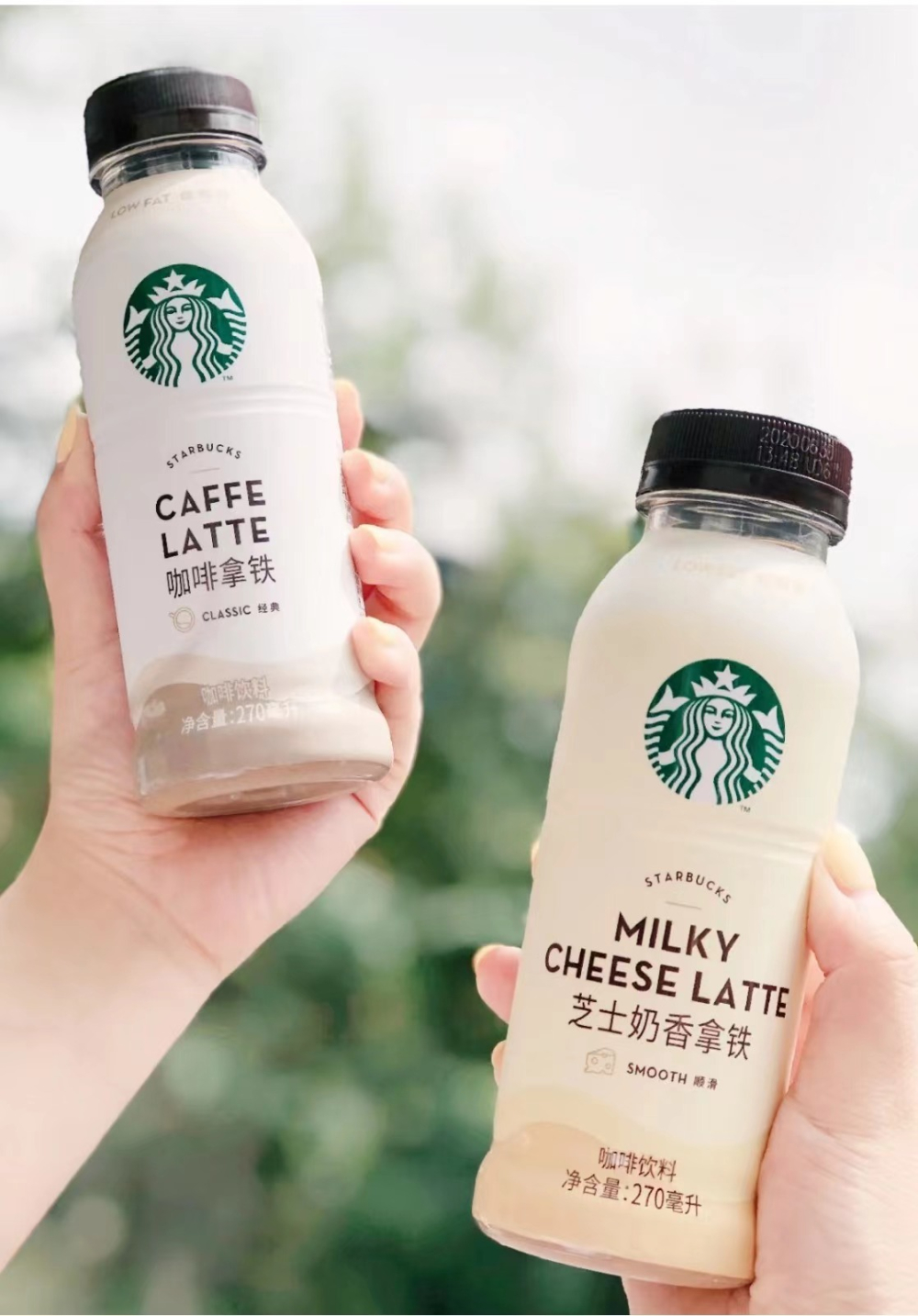
Instant coffee and ready-to-drink coffee are often confused, but their production and consumption methods are completely different. Instant coffee is made by brewing coffee beans into liquid, then processing it into powder through high-temperature drying techniques, which needs to be dissolved in hot water—thusit is not considered ready-to-drink coffee. Ready-to-drink coffee, on the other hand, is a finished product that can be consumed directly after opening, with no additional brewing steps required.
The production process of instant coffee involves high-temperature treatment, which may affect some of the original flavors and aromas, but it excels in portability and shelf life. Ready-to-drink coffee is pre-blended, comes in a variety of flavors, and is suitable for quickly replenishing caffeine, though it’s important to note that some products may contain added sugars or other additives that could impact health and stimulation effectiveness.
In summary, if you’re seeking the best stimulation effect and full coffee flavor, freshly ground or drip coffee is the top choice; if you prioritize convenience, ready-to-drink and instant coffee each have their applicable scenarios, but it’s advisable to check the ingredient labels and choose products whose caffeine content and additive proportions better suit your needs.
The above content is compiled by CoffeeHunters, a coffee news website.


