







Introduction:Many people associate black coffee solely with Americano, but in fact, Yirgacheffe pour over beans have gained immense popularity among specialty coffee enthusiasts in recent years. This article delves into the geographical background of Ethiopia’s Yirgacheffe coffee-growing region, the characteristics of washed and natural processing methods, compares it with regular Americano in terms of definition and flavor profile, and provides expert-level pour over parameters and brewing recommendations. It also addresses the calorie concern readers care about most — turns out, black coffee without sugar or milk has virtually negligible calories.
With the rise of specialty coffee culture, black coffee is no longer synonymous with just Americano. In cafes across the board, “Yirgacheffe,” a region name from Ethiopia, is increasingly appearing on menus. But what exactly is Yirgacheffe? And how is it fundamentally different from your usual Americano? This article will take you deep into this highly regarded single-origin coffee bean — from regional characteristics, processing methods, and flavor profiles, to the differences in definition and taste compared to Americano — getting it all sorted in one go.
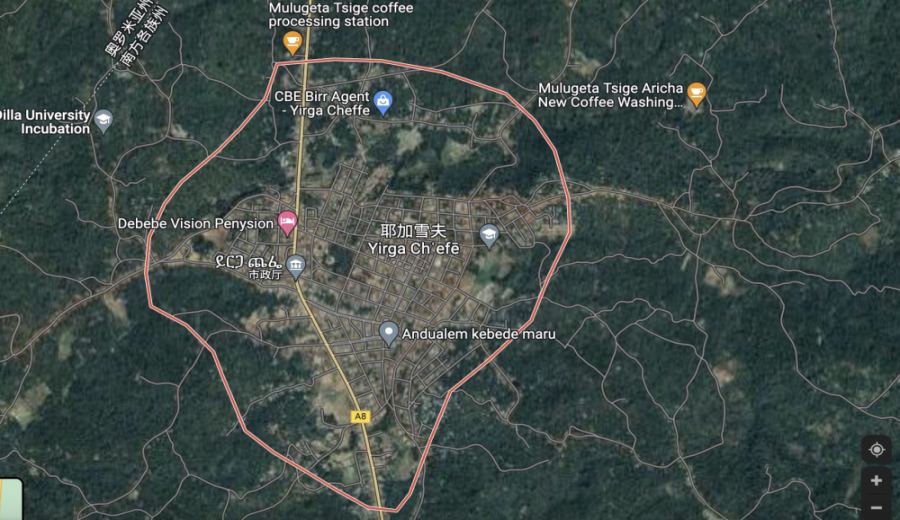
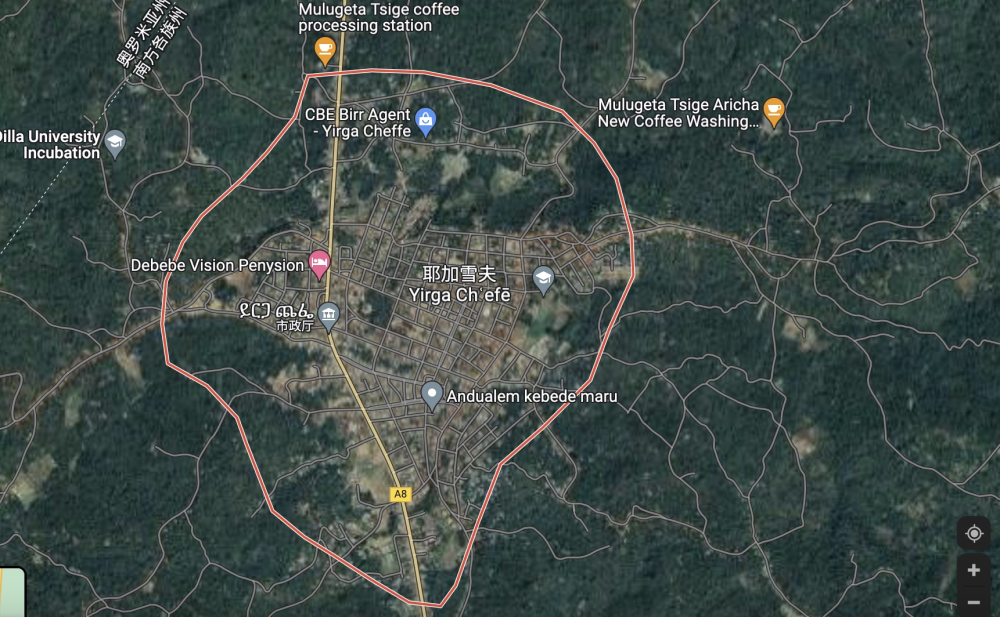
First off, Yirgacheffe is not the name of a specific coffee variety, but refers to coffee beans grown in the Yirgacheffe region of southern Ethiopia. This small town was originally part of the Sidamo province, but due to its distinctive flavor profile, it was separated from Sidamo as early as 2010 and officially recognized as a distinct single producing region by the Ethiopia Commodity Exchange. The altitude in Yirgacheffe ranges between 1,700 to 2,100 meters, with high-quality coffee trees mostly cultivated at elevations above 1,800 meters, making it one of the highest-altitude coffee-growing regions in the world.
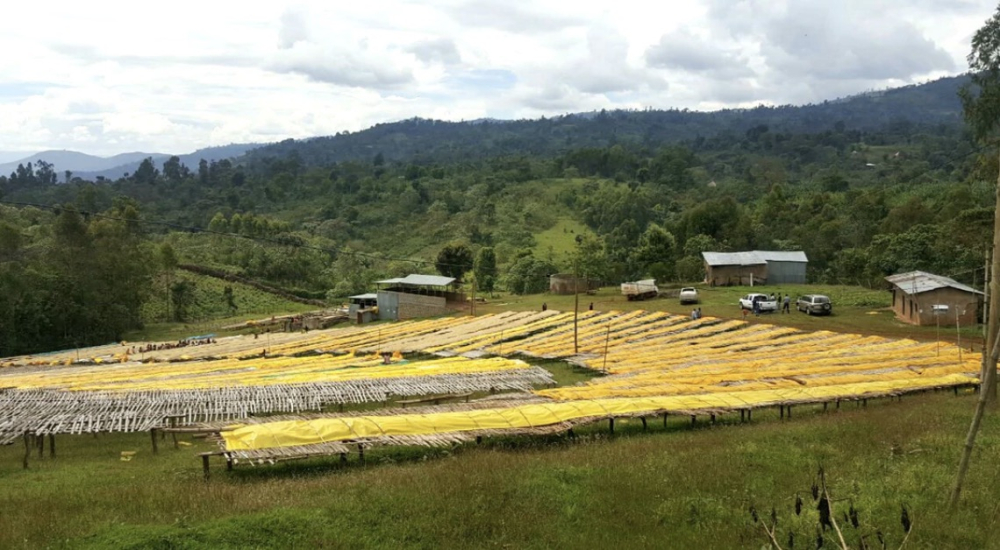
Due to the mountainous terrain, most farmers grow coffee on their own small plots, resulting in limited yields. After harvest, the cherries are sent to nearby processing facilities or cooperatives for unified washed or natural processing. Thanks to abundant water resources, many processing sites are equipped with professional washing tanks, making Yirgacheffe one of Ethiopia’s representative regions for washed coffee. In recent years, the area has also actively promoted micro-lots and specialty processing methods, attracting global attention from specialty coffee buyers.
Yirgacheffe coffee is renowned for its unique bright and refreshing profile, often featuring vibrant citrus acidity such as lemon and lime, accompanied by elegant floral notes and a sweet green-tea-like finish. This flavor profile is quite approachable and friendly for those new to specialty coffee who may not be accustomed to heavy bitterness.
So, what’s the fundamental difference between Yirgacheffe and the Americano we usually drink? Simply put, Americano refers to black coffee made by diluting espresso with hot water, whereas Yirgacheffe is a type of coffee bean grown in a specific region. In other words, you can use Yirgacheffe beans to brew an Americano, but not all Americanos are made with Yirgacheffe beans.
Traditional Americano is made by mixing highly concentrated espresso with hot water. Espresso is extracted under high pressure in a short period of time, resulting in a strong and intense flavor. It’s said that this diluted method originated during World War II when American soldiers stationed in Italy found the bold taste of espresso too intense, so they added water to dilute it — which later evolved into what we now know as Americano.
Most cafes opt for blended beans to create a smoother and more balanced espresso flavor. However, with the rise of the specialty coffee trend, some shops have started using single-origin (SOE) Yirgacheffe beans to make espresso. But because single-origin beans have distinct personalities, improper extraction can turn their delicate bright acidity into overly sharp flavors. As a result, many cafes choose to use Yirgacheffe for brewing methods that better highlight its characteristics, such as pour over, cold brew, or iced drip.
In terms of roast level, to accentuate the bright acidity and fruity-floral notes of Yirgacheffe beans, roasters typically opt for a light roast to preserve its citrus acidity, green tea aroma, and light sweet aftertaste. A certain coffee brand’s Yirgacheffe series — including Guji Dingding washed, Wolkite natural, Kochere washed, and the Red Cherry natural from the Aletaland cooperative — are all highly popular single-origin offerings, perfect for pour over lovers looking to explore.
For practical advice on pour over brewing Yirgacheffe, here are the recommended professional parameters: use a grind size close to that of fine sugar, with a Chinese No. 20 sieve retention rate of around 80%. Water temperature should be controlled between 90–92°C. The suggested brew ratio is 1:15, and a three-stage pouring method is recommended: start by pouring 30 grams of water for a 30-second bloom right when timing begins, then pour in a circular motion up to 125 grams in the second stage. Once the coffee bed’s water level drops by about half, continue pouring to reach a total of 225 grams. The overall extraction time is advised to be within 2 minutes to 2 minutes and 10 seconds, which fully highlights its layered and complex flavor profile.
Whether you choose pour over, Americano, cold brew, or iced drip, as long as you don’t add any sugar or milk, the calories in these black coffees are extremely low — almost negligible — making them ideal for those watching their weight or aiming for a healthier diet. With these differences and details in mind, you’ll be able to confidently choose the cup of coffee that best suits your taste next time you order.
The above content is compiled by CoffeeHunters, a coffee news website.


