







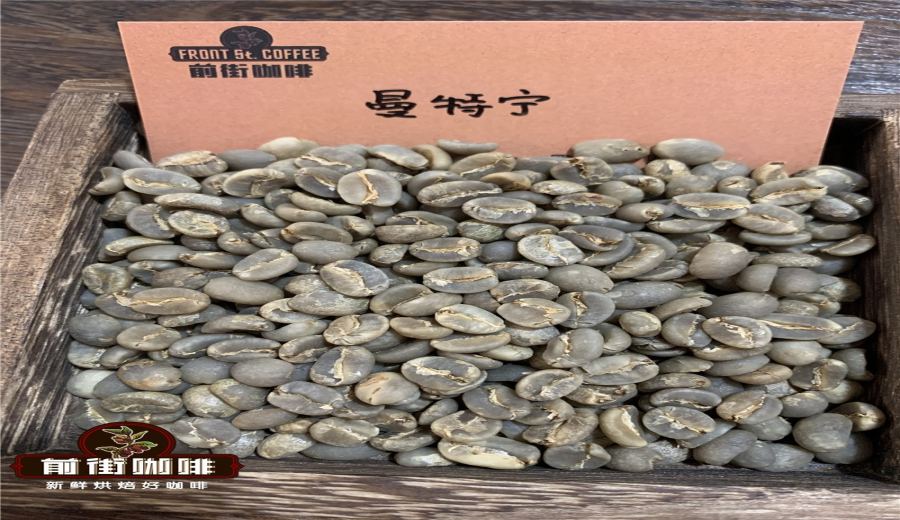
Introduction:Indonesian Mandheling coffee is renowned for its rich, low-acid flavor profile, yet many people have only a vague understanding of its origins, production regions, and grading standards. This article delves into the historical background of Mandheling, the differences between Sumatra’s Lintong and Golden Mandheling, and explains how the wet-hulling process shapes its distinctive taste. It also provides practical pour over parameters and flavor descriptions to help you choose the Mandheling coffee that suits you best.
Mandheling coffee is often considered the go-to choice for those who dislike acidic flavors, thanks to its bold and full-bodied taste that leaves a lasting impression. However, Mandheling does not refer to a specific region or coffee variety. The name actually stems from a misunderstanding during World War II. Japanese soldiers in Sumatra, Indonesia, tasted a rich coffee and asked the shopkeeper for its name. Due to a language mix-up, they misheard “Mandailing” (the name of a local ethnic group) as “Mandheling,” and the name has stuck ever since.
Sumatra is the primary producing region for Mandheling coffee, with Lintong and Mandheling being the most well-known areas. Lintong is located in northern Sumatra, at an altitude of about 1,200 to 1,500 meters. The coffee is grown on clay plateaus covered with ferns, mainly cultivated by smallholder farmers using shade-grown methods without chemical fertilizers. Mandheling, on the other hand, is a broader term that encompasses coffee produced in Lintong and surrounding areas such as Diari and the northern part of Lake Toba.
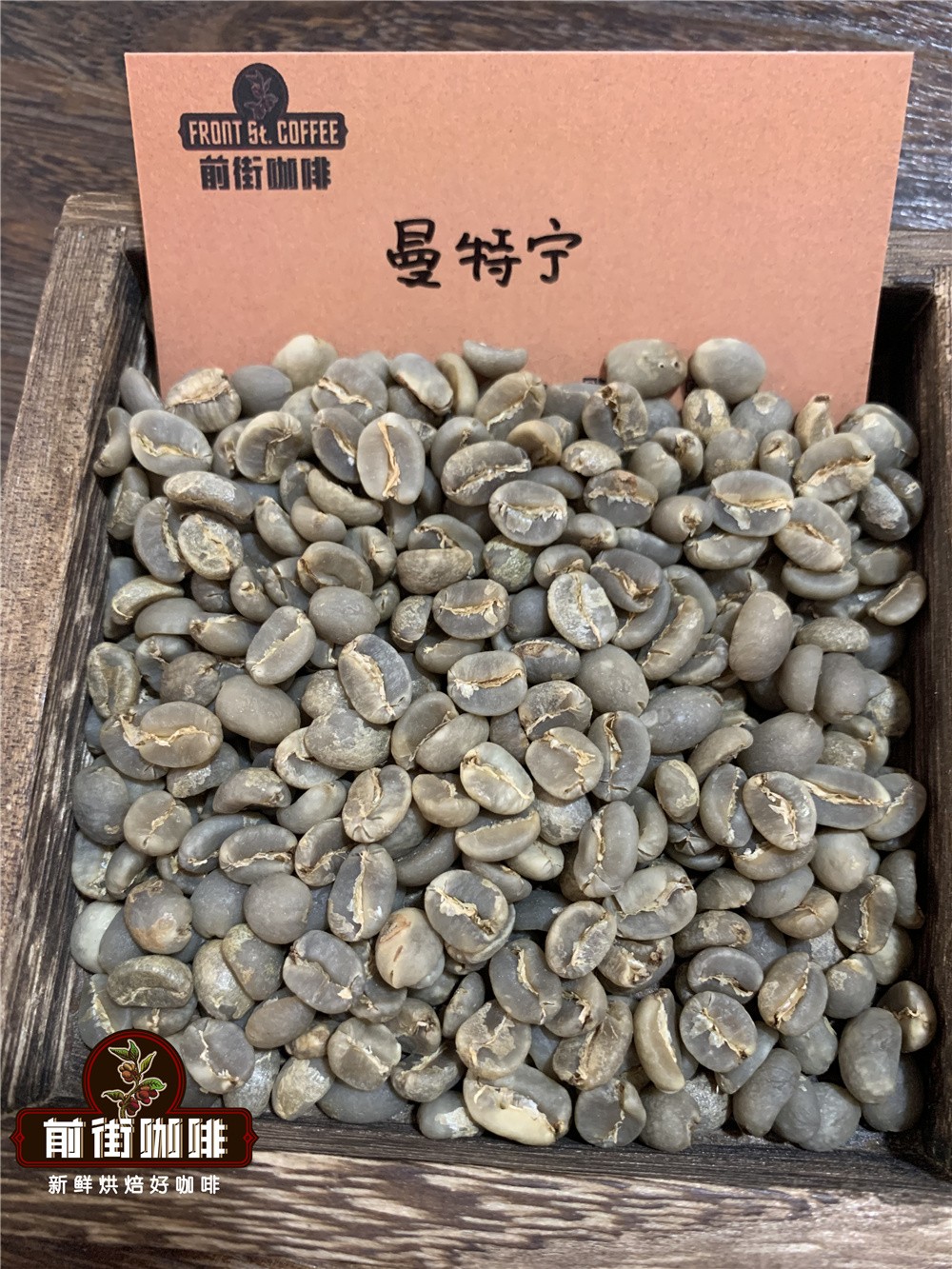
When it comes to high-quality Mandheling, one cannot overlook Golden Mandheling. Produced by Indonesia’s renowned PWN (Pusat Penyangga dan Pemasaran Kopi Nusantara), this coffee is known for its stringent selection criteria. Golden Mandheling is classified as G1 grade, meaning there are no more than three defective beans per 300 grams of green beans, with large and uniform bean size. Through multiple rounds of manual sorting, PWN ensures the quality and appearance of the beans, resulting in a cleaner taste for Golden Mandheling, significantly reduced off-flavors, and a more pronounced caramel sweetness with softer fruit acidity.
The unique flavor profile of Mandheling coffee is largely attributed to its special wet-hulling process. Due to Sumatra’s humid climate, which is unsuitable for traditional sun-drying or washed processing methods, farmers first remove the coffee fruit’s skin and pulp, then ferment the beans for three hours before initial drying. When the beans reach a semi-dry state, the mucilage and parchment layers are removed, and the beans are further dried to a moisture content of about 12% to 13%. This three-stage process not only shortens the drying time but also imparts Mandheling’s distinctive low-acid, thick body, and flavors of earthy wood and herbs.
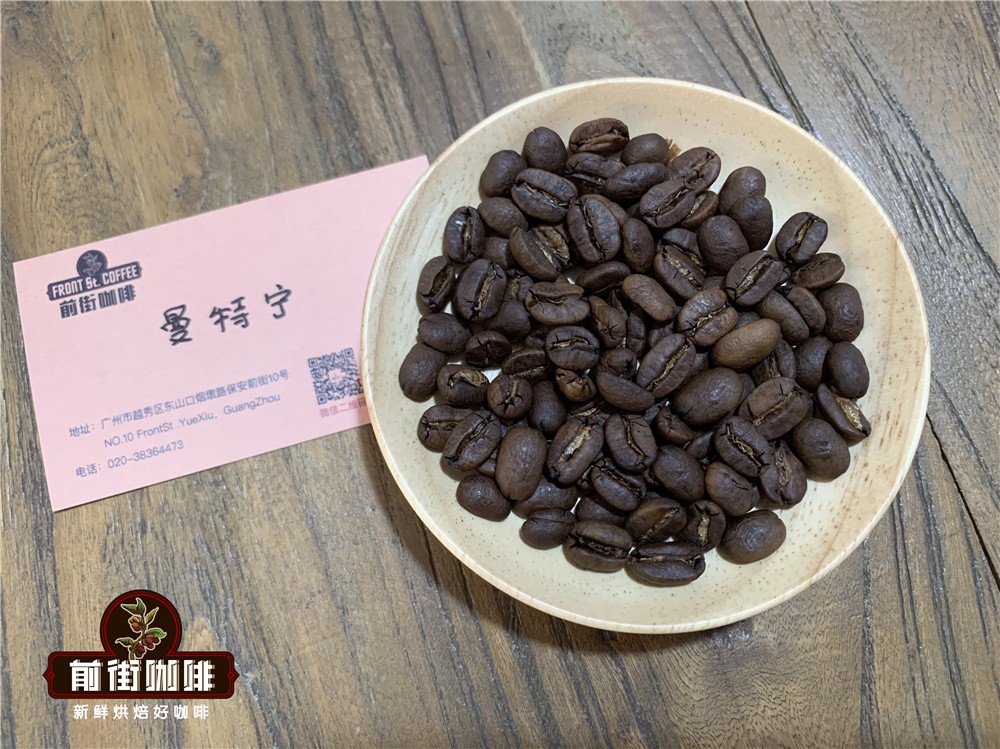
When brewing Mandheling, it is recommended to use medium-dark roasted beans, with water at 88°C and a medium-coarse grind size (about 75% passing through a #20 sieve). A KONO filter cone is ideal for extraction. Specific parameters can be set as follows: 15 grams of coffee, a 1:15 coffee-to-water ratio, and a total of 225 grams of water. Use a three-stage pouring method: the first pour of 30 grams for a 30-second bloom, the second pour with a slow stream up to 125 grams, and the final pour up to 225 grams, with a total brewing time of about two minutes. This method fully highlights the nutty, caramel, and spicy notes of Mandheling.
The flavor profile of Lintong Mandheling typically includes roasted toast, nuts, caramel, and herbal aromas, while Golden Mandheling presents a cleaner cup with bright spice and herbal notes, offering a layered and long-lasting finish—its chocolatey aftertaste being one of its standout features. Regardless of which you choose, it’s recommended to use freshly roasted coffee beans (ideally within five days of roasting), and allow the beans to reach their optimal flavor window four to seven days post-roast.
For coffee enthusiasts who prefer pour over brewing, Mandheling offers a rich layering and stable taste profile. Whether you’re a beginner or an advanced brewer, you’ll find a Mandheling option that suits your palate. Understanding the differences in its production regions, grades, and processing methods will help you select and brew your ideal cup of Mandheling coffee more precisely.
The above content is compiled by CoffeeHunters, a coffee news website.


