







Introduction:If you want to delve deeper into the specialty coffee field, SCA certification is an internationally recognized credential of expertise. This article provides a detailed breakdown of the six modules in the SCA Barista Skills program, the progression path from beginner to advanced levels, an analysis of how certification impacts salary, and key considerations before enrolling in a course — helping professionals and enthusiasts evaluate whether this “coffee professional passport” is worth pursuing.
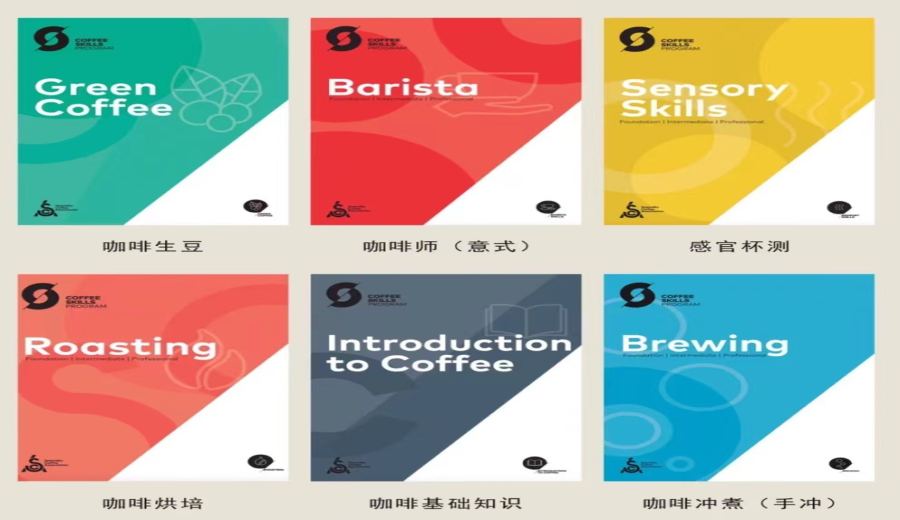
The SCA (Specialty Coffee Association) was formed through the merger of the U.S.-based SCAA and the European SCAE, two leading specialty coffee organizations. Its certifications are globally authoritative within the coffee industry and widely recognized for both job applications and technical exchanges. The certification system covers six core modules: foundational coffee knowledge, espresso operation, pour over extraction techniques, sensory cupping and evaluation, coffee roasting processes, and green bean quality assessment — forming a comprehensive professional learning pathway.
Certification levels are divided into three stages: Foundation (beginner), Intermediate (intermediate), and Professional (advanced). The Foundation exam focuses on basic theory and simple hands-on tasks, such as the fundamental operation of an espresso machine and how grind size affects extraction. It is suitable for those with at least six months of barista experience to attempt directly. Notably, the Intermediate course allows candidates to skip the Foundation level, but the Professional qualification requires an Intermediate certificate as a prerequisite. Moreover, the Professional exam includes more complex assessments of variable control and problem-diagnosing abilities.
Regarding the question “Can certification lead to higher pay?” — in practice, baristas holding an SCA Intermediate or higher certificate may receive a starting salary that is 10%–15% higher than their peers when applying to international chains or high-end specialty cafés. However, most independent coffee shops place greater emphasis on practical operation fluency and customer service experience. It’s recommended to confirm the specific job requirements before applying, to avoid blindly pursuing a certificate while neglecting the development of hands-on skills.
Is the course worth enrolling in? If you’re a beginner who struggles with self-study or lacks a structured learning direction, or if you wish to quickly master international standard procedures (such as the golden extraction ratio for espresso: water temperature of 90–96°C and pressure of 9–10 bar), SCA certification courses can offer structured teaching and feedback from experienced instructors. However, it’s important to note that the certificate is only a preliminary proof of ability — real career development still depends on continuous improvement, such as delving into the differences in processing methods for beans from various regions, or practicing stable control over pour over variables like coffee-to-water ratio and extraction time.
Among the six modules, “Barista Skills” and “Sensory Skills” are the most commonly prioritized by professionals. The former covers practical content such as machine maintenance and milk frothing techniques, while the latter trains the ability to accurately describe flavor attributes like acidity, sweetness, and aftertaste. If you are regularly involved in green bean import or roasting operations, the “Coffee Roasting” and “Green Coffee” modules provide a complete knowledge framework from origin to cup flavor.
In summary, the value of SCA certification depends on individual goals: for newcomers to the field, it serves as a valuable addition to building a professional image; for seasoned baristas, the Professional certificate can help open doors to international collaboration opportunities. It’s advised to choose the appropriate modules and levels based on your own career plan, and remember that continuous learning is the eternal core of coffee professionalism.
The above content is compiled by CoffeeHunters, a coffee news website.


