








Introduction:The Moka pot is the go-to choice for many households taking their first steps into espresso-style coffee. Simple to operate yet capable of producing richly flavored coffee, this guide dives deep into how to select the right coffee beans, adjust the optimal grind size, and walk you through the correct steps for using a Moka pot. Whether you’re a beginner or an experienced coffee enthusiast, you’ll learn the secrets to consistently brewing coffee with Crema and a full, bold body.
Since its invention in 1933 by Italian designer Alfonso Bialetti, the Moka pot has been a classic tool for making espresso-style coffee at home. By heating water to create steam pressure that pushes it through a bed of coffee grounds, it extracts a bold, rich coffee with a layer of crema. Not only is it easy to use, but it also allows you to enjoy café-quality flavors in the comfort of your own home.
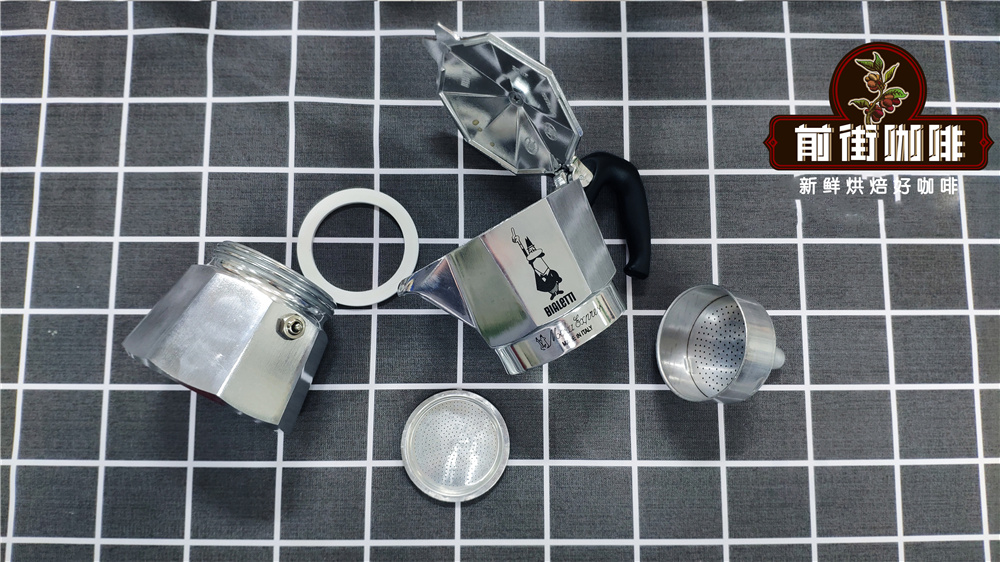
Among the many devices capable of producing espresso-like coffee, the Moka pot stands out as the top choice for beginners due to its affordable price and simple design, especially popular in Italian households. Its operating principle is similar to early steam-pressure coffee machines — using heat to generate pressure that forces water through coffee grounds, releasing rich aromas and flavors.
When it comes to choosing coffee beans for the Moka pot, there’s actually quite a bit of flexibility. However, to achieve the best flavor, it’s recommended to prioritize medium-dark to dark roasted beans. These roast levels offer bold, balanced bitterness and sweetness that complement the high-pressure extraction method of the Moka pot. This helps avoid the overly sharp acidity that can result from over-extracting light roasts, which may lead to an unbalanced cup.
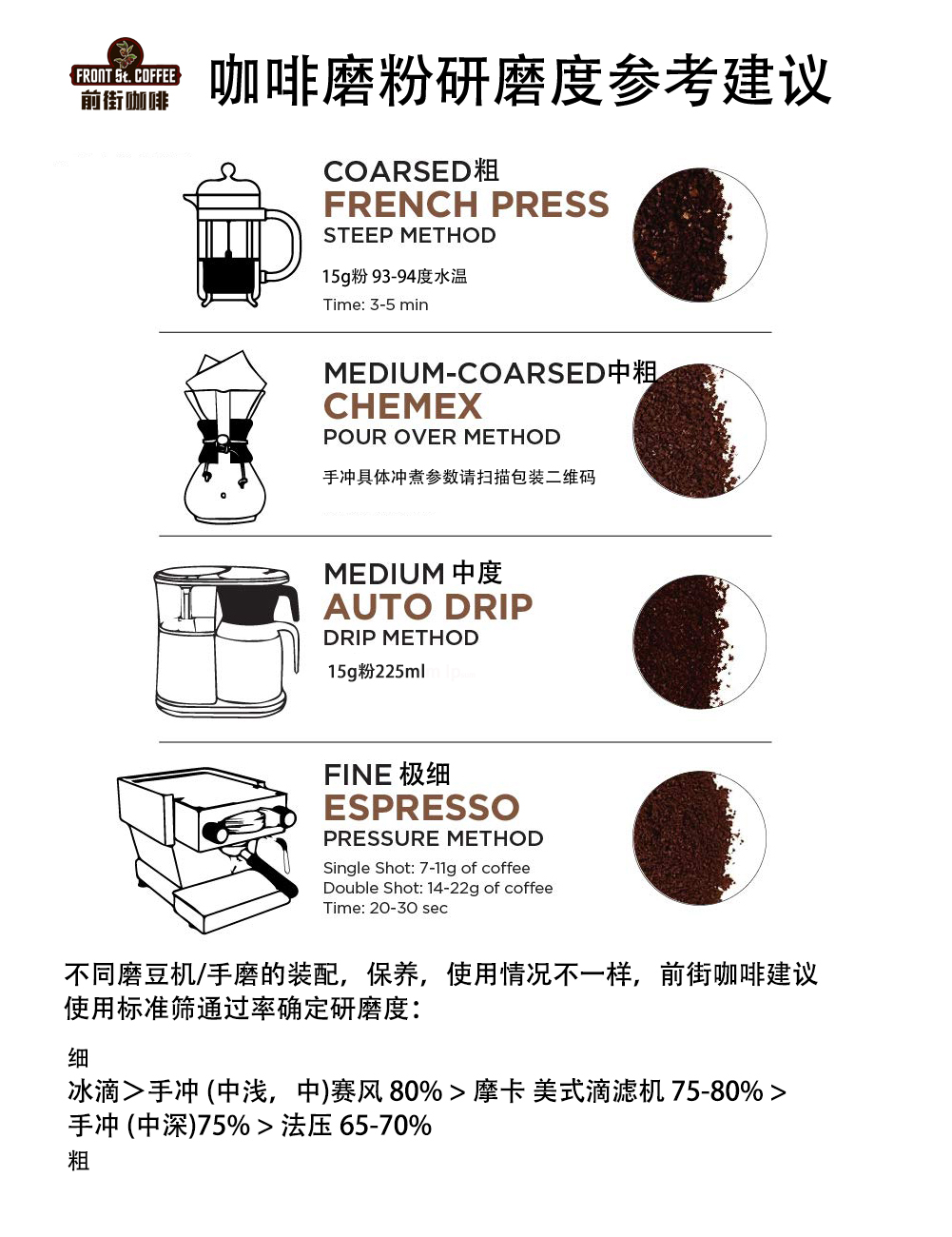
Many newcomers to the Moka pot often wonder: “Do I need to use coffee grounds as fine as those for espresso machines?” The answer is no. While the grind size for a Moka pot is finer than that used for pour over, it’s still slightly coarser than what’s used for espresso machines. Ideally, the coffee particles should be between 0.3 to 0.55 millimeters in size, with adjustments made depending on the roast level.
Generally speaking, dark roasted beans have more damaged fibers, which makes it easier for flavors to be extracted. It’s recommended to use a slightly coarser grind to avoid over-extraction, which can lead to excessive bitterness. Light to medium roasted beans, on the other hand, can be ground a bit finer to improve extraction efficiency and bring out more aroma and sweetness. Additionally, grind size affects brew time — the finer the grind, the greater the resistance to water flow, resulting in a longer extraction time, and vice versa.
If you notice that after heating, only water flows out, the coffee liquid is slow to rise, or it gushes out like a fountain, these are usually signs that the grind size is off. Too fine a grind creates too much pressure, preventing water from flowing smoothly; too coarse a grind results in insufficient pressure and incomplete extraction. When adjusting, it’s best to make small incremental changes and observe the extraction process to find the optimal grind setting for your current beans.

The actual steps for using a Moka pot aren’t complicated, but each one impacts the final brew. First, pour water into the lower chamber, keeping the water level about 0.5 cm below the safety valve to prevent boiling water from entering the upper chamber and affecting the taste. Next, add the appropriate amount of ground coffee into the filter basket of the upper chamber. It’s recommended to form a small mound and then gently level it — but don’t tamp it down too hard, as this can block water flow.
Filling the coffee basket fully helps maintain even extraction and prevents over- or under-extraction in certain areas. After assembling the filled basket back into the lower chamber, make sure the upper and lower chambers are tightly sealed to prevent air leaks or pressure loss during heating, which could cause the brew to fail. Then place the Moka pot on the heat source — an electric stove is recommended for its stable and easily adjustable flame.

When the Moka pot starts to make a distinct hissing sound, it means internal pressure is building up. At this point, it’s advisable to reduce the heat to low or medium-low and slightly open the lid of the upper chamber to monitor the extraction. Once coffee begins to flow from the upper chamber and reaches about half full, you can turn off the heat and let the remaining coffee be pushed up by residual heat. This prevents over-extraction while preserving the coffee’s smooth finish.
Once brewing is complete, simply pour the coffee into a cup and enjoy. Coffee made with a Moka pot is typically bold in flavor and often features delicate Crema. It’s great for drinking straight or can be adjusted with hot water or milk to suit personal taste preferences. If you notice that clear water-like liquid comes out first before the coffee-colored liquid during your first attempt, it’s likely due to incomplete cleaning of the pot, with leftover moisture causing the issue. It’s recommended to thoroughly clean and dry all parts after each use.

Maintaining your Moka pot is also a key factor in ensuring consistent extraction. After each use, disassemble and clean it immediately to prevent coffee grounds and residual oils from accumulating in the filter basket, filter screen, and rubber gasket. If left uncleaned over time, these areas can not only affect the flavor of future brews but may also lead to clogging or unpleasant odors. Use a soft cloth or paper towel to dry all parts to avoid moisture causing metal oxidation or musty smells.
In summary, the Moka pot is a practical tool that lets you easily enjoy rich espresso-style coffee at home. By mastering bean selection, grind adjustment, and brewing details, you can consistently produce great coffee with body and aroma — experiencing the deep allure of coffee without the need for expensive equipment.
The above content is compiled by CoffeeHunters, a coffee news website.


