







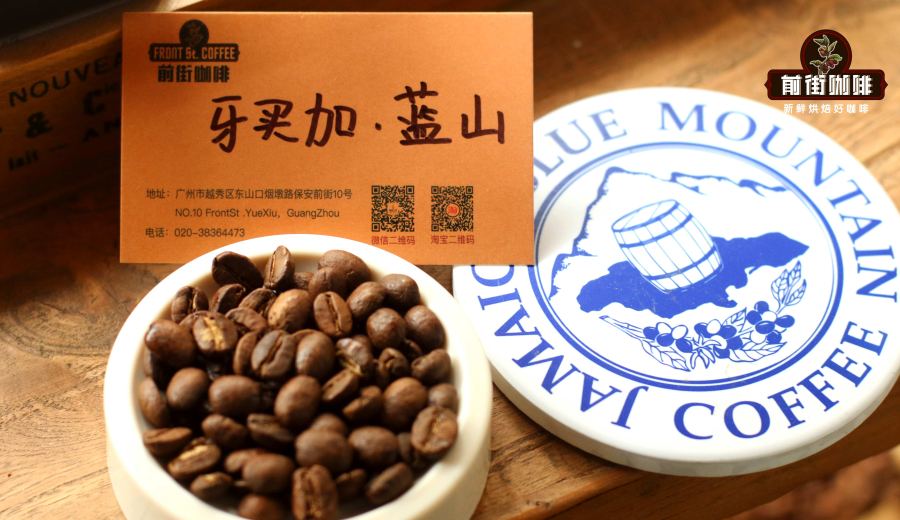
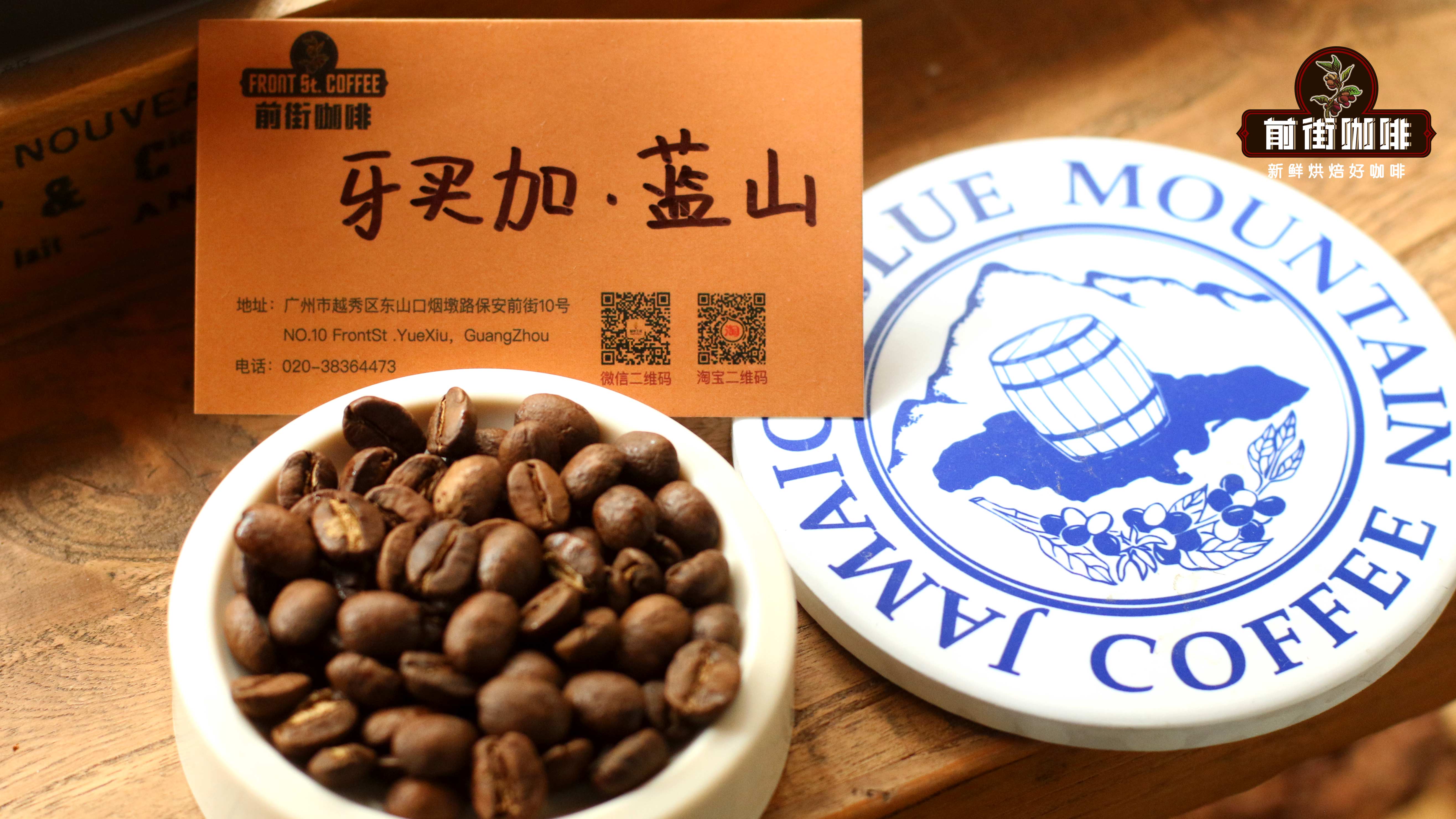
Introduction:Jamaica Blue Mountain coffee has long been hailed as the pinnacle of the coffee world, with its exorbitant price and mysterious background sparking curiosity. What makes this legendary coffee truly exceptional? This article will delve into the legal growing regions, varietal origins, washed processing methods, roasting recommendations, and pour-over parameters of Blue Mountain coffee, helping you gain an in-depth understanding of the unique charm of this top-tier coffee bean and master the key to brewing its ideal flavor.
Going back to the late 20th century and early 21st century, Blue Mountain coffee frequently appeared in films and books, portrayed as a luxury item in the coffee world — akin to the status of an “82-year-old Château Lafite.” Its unattainably high price deterred most consumers. However, by 2025, if you wish to personally experience a genuine cup of Blue Mountain coffee, aside from budget considerations, what essential background knowledge should you have? This article will start from the core concepts of specialty coffee and gradually guide you through the legal growing regions, varietal characteristics, processing techniques, roasting strategies, and pour-over methods of Jamaica Blue Mountain coffee, comprehensively unraveling the mysteries of this legendary bean.
What is specialty coffee?In short, specialty coffee refers to coffee that emphasizes precision and quality at every stage — from cultivation and harvesting to processing and roasting — and ultimately presents the coffee’s fullest, most layered flavors through appropriate extraction methods. This is not limited to the final brewing stage but encompasses every step of the entire supply chain. And Blue Mountain coffee is a prime example of specialty coffee.
The “specialty” status of Jamaica Blue Mountain coffee comes from its uniquely favorable growing environment, rigorous production processes, and consistent flavor profile. Next, let’s start with the growing region of Blue Mountain coffee.
Legal Growing Regions of Jamaica Blue Mountain Coffee
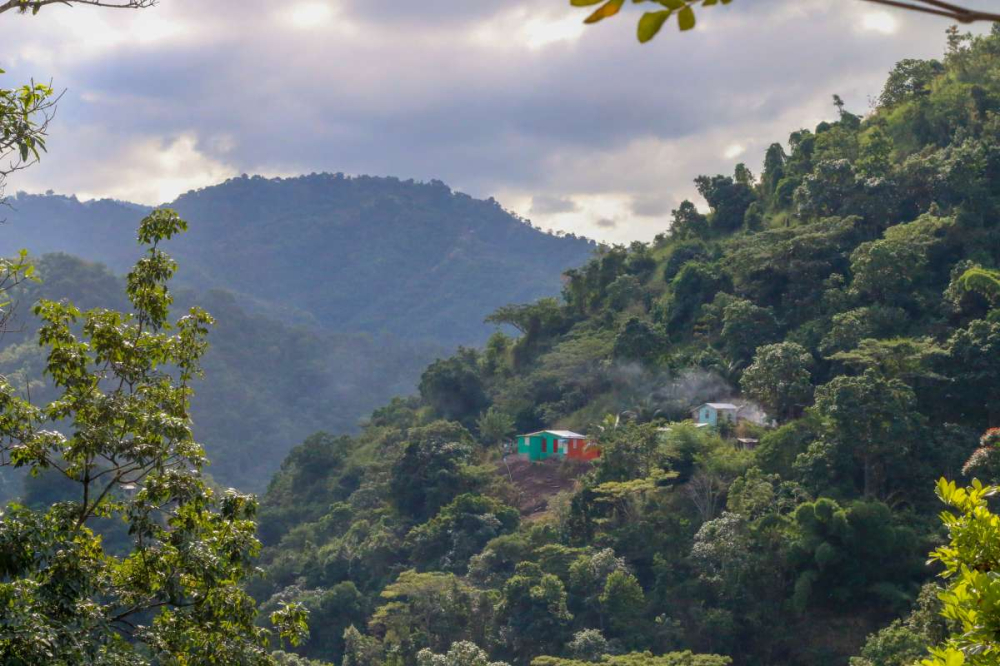
According to the regulations of the Jamaica Industrial Development Corporation, only coffee grown in four specific regions — St. Andrew, St. Mary, St. Thomas, and Portland — and at elevations between910 and 1700 meterscan be called “Jamaica Blue Mountain Coffee.” Coffee grown at elevations between460 and 910 metersis classified as “Jamaica High Mountain Coffee,” while coffee grown below460 metersis considered “Jamaica Prime Coffee” or “Jamaica Low Mountain Coffee.”
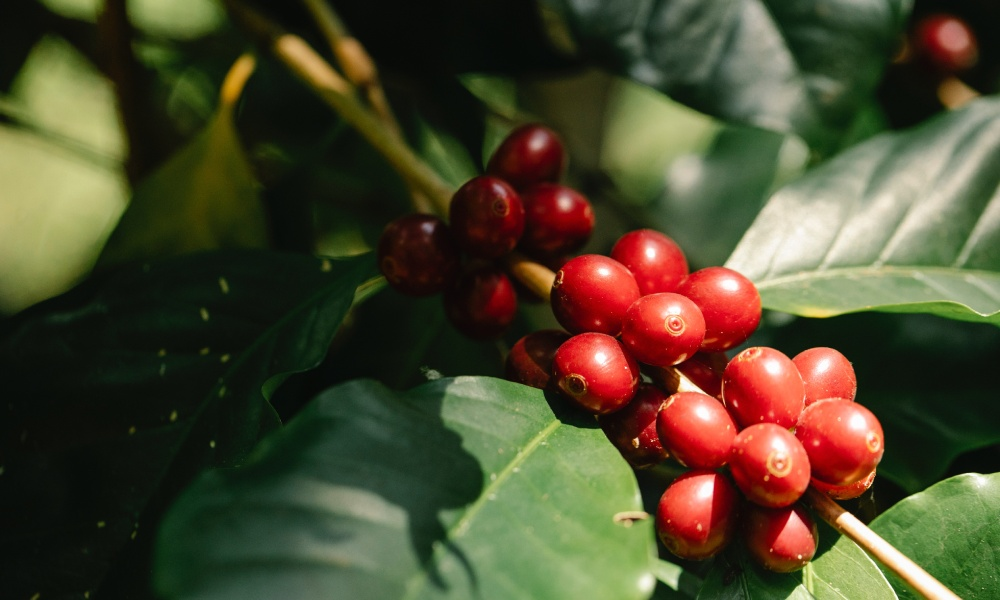
The Blue Mountain No. 1 coffee beans used come from Jamaica’s oldest Clifton Estate, which is planted at an elevation of1310 meters. Since the coffee trees on this estate are mainly planted on steep mountain slopes, harvesting is challenging. Therefore, local women familiar with the terrain are specially assigned to pick the ripe coffee cherries, ensuring only the best-conditioned beans are selected, further enhancing the final flavor profile.
Varietal: Pure Arabica Typica
Blue Mountain coffee uses100% pure Arabica variety, more precisely, the oldest and most representative Typica variety within the Arabica family. This variety was introduced to the Blue Mountain region as early as the 18th century. After two hundred years of local adaptation, it has developed a high degree of environmental resilience and formed unique disease resistance and delicate flavors — qualities that are difficult to replicate elsewhere.
Processing Method: Washed as the Main, Natural as the Secondary
Traditionally, Blue Mountain coffee is processed using thewashed method. Although in 2021, the Clifton Estate also experimented with releasing a naturally processed version, cupping results showed that the overall flavor balance of sun-dried Blue Mountain was slightly inferior to the washed version, with more pronounced berry acidity and failing to showcase the classic balance of sweet, sour, bitter, and rich body that Blue Mountain is known for. Therefore, the mainstream commercially available Blue Mountain No. 1 is still primarily washed.
Its washed process includes: manually removing defective beans, mechanically stripping the pulp, fermenting in water tanks for12 to 18 hoursto remove the mucilage, followed by re-washing and defect sorting, then evenly drying the parchment beans to a moisture content of10% to 12%, and finally storing them in a controlled warehouse. Hulling and final quality control are carried out before shipping. The entire process is meticulous to ensure the beans maintain the highest quality.
Roasting Recommendation: Medium-Dark Roast Highlights Nutty and Full-Bodied Notes
To showcase the balanced sweet, sour, and bitter profile with nutty undertones of Blue Mountain coffee, amedium-dark roastis recommended. Using the Yangjia 800N roaster, each batch uses480 gramsof beans, with precise control of heat and time: starting at170°Cwith fan setting 3, gradually adjusting heat and airflow, and dropping the beans at the start of first crack (around201.3°C) to preserve the coffee’s body and delicate fruit acids.
Pour-Over Parameters and Techniques
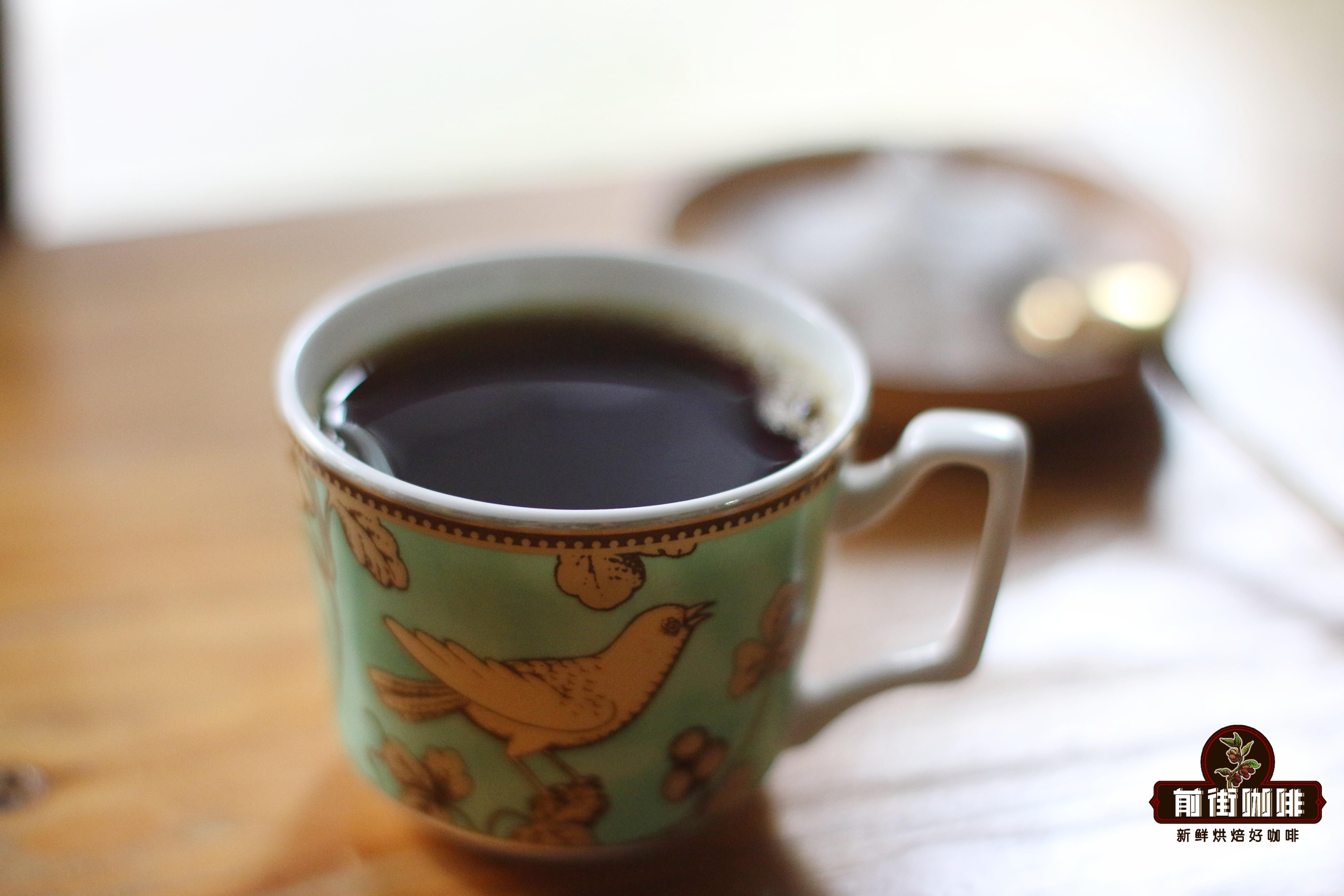
Given that Blue Mountain coffee is roasted to a darker level, it is recommended to usehot water around 88°Canda medium-coarse or coarser grind size(such as the size of white sugar, approximately 70% passing through a #20 sieve) to facilitate flavor extraction. The shop’s practical parameters are:Kono filter, 1:15 coffee-to-water ratio, 15g coffee, using a pulse pouring technique— the first pre-infusion pours 30g of water and steeps for 30 seconds; the second pours to 125g, waits for the water level to drop halfway, then adds more to reach 225g, with total extraction time of about2 minutes and 10 seconds. These parameters fully highlight the black chocolate and nutty aromas of Blue Mountain coffee, along with its creamy-smooth mouthfeel, achieving a delicate balance of sweet, sour, and bitter notes.
In summary, the charm of Jamaica Blue Mountain coffee lies not only in its expensive price and limited availability, but also in the ultimate pursuit of specialty coffee reflected in every detail — from the region, varietal, processing, roasting, to extraction. If you can grasp the above key knowledge and techniques, you’ll have a better chance of savoring the true flavor of this legendary coffee.
The above content is compiled by CoffeeHunters, a coffee news website.


