







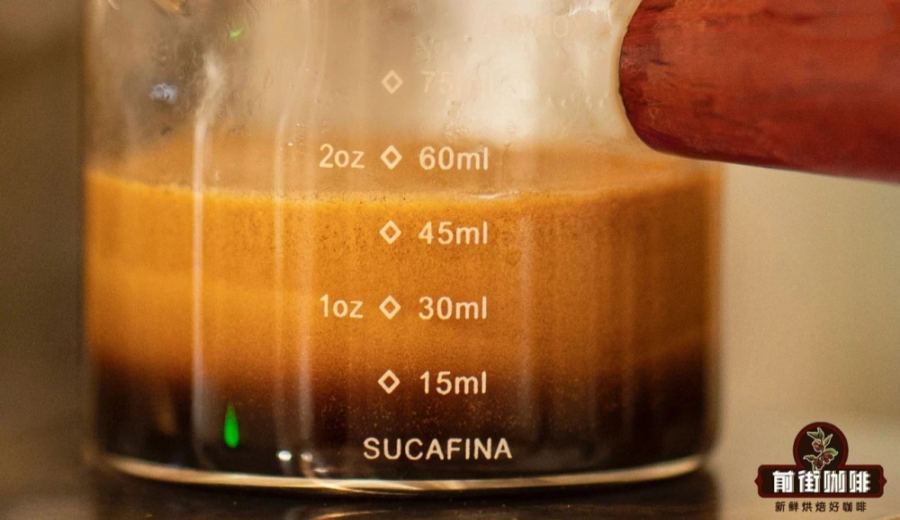
Introduction:The golden crema layer on the surface of an espresso shot is not just a visual highlight, but also a key indicator of extraction quality. How is this crema formed? Why can’t it be produced with ordinary brewing methods? This article delves into the causes of crema, its ideal visual characteristics, and the reasons behind common issues such as thin oils, abnormal color, rough or clumpy foam—along with suggestions for improvement—to help coffee lovers more accurately assess the extraction status of their espresso.
When you pick up a freshly brewed shot of espresso, the first thing that typically catches your eye is the delicate, golden foam layer atop the dark liquid—that’s what we call crema. In Italian, “crema” means “cream,” and this oily layer not only adds visual appeal but is also one of the key factors in evaluating whether an espresso has been successfully extracted.
So how does this seemingly simple foam actually form? In short, when hot water under high pressure passes through a compacted puck of coffee grounds, carbon dioxide and insoluble oils within the coffee emulsify under the combined influence of pressure and heat, ultimately forming a stable foam layer on the surface of the coffee. It’s not just a collection of bubbles—it’s a composite structure made up of gas, oils, and tiny particles.
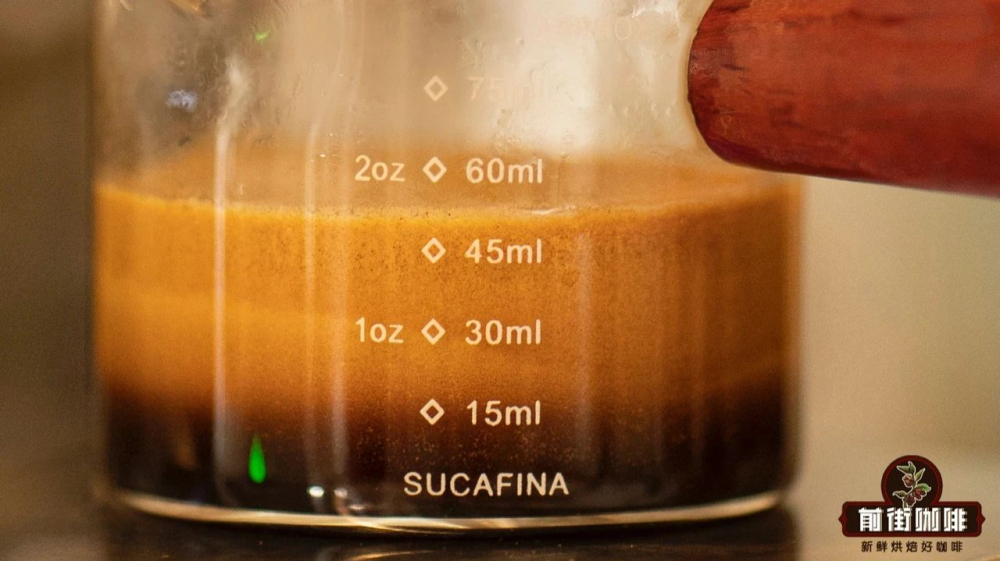
To understand crema formation, you can’t overlook the changes that occur in coffee beans during roasting. During roasting, coffee beans accumulate large amounts of carbon dioxide, which continue to release in the days following roasting. When we grind the beans into powder, the rate of gas release increases significantly, so it’s recommended to brew as soon as possible after grinding to retain enough carbon dioxide for optimal crema development.
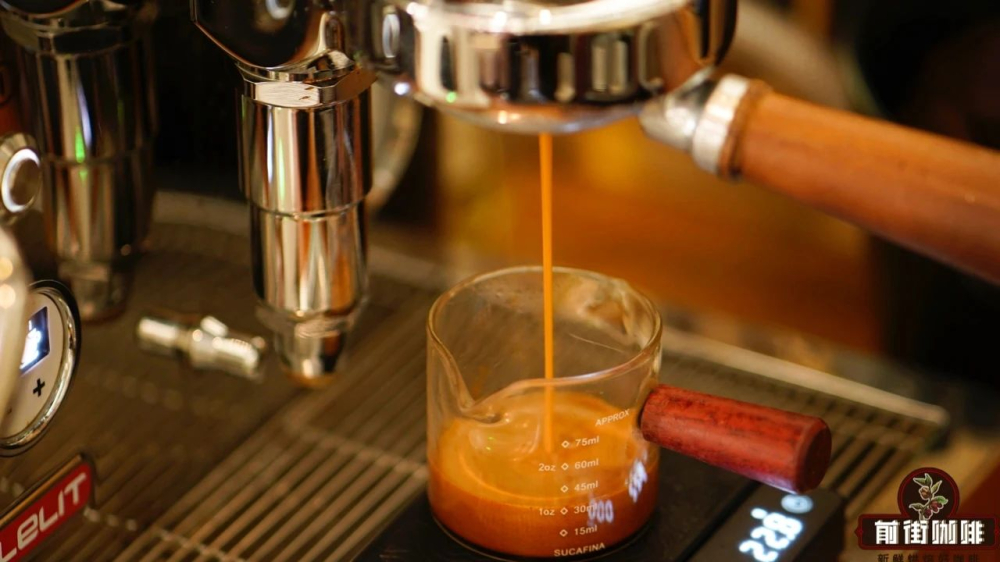
The reason espresso can form crema lies in its unique extraction method. Typically, home or commercial espresso machines push hot water through a tightly packed puck of coffee at around 9 bar of pressure. Under such high pressure, water’s ability to dissolve carbon dioxide increases dramatically, surpassing the saturation level at normal atmospheric pressure, allowing a large amount of gas to dissolve into the liquid. When the pressure is suddenly released, these gases form tiny bubbles that mix with the coffee’s oils and fine solids, eventually rising to the surface and creating the golden crema layer.
So, what qualifies as high-quality crema? Based on experience, ideal crema should exhibit a uniform golden to amber hue, have a fine texture with tightly clustered microbubbles, feel creamy to the touch, and possess some degree of adhesion along the cup’s edge. Such crema not only enhances the visual appeal of the espresso but also contributes to a richer mouthfeel and aids in latte art stability and performance when mixed with milk.
However, in practice, many factors can affect the appearance of crema. For example, if the espresso shows little to no oil layer or the crema is extremely thin, common causes may include the coffee beans being stored for too long (leading to carbon dioxide loss), overly coarse grind size, uneven tamping, or insufficient tamping pressure. Additionally, unstable extraction pressure from the machine or low water temperature can also inhibit crema formation.

Another common issue is when the crema appears white, with foam present but lacking golden hues. This is usually related to the roast level of the coffee beans used. If lighter-roasted beans with pronounced acidity are selected—especially those not fully rested or outside their optimal flavor window—this may lead to under-extraction, resulting in pale crema and potentially sharp or sour flavors.
If the crema surface is rough, the bubbles are prominent, and the foam dissipates quickly, it’s often because the coffee beans are too fresh and were brewed shortly after roasting. Freshly roasted beans contain large amounts of carbon dioxide that haven’t yet been released. When these gases rapidly dissolve into the water under high pressure, the emulsification process may not fully encapsulate all the gas, leading to a loose, easily broken foam structure.
There’s also the case where the crema appears clumpy or uneven, with a texture similar to over-whipped milk foam—poorly fluid and difficult to distribute evenly. This is usually due to an imbalance in extraction variables, such as excessive pressure, too-high water temperature, or overly fine coffee grind, causing uneven emulsification and resulting in irregular foam aggregation.
In summary, achieving satisfying crema requires a multi-faceted approach: selecting fresh, medium-to-dark roasted (or darker) coffee beans with proper resting periods, using an espresso machine capable of stable high pressure, and applying appropriate grind size and tamping techniques—ensuring that carbon dioxide and oils interact sufficiently during extraction to form a fine, uniform, and aesthetically pleasing oily layer.
By observing the color, texture, and stability of the crema, we can not only assess the extraction status of an espresso but also further adjust parameters to enhance overall flavor performance and brewing consistency.
The above content is compiled by CoffeeHunters, a coffee news website.


