








Introduction:Want to understand why Flat White stands out among countless milk coffees? The key lies in its unique base — Ristretto espresso. This article takes an in-depth look at the fundamental differences between Ristretto and traditional Espresso, details the technical aspects and suitable scenarios of two mainstream brewing methods, and includes practical parameters and common misconceptions. Whether you're a coffee enthusiast or a home brewer, you can grasp the essence of this niche concentrated coffee and learn how to choose the right blend based on your needs.
The reason Flat White stands out among many milk coffees is its distinctive base — Ristretto. This brewing method, known as "specialty espresso" or "essence espresso," differs significantly from regular Espresso in both flavor profile and concentration. Although many online sources offer a variety of preparation methods, beginners often struggle to grasp the core principles. This article will systematically break down the definition of Ristretto, its essential relationship with Espresso, and deeply explore the operational logic, pros and cons, and practical details of the two mainstream brewing approaches. It helps readers fully understand this charming and niche concentrated coffee, from bean selection to brewing techniques.

Flat White is a milk coffee characterized by its refined small cup. Its rich and sweet unique experience is highly favored by coffee lovers. Aside from its delicate and thin milk foam, the biggest difference between Flat White and drinks like Latte or Cappuccino is that it uses Ristretto as its base instead of traditional Espresso. However, because there are so many different ways to make Ristretto circulating online, beginners often feel confused and fail to truly understand its extraction meaning and core essentials.
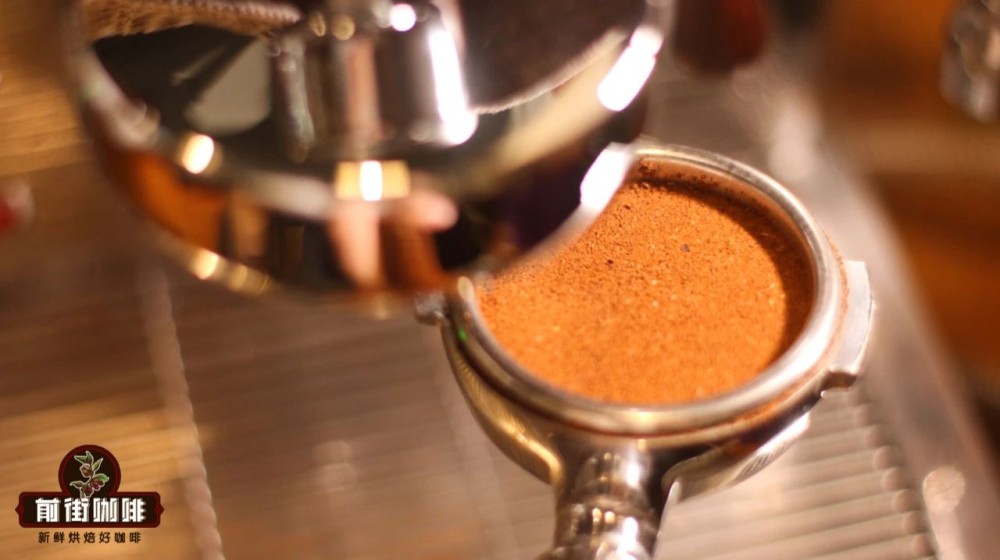
The literal translation of Ristretto is "Ristretto," which alone doesn’t easily suggest that it’s actually a type of espresso. It has several aliases, such as "specialty espresso" or "essence espresso," all pointing to the same concept: a “restricted” extraction based on Espresso. This restriction doesn’t refer to controlling a single parameter but rather deliberately reducing the total liquid output during the extraction process, thereby altering the flavor structure. Specifically, Ristretto is made by restricting the total volume of liquid extracted during an Espresso shot, typically taking only the first and middle portions while discarding the later part where bitter substances are more likely to be released. This “liquid restriction” strategy allows Ristretto to present a richer sweetness and a more balanced acid-to-sweetness ratio, with a tighter and more focused flavor profile.
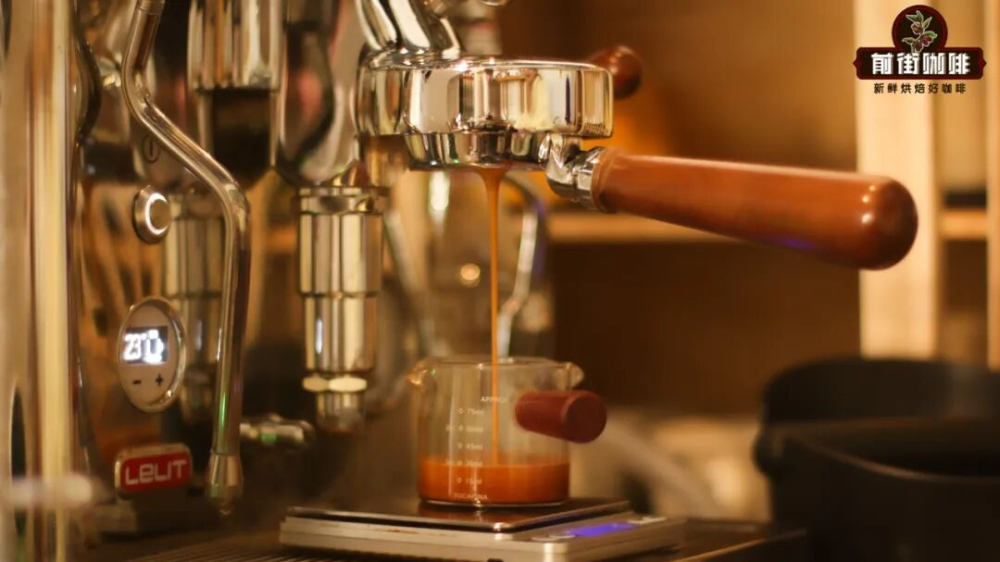
Taking common Espresso extraction parameters as an example: using 20 grams of coffee grounds to extract 40 milliliters of liquid within 30 seconds. If making Ristretto, you would only extract about 70% of the total, approximately 28 milliliters, focusing on preserving the essence of the first and middle parts while avoiding the release of bitter substances from the latter part. The benefit of this method is that it effectively reduces the overall bitterness, enhancing sweetness and aroma. Additionally, there are other similar operational logics on the market, such as extracting only two-thirds of the total espresso volume, or using a 1:1 coffee-to-water ratio for extraction. The key is understanding the core principle of “restricting liquid output.” There’s no need to stick rigidly to fixed parameters — as long as you grasp the essence, various variations can be considered valid Ristretto brewing methods.

As for choosing coffee beans for Ristretto, it depends on the intended use and flavor preferences. For those seeking a rich mouthfeel and aromatic specialty espresso, it’s recommended to use a two-region blend, such as a combination of Colombian and Brazilian beans. Such blends are usually medium-dark roasted, showcasing layers of mild acidity, sweetness, and nutty aftertaste, with medium body crema — ideal for making Ristretto and providing a stable flavor foundation for Flat White. If you’re a beginner just starting to learn latte art, you might also consider a three-region medium-dark blend inspired by the traditional "Mamba" combination (Mandheling and Brazilian), with a small amount of Robusta added to enhance aroma and crema performance, allowing you to easily pull concentrated coffee with golden crema even at home.
Currently, the mainstream Ristretto brewing methods can be divided into two main categories. The first is directly limiting the total output of Espresso, extracting only the essence of the first and middle parts. Taking the common example of 20 grams of coffee, extracting 40 milliliters of Espresso in 30 seconds, when making Ristretto, you’d only take about 28 milliliters (70% of the total), discarding the later part that may release excessive bitterness. The advantage of this method is its simplicity — you only need to adjust the extraction time or endpoint to effectively reduce bitterness, enhance sweetness and aroma, without needing additional equipment or adjusting grind size. In contrast, the second method controls flow rate by grinding finer to achieve a more intense, higher-concentration extraction. Using the same 20 grams of coffee and 30-second benchmark, to make Ristretto, you’d need to adjust the grind finer so that 20 grams still yield about 28 milliliters within the same time, but with slower flow and higher concentration. This method creates a thicker mouthfeel and fuller flavor, but the difference from traditional Espresso is more pronounced, and it requires additional equipment adjustments and grind management. For commercial coffee shops offering multiple types of espresso, the second method may require additional grinders or frequent adjustments, increasing costs and operational complexity. Therefore, most shops still prefer the first method of limiting output, aiming to strike a balance between convenience, flavor performance, and cost-effectiveness.
The above content is compiled by CoffeeHunters, a coffee news website.


