







Introduction:The Moka pot is the go-to tool for many at-home coffee enthusiasts who want to brew espresso-like coffee on their own. Not only is it affordable, but it’s also relatively easy to use. However, every step—from selecting beans and grinding to controlling the heat—affects the final flavor of the coffee. This article will thoroughly explain the structure and brewing principles of the Moka pot, introduce suitable types of coffee beans and grind sizes, and provide practical steps and precautions to help you brew rich and aromatic coffee with your Moka pot.
If you want to easily brew a cup of espresso-style coffee with rich Italian flavors at home, the Moka pot is undoubtedly an excellent choice with great cost-performance. Though it may seem simple to use, details such as the roast level of the coffee beans, the fineness of the grind, the heating intensity, and even whether or not to use a filter paper can directly impact the extraction efficiency and flavor profile. This article starts with the basic structure and working principle of the Moka pot, analyzes why dark roasted beans are better suited for Moka pot brewing, and breaks down the entire process from bean selection to brewing step-by-step. Whether you're a beginner or already have some experience as a coffee lover, you’ll find practical insights here.
As coffee culture becomes more widespread, more and more coffee enthusiasts are no longer satisfied with buying coffee outside and are choosing to purchase beans to brew at home. In addition to grinders, various brewing tools have also become a focal point. Among them, the Moka pot stands out due to its affordability and ability to simulate the extraction effect of an espresso machine, making it the first choice for many households. So, how can you use a Moka pot to brew coffee that closely resembles the flavor of espresso?
First, let’s get to know this classic coffee brewing tool—the Moka pot. Originating in Italy, the Moka pot was designed by Alfonso Bialetti in 1933 and remains a common household item in many European kitchens to this day. Its basic principle is to use the steam pressure generated by heating the lower chamber to push hot water up through the coffee grounds in the middle filter basket, ultimately extracting a rich coffee liquid in the upper chamber. This pressurized extraction method is precisely what allows the Moka pot to produce coffee with flavors similar to espresso.

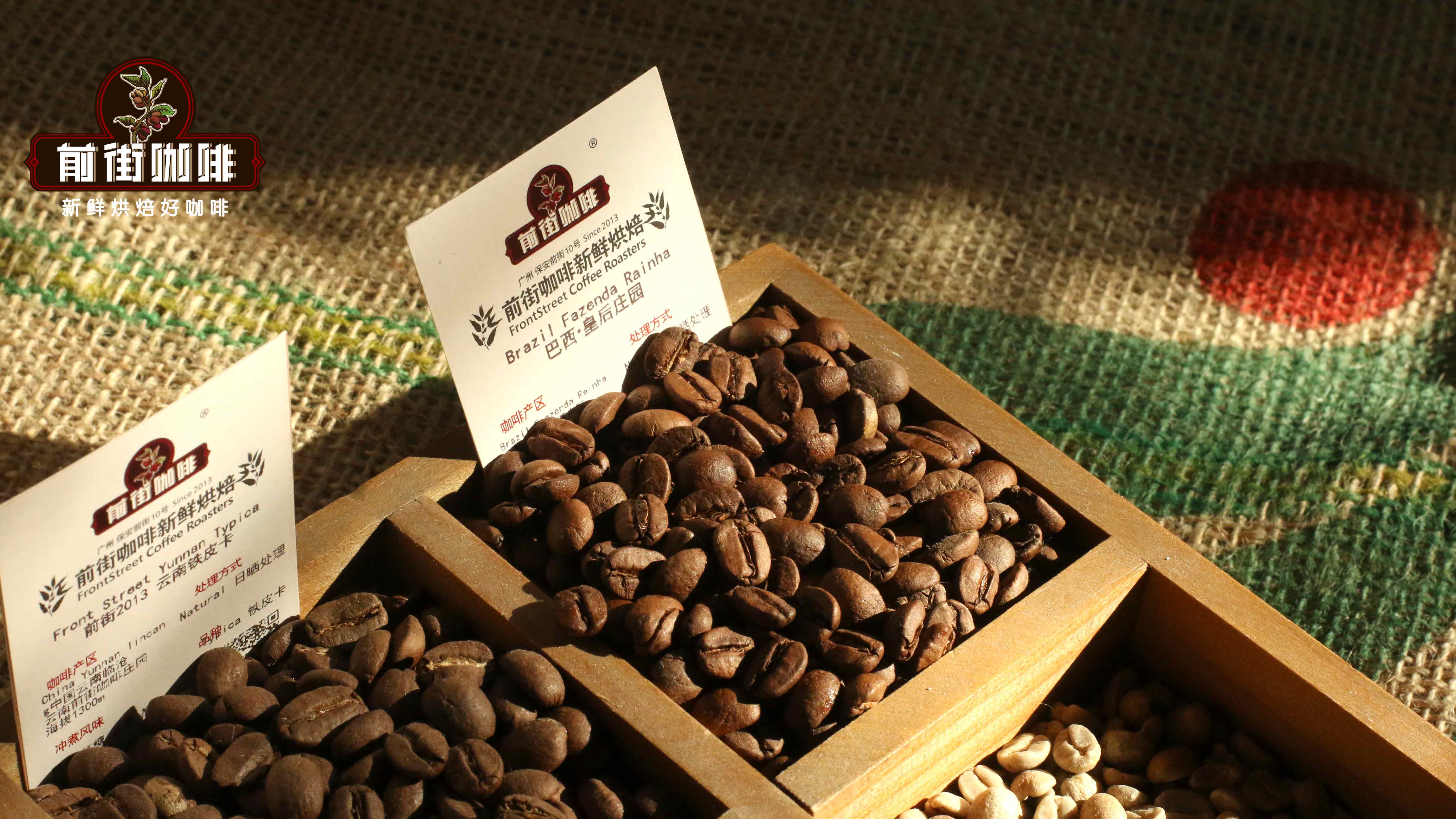
So, what kind of coffee beans are suitable for use in a Moka pot? Both light and dark roasted beans can be used, but the flavor profiles they produce are distinctly different. Light roasted beans typically have more pronounced acidity and a refreshing taste, but often lack the body needed for espresso-like coffee. Dark roasted beans, on the other hand, undergo more thorough caramelization, resulting in lower acidity and rich notes of chocolate, nuts, and caramel, which better showcase the bold characteristics extracted by the Moka pot. In addition, dark roasted beans release more carbon dioxide, which is one of the key factors in forming coffee crema. Therefore, if you’re aiming for a rich, smooth coffee with a layer of crema, dark roasted beans are the better choice.
When selecting coffee beans, if you prefer a rich nutty profile, consider using beans with a thicker mucilage layer, such as yellow Bourbon processed via the natural (sun-dried) method, which usually offers a more prominent sweetness. For a more balanced flavor, you might also choose a blend of beans from different regions—for example, a blend of Brazilian and Colombian beans can deliver a clean cup with notes of chocolate and nuts. If you enjoy fruity and floral notes in your coffee, a honey-processed blend is also a great option, offering gentle acidity and rich complexity.
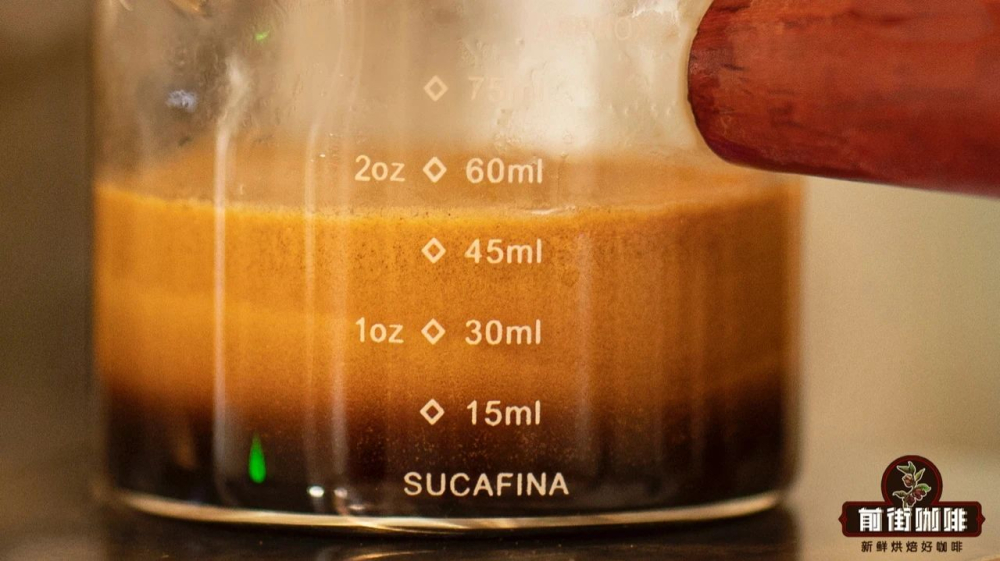
Now that we’ve covered bean selection, let’s move on to the structure and extraction principles of the Moka pot. The Moka pot mainly consists of three parts: the lower chamber holds the water, the middle filter basket contains the ground coffee, and the upper chamber collects the brewed coffee. When the water in the lower chamber is heated, the steam pressure pushes the hot water up through the coffee grounds and ultimately extracts a rich coffee liquid into the upper chamber. This pressurized extraction principle allows the Moka pot to brew coffee with a certain level of body and crema, even without an expensive espresso machine.
Regarding the grind size of the coffee, it is recommended to use a fine grind between 0.3 to 0.55 mm—slightly coarser than the very fine grind used in espresso machines but much finer than the coarse grind used for pour over. You can judge the appropriate grind size by observing the flow rate and extraction: if the grind is too coarse, the water will pass through too quickly, leading to under-extraction and fast coffee flow; if the grind is too fine, it may cause channeling or blockage, resulting in over-extraction or even no extraction at all. It’s advisable to experiment a few times when using the Moka pot for the first time to find the grind size that works best for your specific device.
As for whether to use filter paper, although not mandatory for the Moka pot, it is recommended to use either round filter papers or cut hand drip filter papers. Filter paper effectively filters out fine coffee particles, reducing the gritty sensation at the bottom of the cup and resulting in a cleaner-tasting coffee. If you want to further adjust the flavor—for instance, to reduce fruit acidity—you can try using double-layered filter paper, which helps create a fuller and smoother mouthfeel.
There are several key points to keep in mind when using a Moka pot. First, do not fill the water in the lower chamber above the safety valve level to avoid excessive pressure and potential danger. Second, it’s best to use low to medium heat when brewing, especially when using an open flame—be cautious to prevent overheating, uneven heating, or tipping. When you hear the Moka pot start to make a “hissing” sound, it means the pressure is gradually building up. At that point, reduce the flame and observe the coffee flow from the upper chamber. Once about half of the coffee has been extracted, you can turn off the heat and allow the residual heat to complete the rest of the brewing process.
In summary, the Moka pot is a practical tool that allows you to easily recreate espresso-like flavors at home. By mastering bean selection, grind fineness, heat control, and brewing steps, you can brew a rich, aromatic cup of coffee that may even develop a crema layer. Whether you’re new to the Moka pot or looking to refine your brewing technique, paying attention to these details can greatly enhance both your Moka pot experience and the flavor of your coffee.
The above content is compiled by CoffeeHunters, a coffee news website.


