







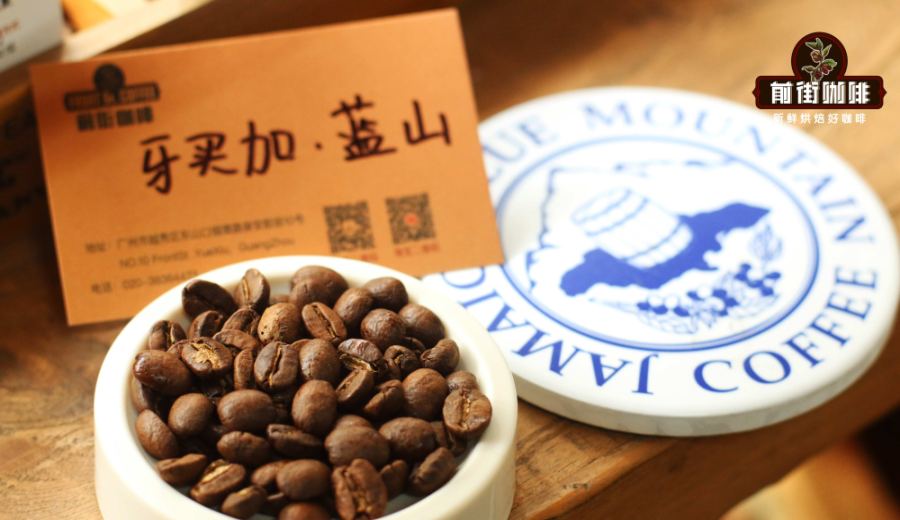
Introduction:Jamaican Blue Mountain coffee is hailed as the pinnacle of specialty coffee, but not all "Blue Mountain" products on the market actually come from the authentic growing region. This article delves into the history, the three legally defined growing regions, the variety characteristics, and the rigorous grading system of Blue Mountain coffee, while also comparing the differences between washed and natural processing methods. It further provides practical pour over recommendations and flavor descriptions to help you identify authenticity and brew a balanced, elegant Blue Mountain cup.
Jamaican Blue Mountain coffee is arguably the most renowned item in the world of specialty coffee. However, products labeled as "Blue Mountain" are not necessarily sourced from the authentic Blue Mountain region of Jamaica. From a professional perspective, this article systematically introduces the value positioning, historical background, legally defined growing regions, variety features, and official grading standards of Jamaican Blue Mountain coffee. It also details the flavor differences of Blue Mountain No. 1 coffee under both washed and natural processing. Additionally, it offers expert pour over parameters and comprehensive flavor analysis, enabling coffee enthusiasts to not only grasp the knowledge of Blue Mountain coffee but also personally brew a cup with distinct layers and balanced elegance.
Whether you're new to the world of coffee or a seasoned connoisseur, the name Blue Mountain coffee is likely no stranger to you. As a top-tier representative of specialty coffee, Jamaican Blue Mountain coffee is often regarded as the finest of all due to its unique flavor and rarity. In the past, enjoying a cup of authentic Blue Mountain coffee was indeed a luxurious experience, and even today, its price remains high. But do all products labeled as "Blue Mountain" truly come from the genuine Blue Mountain region? What is the real value and character of Blue Mountain coffee? Let’s start from the basics and break it down step by step.
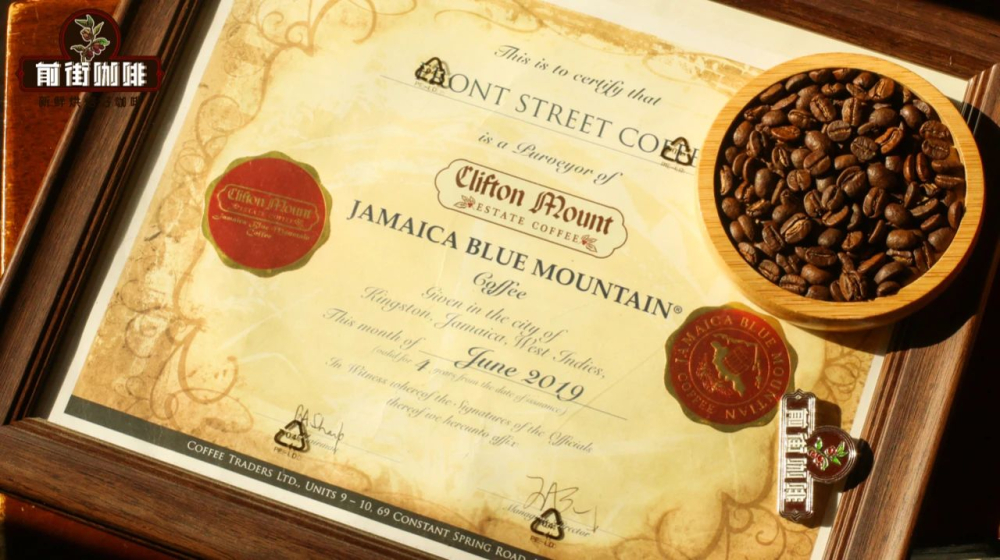
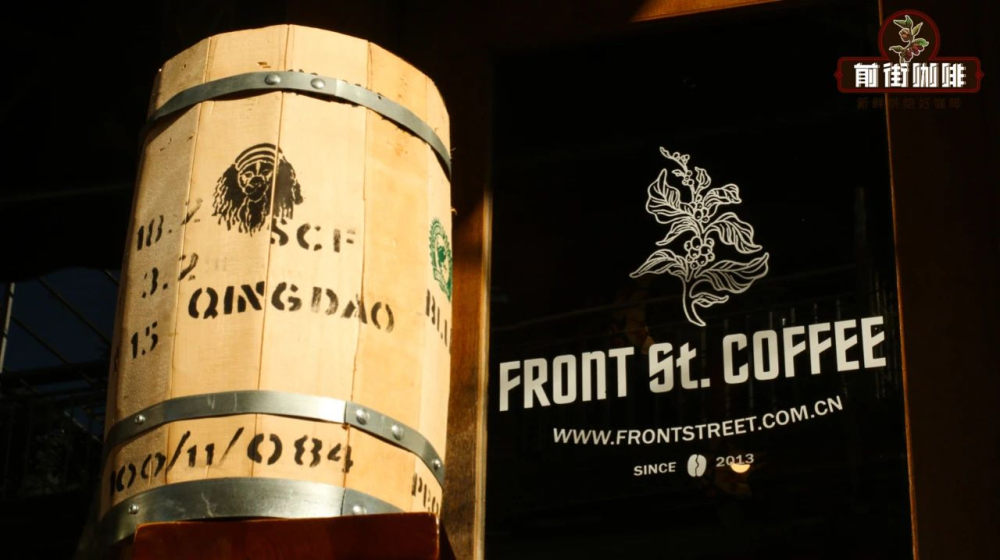
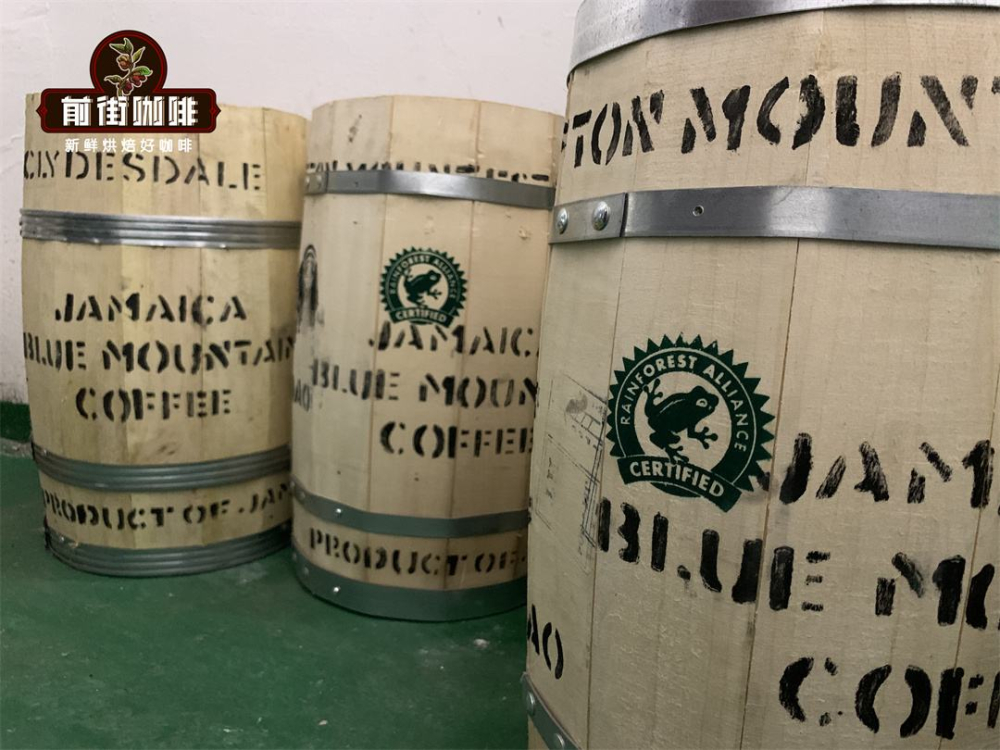
The reason Blue Mountain coffee is so expensive lies not only in its rare growing region and strict quality control, but also in its official certification. Currently, authentic Jamaican Blue Mountain coffee on the market comes with a certification issued by the Jamaica Coffee Industry Board (CIB), ensuring that its origin and processing meet legal standards. A certain merchant selling Jamaican Blue Mountain No. 1 coffee includes this official certificate, and the green coffee beans used are stored in wooden barrels marked with a green frog logo — a designation exclusive to the Clifton Estate, which holds Rainforest Alliance certification. Jamaica is the only producing region in the world that still ships green coffee beans in wooden barrels, complemented by its distinctive aromatic profile: rich yet not overpowering, with balanced layers of flavor where acidity, bitterness, sweetness, body, and aroma are all well-proportioned, with no single note being overly dominant.
The Jamaican government once mandated that all Blue Mountain coffee be roasted locally to maintain quality consistency. However, coffee roasting is a technique that requires long-term experience and precision equipment, and the shorter the time between roasting and consumption, the better the coffee’s optimal flavors can be expressed. Considering the time constraints of local roasting and export from Jamaica, the country has now opened up exports of green beans, allowing consumers to achieve better flavor profiles through the processing of international specialty roasters.
The history of Jamaican Blue Mountain No. 1 coffee dates back to the early 18th century. In 1717, King Louis XV of France ordered the promotion of coffee cultivation in Jamaica. By the mid-1720s, then-Jamaican Governor Sir Nicholas Lawes introduced Arabica seeds from Martinique and successfully trial-planted them in the St. Andrew area. Subsequently, these coffee trees found an ideal growing environment in the Blue Mountains, gradually developing into the world-renowned Blue Mountain coffee, as well as the high-altitude grown Highland coffee and general Jamaican coffee, all forming different price tiers based on altitude and quality.
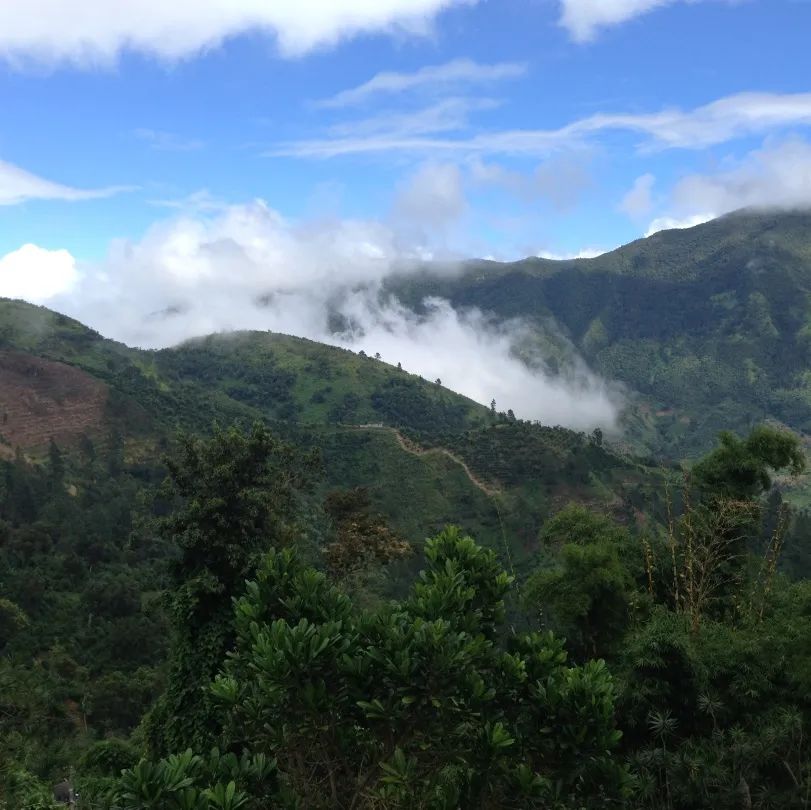
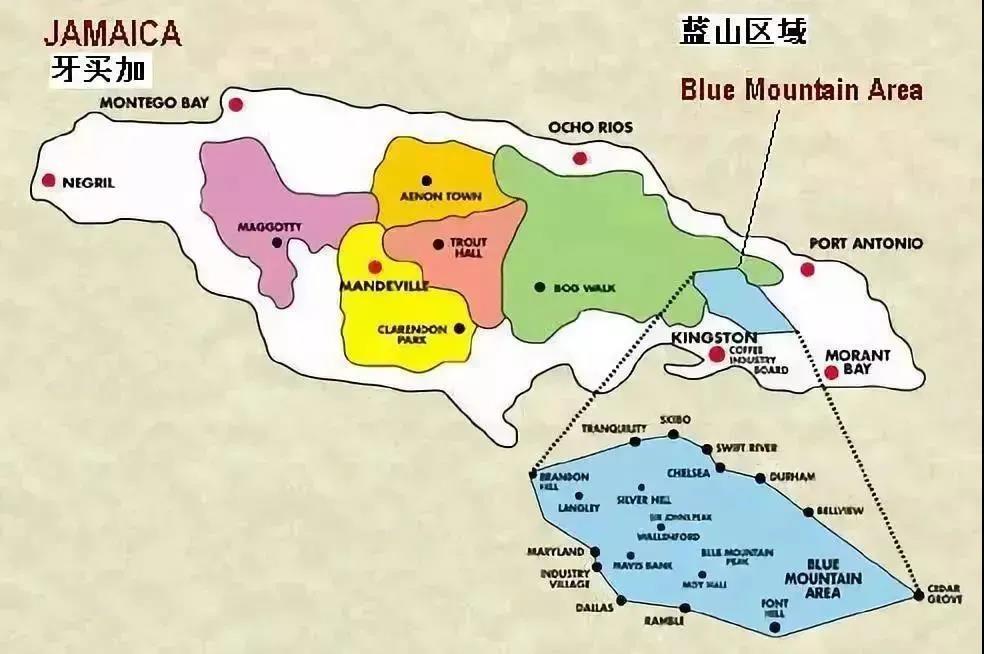
The legally defined Blue Mountain growing region spans only about 6,000 hectares, which is relatively limited. Therefore, not all coffee labeled as "Blue Mountain" actually comes from this core area. In addition, approximately 12,000 hectares are used for cultivating high-altitude grown premium coffee and general Jamaican coffee. The current core Blue Mountain regions include St. Andrew, Portland, and St. Thomas. Some well-known small estates such as Wallenford Estate, Silver Hill Estate, and Atlanta Estate also produce Blue Mountain-grade coffee. It’s worth noting that these estates are mostly family-run small-scale growers, with some families having cultivated here for over two centuries.
The Jamaican government has established the world’s only official coffee regulatory body — the Jamaica Coffee Industry Board (CIB), which is part of the Ministry of Agriculture and Fisheries. It is responsible for providing planting technical guidance, processing training, quality control, and brand maintenance for Blue Mountain coffee. The CIB stipulates that only coffee beans grown at elevations above 2,200 feet (approximately 666 meters) in the Blue Mountains can be called Jamaican Blue Mountain coffee. Its grades are divided into NO.1, NO.2, NO.3, and PB (Peaberry) based on bean size and the rate of external defects. Among them, NO.1 is the highest grade, requiring beans to be 17 mesh or larger, with a defect rate below 3% and moisture content around 13%. With its large, uniform beans, balanced flavor, and a well-rounded combination of acidity, sweetness, bitterness, body, and aroma, it is considered the finest by coffee lovers worldwide and commands the highest price. In addition, there are several well-known coffee processing factories near the CIB offices, such as CLYDESDALE, located halfway up the Blue Mountains at an altitude of about 1,200 meters, which is also one of the important production areas for Blue Mountain coffee. Furthermore, Wallenford and Mavis Bank are two historically significant Blue Mountain coffee processors. The former accounts for over 60% of all Jamaican Blue Mountain coffee production, while the latter produces coffee in three grades: Blue Mountain, Highland, and Select.
Global coffee varieties are mainly divided into Arabica, Robusta, and Liberica. Blue Mountain coffee belongs to the Typica variety within Arabica, which is the oldest Arabica subspecies. Typica coffee trees have bronze-tipped leaves, elliptical or slender beans, tall tree structures, and branches that incline at about 50-70 degrees, hence earning the nickname "red-top coffee." Their leaves are smooth and elongated ovals, flowers are white, and fruit yield is low. Each mature fruit appears as a bright red cherry, but the yield is low and they are susceptible to pests and diseases — another key reason why Blue Mountain coffee remains expensive.
The grading system of Jamaican Blue Mountain coffee is extremely rigorous. It is legally divided into three main categories: Blue Mountain coffee, Jamaican High Mountain Supreme coffee, and Jamaican Prime coffee. Among them, Blue Mountain and High Mountain coffee are each further subdivided into four grades, from highest to lowest: NO.1, NO.2, NO.3, and PB (Peaberry). According to CIB standards, only coffee grown at elevations between 1,000 and 1,700 meters (approximately 666 meters and above) can be called Blue Mountain coffee. Among these, those grown above 1,000 meters, due to their rarity, large bean size, and harmonious flavor, are considered the crème de la crème — namely the highest-priced Blue Mountain No. 1 on the market.
The specific grade criteria are as follows:
(1) NO.1: 17/18 mesh, defect rate below 2%
(2) NO.2: 16/17 mesh, defect rate below 2%
(3) NO.3: 15/16 mesh, defect rate below 2%
(4) Peaberry (PB): 10MS, defect rate below 2%
In the past, Blue Mountain No. 1 coffee was only processed using the washed method, which involves fermenting and washing with clean water to remove the pulp and skin. This requires well-established washed processing facilities and a continuous water supply. During processing, the coffee beans undergo 12–18 hours of fermentation, followed by the removal of residual mucilage using water flow and friction. They are then dried in the shade until the moisture content reaches 12–14%. Finally, screening and storage are carried out, with each step requiring precise control to ensure the final flavor. Starting in 2020, the Blue Mountain region exported a small quantity of naturally processed Blue Mountain No. 1 for the first time. These beans are dried naturally, and although their flavor profile differs from the washed version, they equally showcase the unique potential of Blue Mountain coffee. Natural processing highlights sweetness and fruity notes, meeting the demands of a diverse market.
Recommended pour over guidelines:
It is recommended to use freshly roasted coffee beans (within 5 days of roasting) for the best flavor expression. Coffee beans require a 4–7 day degassing period after roasting, during which the flavor is most balanced. It is suggested to use a Kono filter, set the water temperature to 88°C, use 15 grams of coffee, a 1:15 coffee-to-water ratio, and a medium grind (approximately 75% passing through a Chinese No. 20 sieve). Use a three-stage extraction: start with a 30-gram bloom for 30 seconds, then pour in a slow circular motion up to 125 grams for the first pour, wait until the water level is about to uncover the coffee bed before pouring up to 225 grams, then stop and let it drip through. The total extraction time is about 2 minutes. These parameters help avoid over-extraction under relatively low water temperatures and darker roast levels, while fully highlighting the delicate flavors of Blue Mountain coffee.
Flavor description:
[Natural Blue Mountain coffee] features a slight berry acidity, reminiscent of the aromas of black plum and mulberry. The overall balance is elegant, with pronounced notes of dark chocolate and nuts, along with a hint of complexity from natural fermentation.
[Washed Blue Mountain coffee] centers on rich dark chocolate and nut flavors, with a creamy, silky-smooth mouthfeel. The acidity, sweetness, bitterness, and saltiness are well-balanced, offering distinct layers.
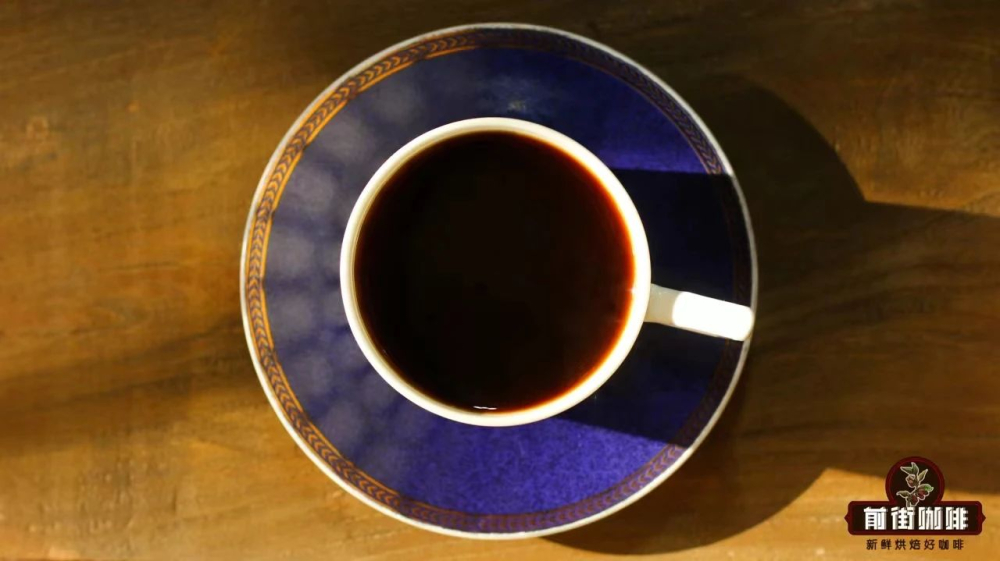
Finally, remember to gently swirl the brewed coffee to ensure even flavor distribution before enjoying a cup of premium coffee from the Jamaican Blue Mountains.
The above content is compiled by CoffeeHunters, a coffee news website.


