







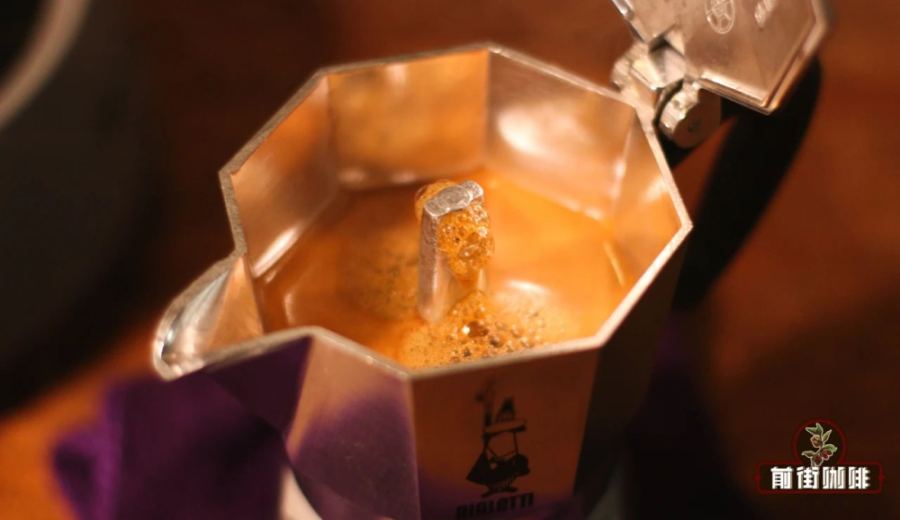
Introduction:The Moka pot is often the first step for many home coffee enthusiasts venturing into the world of espresso-style coffee. Without the need for an expensive machine, it allows you to brew flavorful espresso-like coffee. This article will delve into the working principles of the Moka pot, the differences between single and double valve models, optimal coffee-to-water ratios, ideal grind size, water temperature control, and provide practical usage steps, common mistakes to avoid, as well as cleaning and maintenance tips. This will help you use it correctly to brew richly crema-ed and flavorful coffee.
In recent years, more and more people have started experimenting with coffee brewing methods other than pour over at home. Among them, the Moka pot has become the preferred tool for many coffee beginners stepping into the world of espresso flavors, thanks to its simple operation and bold output. Compared to professional espresso machines, the Moka pot is more affordable and easier to use, capable of producing coffee that closely resembles espresso. Although its flavor complexity may not be as rich as high-end machines, it still showcases bold crema and the characteristics of dark roasted beans.
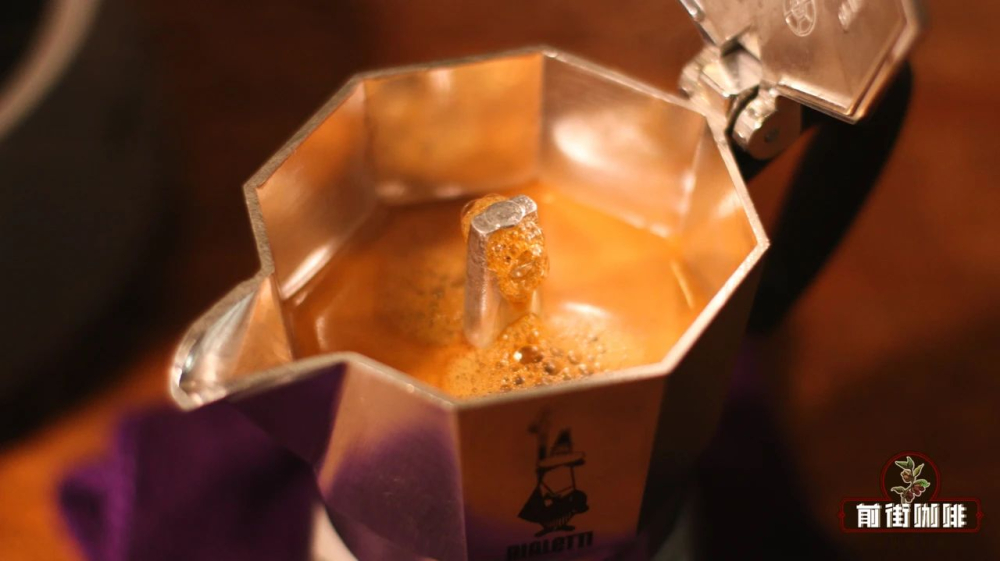
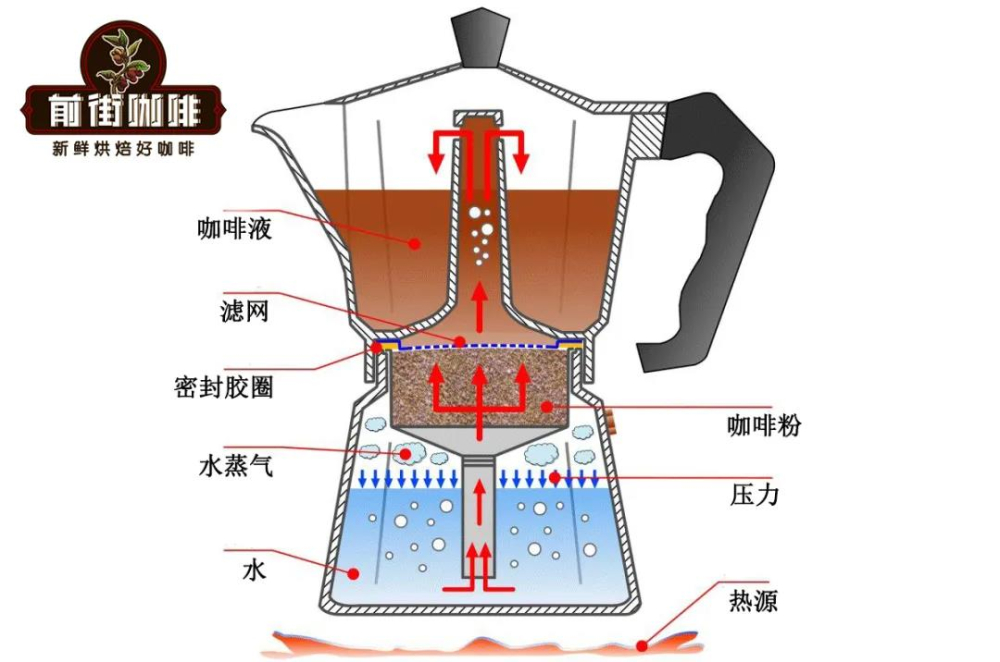
What exactly is a Moka pot? This classic Italian coffee brewing device, originating in 1933, was invented by metal craftsman Alfonso Bialetti and remains a common fixture in kitchens worldwide. The Moka pot uses steam pressure generated by heating to push water from the lower chamber through a filter filled with ground coffee and into the upper chamber. Its overall mechanism is similar to a siphon, but with more noticeable pressure, thus extracting richer coffee crema.
Moka pots on the market are mainly divided into two designs: single-valve and double-valve. In a single-valve Moka pot, the brewed coffee flows out naturally from a small hole at the top of the hollow tube. The extraction pressure is relatively low, resulting in less coffee crema and a lighter flavor. On the other hand, a double-valve Moka pot adds a pressure valve to the base of the hollow tube. The valve only opens when a certain level of steam pressure is reached, allowing the coffee to spray out. This design extracts richer crema and a bolder taste, making it an ideal choice for those who prefer strong coffee.
When adjusting the extraction parameters of the Moka pot, the grind size of the coffee is one of the key factors influencing flavor. It is recommended to use a medium to fine grind, approximately between 0.3 and 0.55 millimeters — finer than pour over coffee but slightly coarser than the very fine grind used in standard espresso machines. If the grind is too coarse, the water resistance is too low, which may lead to under-extraction. The coffee may gush out quickly like a fountain, and the crema layer will also be thin. Conversely, if the grind is too fine, the resistance is too high, possibly preventing the water from rising smoothly or even causing a low “wuu wuu” sound. In this case, you should immediately remove the heat source to avoid danger.
As for water temperature control, it is recommended to use hot water that is close to boiling rather than cold or room-temperature water. If using room-temperature water, the coffee grounds may start interacting with the water before reaching the optimal extraction temperature, leading to over-extraction or uneven results. Ideally, you should fill the pot with water near boiling point to help stabilize the extraction temperature, thus producing a more balanced coffee flavor.
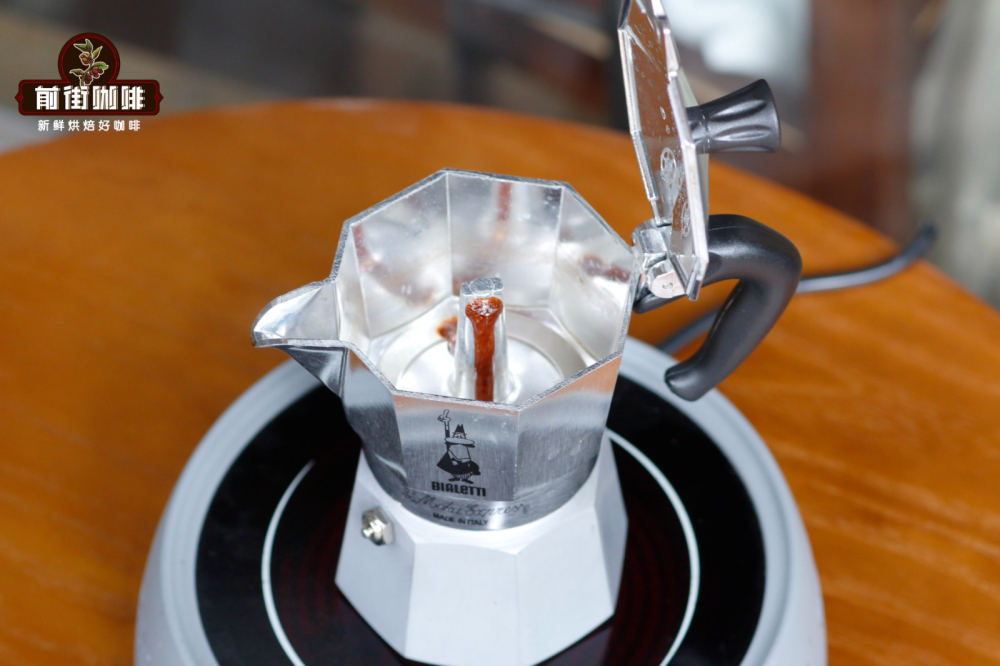
Here are the basic steps for using a Moka pot: First, fill the lower chamber with water near boiling point. Make sure the water level does not exceed the safety valve at the bottom, as this could affect the valve’s function. Next, add your medium-fine ground coffee into the upper filter basket, then level it gently without compacting it too much. After placing the filter basket into the lower chamber, screw the upper chamber tightly onto it. It is recommended to keep the upper chamber open during the first heating to observe the flow of coffee. Once the coffee starts flowing steadily into the upper chamber, remove the Moka pot from the heat source to avoid over-extraction.
To further improve extraction performance, you can adjust the steeping time based on the roast level of the coffee beans used. Lighter roasts, which contain more acidity and fruity notes, benefit from a brief resting period of about one to one and a half minutes in the pot after brewing, aiding in flavor development. Darker roasts, already rich in flavor and oils, are better poured out immediately after brewing to avoid bitterness from over-extraction. Additionally, if you prefer a stronger taste, you can lightly press the coffee grounds using a pressure-reducing disc, then refill and slightly tamp the coffee before brewing. This helps enhance both concentration and pressure output.
Cleaning and maintenance are equally important. After each use, allow the Moka pot to cool completely, then disassemble the upper chamber and filter. Remove coffee grounds and any residual liquid. Rinse the filter and inner parts of the pot gently with water only — avoid using steel brushes, baking soda, or abrasive cleaning tools that may scratch the surface. Over time, discoloration at the bottom may occur due to water quality issues; this can be gently cleaned using a mixture of white vinegar and water to remove limescale. Moreover, as the Moka pot is made of aluminum alloy, it is not recommended for dishwasher use. After cleaning, let it air dry completely in a ventilated area to prevent rust or deformation.
Finally, selecting the right coffee beans is also key. Since the Moka pot relies on steam pressure for extraction, medium to dark roasted beans, which contain more carbon dioxide, can produce richer crema and a bolder flavor, making them a more ideal choice. Light roasts, although offering brighter flavors, are harder to showcase their delicate characteristics in a Moka pot, and their crema is usually less pronounced compared to medium to dark roasts. By considering all the above factors and adjusting the coffee-to-water ratio, grind size, water temperature, and brewing time, you too can brew a cup of espresso with a flavor profile close to that of a café using just a Moka pot.
The above content is compiled by CoffeeHunters, a coffee news website.


