







Introduction:Blue Mountain coffee enjoys global renown, yet its fame has also led to widespread counterfeits. This article delves into the authoritative production region certification, grading standards, and varietal characteristics of genuine Blue Mountain coffee, guiding you through three key methods to distinguish authenticity. It also details the cultivation altitude zones and unique flavor profile of Blue Mountain No. 1. Additionally, professional pour over recommendations and precise extraction parameters are provided to help coffee enthusiasts fully grasp the essence of this classic bean from selection to brewing.
For a long time, Blue Mountain coffee has been the ultimate symbol in the hearts of coffee lovers worldwide. However, its immense popularity has resulted in the market being flooded with various imitation products marketed as "Blue Mountain flavor," making it difficult for consumers to discern real from fake. This article will systematically introduce how to identify authentic coffee beans from the Jamaican Blue Mountains, starting from origin certification, grading systems, and varietal background, while analyzing their unique cultivation zones and flavor profiles. We’ve also compiled professional-grade pour over extraction schemes and actual flavor profiles to help you make more accurate judgments when selecting and tasting.
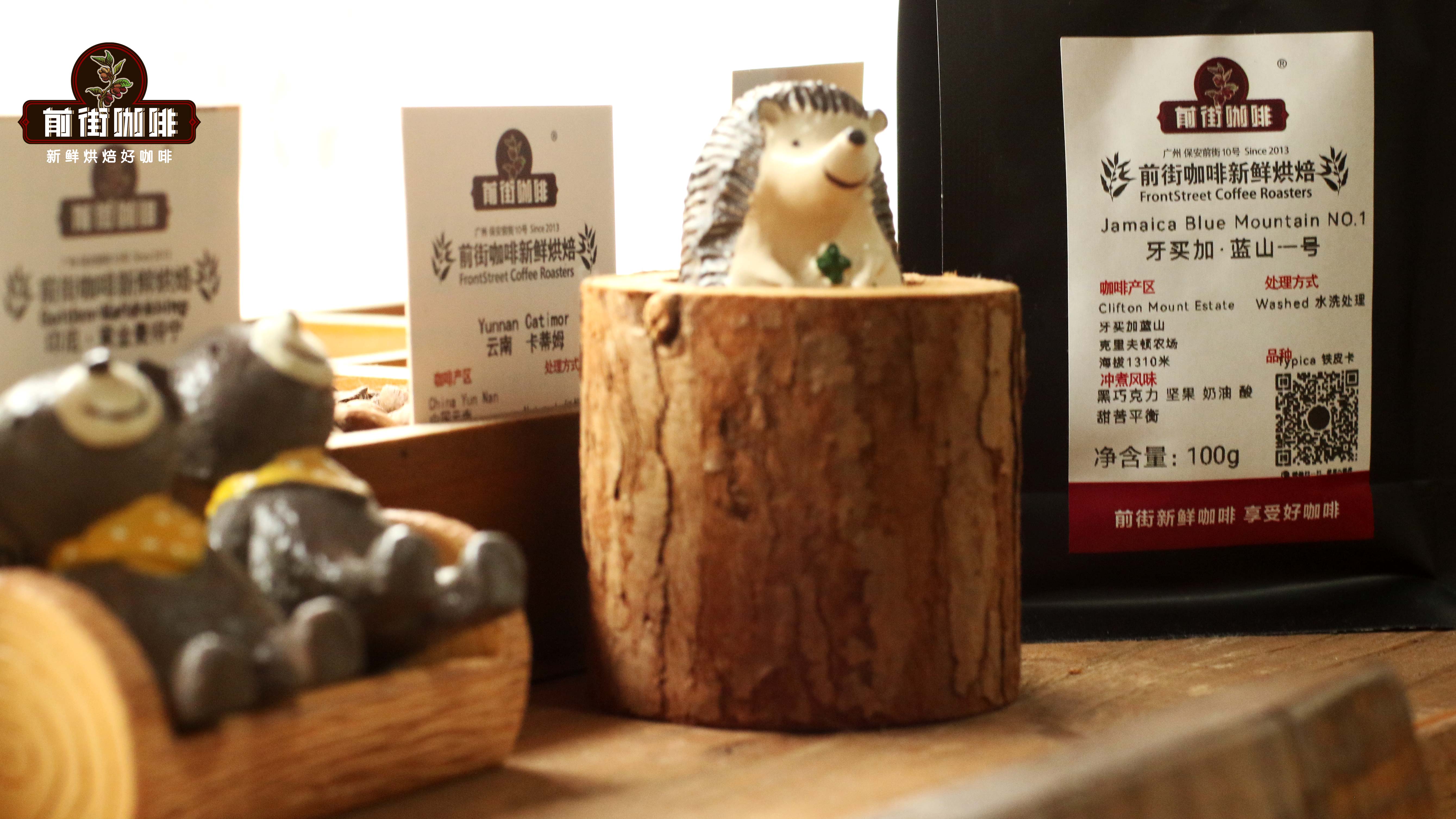 Despite Blue Mountain coffee’s prestigious reputation, are you certain that what you’re drinking is truly from the Jamaican Blue Mountains?
Due to the international fame and relatively high price of Blue Mountain coffee, many merchants take the opportunity to launch various products billed as having a "Blue Mountain flavor." These include coffee beans not grown in the Blue Mountains, beans from lower-altitude areas of the Blue Mountains, or even instant coffee or blended beans—none of which bear much resemblance, if any, to true high-altitude Blue Mountain coffee. The rarity and high quality of authentic Blue Mountain coffee make it an exceptional offering in the coffee market.
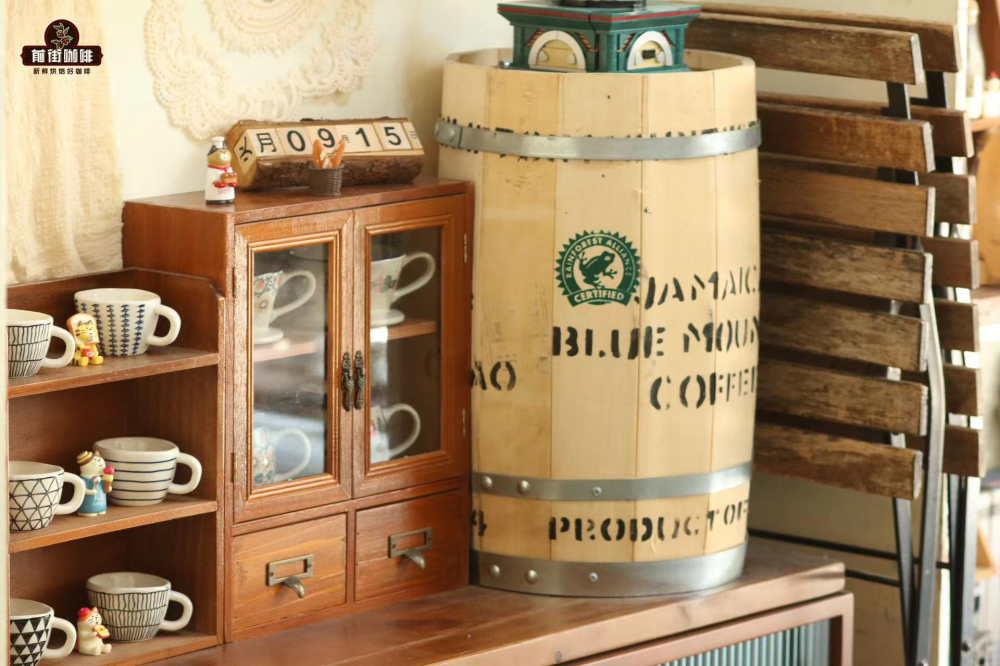
To identify the authenticity of Blue Mountain coffee beans, there are three main points to consider. First, genuine Blue Mountain No. 1 coffee beans are all exported in whole-barrel wooden cask packaging. When purchasing, consumers should check whether the seller can present the original wooden barrel of the Blue Mountain coffee lot, which effectively prevents the mixing in of beans from other regions.
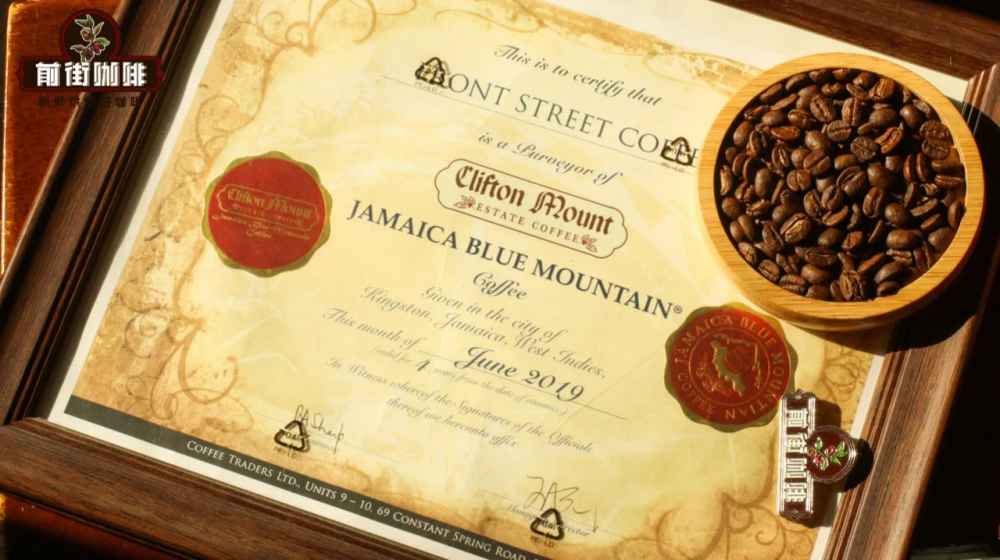
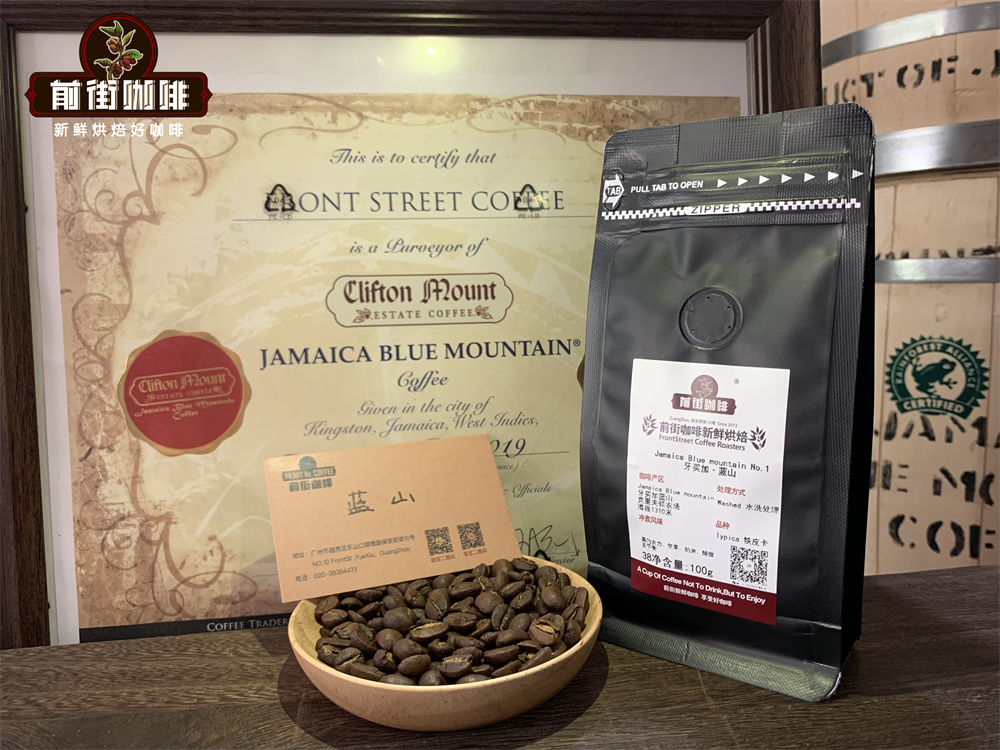
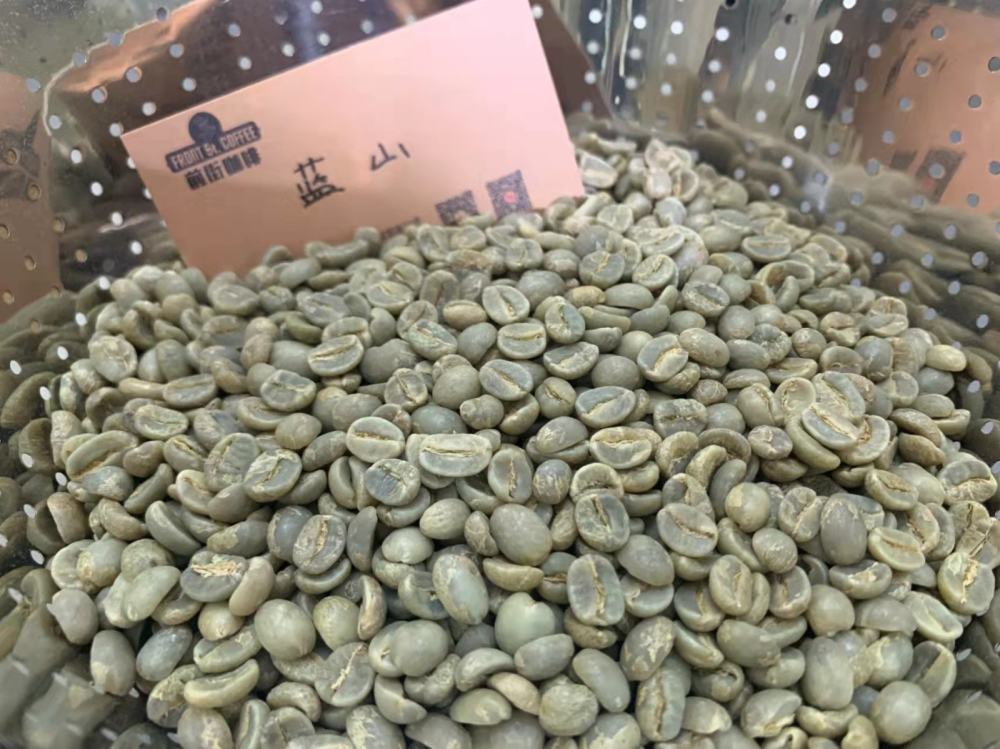
 Second, for those purchasing green beans directly, official certification documents can be requested from the Jamaica Coffee Industry Board (CIB) or the original estate. This is an important document proving the beans’ authentic origin. Lastly, among the Blue Mountain single-origin beans currently on the market, most fall under the Blue Mountain No. 1 grade. Their green beans must meet strict standards: over 96% of the beans must be 17 mesh size or larger, and the defect rate must not exceed 2%. As a result, the beans are generally uniform in size and have a plump, oval shape—another key visual criterion for identification.
 When it comes to brand selection, it’s actually not a crucial factor. All authentic Blue Mountain coffee beans come from the four authorized processing plants and several independent farms under the Jamaica CIB. There is little significant difference in quality between brands. The focus should be on confirming the authenticity of the beans’ origin. It is recommended that consumers prioritize reasonable pricing and reliable sources. For example, the commonly available 100g packs of Blue Mountain No. 1, if priced within a reasonable range, offer good value for money.
The reason Blue Mountain coffee has become a globally recognized item is closely tied to its long-standing positioning in the Asian market. In the past, Blue Mountain was often seen as the most expensive and highest-quality coffee bean. Although in recent years it has been surpassed in price by other regions—such as Panama’s Geisha variety, which once sold for $40,000 per kilogram at auction—Blue Mountain coffee still remains beloved by Asian coffee aficionados for its rich, full-bodied taste and balanced acidity, sweetness, and bitterness.
So, where exactly is Blue Mountain coffee grown? The answer is the Blue Mountains in eastern Jamaica. This mountainous region is often shrouded in mist, and when sunlight penetrates the fog, it creates a pale blue halo, hence the name "Blue Mountain." However, not all coffee produced in the entire mountain area can be called Blue Mountain coffee. According to official Jamaican certification, only coffee grown in the four administrative regions of St. Andrew, St. Thomas, St. Mary, and Portland, at altitudes between 910 and 1700 meters, qualifies to be labeled as Blue Mountain.
 In contrast, coffee grown at altitudes between 500 and 900 meters is classified as Jamaica High Mountain coffee, while coffee grown below 500 meters is referred to as Jamaica Supreme coffee. This grading system ensures the purity of origin and consistency in quality for Blue Mountain coffee.
It’s worth noting that "Blue Mountain" is not a coffee varietal name, but refers to coffee grown in this specific mountain range. The varietal used in Blue Mountain coffee is Typica, one of the oldest in the Arabica family. Introduced to the Blue Mountains in the 18th century, after two centuries of local adaptation, it has developed excellent disease resistance and a unique flavor profile that is difficult for other regions to replicate.
 The flavor characteristics of Blue Mountain coffee can be attributed to its exceptional growing environment. Located in a volcanic seismic zone, the soil is rich in minerals. Coupled with the significant diurnal temperature variation caused by high altitude, year-round cloud cover, and abundant rainfall, the Typica coffee beans accumulate rich flavor compounds and sugars. This environment produces Blue Mountain coffee with a clean and bright acidity, soft sweetness, and a well-balanced, delicate bitterness.
In actual tasting, Blue Mountain beans grown at higher altitudes typically exhibit a more pronounced balance of acidity, sweetness, and bitterness, while those from lower altitudes may be slightly inferior in balance and clarity. Understanding these details helps consumers more accurately judge the origin and quality of the beans when tasting.
As for how to brew the best Blue Mountain coffee flavor? Take the Blue Mountain No. 1 produced by the Clifton Estate in Jamaica (at an altitude of 1310 meters), for example. This estate is not only one of the oldest plantations in the Blue Mountains but also the only one to receive Rainforest Alliance certification. Its green coffee packaging features the green frog logo, indicating that its production process meets environmental sustainability standards.
 For this medium-to-dark roasted Blue Mountain No. 1, it is recommended to use the pour over method to fully showcase its rich and bold aromatic qualities. The KONO filter cone is recommended, utilizing its tightly fitting paper design to achieve an immersion-like extraction effect, enhancing the overall concentration of the coffee. At the same time, to avoid over-extraction leading to bitterness, it is suggested to use slightly lower water temperature and a coarser grind size.
Specific pour over parameter recommendations are as follows: water temperature around 88°C, coffee to water ratio of 1:15, using 15 grams of coffee grounds, ground to a coarse sugar-like level (approximately 75% passing through a 20-mesh sieve). Use the three-pour method—first pour 30 grams of hot water for a 30-second bloom, then slowly circle with a thin central stream up to 125 grams, wait for the water level to drop and continue pouring to 225 grams. Total extraction time should be controlled to about 2 minutes. Finally, gently swirl the coffee liquid before enjoying.
The brewed Blue Mountain No. 1 delivers outstanding flavor performance: caramel aroma is noticeable during the bloom stage, and upon tasting, it reveals a rich profile of nuts and dark chocolate. The overall mouthfeel is full-bodied with distinct layers, and the aftertaste is sweet and clean—making it a classic choice for experiencing authentic Blue Mountain flavor.
The above content is compiled by CoffeeHunters, a coffee news website.


