








Introduction:Geisha (Geisha) coffee is renowned for its unique tea-like aftertaste and rich floral aroma, making it one of the most iconic varieties in the specialty coffee scene over the past two decades. This article delves into the history and development of Geisha, explores its varietal characteristics, and takes the washed Panamanian Boquete Geisha as a practical example. From roasting strategies to iced pour-over techniques, it breaks down the details step by step — including grind size, water temperature, pouring methods, and extraction suggestions — to help you fully grasp this star coffee bean from flavor to technique.
Geisha (Geisha) coffee, with its delicate floral notes, bright acidity, and distinctive tea-like aftertaste, has completely transformed global specialty coffee evaluation standards. Since making its debut in Panama in the early 21st century, this ancient variety originating from Ethiopia has become a sought-after gem for many coffee enthusiasts. This article will start with its varietal origins, guiding you through how Geisha journeyed from the African forests to the international stage. Using the washed Geisha from Panama’s Boquete region as an example, it provides a detailed analysis of each step from roasting to pour-over (especially iced pour-over), helping you fully experience its rich complexity.
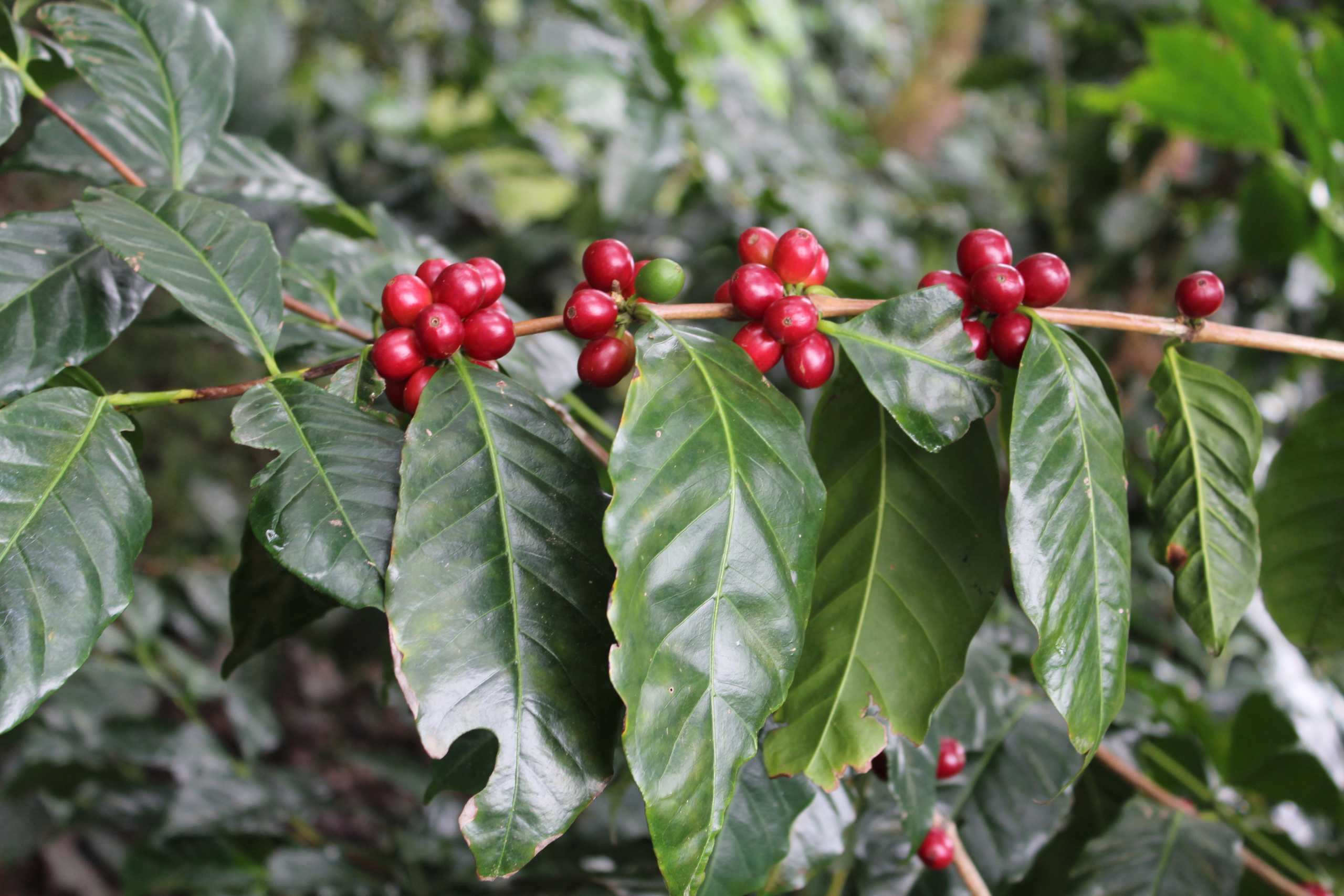
Geisha was first discovered in 1931 by the British in the Kaffa Forest of Ethiopia’s Gesha region and was then transported to Kenya along with other seeds under the name Gesha. It subsequently spread to Uganda and Tanzania in 1936, and was introduced to Costa Rica in 1953 under registration number T2722. It wasn’t until the 1970s that it was brought to Panama by Mr. Francisco Serracin, owner of the Hacienda La Esmeralda, from Costa Rica. Initially, due to Geisha’s plant characteristics — including long internodes, large node spacing, low flower and fruit yield, low photosynthetic efficiency, fragile root systems, and high environmental requirements — it was only used for research purposes in Panama, with extremely low yields, about half that of the Catuaí variety, which later contributed to its high market value.
However, everything changed around the year 2000. The person in charge of Panama’s Hacienda La Esmeralda at the time noticed the variety’s perfume-like, delicate, and captivating aroma, and decided to cultivate and process it separately. By 2004, this coffee won the Best of Panama (BOP) competition, instantly gaining fame and also leading the specialty coffee market away from its previous pursuit of bold and heavy flavors toward an emphasis on fruity, floral, and fresh taste profiles. Roasting styles gradually shifted from dark roasts to light roasts to preserve more of the original flavors and acidity.
Taking the washed Geisha from Panama’s Boquete region as an example, its green beans typically exhibit a beautiful bluish-green color with a jade-like oily sheen. The raw bean aroma already reveals notes of fresh grass, peach, and berries, with many evaluators mentioning its unique “oolong tea milk fragrance” — a sweet tonality reminiscent of tea, which is quite rare in coffee. These characteristics become even more pronounced in cupping after roasting. Industry experience (from Front Street Coffee) indicates that light roasting can effectively highlight Geisha’s acidity and tea-like qualities while avoiding the sharpness or bitterness caused by over-development.
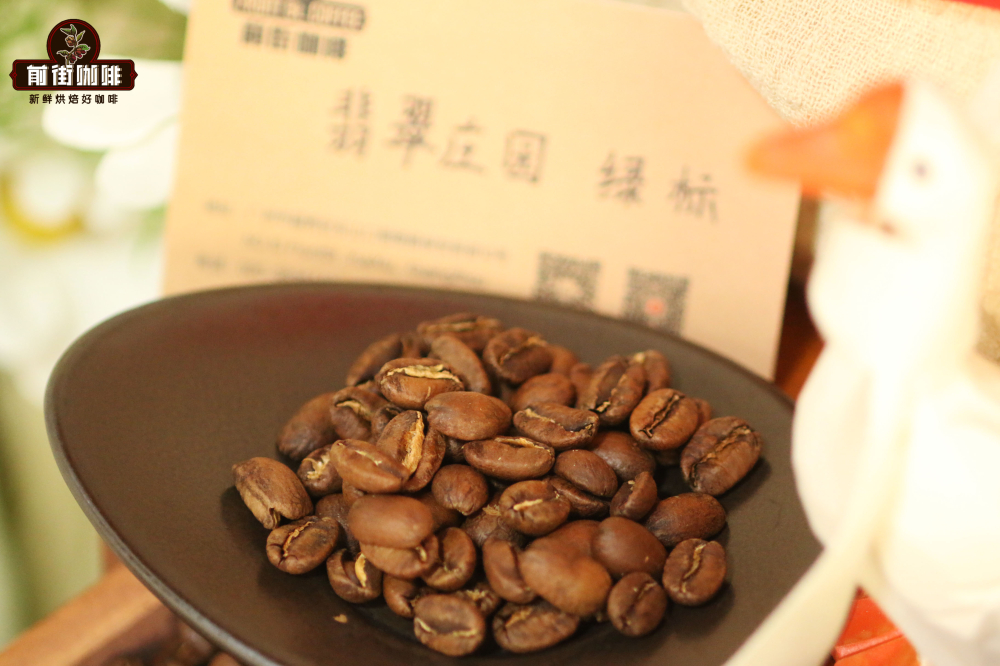
For Boquete washed Geisha, the recommended roasting point is to drop the beans about 1 minute and 20 seconds after the first crack. This timing allows its fresh fruity and floral notes to fully express while retaining sweetness and body. If roasted too lightly, grassy notes may remain and acidity may feel thin; but if roasted too dark, the floral and fruity aromas as well as acidity will quickly diminish, shifting toward woody and bitter tones, completely failing to showcase what Geisha is meant to be. Additionally, finished Geisha beans often have fine “sexy wrinkles” on their surface, with a color resembling cinnamon — another typical feature of light roasting.
In terms of flavor, cupping confirmed that this light-roasted Panamanian Boquete washed Geisha mainly presents bright citrus acidity, pure white floral notes, honey-like sweetness, and a soft green tea-like aftertaste. The overall mouthfeel is refreshing and layered, making it highly suitable for drinkers who prefer clean, bright coffees.
To fully showcase Geisha’s delicate flavors, pour-over is the most common brewing method, but in hot seasons, iced pour-over has also become a favorite for many. The so-called “high concentration, high extraction” refers to maintaining sufficient coffee strength and extraction rate even under ice conditions, ensuring the chilled drink retains a full body and complete flavor profile. Operationally, it is recommended to achieve high concentration by reducing water volume and adjusting grind size, while “high extraction” involves maximizing the release of soluble flavor compounds within limited water, requiring precise technique and parameter control.
Recommended iced pour-over parameters are as follows: 15 grams of coffee, using about 10 times the amount of hot water (150 grams) for brewing, plus 5 times the amount of ice (about 75 grams). Water temperature should be controlled at 92°C, with a grind size recommended to have an 83% extraction through a #20 sieve (equivalent to EK43s setting 9 or C40 setting 22). Use a Hario V60 filter cone and employ a three-pour brewing method.
The specific steps are as follows: First, place 75 grams of ice in the bottom carafe, then put 15 grams of ground coffee into the filter cone and gently tamp it down. For the first pour, use a small stream of 3–4 ml per second, pouring 30 grams of hot water in a circular motion from the center outward, and let it bloom for 30 seconds. For the second pour, using the same method, add 60 grams of hot water, keeping the liquid level stable to avoid it getting too high, which could lead to under-extraction. Finally, when the coffee is about to finish dripping, pour the remaining 60 grams of hot water at a rate of 3 ml per second. The total brew time is recommended to be between 1 minute 50 seconds and 2 minutes.
The resulting iced pour-over Geisha offers a clean white floral aroma upon the first sip, followed by bright citrus and blueberry-like acidity, paired with subtle sweetness reminiscent of sweet potato and caramel. The overall mouthfeel is light and well-balanced between acidity and sweetness. It’s worth noting that due to the use of ice, some unmelted ice chips may remain in the bottom carafe during brewing. For a more concentrated flavor, it’s recommended to enjoy the coffee before the ice has completely melted, ensuring the best possible tasting experience.
The above content is compiled by CoffeeHunters, a coffee news website.


