








Introduction:Although espresso may seem simple at first glance, it involves a wealth of techniques and details. From extraction parameters to drinking methods, every step influences the final flavor. This article delves into the golden rules of espresso extraction, exploring how key variables such as grind size, water temperature, and pressure shape the flavor profile. Using an actual blend as an example, it breaks down its recipe design and roasting characteristics, and finally guides you through the correct steps to taste espresso—from starting with a glass of ice water to appreciating its layers and depth.
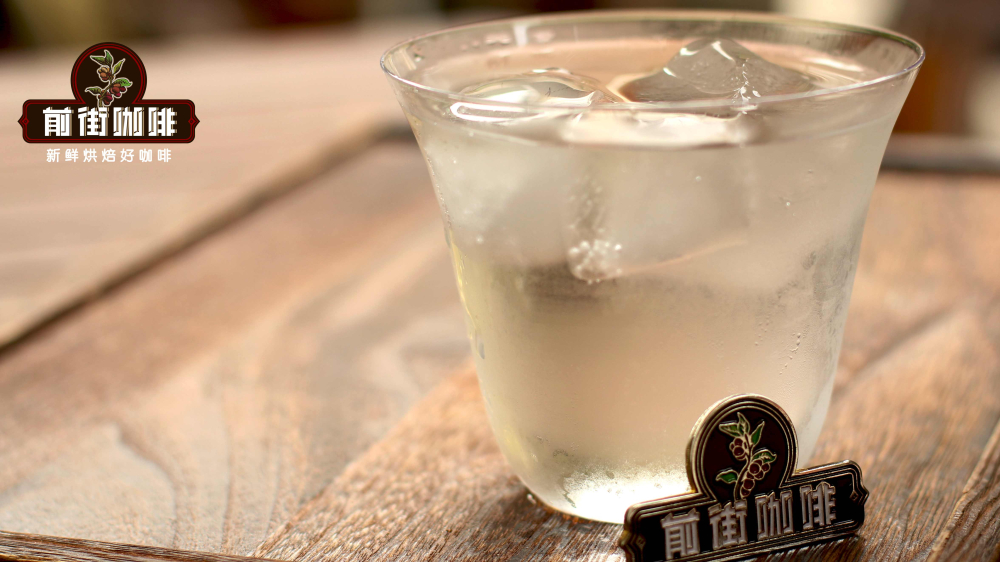
The process of making espresso may take only a few dozen seconds, yet it encompasses a lot of knowledge. Variables such as extraction pressure, water temperature, amount of coffee grounds, and final liquid yield all directly affect the direction of the coffee’s flavor. Many people, upon their first taste, often wonder about the seemingly random offering of ice water—what role does this water play? In fact, it not only cleanses the palate but also helps you more keenly capture the subtle flavors of the espresso.

The process of making espresso may seem intuitive: filling the portafilter with coffee grounds, evenly distributing them, applying moderate tamping, and then using high pressure to extract a golden liquid with a rich aroma. However, to consistently extract an espresso that is balanced in flavor and smooth in texture, precise control over various parameters and long-term hands-on experience are required.
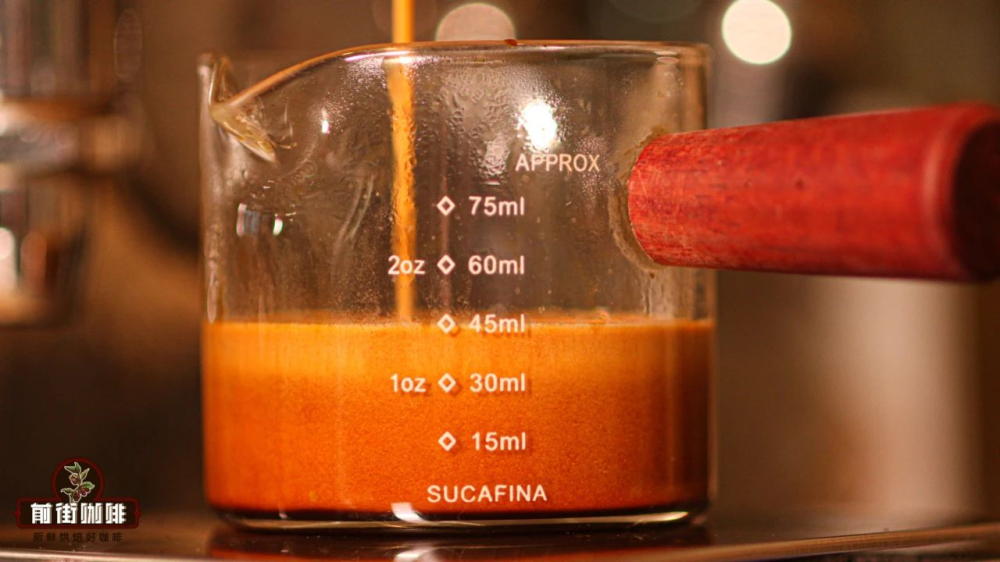
According to the traditional definition by the Specialty Coffee Association (SCA), the ideal espresso should be produced under9 to 10 bars of pressure, using7 to 9 grams of coffee grounds,at a water temperature of 88 to 92°C, over a period of22 to 28 seconds, yielding approximately45 millilitersof espresso. However, with the rise of the third wave coffee movement, the trend toward lighter roasts and advancements in equipment technology, modern standards have been adjusted: using18 grams of coffee grounds, increasing the water temperature to92 to 94°C, with an extraction time of about25 to 27 seconds, and the final yield measured by30 grams (by weight), achieving even greater precision.
During actual extraction, it is necessary to comprehensively consider complex factors such as ambient temperature and humidity, the roast level and freshness of the coffee beans, the fineness of the grind, as well as extraction pressure and time. Professional baristas often fine-tune these parameters repeatedly before daily operations to ensure consistent quality in every cup of espresso.
Key elements affecting extraction include:Grind size(the finer the grind, the larger the contact surface area, but over-grinding can lead to over-extraction),Extraction pressure(insufficient pressure results in thin crema and flat flavor, while excessive pressure may extract unwanted impurities),Dose (amount of coffee)(must match the capacity of the portafilter basket; too little leads to under-extraction, too much prevents proper extraction), andYield (amount of extracted liquid)(typically following a 1:2 coffee-to-water ratio, where the initial flavors are intense and gradually fade toward the end).

Taking practical experience as an example, a stable set of extraction parameters could be:Grind setting at 2.1(adjusted according to grinder model),Extraction pressure at 9±2 bar,Water temperature between 90 to 96°C,Coffee dose of 19.5 grams, yielding35 grams of espresso. Under these parameters, the coffee presents a rich whiskey-like aroma upon entry, accompanied by distinct vanilla and cream notes, accented by hints of berry acidity, with a lingering finish of dark chocolate, offering a thick and smooth mouthfeel.
The recipe design of blends is equally crucial. Take a blend combining Honduran and Ethiopian beans as an example: its70% Honduran Sherry beansare washed and then undergo low-temperature fermentation in sherry whiskey barrels, infusing the beans with sweet wine-like aromas, followed by slow drying in the shade to lock in the fragrance; the remaining30% Ethiopian Natural Red Cherryis processed using the traditional natural method, enhancing the contrast between acidity and sweetness as well as the depth of the aftertaste. It should be noted that such blends are designed for dual use with both espresso machines and pour over methods—the flavor expression and roast level requirements differ significantly between the two brewing methods, and it is not recommended to attempt replication by blending single-origin beans on your own.
The correct way to taste espresso is also important. It is recommended to first take a sip of ice water to cleanse the palate, then gently stir the crema on the surface of the espresso with a small spoon to observe its color and oiliness. The first sip is advised to be small, allowing the coffee liquid to evenly touch the tongue to perceive the initial wine-like aromas and acidity, as well as the subsequent body and aftertaste. For a more comprehensive experience, you may stir the espresso evenly with a spoon before drinking to appreciate the flavor transitions at different temperatures.
If you prefer the pour over method, you may use a KONO dripper, withwater at 87°C,a coffee dose of 15 grams,and a 1:15 coffee-to-water ratio, using a grind size of about 70% passing through a standard Chinese No. 20 sieve (medium-coarse). Begin by pouring in a “の” shape to wet the coffee grounds and bloom for 30 seconds, then pour in circles from the center outward to reach 125 grams for the first pour, and when the water level is about to expose the coffee bed, continue pouring to a total of 225 grams, keeping the total extraction time around 2 minutes. This method can deliver a similar whiskey-like aroma and berry acidity, with an equally rich and captivating mouthfeel.
The above content is compiled by CoffeeHunters, a coffee news website.


