







Introduction:Espresso is the soul foundation of coffee beverages. From classic Espresso to short Ristretto and long Lungo, each form contains unique flavor logic. This article deeply dissects the extraction principles, powder-to-water ratios, and flavor differences of five common types. Through practical parameter examples and tasting suggestions, it guides you to master key knowledge from bean selection to brewing details. Whether you’re a barista or an enthusiast, you’ll find practical directions to elevate quality.
Espresso is not only the core of Italian coffee culture but also the creative foundation of cafés worldwide. From the first espresso machine in 1884 to the lever machine design in 1948 that introduced the golden crema, this high-pressure-extracted, intense beverage has continuously evolved and influenced the diversity of modern coffee drinks. This article will explore five classic forms of espresso—regular Espresso, short Ristretto, standard Normale, long Lungo—and their extraction parameters and flavor characteristics. It also shares bean selection and tasting techniques through real-world cases, helping you fully understand this classic drink from theory to practice.
The term “espresso” comes from the Italian word for “fast,” named because it takes just a few minutes from preparation to serving. The brewing principle is not complicated: high-pressure steam forces nearly boiling hot water through a tightly packed layer of finely ground coffee, extracting about 30 milliliters of dark concentrated liquid covered with a thin layer of golden foam in an extremely short time. Although it often hides behind drinks like Americano, latte, and cappuccino, it is the soul foundation of these blended beverages. Without espresso, these classic coffees would struggle to present their existing flavor layers.
Early coffee was mostly extracted by infusion, requiring over ten minutes of filtering. It wasn’t until 1884 when Italian Angelo Moriondo invented the first espresso machine, using 1.5 bar steam pressure and a dual-boiler design to significantly shorten extraction time. However, the coffee liquid at the time was thicker, and the taste still differed from modern espresso. As technology advanced, parameters like water temperature and pressure were gradually precisely controlled. In 1948, Achille Gaggia, owner of a Milan café, improved the lever-operated coffee machine, creating a rich crema layer through manual high pressure. This crema not only became the visual hallmark of espresso but is also regarded as an important quality indicator. Generally, the fresher the beans, the darker the roast, and the more stable the equipment pressure, the finer and more persistent the crema. Notably, some local Italian shops prefer dark roasts, even blending in small amounts of Robusta beans to enhance crema thickness and aroma intensity. Meanwhile, modern consumers are gradually favoring more diverse flavors, with many fruity-acidic coffee beans now included in espresso blends. For example, a well-known shop’s “Sunflower Warm Blend” combines fermented wine notes with berry sweetness, offering a soft texture and rich layers, suitable for those seeking balanced flavors.
When a customer orders an espresso, baristas usually serve it with a glass of ice water and a small spoon, suggesting the customer sip the water first to calibrate taste sensitivity. Then observe the roughly 30-milliliter shot—the surface should be covered with uniform golden foam, and sniffing reveals distinct roasting aromas. The first sip is recommended to lightly taste the crema (cream), experiencing the intense roasted aroma and depth. Then sip the coffee liquid to identify a complex flavor profile of nuts, chocolate, berries, and subtle wine notes, with a lingering sweet aftertaste. Occasionally sipping water afterward can further highlight the changes in aftertaste.
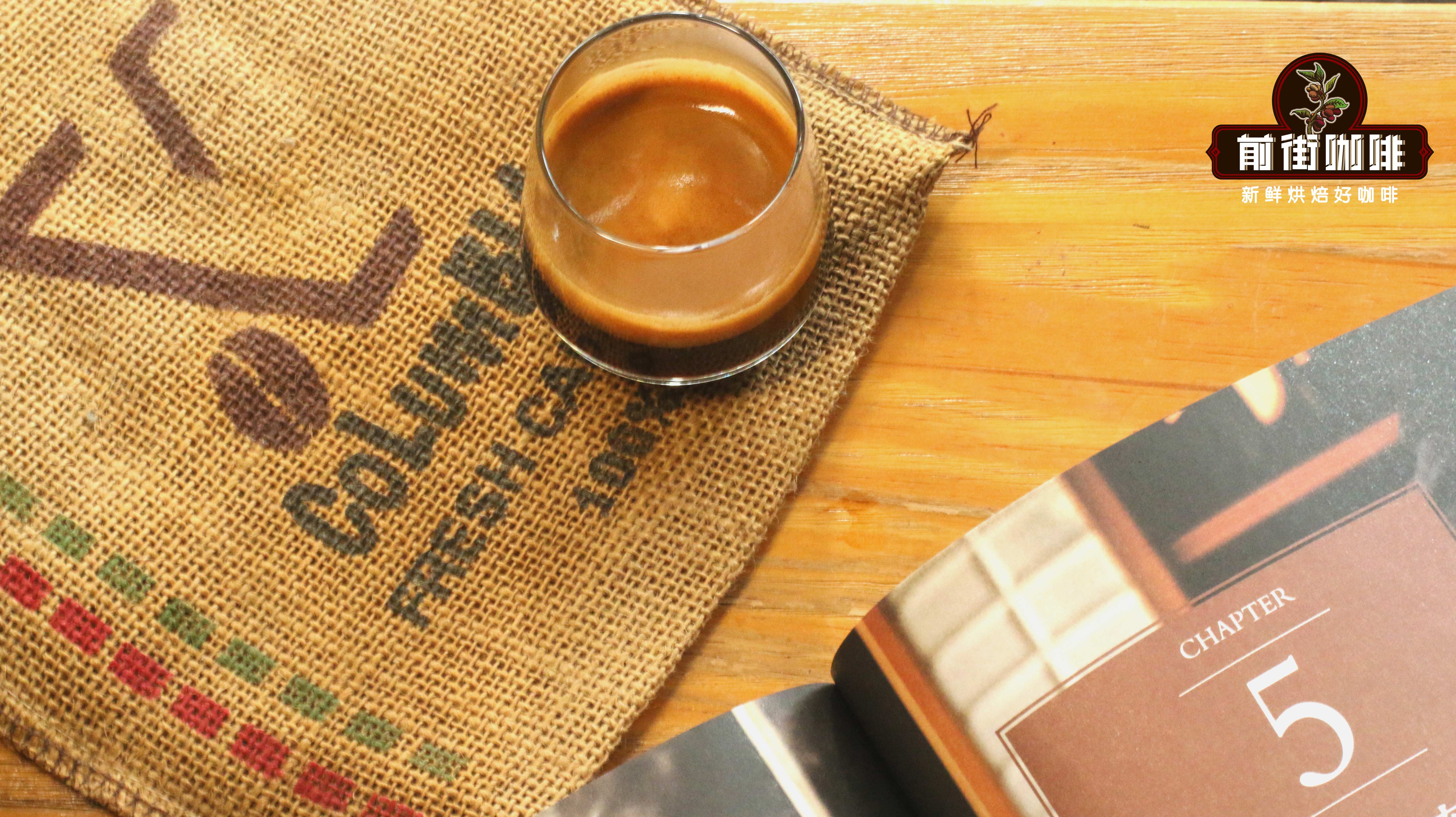
In fact, based on extraction time and powder-to-water ratio, espresso can be subdivided into three main types: Ristretto (short), Normale (standard), and Lungo (long), each with unique flavor expressions and suitable scenarios.
Ristretto means “restricted” and is often seen as the concentrated essence version of espresso. Compared to regular espresso (e.g., 20g coffee yielding 40g liquid, 1:2 ratio, ~30s), Ristretto only extracts the first and middle phases, using 20g coffee to produce about 28g liquid (approx. 1:1.4 ratio), with a shorter time. This method concentrates the most vivid flavor compounds from the early phase of extraction, enhancing overall intensity and aroma focus. Common applications include Flat White, which uses Ristretto as a base with a small amount of steamed milk to present a clearer coffee essence. Some shops adjust grind size to slow flow rate, further intensifying concentration and layering. Actual parameters can be fine-tuned based on bean characteristics.
Normale refers to what is commonly known as standard espresso, also the most prevalent type on the market. According to the Golden Cup extraction theory, its ideal extraction yield falls between 18%-22%, with a concentration range of 8%-12%. Taking the common 20g coffee yielding 40g liquid (1:2 ratio) as an example, this proportion balances flavor intensity and mouthfeel smoothness, making it suitable for direct drinking or as a base for other drinks.
Lungo means “long,” characterized by extended extraction time and increased water volume. Typically, 20g coffee yields 100g liquid (1:5 ratio), taking about 42 seconds. This method dilutes the coffee with more water, reducing overall intensity and making the flavor smoother and easier to drink, suitable for those unaccustomed to strong coffee stimulation. However, over-extending extraction may release bitter substances, so it’s advised to strictly control time and flow rate to maintain flavor balance.
Regardless of which type is chosen, the core of espresso’s flavor performance still depends on coffee bean quality and roast style. Dark roast beans enhance crema thickness and caramelized aromas, suitable for making intense espresso or Lungo. Light to medium roast beans can showcase more fruity and floral notes, especially fitting for the concentrated extraction of Ristretto. For coffee enthusiasts wanting to experiment themselves, it’s recommended to start with classic dark roast blends, gradually exploring flavor variations from different powder-to-water ratios and grind sizes to find the extraction balance that best suits personal taste.
The above content is compiled by CoffeeHunters, a coffee news website.


