







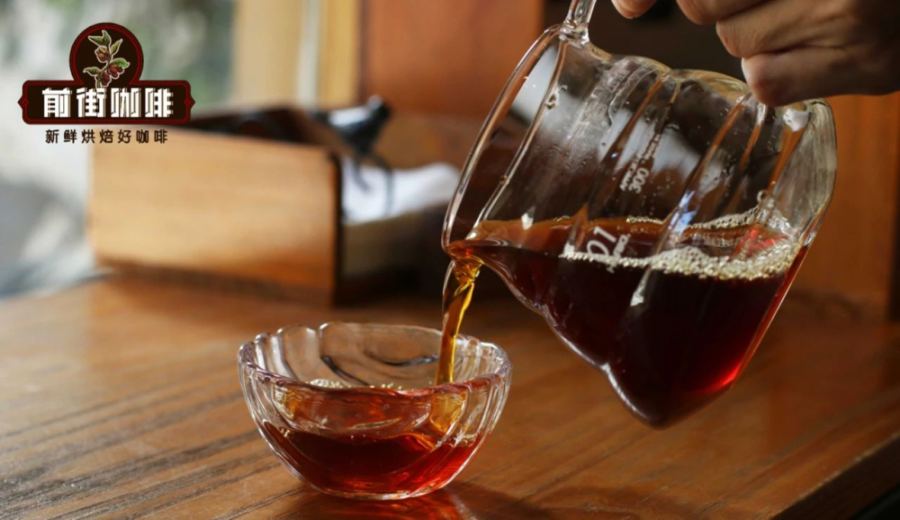
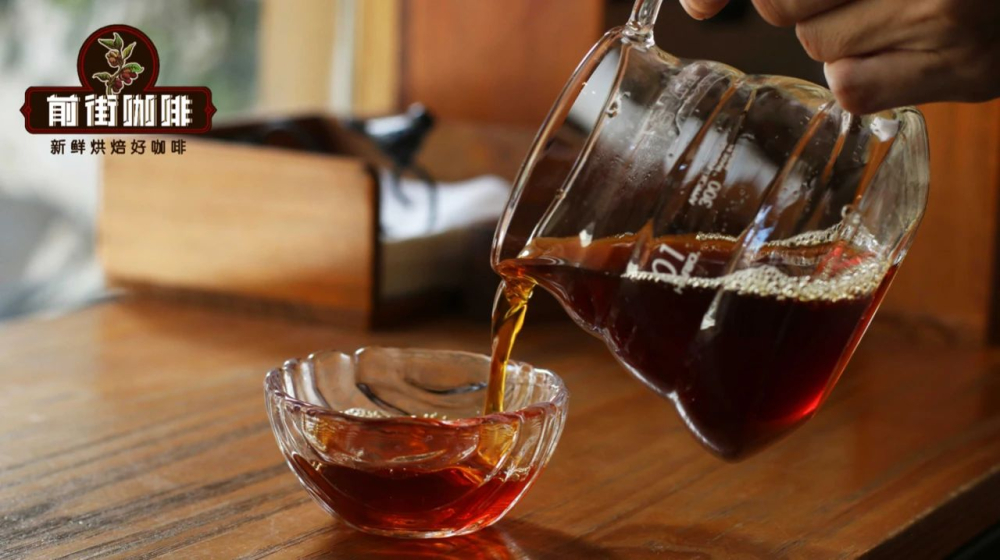
Introduction:Jamaican Blue Mountain coffee is renowned worldwide for its delicate and balanced flavor, considered by many coffee enthusiasts to be the pinnacle of excellence. This article will delve into the growing region, altitude classification, washed processing method, and grading standards of Blue Mountain coffee, while also guiding you through three key identifying features of authentic Blue Mountain coffee: its exclusive export agency, traditional wooden barrel packaging, and Rainforest Alliance certification mark. Whether you’re new to Blue Mountain or seeking a higher-quality option, this guide will help you uncover the mysteries of this legendary coffee.
Blue Mountain coffee has long been regarded as a flavor benchmark in the coffee world. Its exceptional balance of acidity, sweetness, and bitterness, along with its pure aroma, leaves an unforgettable impression. This highly acclaimed coffee originates from the unique microclimate and meticulous cultivation practices of Jamaica’s Blue Mountains. To truly appreciate Blue Mountain, one must not only understand its origin and grade but also learn how to identify genuine Blue Mountain coffee.
The Historical Origins of Jamaican Blue Mountain Coffee
The history of coffee cultivation in Jamaica dates back to the early 18th century. In 1717, King Louis XV of France advocated for coffee planting in the region, but it was Governor Sir Nicholas Lawes who, in the mid-1720s, introduced Arabica seeds from Martinique, truly establishing coffee in Jamaica. These seeds were first successfully trial-planted in the Saint Andrew area and later gradually expanded to the Blue Mountain region. Due to altitude variations, local coffees were categorized into Blue Mountain, High Mountain, and regular Jamaican coffee, with Blue Mountain being the most expensive due to its highest elevation and superior quality.
The Unique Terroir of the Blue Mountains
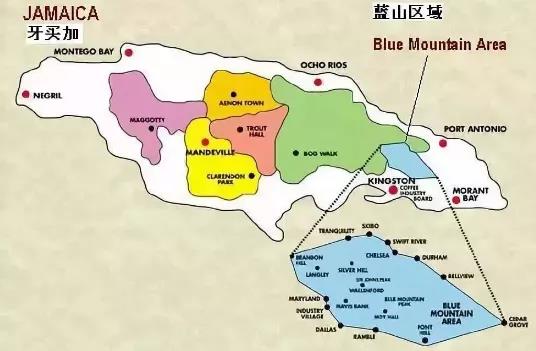
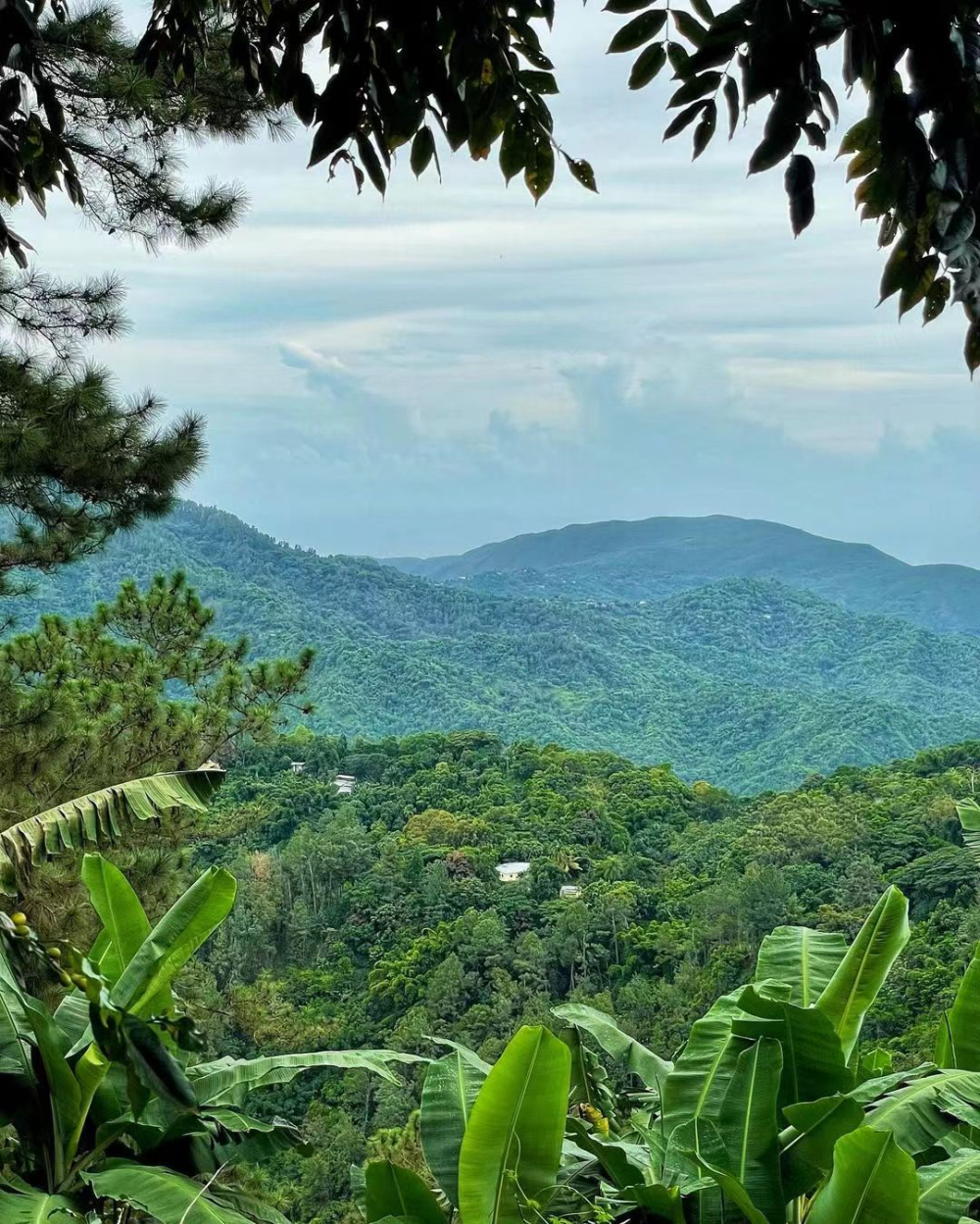
The Blue Mountains are located in the eastern part of Jamaica, surrounded by the Caribbean Sea. The name comes from the way the peaks reflect a sapphire-like glow under the sunlight on clear days. The highest elevation reaches 2,256 meters, but the area suitable for coffee cultivation is limited to altitudes below 1,700 meters, with regions above 1,700 meters designated as protected natural forests. The region’s unique volcanic soil, stable humid climate, average annual rainfall of about 1,980 mm, and moderate day-night temperature differences all contribute to the unparalleled flavor characteristics of Blue Mountain coffee.
Traditional Washed Processing and Rigorous Sorting
After harvesting, Blue Mountain coffee is typically processed using the washed method. First, the outer skin and pulp of the coffee cherry are mechanically removed. Then, the mucilage-covered seeds are placed in fermentation tanks for about 24 hours. Afterward, they are repeatedly rinsed with clean water to remove residual pulp using friction and water flow. Finally, the parchment-covered beans are evenly spread out to undergo 2 to 3 weeks of sun drying until the moisture content is reduced to 12% to 14%. This meticulous processing method effectively reduces over-fermented flavors, resulting in a purer, more layered coffee aroma.
Strict Grading System
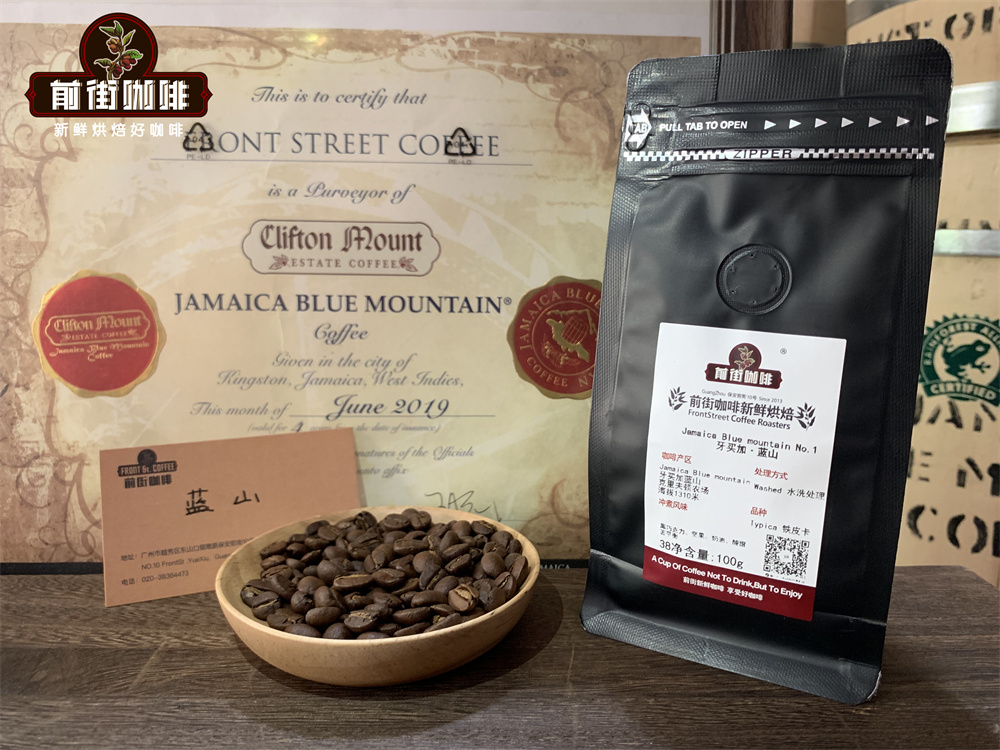
Blue Mountain coffee is rigorously graded based on bean size, defect rate, and cupping performance. Among them,Blue Mountain No.1 is the highest grade, requiring a bean size of 17 to 18 mesh, a defect rate below 2%, and passing professional cupping evaluations that demonstrate a balanced acidity, sweetness, and bitterness with a delicate aroma. This top-tier bean is extremely rare, which is why the “Blue Mountain coffee” commonly found on the market is often No. 2 grade or a blend. The recently launched Blue Mountain product is made from No. 1 grade washed beans sourced from the Clifton Estate.
Clifton Estate: Dual Prestige of History and Certification
The Clifton Estate is one of the oldest and continuously operating coffee-producing regions in Jamaica, with origins dating back to around 1750. The estate is not only a significant producer of Blue Mountain coffee but is also the only coffee farm in the country to have received “Rainforest Alliance Certification (RFA).” Its wooden barrels bear the “Rainforest Frog” certification mark, symbolizing compliance with sustainable agricultural standards. Additionally, the estate owns the core area of Blue Mountain coffee, whose microclimate and cultivation environment are considered the epitome of Blue Mountain flavor.
How to Identify Authentic Blue Mountain Coffee? Three Key Features
There are many types of Blue Mountain coffee on the market, but those truly from the Jamaican Blue Mountain region are extremely limited. The following three key points can help you identify authentic Blue Mountain coffee:
One: Exported by Designated National Coffee Agency Companies
The export of Blue Mountain coffee is strictly controlled by the Jamaica Coffee Industry Board (CIB), and only certified exporters are legally allowed to sell Blue Mountain coffee. According to historical data from the International Coffee Organization, the main markets for Blue Mountain No. 1 coffee are Japan, followed by the United States and Europe. Starting in 2005, the Jamaican government adjusted its export policy to prioritize orders directly shipped to consumer countries. Authentic Blue Mountain coffee packaging will bear the official “BLUE MOUNTAIN COFFEE” trademark certified by the Jamaica Coffee Industry Board.
Two: The World’s Only Region Using Wooden Barrels for Green Bean Shipping
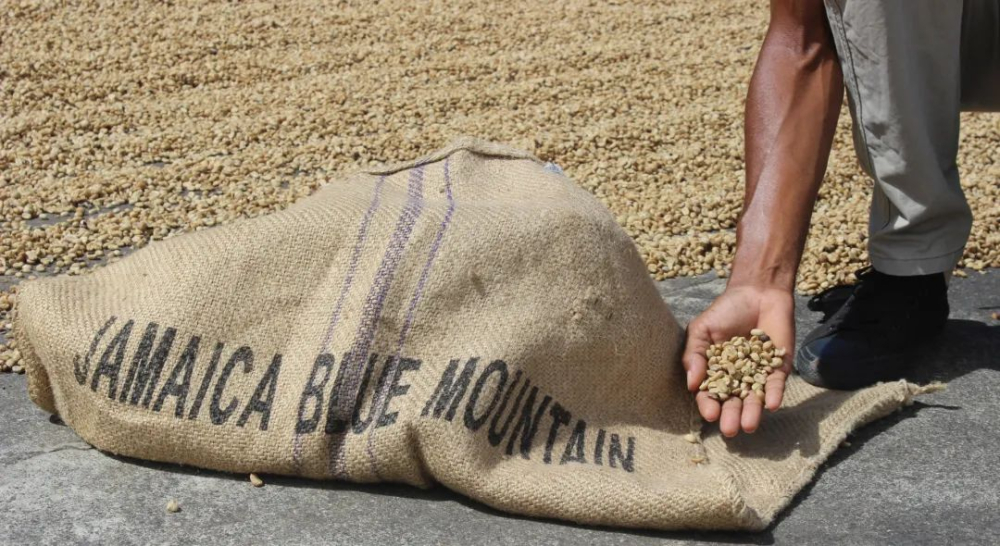
Unlike other coffee-growing regions that commonly use jute sacks, Blue Mountain coffee still adheres to the tradition of shipping green beans in wooden barrels. This tradition dates back to the 18th century when British colonists repurposed empty flour transport barrels to ship coffee and rum, helping preserve the coffee’s aroma and prevent moisture. The wooden barrels used today are mostly sourced from temperate forests in the United States, offering both protection and ventilation.
Three: The Rainforest Certification Mark on Clifton Barrels
The Clifton Estate is the only coffee farm in Jamaica to have “Rainforest Alliance (RFA)” certification. Its barrel lids are stamped with a frog emblem, signifying compliance with strict sustainable agriculture certification. This certification ensures that the coffee cultivation process meets comprehensive standards of environmental protection, social responsibility, and economic sustainability, symbolizing the quality and reliable origin of Blue Mountain coffee.
In summary, a cup of coffee truly from the Jamaican Blue Mountains represents not only the pursuit of flavor excellence but also embodies strict origin certification, traditional craftsmanship, and sustainable values. Understanding the stories and identifying features behind it will allow you to better appreciate its extraordinary value when savoring Blue Mountain coffee.
The above content is compiled by CoffeeHunters, a coffee news website.


