







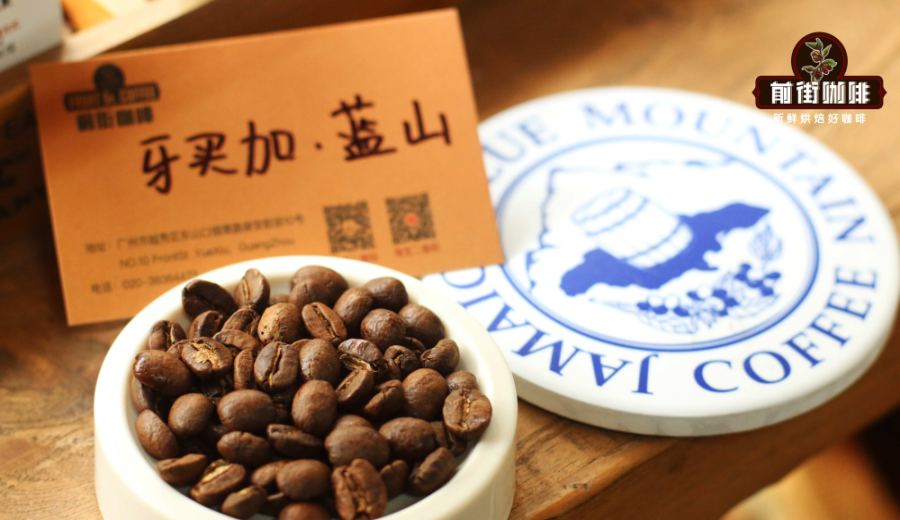
Introduction:Jamaican Blue Mountain No. 1 coffee beans are hailed as some of the world’s finest, yet many products on the market that claim to have a “Blue Mountain flavor” are actually unrelated to authentic Blue Mountain coffee. This article delves into the true origin, variety characteristics, and rigorous grading system of Blue Mountain No. 1, and provides practical pour over parameters along with flavor descriptions to help you understand and choose this rare coffee correctly.
Jamaican Blue Mountain coffee has long been regarded as the pinnacle of the coffee world. However, many so-called “Blue Mountain flavor,” “Blue Mountain blend,” or “Blue Mountain-style” instant coffee, ready-to-drink beverages, or blended beans on the market are not the same as genuine Jamaican Blue Mountain coffee. True “Blue Mountain No. 1” coffee must come from a specific area within the Jamaican Blue Mountains at elevations between 910 and 1700 meters, be grown using the Typica variety, have an extremely limited annual yield, and meet strict grading standards.
As the top grade among Blue Mountain classifications, Blue Mountain No. 1 boasts an exceptionally delicate flavor and outstanding balance—qualities that many coffee enthusiasts dream of in a premium coffee.
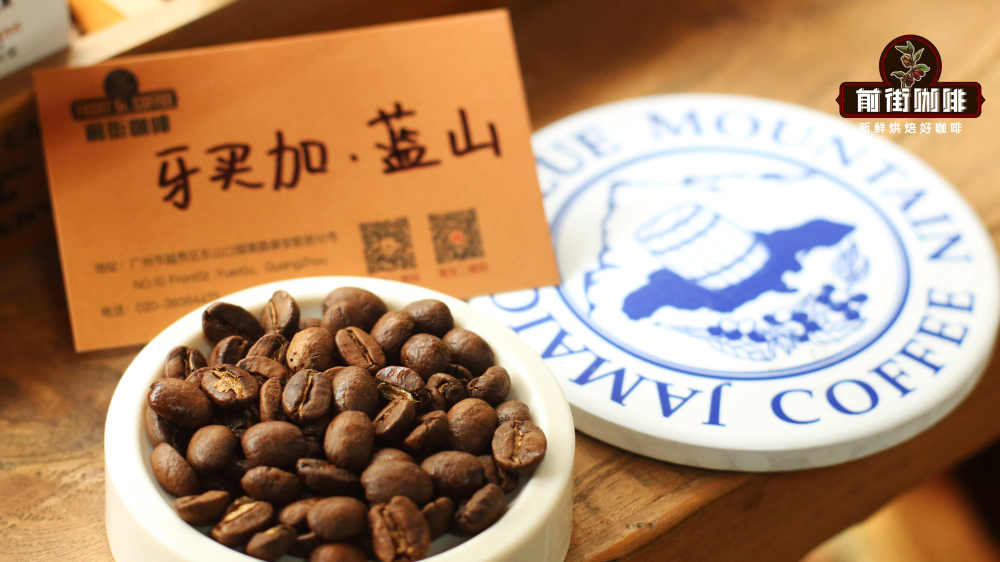
The so-called “Jamaican Blue Mountain coffee” refers specifically to coffee brewed from beans grown in a single region of the Jamaican Blue Mountains using a single variety. It is important to note that commonly seen products labeled as “Blue Mountain flavor,” “Blue Mountain blend,” or “Blue Mountain style”—whether they be ready-to-drink coffee, instant products, or blended beans—are not equivalent to authentic Jamaican Blue Mountain coffee.
Authentic Blue Mountain coffee is produced exclusively in four legally designated regions within the Jamaican Blue Mountains: Saint Andrew, Saint Mary, Saint Thomas, and Portland. These areas lie within the coffee-growing “golden belt” between 25 degrees north and south latitude, featuring fertile volcanic soil and a unique environment moderated by maritime climate. This not only provides the abundant moisture and nutrients needed for coffee tree growth but also contributes to the distinctive depth of flavor found in Blue Mountain coffee.
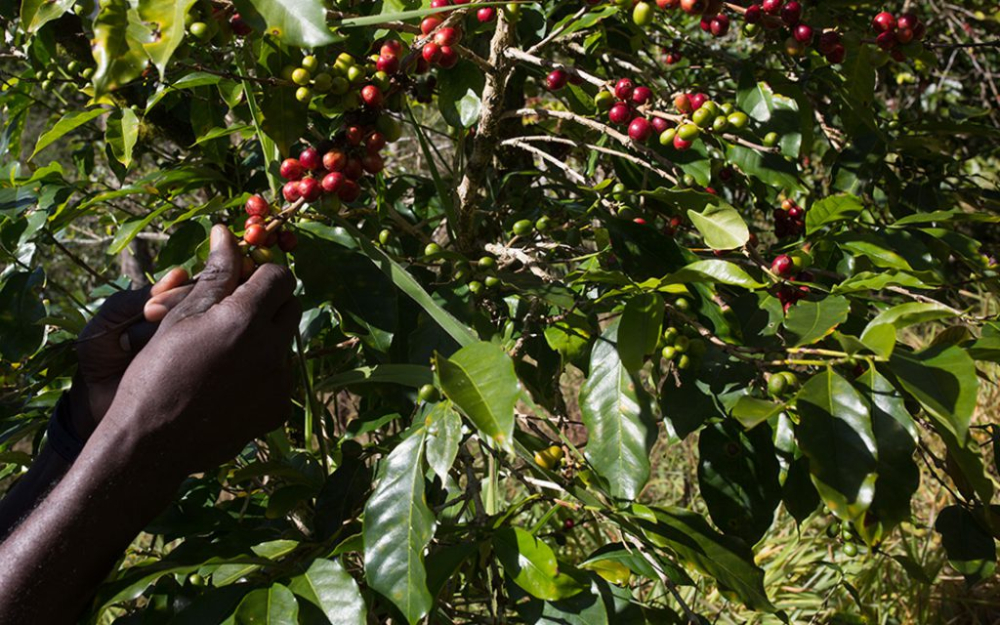
The coffee variety grown in the Blue Mountains is uniformly Typica. Introduced in the 18th century, this variety has undergone two centuries of local adaptation and evolution, developing traits that are highly attuned to the region’s terroir. Compared to Typica grown in other regions, Blue Mountain Typica exhibits stronger disease resistance and delivers an exceptionally smooth, clean, and layered flavor profile.
Interestingly, although the same variety is planted throughout the entire Blue Mountain range,only beans grown at elevations above 910 meters can exhibit the premium flavor profile of balanced acidity, sweetness, and bitterness, along with a rich body and long-lasting aftertaste.Therefore, the Jamaica Coffee Industry Board (CIB) explicitly stipulates that only coffee grown within the four regions of Saint Andrew, Saint Mary, Saint Thomas, and Portland, and at elevations between 910 and 1700 meters, can be officially named “Jamaican Blue Mountain Coffee.” Coffee grown at elevations below 900 meters can only be sold as “Jamaican High Mountain Coffee” or “Jamaican Prime Coffee.”
Due to the small growing area and limited production, the total annual output of Jamaican Blue Mountain coffee is only about 300 to 600 tons. To ensure consistent quality, the region classifies Blue Mountain coffee into two main categories based on bean size, cupping performance, and defect rate: High Mountain Blue and Prime Blue. High Mountain Blue is further divided into: Blue Mountain No. 1, Blue Mountain No. 2, Blue Mountain No. 3, and Blue Mountain Peaberry.
The detailed specifications for each grade are as follows:
• Blue Mountain No. 1: Green bean size of 19/18/17 mesh, defect rate below 3%;
• Blue Mountain No. 2: Size of 16 mesh, defect rate below 3%;
• Blue Mountain No. 3: Size of 15 mesh, defect rate below 3%;
• Blue Mountain Peaberry: Single round bean size of approximately 10 mesh, defect rate also below 3%.
Among these,Blue Mountain No. 1 is the highest grade, representing the pinnacle of Blue Mountain coffee quality.To maintain the reputation of Blue Mountain coffee, the Jamaican government enforces extremely strict regulations on every stage from planting, harvesting, processing to export—including restrictions on the use of organic fertilizers, hand-picking only, and export in wooden barrels—to ensure that every batch of Blue Mountain coffee showcases its most authentic flavor.
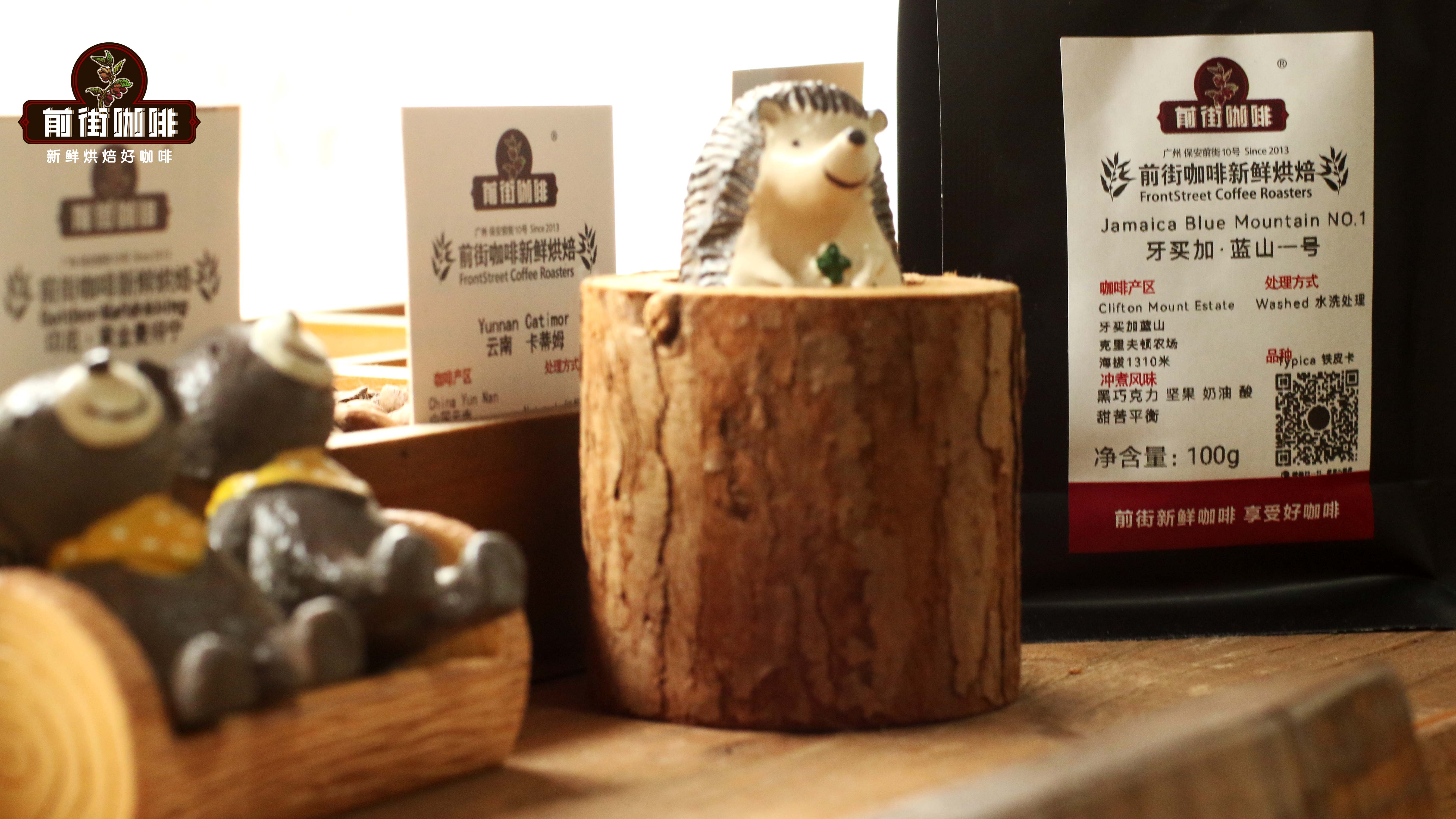
Currently, some of the Blue Mountain No. 1 coffee beans available on the market are sourced from the historic Clifton Estate at an altitude of 1310 meters, which is part of the important Saint Andrew region within the Blue Mountains. This estate is one of the most historic and largest coffee growers and exporters in the Blue Mountain area. It consistently produces high-quality green beans annually and provides origin certification and wooden barrel shipment records for verification.
To fully showcase the richness and balance of Blue Mountain No. 1 beans, many professional roasters opt for a medium-dark roast and recommend brewing within 5 days post-roast to capture the optimal flavor window.
For brewing recommendations, to avoid over-extraction, it is advised to use a medium-low water temperature of 88°C, paired with a slower-flow Kono filter, and employ a medium-coarse grind (approximately 70% through a 20-mesh sieve). Specific parameters are as follows: 15 grams of coffee, a 1:15 coffee-to-water ratio, for a total of 225 grams of water.
Suggested pour over steps are as follows: begin with a 30-second bloom using 30 grams of water; then pour up to 125 grams, and when the liquid level drops halfway, add the remaining 100 grams to reach a total of 225 grams. Total extraction time should be around 2 minutes and 10 seconds.
This brewing method fully highlights the delicate flavors of Blue Mountain No. 1: the cup opens with intense notes of dark chocolate and nuts, features a silky-smooth mouthfeel, and achieves a well-balanced acidity, sweetness, and bitterness. The long, memorable aftertaste lingers delightfully.
The above content is compiled by CoffeeHunters, a coffee news website.


