







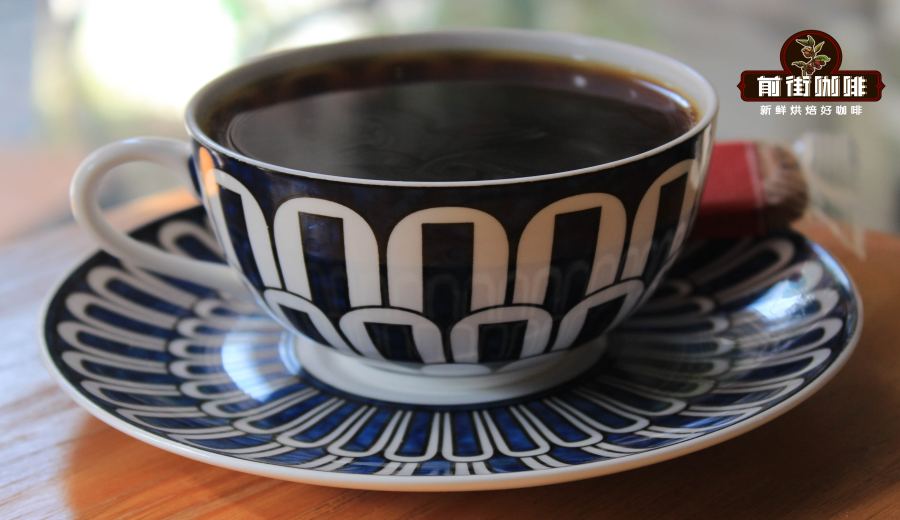
Introduction:Jamaican Blue Mountain coffee is hailed as one of the world’s top premium specialty coffees, with Blue Mountain No. 1 being the rarest and most exceptional among them. This article delves into its unique flavor profile, the traditional grading system, the meticulous green bean processing methods, and explains the distinctive purpose of wooden barrel packaging. It also provides reference prices from our retail stores, along with professional pour over parameters and a three-stage pouring technique to help you fully appreciate the legendary charm of this coffee from origin to cup.
Jamaican Blue Mountain coffee has long been regarded as the pinnacle of specialty coffee, and Blue Mountain No. 1 represents the highest grade of the region. Centered on authentic Jamaican Blue Mountain No. 1, this article comprehensively analyzes its flavor characteristics, how to identify genuine beans, details of green bean processing, the basis for grade classification, and the unique significance of wooden barrel packaging. It also reveals the actual retail specifications and pricing at our stores, while detailing the ideal pour over parameters and three-stage pouring process for this coffee to help coffee enthusiasts fully understand every aspect of this legendary bean from origin to brewing.
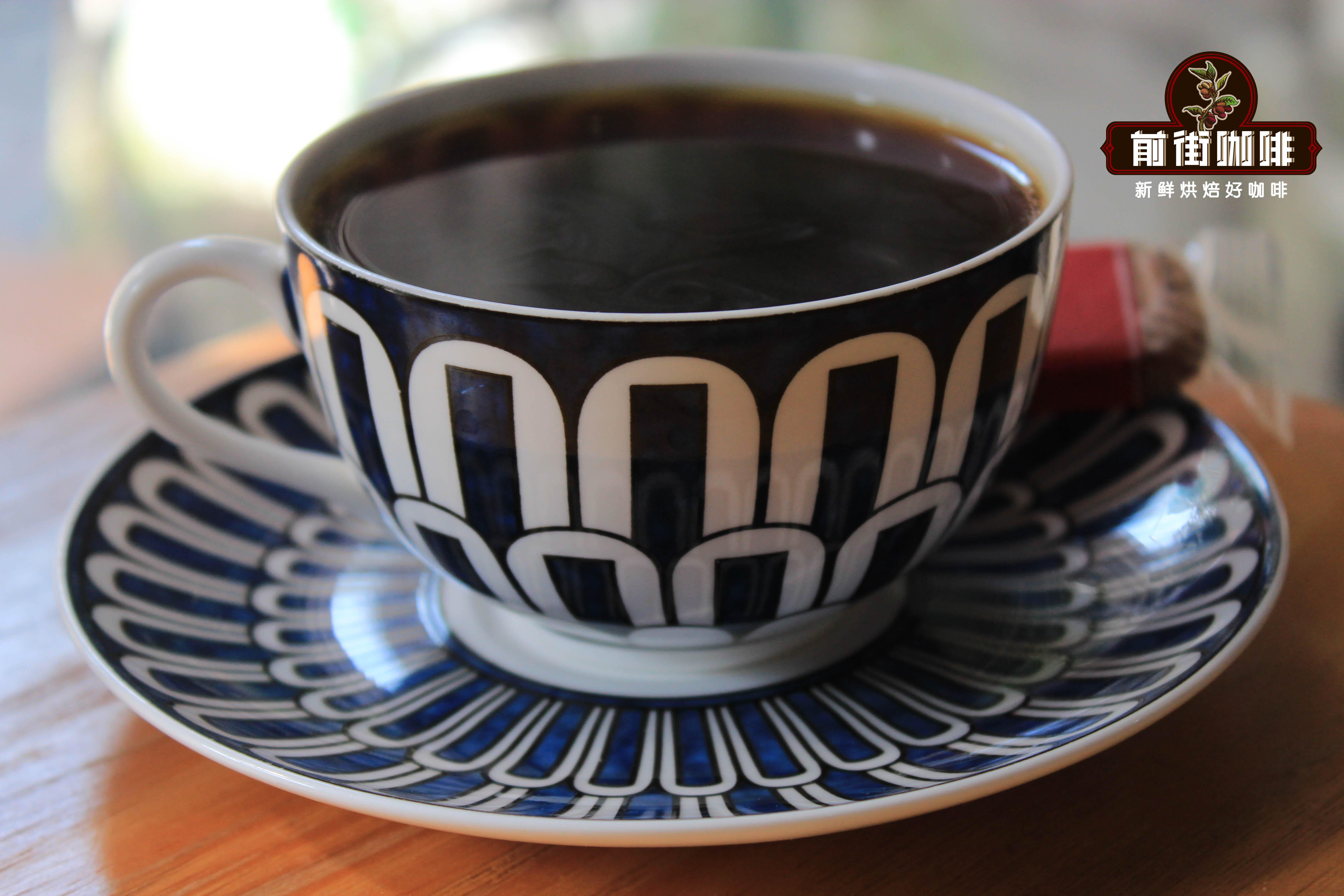
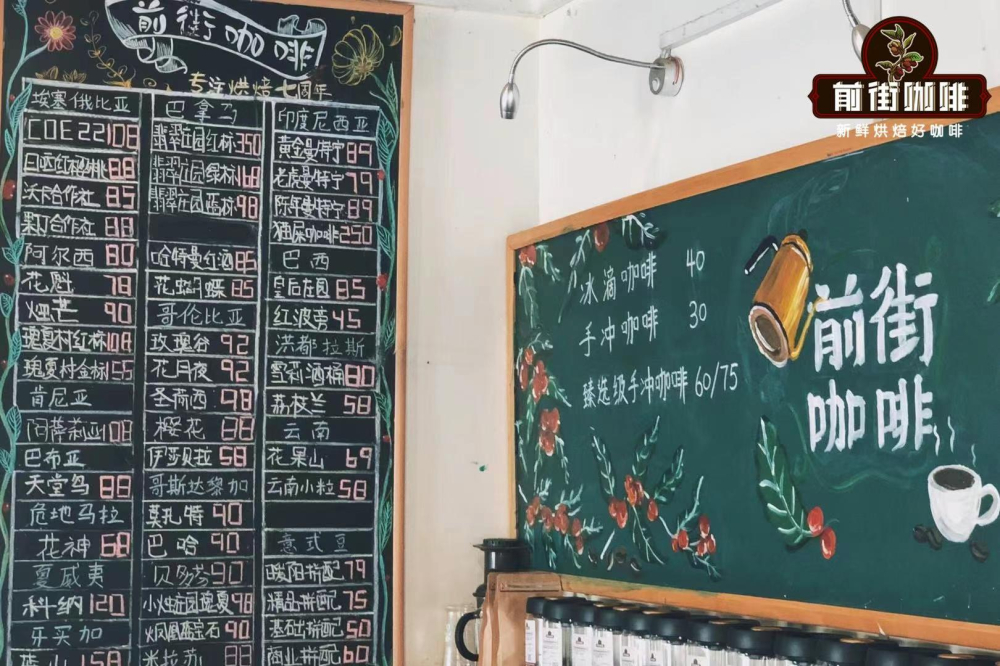
The authentic Jamaican Blue Mountain No. 1 coffee we offer showcases a rich yet balanced body with a full texture. As the top grade in the Blue Mountain series, Blue Mountain No. 1 is known for its elegant aroma and an excellent balance of acidity, sweetness, bitterness, richness, and fragrance. Currently, this coffee bean is sold at our retail stores for 158 RMB per 100 grams. For those who prefer to enjoy it as a freshly brewed black coffee, it is also available as a single cup for 60 RMB.
How to identify genuine Jamaican Blue Mountain No. 1? Due to the coffee’s fame, the market is flooded with various imitations such as so-called “Blue Mountain flavor,” “Blue Mountain blends,” or “Blue Mountain selections.” To confirm authenticity, first consider the price—if it’s labeled as Blue Mountain but costs only a few dozen yuan, it is very likely fake. Next, judge by aroma: authentic Blue Mountain No. 1 emits a rich, dense, and long-lasting chocolate and roasted hazelnut fragrance, a complexity that cannot be matched by typical dark roast blends. In terms of taste, its acidity, sweetness, bitterness, richness, and aroma are well-balanced, with no single element standing out awkwardly, and both body and sweetness are properly controlled.
Jamaican law explicitly stipulates that Blue Mountain coffee can only be grown at elevations between 910 and 1,700 meters, and the variety is limited to Typica. This variety exhibits greater flavor potential in high-altitude environments, but unfortunately, it has weak disease resistance and is susceptible to pests and diseases, resulting in limited yields that require intensive manual care. Moreover, the rugged terrain of the Blue Mountains makes harvesting and management extremely difficult, demanding high technical skill from pickers. After harvest, the coffee cherries are immediately sent to processing facilities for washed processing to remove the pulp and skin.
The processing procedure begins with a floatation process to eliminate unripe or overripe coffee cherries, followed by the removal of pulp and skin, after which the beans are fermented in water tanks for 12 to 18 hours. Once fermentation is complete, the beans are washed by hand with water to ensure a smooth surface free of residue. The beans are then spread out in the sun to dry naturally until their moisture content meets the standard before being sealed. Prior to export, every batch of Blue Mountain coffee must undergo strict evaluation by professional cuppers certified by the Jamaica Coffee Industry Board (CIB) to ensure its flavor achieves the ultimate balance of acidity, sweetness, bitterness, richness, and aroma.
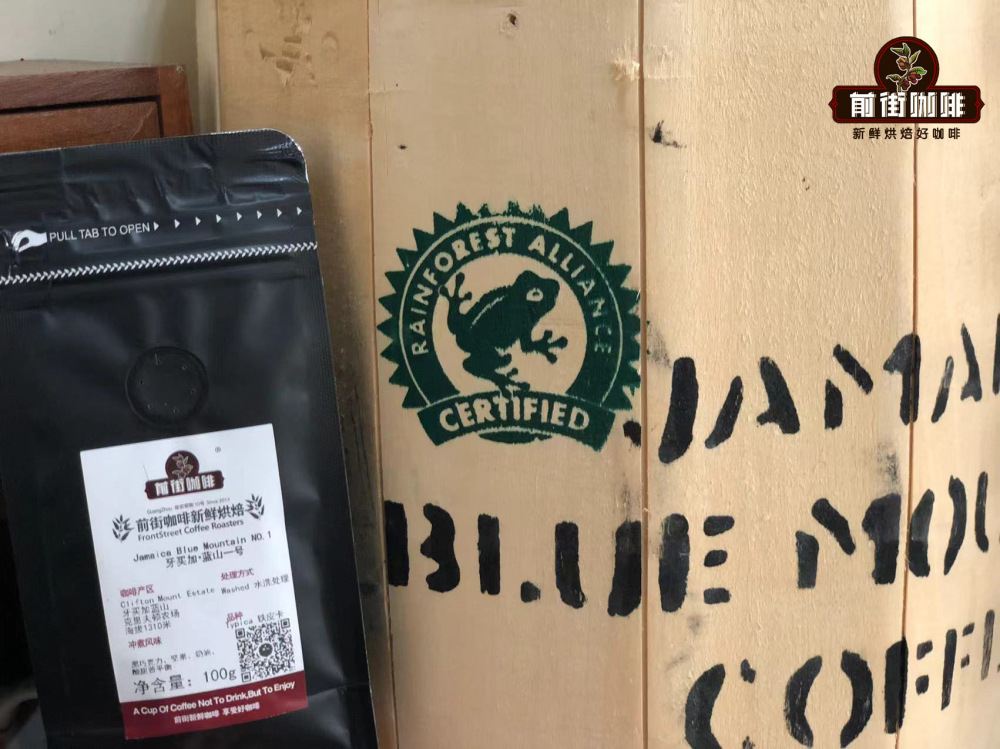
If in doubt, you may request the merchant to provide relevant Blue Mountain certification documents and the handmade wooden barrels used to transport the green beans. In fact, Jamaica is the only producing region in the world that still uses wooden barrels for storing and shipping green beans. The Blue Mountain No. 1 we sell not only comes with official quality certification issued by the Jamaica Coffee Board, authorized sales proof from the producer, and a certificate of origin, but these documents and the physical wooden barrels are also publicly displayed at our stores. Additionally, this coffee bean comes from the Clifton Estate and is processed using the washed method, which is the most traditional and common processing approach for Blue Mountain coffee.
Quality-controlled Blue Mountain green beans are graded according to strict criteria including bean size, color uniformity, roasting suitability, aroma performance, cupping results, and screen size. The Blue Mountain No. 1 we source belongs to the highest grade, with a defect rate of less than 3%, bean size all above 17 mesh, moisture content maintained between 10% and 12.5%, uniform particle size, and intact appearance—making it an extremely rare top-tier batch. It’s worth mentioning that Jamaican Blue Mountain coffee is always transported in handmade wooden barrels upon export, unlike the common jute sacks used in other regions. Wooden barrels can regulate internal and external humidity, prevent aroma loss, and maintain stable bean moisture levels, thereby making the roasting process more controllable—an important characteristic for identifying authentic beans.
For pour over enthusiasts, Jamaican Blue Mountain No. 1 can fully showcase its delicate and multi-layered flavor characteristics. The pour over method is not only simple to operate; as long as you master the correct parameters and techniques, you can easily extract a fragrant black coffee. It is recommended to use freshly roasted coffee beans, ideally within 5 days of roasting, to avoid aroma loss or unwanted woody off-flavors. The Blue Mountain No. 1 we offer is typically shipped within 5 days of roasting to ensure consumers enjoy the optimal tasting period.
It is recommended to use a KONO filter cone with a 20-number standard sieve that has a 75% extraction rate, set the water temperature to 88°C, and use a 1:15 coffee-to-water ratio (i.e., 15 grams of coffee grounds to 225 milliliters of water) for extraction. The pour over process employs the classic three-stage pouring technique: the first stage involves pouring 30 grams of water to allow the coffee grounds to bloom fully for 30 seconds; the second stage involves evenly pouring 95 grams of water in a circular motion from the inside out. When the water level drops to two-thirds of the coffee bed in the filter cone, continue with a small stream to pour the third stage of 100 grams of water. The entire process takes about 2 minutes to complete the drip filtration, after which the filter cone is removed. Finally, gently swirl the coffee liquid to even it out before enjoying.
Upon tasting, this coffee reveals aromas of dark chocolate, roasted nuts, and toffee, paired with a distinct caramel sweetness. Its acidity is soft and mild, with a smooth and rich overall mouthfeel. As the temperature lowers, the aroma layers become clearer and the flavors grow more nuanced and varied. In addition to pour over, you can also try other brewing methods such as siphon, French press, moka pot, or AeroPress—even the convenient Blue Mountain No. 1 drip bags can showcase its unique flavors. Coffee lovers are encouraged to experiment to find the brewing method that best suits their personal taste.
The above content is compiled by CoffeeHunters, a coffee news website.


