







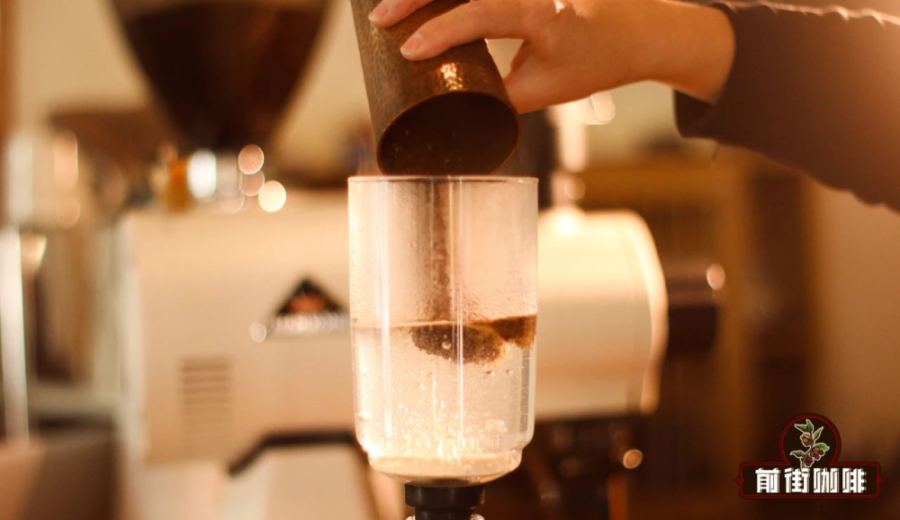
Introduction:Want to brew a pot of richly flavored coffee with the unique balance characteristic of Jamaican Blue Mountain using a siphon? This article will detail the origin background of Jamaican Blue Mountain No. 1 coffee, how to identify authentic beans, and provide complete step-by-step instructions and recommended parameters for using a siphon. From equipment preparation, water temperature control to stirring techniques, you’ll learn it all in one go, easily replicating professional-level Blue Mountain siphon flavors.
With its unique visual ceremony and stable extraction performance, the siphon has become one of the favorite brewing devices for many coffee enthusiasts aiming to make high-quality coffee at home. When this classic tool meets the world-renowned Jamaican Blue Mountain coffee, it can showcase its exceptionally delicate and balanced flavor. This article will start with the origin and characteristics of Blue Mountain coffee, and step by step guide you through how to use a siphon—with professional parameters and techniques—to brew a pot of aromatic and layered Blue Mountain coffee.
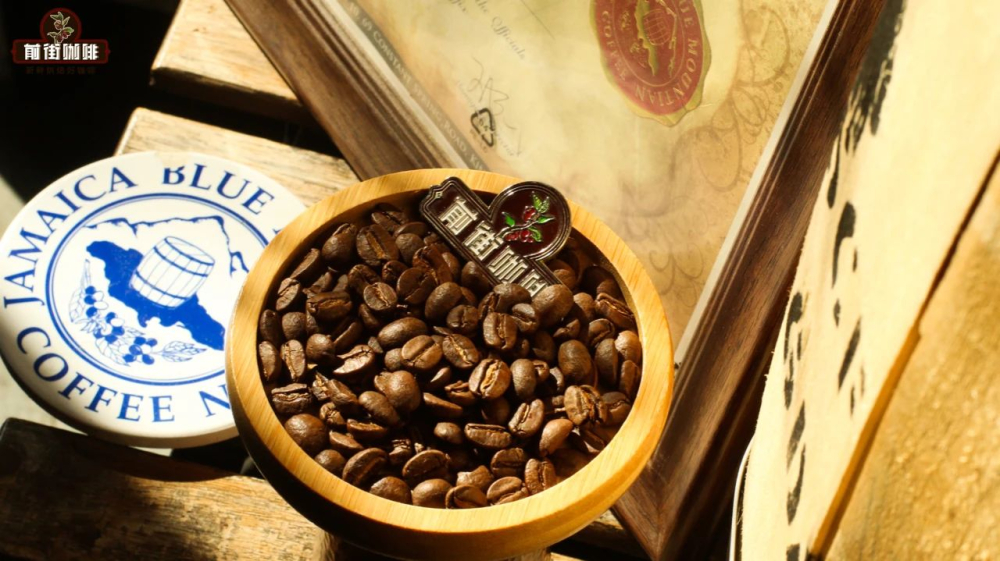
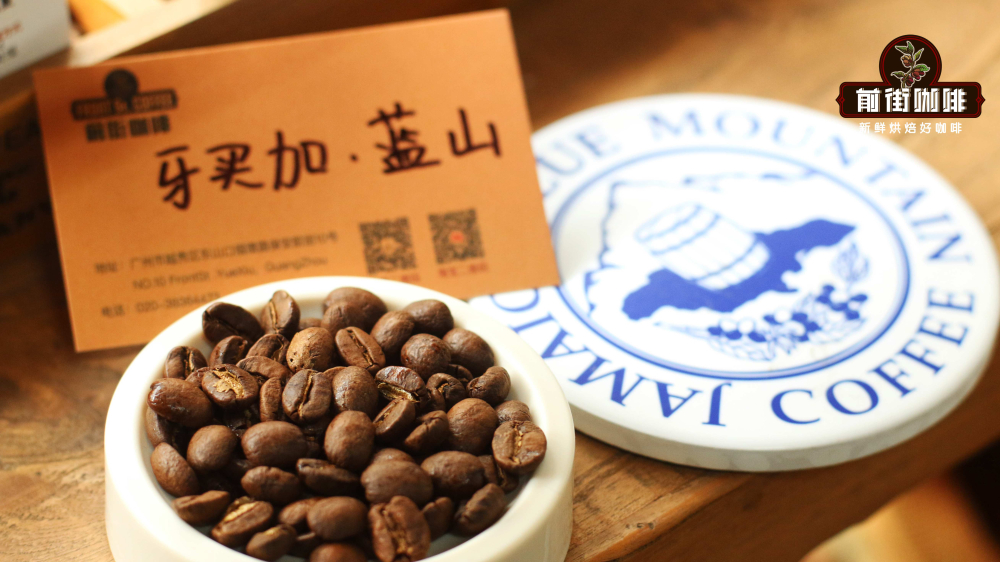
First, let’s get to know the real Jamaican Blue Mountain No. 1 coffee. This coffee, grown at an altitude of about 1310 meters in the Blue Mountain region from the Typica variety, is processed using the washed method and is rated as Grade NO.1, making it the top representative of Blue Mountain coffee. Its production is mainly concentrated at the Clifton Estate in the Blue Mountain area, which not only benefits from an exceptional climate and soil but also holds high international recognition due to its Rainforest Alliance certification. It’s worth mentioning that Jamaica is one of the few countries in the world that still uses wooden barrels to store green beans, and authentic Blue Mountain coffee barrels are usually stamped with a green frog identification mark—this is also one of the important details for verifying authenticity.
Due to the extremely limited annual production of Blue Mountain coffee and strict quality control, the market is flooded with “Blue Mountain-flavored” or “Blue Mountain-blended” coffees, but authentic Jamaican Blue Mountain No. 1 coffee with official certification is extremely rare. When purchasing, it’s advisable to carefully check the packaging and origin certification to avoid mistakenly buying imitation products that are merely flavor-blended.
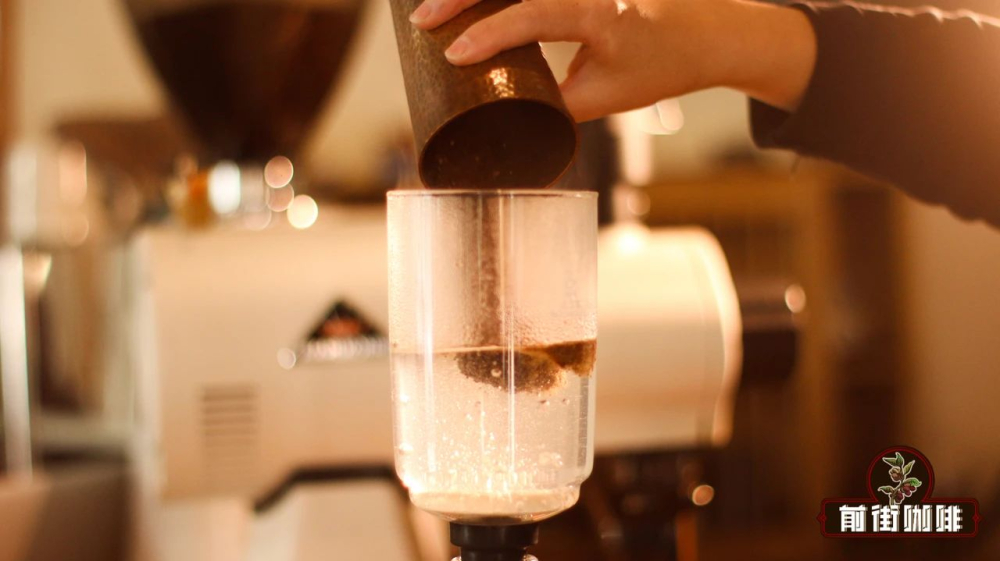
Next, we move on to the practical operation, explaining how to use a siphon to extract this high-quality Blue Mountain coffee. Generally, the recommended coffee-to-water ratio for siphon brewing falls between 1:10 and 1:12. For a single serving at home, you can use a combination of 18 grams of coffee grounds with 200 milliliters of hot water, which is also one of the parameter combinations that many coffee enthusiasts have found to deliver the best flavor performance through testing.
The specific operation process is as follows:
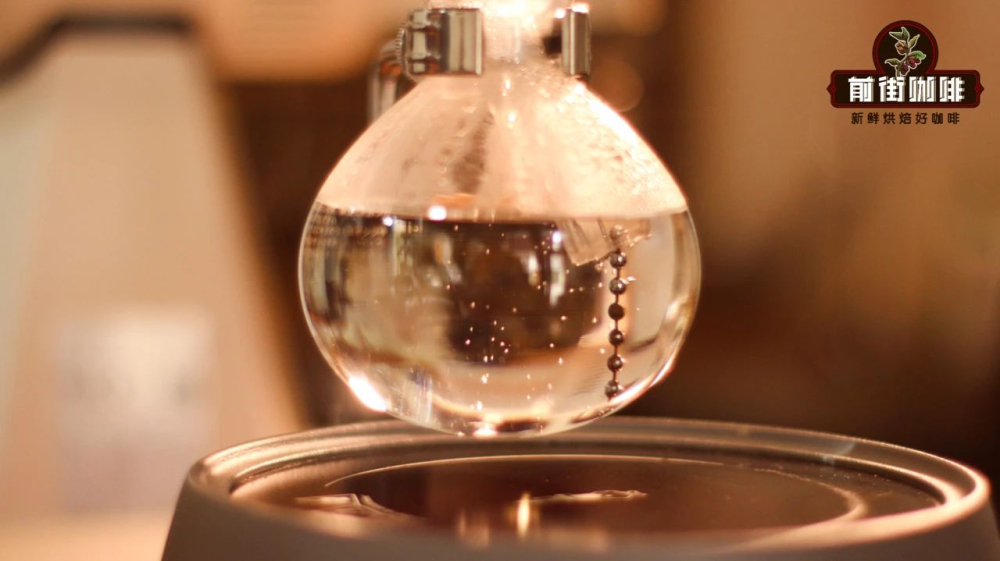
First, pour 200 milliliters of hot water into the lower chamber. It is recommended to control the water temperature between 90–92°C. This temperature range can fully bring out the aroma and sweetness of Blue Mountain coffee while avoiding over-extraction. After drying the outer edge of the lower chamber, you can turn on the heat source. Then, insert the upper chamber diagonally into the lower chamber, ensuring that the middle safety bead makes contact with the bottom of the lower chamber. This helps stabilize the siphon structure and prevents accidents.
When the water in the lower chamber begins to produce continuous small bubbles, it indicates that steam pressure is gradually building up. At this point, you can slowly straighten and press down the upper chamber to allow the water to be completely drawn up into the upper chamber. Once the water has fully risen, add the pre-measured Blue Mountain coffee grounds and immediately start the timer.
In the first stage, it is recommended to use a stirring stick to gently press the coffee grounds evenly into the water with light taps. This helps the coffee grounds absorb water adequately, which is crucial for subsequent flavor release. At around 25 seconds, perform a second stir, this time using an inward-to-outward circular motion. The goal is to clearly separate the coffee grounds layer, coffee liquid, and foam, creating a distinct layered effect. This is also a unique visual and taste characteristic of siphon coffee.
At 50 seconds, perform a third stir in the same direction. This helps control the evenness and concentration of the extraction. Around 60 seconds, you can remove the heat source and wait for the coffee liquid to slowly flow back into the lower chamber. During this process, you can observe the gradual release of coffee oils and aromas, adding a lot of richness and layers to the final cup.
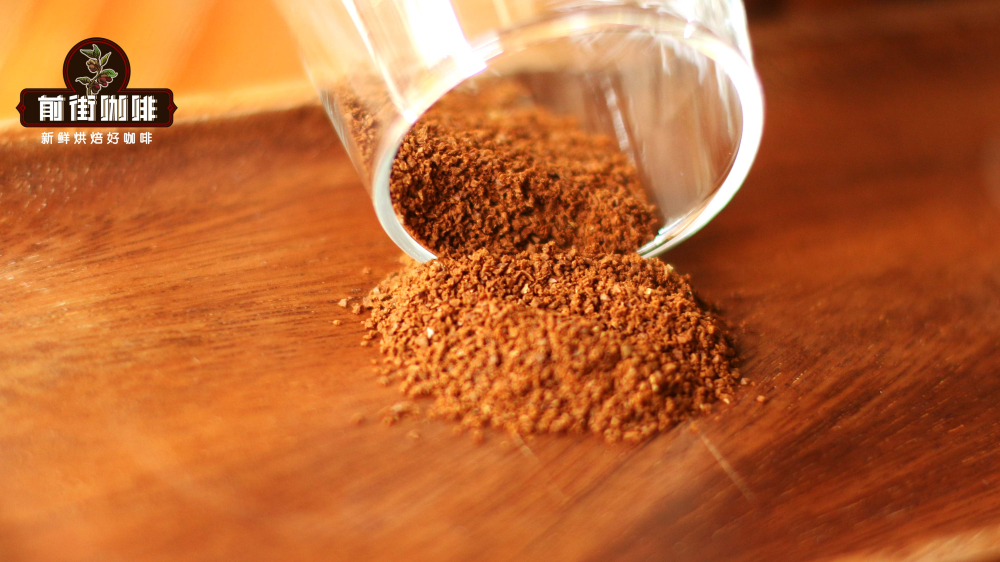
The final siphon-brewed Blue Mountain coffee may not be as clear and bright as pour over coffee, but its unique oily layer and rich aroma offer you a completely different taste experience. The inherent flavor characteristics of Blue Mountain coffee, under the extraction of the siphon, showcase a balanced acidity and sweetness, a soft body, and delicate notes of stone fruit and caramel—perfect for coffee lovers who enjoy a refined mouthfeel.
It should be noted that compared to pour over or other brewing methods, operating a siphon involves more steps—from preparation, heating control to post-brewing cleaning, each step requires focus and patience. Especially when it comes to cleaning the cloth filter, improper handling can affect the flavor of the next brew. Therefore, if you are just starting to try siphon brewing, it is recommended to first familiarize yourself with the process before gradually taking on high-quality and delicately flavored beans like Blue Mountain.
The above content is compiled by CoffeeHunters, a coffee news website.


