








Introduction:Delve into the birthplace of coffee—Ethiopia—and explore its journey from ancient traditional ceremonies to modern processing techniques. This comprehensive guide analyzes the characteristics of nine major coffee-growing regions, and the impact of washed and natural processing methods on flavor profiles. It also provides detailed brewing parameter recommendations and classic bean flavor profiles to help you grasp the complete knowledge chain—from farm to cup. Whether you’re a beginner or a seasoned enthusiast, you’ll find practical guidance here.
Ethiopia is not only the genetic homeland of coffee but has also elevated this magical fruit into an important cultural ceremony. From the ancient legend of highland shepherds discovering red coffee cherries to the essential three-round coffee ceremony in daily family gatherings, locals preserve the purest essence of coffee through clay pots and charcoal fires. This land, hailed as the “coffee gene bank,” gives rise to the world’s most diverse micro-lot flavor spectrum.

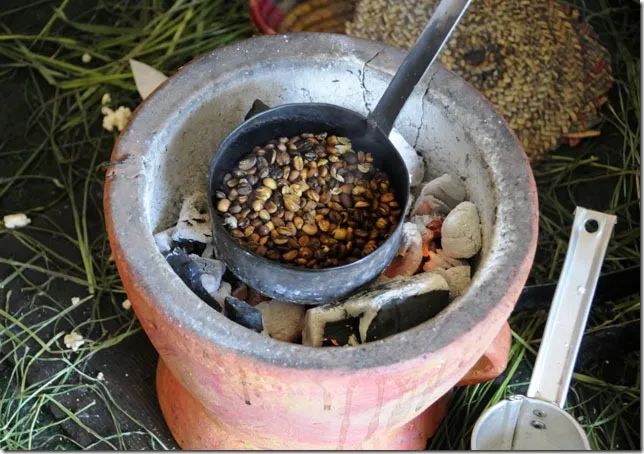
Among the legends about the origin of coffee, a shepherd named Kaldi noticed his goats becoming unusually energetic after eating wild red berries, thus uncovering humanity’s millennia-old bond with coffee. Though its authenticity is hard to verify, Ethiopia still maintains unique coffee ceremony traditions today: after roasting beans in a pan and grinding them with a mortar and pestle, the coffee is slowly brewed in a special Jebena clay pot. This centuries-old process includes the first round, Abol, blessed with prayers by the elders; the second round, Tona, ideal for casual chats among family and friends; and the final round, Beraka, symbolizing celebration and completion. Interestingly, locals call coffee “bunn,” and the region of Kaffa is believed to be the linguistic origin of the English word “coffee.”
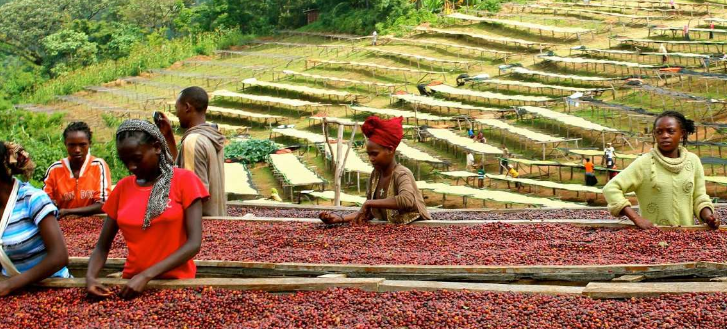
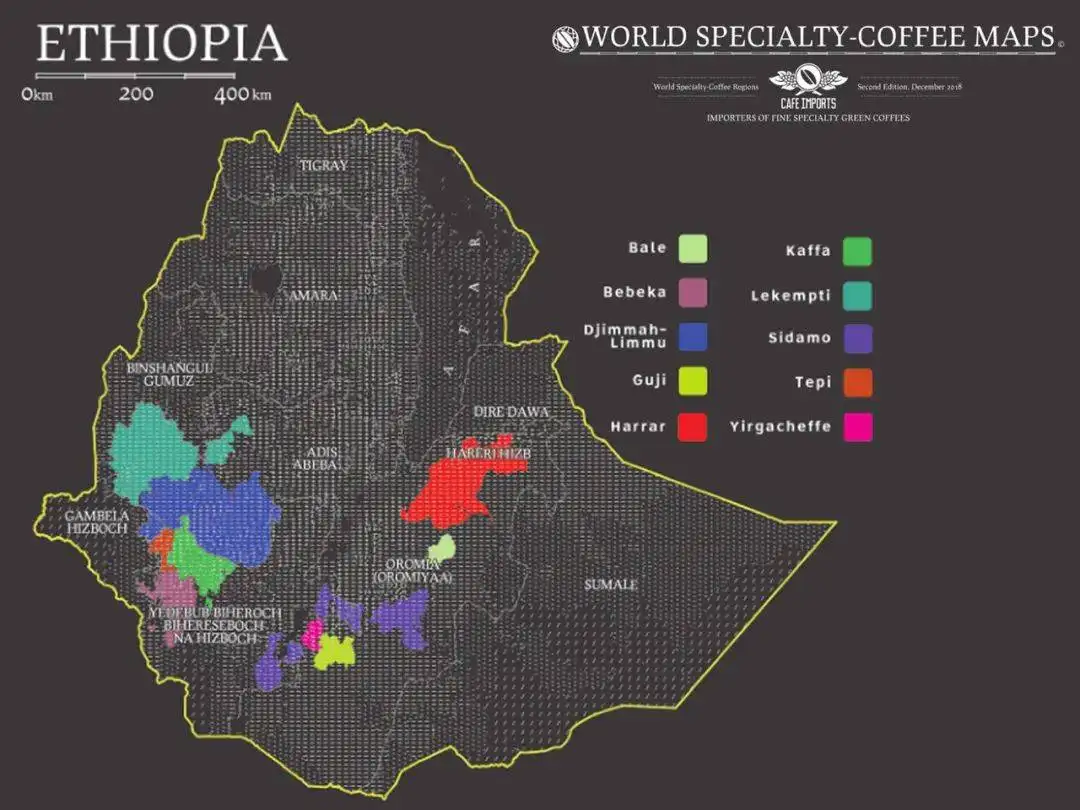
Ethiopia’s highland terrain creates the ideal ecosystem for coffee—2,000-meter elevation paired with a tropical rainforest climate, along with significant day-night temperature variations and constant mist, provide perfect growing conditions for coffee trees. The local farming method mainly involves intercropping, where coffee trees are often grown alongside banana plants. This traditional cultivation not only preserves biodiversity but also forms the unique green landscapes of villages. The country’s five administrative regions host nine core coffee-growing areas. Among them, Yirgacheffe, though a small town, is renowned for producing an astonishing 1,000 tons of specialty beans annually. Sidamo and Harrar are ranked among the three classic producing regions due to their historical significance and distinctive flavors.
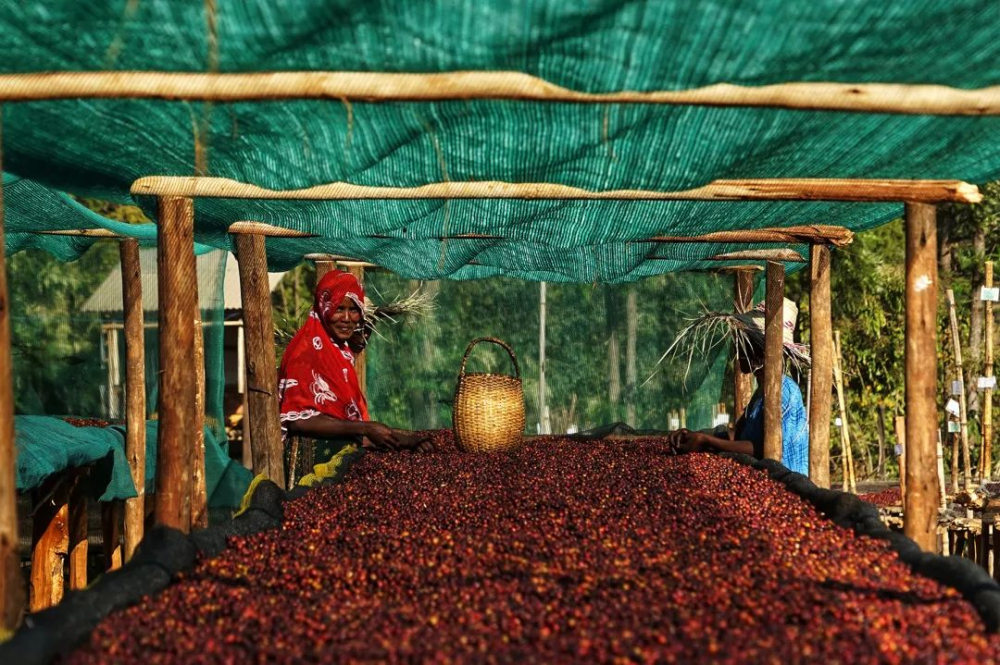
The evolution of modern processing techniques has deeply influenced the flavor direction of Ethiopian coffee. The washed process, introduced in 1972, demands strict water quality management and fermentation control. By rinsing away the fruit pulp layer with flowing water, it achieves the signature lemon acidity and white floral notes of Yirgacheffe coffee. In contrast, the traditional natural process, once plagued by inconsistent handling leading to impurity issues, now adopts African-style raised drying beds and manual sorting. After 27–30 days of slow drying, beans like Red Cherry develop intense berry sweetness and complex fermented layers. Notably, many garden coffees are processed collectively through cooperatives—for example, the well-known Guji Dingding Cooperative specializes in washed Yirgacheffe—while smallholder farmers tend to use improved natural processing methods to enhance quality consistency.
When tasting Ethiopian coffee, it’s essential to grasp key flavor dimensions: Washed-process Guji Dingding Cooperative beans offer bright passion fruit top notes, paired with a tea-like mid-palate and honey finish, making them ideal for those who prefer a crisp acidity. Natural-process Red Cherry beans showcase the explosive flavors of tropical fruits, with distinct transitions from berry sweetness and acidity to a black tea-like finish. For advanced enthusiasts, Sidamo Huagui is recommended—it balances a full body and cocoa finish with a harmonious mix of berry and creaminess. Professionals suggest using a V60 filter cone with water at 92–93°C, and a fine sugar-like grind (78% extraction through a #20 sieve) for a three-stage pour-over: the first 30-second bloom to release aroma, followed by incremental pouring to reach a total of 225g, all completed within 2 minutes.
For beginners, we recommend starting with washed Yirgacheffe as an everyday bean. This classic variety opens with honey and dried jasmine aromas, then reveals lemony acidity and bright berry notes upon brewing, ending with a clean cane sugar sweetness and tea-like aftertaste. When hand-brewing, pay attention to adjusting grind size and water temperature subtly—too fine a grind may lead to over-extraction and bitterness, so fine-tune based on actual flavor feedback. For storage, freshly roasted beans should be used within 5–7 days, and once opened, keeping them in a light-proof, airtight container can help slow flavor degradation.
The above content is compiled by CoffeeHunters, a coffee news website.


