







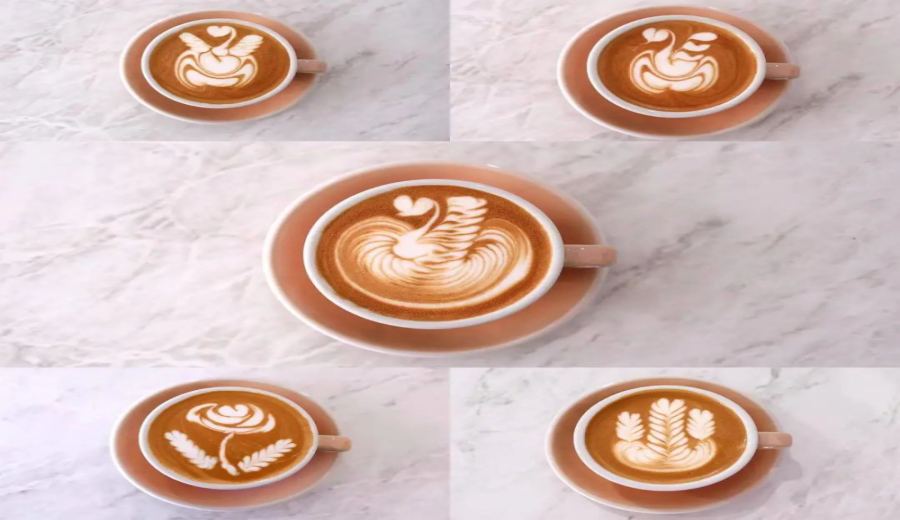
Introduction:Have you ever wondered why a beautiful latte art pattern is often seen on top of a milk-based coffee? From early simple designs like hearts and leaves to today’s intricate animals and creative motifs, coffee art is not only a visual delight but also a representation of the barista’s skill and the evolution of coffee culture. This article will take you through the journey of latte art—from its origins in Italy, to its development in the United States, and its global popularity—and explore how it has evolved from mere patterns into an integrated art form that combines visuals with taste.
Walk into any café and order a milk-based coffee, and you’ll often see the barista crafting various patterns in your cup, from classic hearts and leaves to more challenging animal or cartoon designs. These exquisite decorations are what we call “coffee art,” or more specifically, latte art. They not only add visual appeal to the drink but have also become a symbol of the barista’s craftsmanship. But how did this art form come about? And how has it transformed over time? Let’s take a journey back through its history.
In modern cafés, milk-based espresso drinks almost always come with latte art—whether it’s simple geometric shapes or elaborate creative designs—all of which make the coffee more visually appealing. Especially in coffee competitions, latte art skills are one of the key scoring criteria, showcasing the barista’s control over detail and aesthetics. But where did this elaborate technique originate?
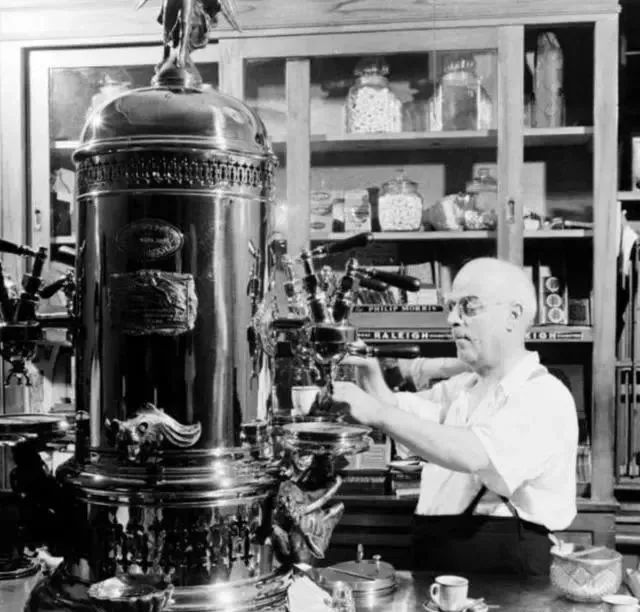
To make a coffee with latte art, the key lies in using a pressure-driven espresso machine and a steam wand. As early as the beginning of the 20th century, Italian engineer Luigi Bezzera, aiming to improve coffee extraction efficiency, developed the world’s first semi-automatic steam-pressure espresso machine and applied for a patent in 1901. Later, the Italian company La Pavoni acquired the patent and launched a commercial model equipped with a steam wand in 1906, allowing baristas to more precisely control the temperature and texture of milk.
Although steam-heated milk had been used in Italy as early as the late 19th century, it wasn’t until several decades later that milk foam was actually combined with espresso to form the patterned art of latte art. The widespread recognition of this art form is actually closely tied to an American barista.
In the 1980s, Seattle-based barista David Schomer accidentally created a heart-shaped pattern on the surface of his coffee when the last pour of white milk foam landed on the espresso. This serendipitous discovery prompted him to study the espresso-making techniques of Italy at the time and dedicate himself to popularizing this decorative skill. He later founded Espresso Vivace, focusing not only on improving coffee quality but also on teaching baristas how to master this art.
By the late 1980s, these patterned coffee drinks began to gain popularity in the United States and gradually spread around the world. This is what we now commonly know as “latte art.”
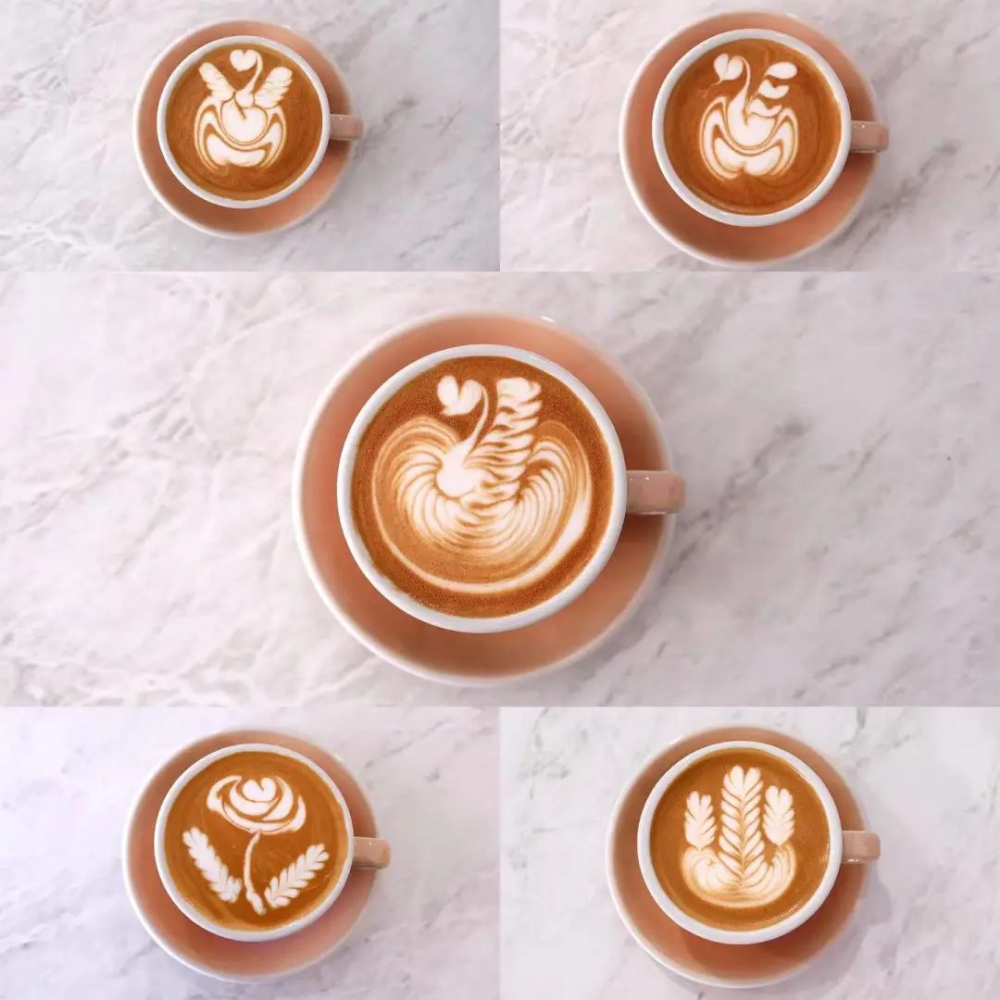
The English term for “latte art” is Latte Art, where “Latte” comes from the Italian word for “milk.” When steamed hot milk is combined with espresso and artistically poured by the barista, it forms what is called latte art. Early latte art patterns were mostly simple hearts and leaves, but with the rise of specialty coffee culture, baristas around the world began to pursue more refined and creative visual effects.
Moreover, many baristas have developed “etching” techniques, using milk foam and additional ingredients to create more three-dimensional designs on the coffee surface. These innovations have further elevated the artistic value of coffee and made each cup a unique creation.
It’s worth noting that as the industry has evolved, latte art is no longer just about the beauty of the patterns. Today’s baristas pay more attention to the texture of the milk, its integration with the espresso, and the overall balance of flavors. David Schomer also emphasized that a successful latte art coffee is not just about technique—it also relies on high-quality espresso and fresh milk.
For this reason, latte art not only makes coffee more visually appealing but also indirectly enhances the overall quality of the drink. This is why on social media, milk-based drinks like lattes and flat whites often gain attention for their stunning latte art. Who doesn’t love a coffee that’s both aromatic and beautiful?
The above content is compiled by CoffeeHunters, a coffee news website.


