







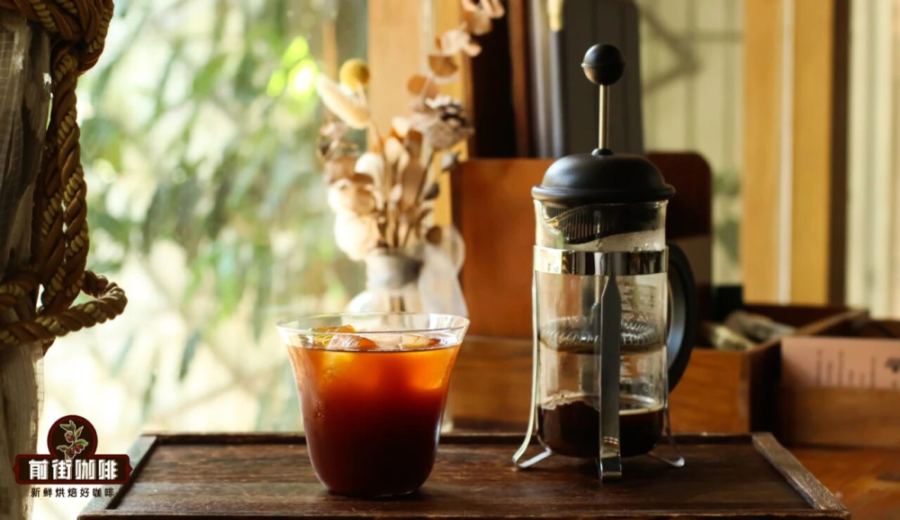
Introduction:The French press is the first step for many coffee beginners entering the world of pour over brewing. Not only is it simple to use, but it also fully showcases the original flavors of the coffee beans. This article details everything from bean selection, grind size, coffee-to-water ratio to the specific brewing process. It teaches you how to brew a rich, full-bodied French press coffee with medium to dark roast beans that boasts a velvety crema, and analyzes which beans are best suited for this brewing method.
The French press (French Press) is hailed as one of the most user-friendly and easy-to-master coffee tools. Its full immersion brewing method fully extracts the oils, aromas, and diverse flavor compounds from the coffee beans, creating a smooth, sweet, and full-bodied taste. It’s perfect for everyday enjoyment—especially that first cup to awaken your taste buds in the morning.
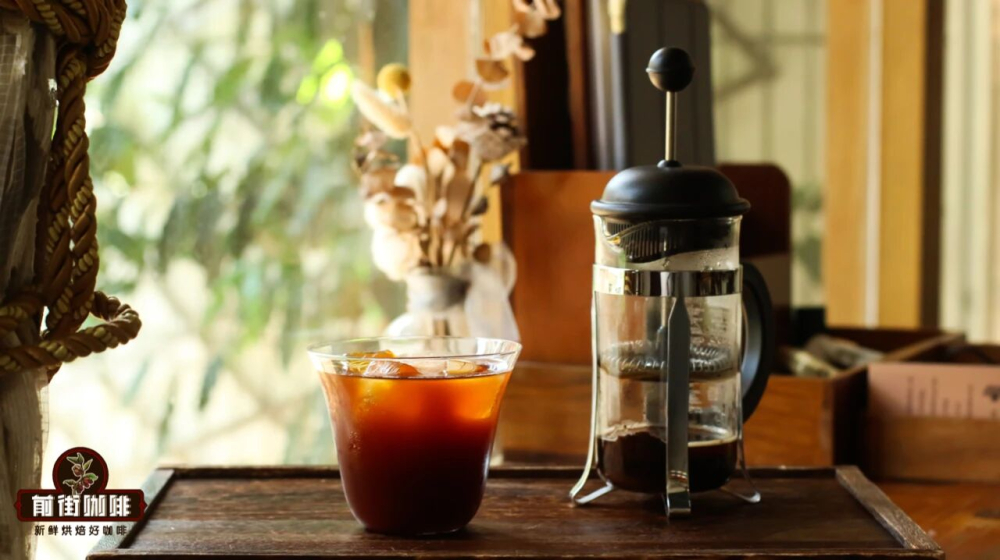
Although the operation seems straightforward, almost like a “lazy person’s” coffee tool, mastering the correct parameters and techniques allows the French press to deliver a rich complexity and detail that rivals professional cupping sessions, enabling you to easily enjoy high-quality black coffee.
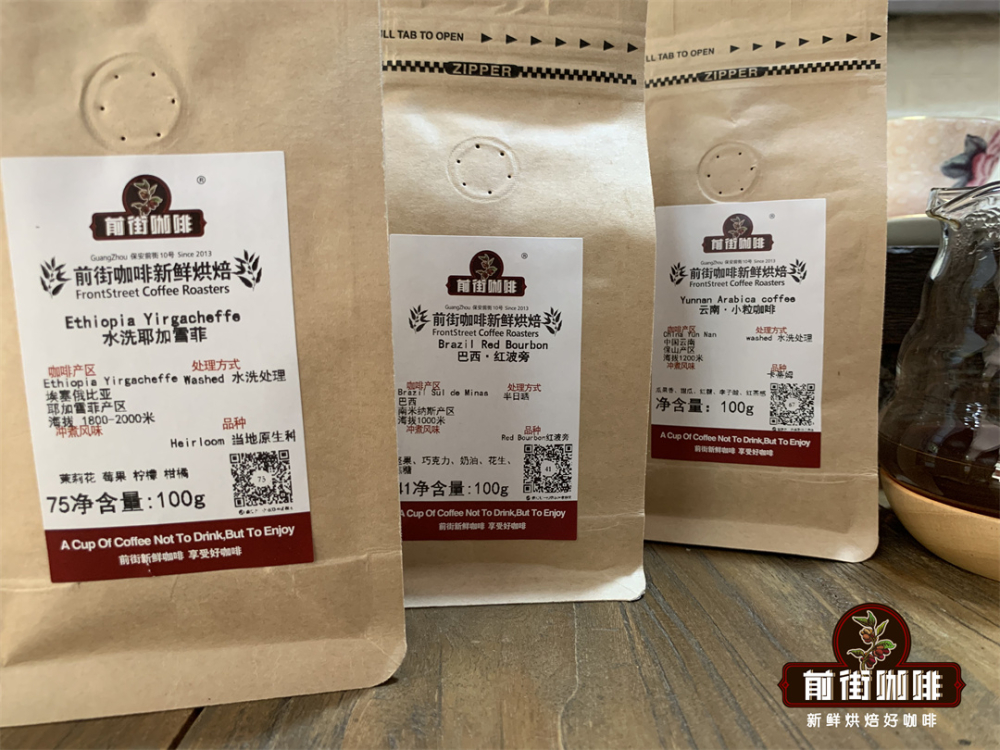
In terms of bean selection, the French press is best suited for medium to dark roast coffee beans, especially single-origin beans with pronounced fruity acidity. These types of beans, after immersion brewing, not only deliver a rich mouthfeel but also highlight flavor notes such as dark chocolate, nuts, and deep berries. In contrast, lighter roasted beans—such as the commonly seen Ethiopian Yirgacheffe—though pour over can bring out bright lemon, floral, and tropical fruit notes, are prone to tasting flat and lacking layers in the French press due to over-extraction from prolonged steeping.
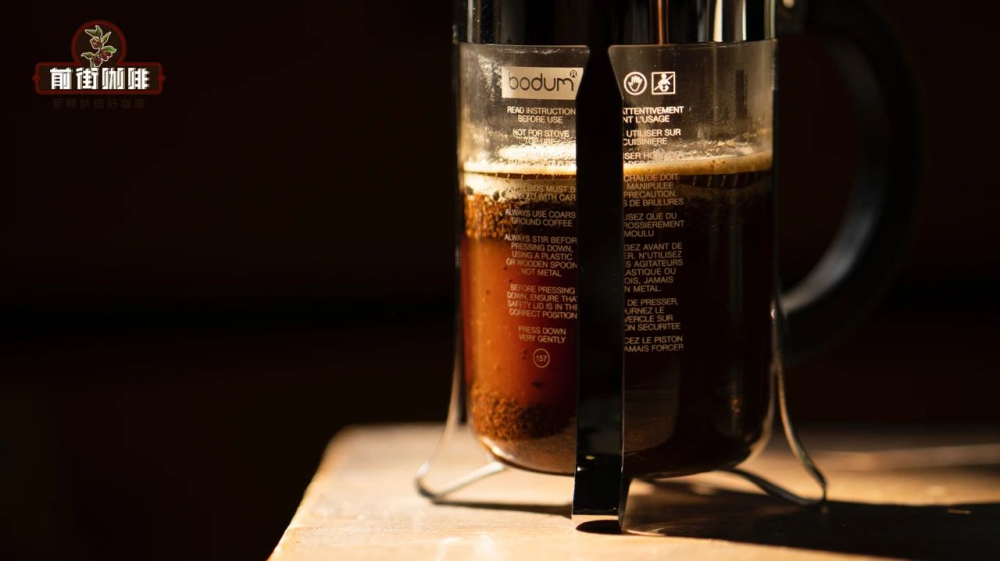
As a practical guideline, it is recommended to use a medium-coarse grind, roughly similar to that used for pour over, but slightly coarser than pour over to ensure the filter doesn’t clog and to avoid over-extraction. Ideally, you can test with a standard sieve, with the recommended passing rate maintained at70% to 75% . If the grind is too fine, fine coffee particles can pass through the filter, resulting in cloudy coffee liquid, negatively affecting both taste and appearance.
For the coffee-to-water ratio, beginners are advised to start with1:10 a 1:10 ratio, meaning 20 grams of coffee beans to 200 milliliters of hot water. This concentration suits most people’s palates. If you prefer a lighter coffee, you can adjust to 1:16—for example, 15 grams of coffee beans with 240 milliliters of water. Additionally, if using commercially available drip coffee bags (for example, each bag weighs 10 grams), you can also directly place them in the French press and brew using the same ratio, which is very convenient.
Water quality is also one of the important factors affecting coffee flavor. It is recommended to use filtered soft water, such as pure mineral water, and to avoid using tap water that is too hard or unfiltered, as it can introduce off-flavors and negatively impact the final coffee experience.
The following are the actual steps for brewing:
1. First, grind the coffee beans to a medium-coarse level, with a recommended sieve passing rate of about 70%–75%. Do not grind too finely.
2. Heat the water to approximately93°Cjust below boiling point—close to boiling but not fully boiling—which is the ideal temperature for the French press.
3. Pour the ground coffee into the French press, then add hot water. It’s recommended to adjust the ratio to either 1:10 or 1:16 based on personal taste preference.
4. Gently stir with a spoon to evenly mix the coffee grounds and water.
5. Place the lid on the French press but keep the plunger at the top. Let it steep for4 minutesto allow the coffee to fully extract.
6. After the time is up, you can open the lid and skim off any floating coffee foam and fine particles with a spoon.
7. Slowly press the plunger down to the bottom, maintaining steady pressure to avoid sudden force that could lead to over-extraction.
8. After brewing, it is recommended to immediately pour the coffee into a thermos or another container to prevent continued steeping, which can lead to bitterness or unwanted flavors.
9. Finally, pour into your cup and enjoy a French press coffee rich in crema and layered in flavor.
In summary, the French press is not only easy to use and requires minimal equipment, but it also preserves the original flavors and natural oils of the coffee. It is an eco-friendly and practical brewing method. Whether you’re a busy office worker or a beginner coffee enthusiast, you can easily get the hang of it and enjoy a high-quality cup of hand-brewed coffee.
The above content is compiled by CoffeeHunters, a coffee news website.


