







Introduction:Jamaican Blue Mountain coffee enjoys a world-renowned reputation, but the prevalence of counterfeit products on the market makes it difficult for consumers to distinguish the genuine article. This article delves into the legal production regions, altitude restrictions, oak barrel transport, and CIB certification standards of Blue Mountain coffee, analyzing the grading system of "Blue Mountain No. 1" and the characteristics of its washed processing. It also provides expert pour-over parameters and flavor evaluations to help readers identify authenticity, select genuine products, and enjoy the true taste of Blue Mountain.
Blue Mountain coffee is hailed as the pinnacle of the coffee world, yet the market is flooded with products labeled as "Blue Mountain," ranging from blends to dark roasts. Though these names sound impressive, they often have little to do with authentic Blue Mountain. What exactly constitutes true Jamaican Blue Mountain coffee? How can you identify the real deal through various strict standards? This article will thoroughly analyze the legal production areas, grading system, transport, and certification regulations of Blue Mountain coffee, taking you from the oak barrel to the cupping table to fully grasp the key points of identifying Blue Mountain No. 1 and its flavor characteristics.
Blue Mountain Flavor ≠ Authentic Blue Mountain: The Key to Spotting the Real Thing
Due to the rarity and high price of Blue Mountain coffee, many merchants offer so-called "Blue Mountain flavor," "Blue Mountain blends," or "Blue Mountain dark roasts" in an attempt to mimic its unique taste. However, these products are typically made from common coffee varieties roasted darkly, differing greatly from authentic Blue Mountain in terms of origin, variety, and processing method. To truly be called Blue Mountain coffee, it must come from specific high-altitude regions in Jamaica and meet stringent production and export regulations.
Oak Barrel Transport and CIB Certification: Strict Identification Standards
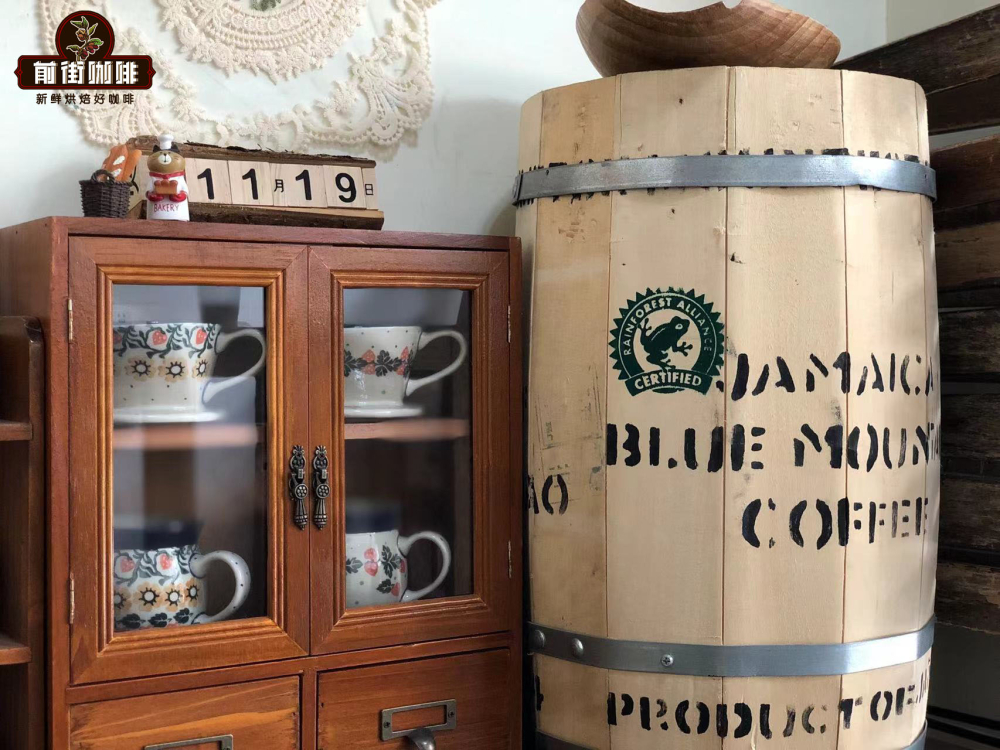
Jamaica is the only country in the world that useshandmade oak barrelsto transport green coffee beans. Compared to common jute sacks, oak barrels help regulate humidity, reduce aroma loss, and maintain stable bean moisture content, which is greatly beneficial for preserving quality before roasting. Therefore, if a merchant claims to sell Blue Mountain coffee but cannot explain whether oak barrels are used for transport, the authenticity of their product is questionable.
Additionally, all Blue Mountain coffee exports must be certified by theJamaica Coffee Industry Board (CIB), including quality testing, label authorization, and related documentation. Legally imported Blue Mountain coffee usually comes with a CIB certification label, a certificate of origin, and a producer authorization letter. Consumers can request to see these documents when purchasing to confirm the product’s legal origin and authenticity. For example, one merchant selling Blue Mountain No. 1 not only has a quality certificate issued by the CIB but also displays physical oak barrels, proving its authentic lineage from the Clifton Estate.Legal Production Region and Altitude Requirements for Blue Mountain No. 1
According to Jamaica’s Coffee Industry Regulation Act, only coffee grown in theparishes of Saint Andrew, Saint Thomas, Portland, and Saint Maryat an altitude between910 and 1700 metersand of theTypica varietyqualifies to be called "Jamaica Blue Mountain coffee." The rugged terrain in this region makes harvesting and management challenging, with high labor and transportation costs, which is why prices are generally not low. If you encounter a product claiming to be Blue Mountain but sold at an unusually low price, it is very likely a counterfeit or blend.
Currently, commonly available Blue Mountain No. 1 on the market, such as that sold by one merchant, costs about 158 yuan per 100 grams, and brewing a cup of pour-over black coffee costs around 60 yuan, which falls within a reasonable range. When selecting, consumers should not only pay attention to the price but also confirm whether the region and altitude meet the legal standards.The Grading System and Evaluation Criteria for Blue Mountain No. 1
Jamaica implements strict grading for Blue Mountain green beans, based primarily on factors such as bean size, defect rate, color uniformity, and cupping performance (e.g., dry fragrance, wet aroma, acidity, sweetness, body, and cleanliness). Screen size determines bean specifications, while color is evaluated visually and with a colorimeter, whereblue-green hues are considered top-tier.
Based on comprehensive indicators, Blue Mountain coffee is divided into four main grades: No. 1, No. 2, No. 3, PB (Peaberry, or pea berry), and mixed beans. Among them,No. 1 is the highest grade, also known as "Blue Mountain No. 1" in the market. To achieve this grade, green beans must have a screen size of17 or higher, adefect rate below 3%, amoisture content of around 13%, and exhibit rich aroma, balanced flavor, gentle acidity, and a long-lasting aftertaste in cupping. One merchant’s Blue Mountain No. 1 meets all of these strict criteria.Washed Processing and Handcrafted Refinement
Blue Mountain coffee uses traditionalwashed processing, with rigorous screening starting right after picking. Fresh cherries are first sorted by floatation to remove defective beans, then the pulp and skin are removed. The beans undergo fermentation for 12 to 18 hours, followed by hand-washing until smooth, and are finally sun-dried to reach the target moisture content. This process not only reduces the defect rate but also preserves the purest aroma and flavor characteristics of the Typica variety, resulting in clean, bright, and layered flavors.
Flavor Characteristics of Blue Mountain No. 1
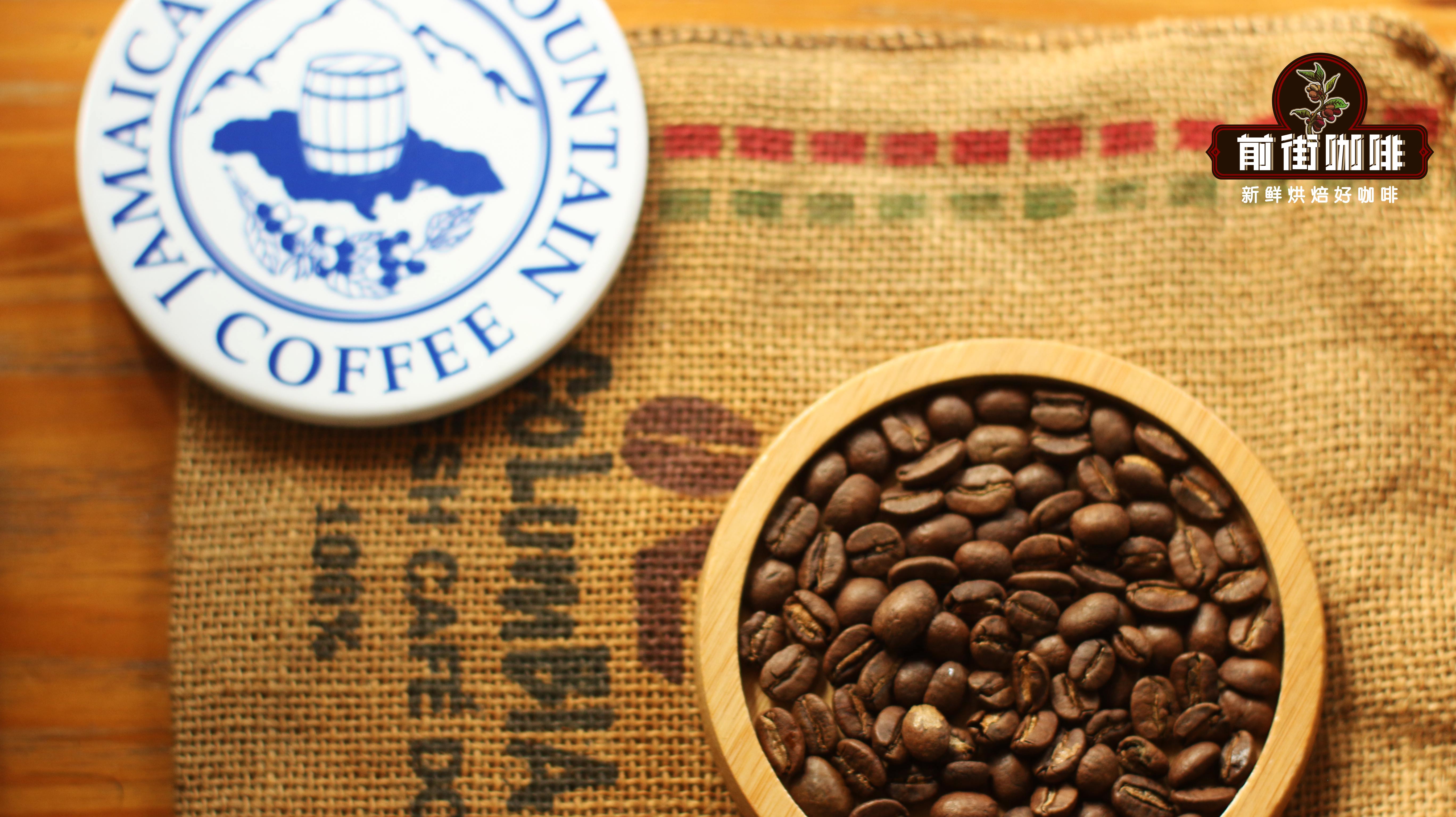
The Blue Mountain No. 1 coffee beans from one merchant, after washed processing, emit a rich and lastingchocolate and roasted hazelnut aroma, a level of complexity that many dark roast blends struggle to achieve. In terms of taste, it achieves an excellent balance of acidity, sweetness, bitterness, aroma, and mellowness, with moderate body and noticeable sweetness—no single flavor overwhelms, perfectly embodying the classic traits of Blue Mountain coffee.Brewing Recommendations and Parameters for Blue Mountain No. 1
To fully showcase the richness and intricate flavors of Blue Mountain No. 1, it is recommended to use aKONO filterfor pour-over brewing. Its immersion-style extraction helps enhance concentration and mouthfeel roundness, bringing out a more pronounced body compared to the V60. Below are the actual brewing parameters from one merchant for coffee enthusiasts’ reference:- Filter: KONO filter
- Water temperature: 88°C
- Coffee-to-water ratio: 1:15
- Coffee dosage: 15g
- Grind size: EK43s – scale 10.5 (approximately 75% passing through a 20-mesh sieve)
Steps: First, wet the filter and paper with hot water, add 15g of coffee grounds, then pour 30g of water for a 30-second bloom. Next, pour in a circular motion from the center outward until reaching 125g for the first pour, wait for the bed to lower, then continue pouring to 225g. Total dripping time should be controlled to around 2 minutes. This method fully extracts the chocolatey sweetness, caramel notes, and gentle acidity of Blue Mountain No. 1, delivering a smooth, rich, and classic Blue Mountain flavor.
Before brewing, it is also recommended to check the roast date of the coffee beans and opt for freshly roasted beans within five days to achieve the best flavor. Stale beans tend to lose aroma, making it difficult to restore their full complexity.
By mastering the above identification tips and brewing techniques, whether you’re a newcomer exploring the world of Blue Mountain or a seasoned enthusiast seeking high-quality coffee, you can confidently choose and enjoy the true Jamaican Blue Mountain No. 1 coffee.
The above content is compiled by CoffeeHunters, a coffee news website.


