







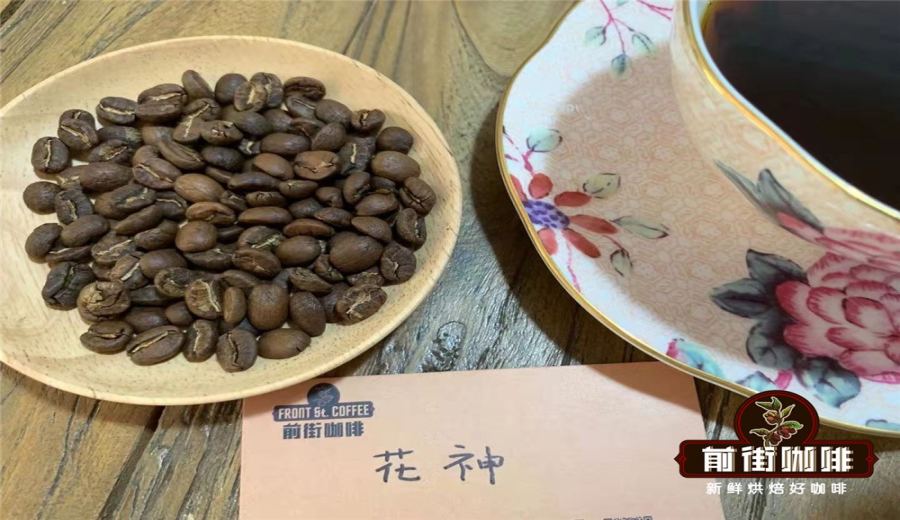
Introduction:Want to dive deeper into one of Central America’s most iconic specialty coffees—Guatemala Antigua? From its exceptional volcanic soil environment and classic washed processing method to its captivating berry and chocolate flavor profile, this article will give you a comprehensive understanding of Antigua’s growing background, variety characteristics, processing details, and practical pour over brewing tips. This will help you become more proficient in selecting beans and brewing.
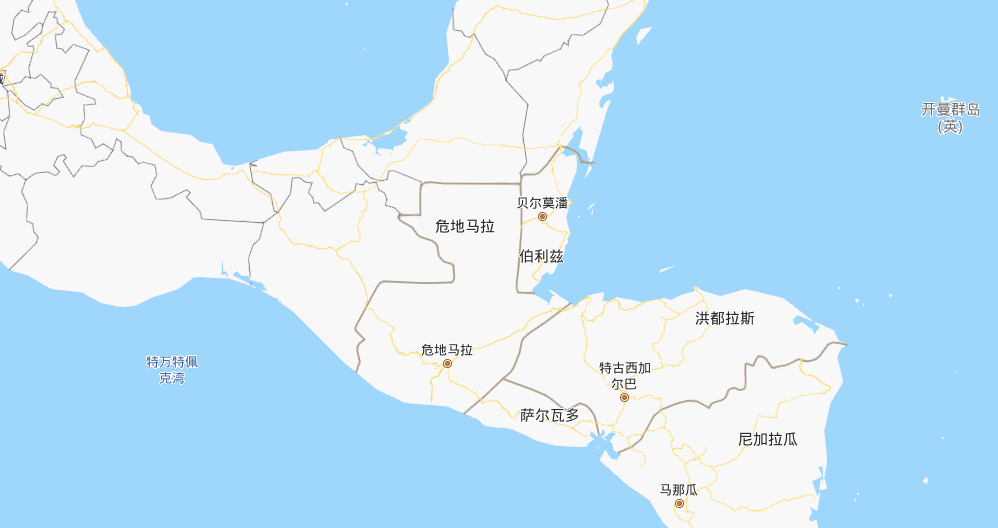
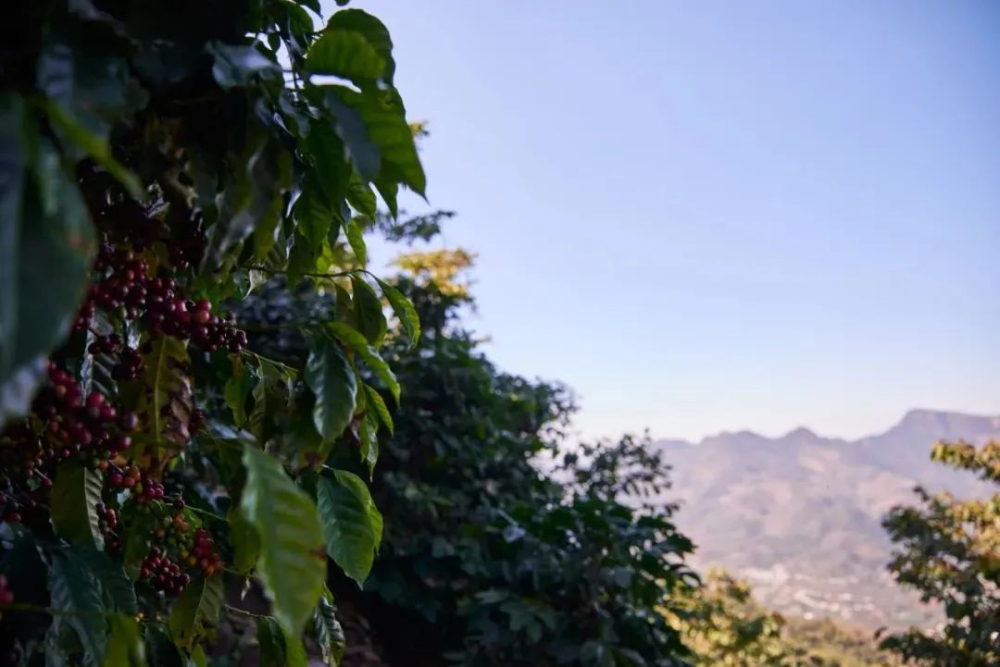
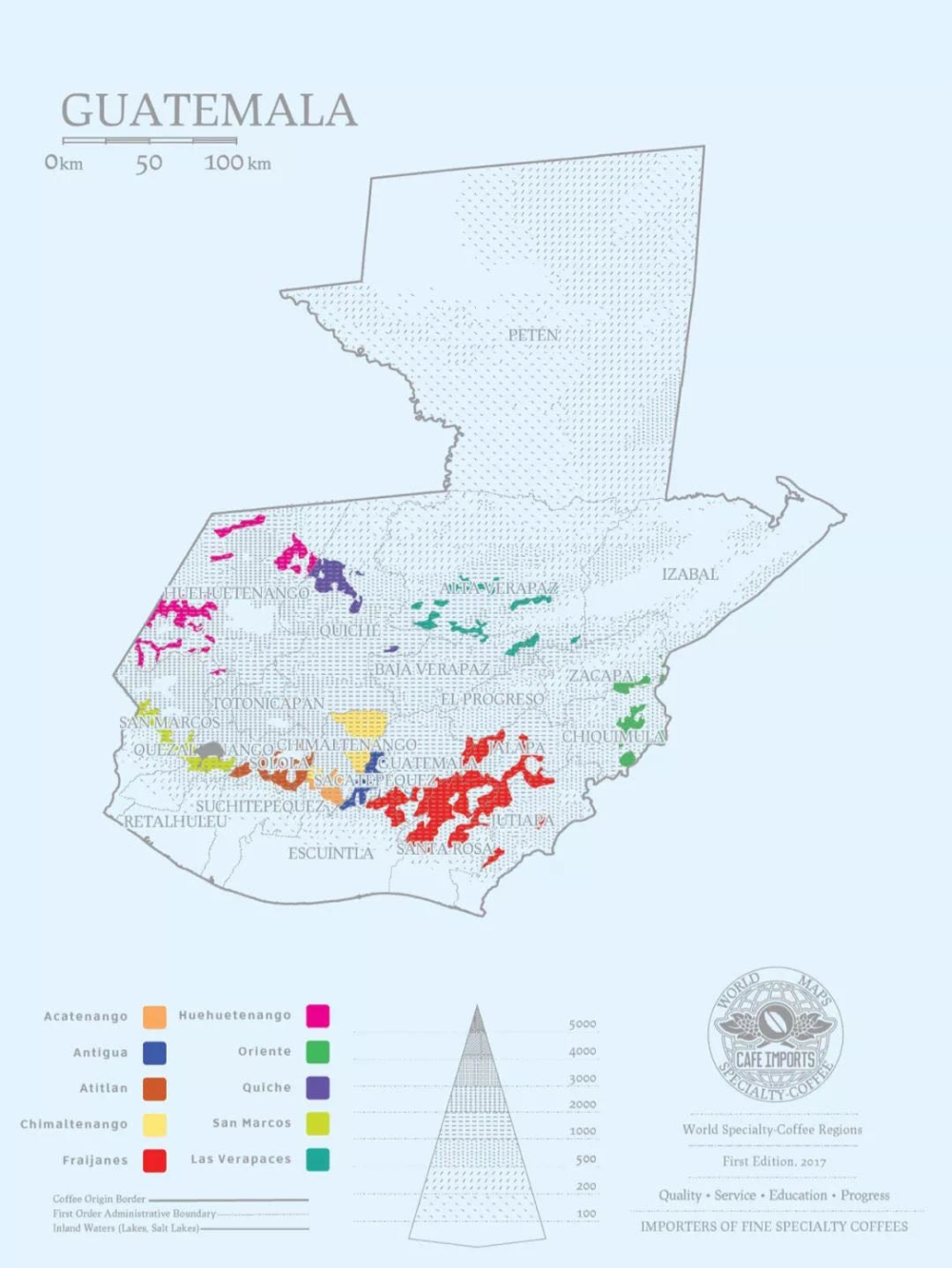
The Antigua region in Guatemala is nestled in a valley surrounded by three active volcanoes, boasting fertile volcanic soil and a unique microclimate. The coffee produced here often carries complex aromas of smoke, chocolate, and nuts, earning it the reputation of “smoky coffee.” This distinctive smoky flavor partly stems from the rich minerals released by volcanic activity and the slow ripening process brought about by high altitudes. For coffee enthusiasts, Antigua is not just a place name—it’s a symbol of flavor.
Antigua City, a city with over 400 years of history, was once the capital of Central America during the Spanish colonial era. Although it lost its capital status after the major earthquake of 1773, the surrounding coffee-growing areas were preserved and have since become an important source of today’s specialty coffee. The altitude, mild subtropical climate, frequent cloud cover, moderate rainfall, and nourishment from volcanic soil provide nearly perfect growing conditions for Arabica coffee trees. Particularly under the nurturing of volcanic soil, the coffee beans not only have intense flavors but also often carry a subtle, charming smoky finish.
When talking about Antigua coffee, one cannot overlook the region’s most representative estate—La Minita. This estate is renowned for its rigorous quality control and organic cultivation, and its “Huila” coffee beans are considered a classic among many coffee aficionados. The Huila coffee mainly uses classic Arabica varieties such as Bourbon, Caturra, and Catuai, processed via the washed method to preserve bright acidity and a clean taste, while also showcasing delicate floral and tea-like notes.
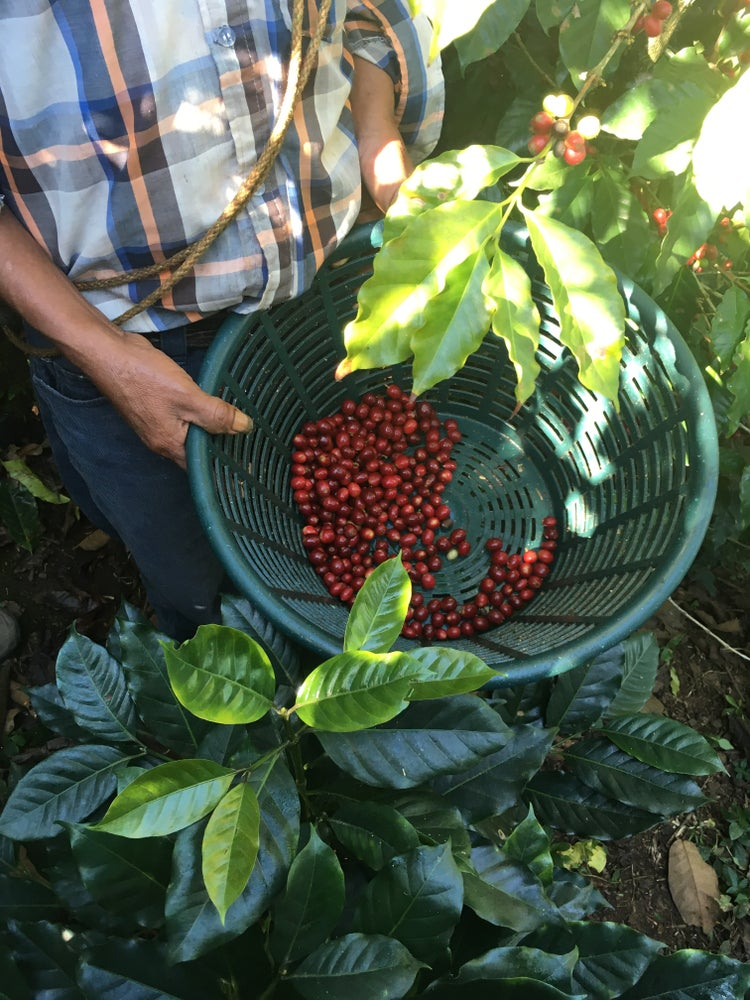
La Minita Estate specifically entrusts the well-known local washed processing facility Las Pastores to handle the green bean processing. Every step—from harvesting, pulping, fermentation, to drying—is executed with precision and hygiene. The biggest advantage of the washed processing method is that it effectively removes mucilage and impurities, making the intrinsic flavors of the coffee more prominent, the acidity brighter, and the mouthfeel crisper. Compared to the natural (sun-dried) method, washed processing better highlights the delicate layers and regional characteristics of Antigua coffee.
In terms of varieties, the Huila coffee is primarily based on the Bourbon variety, supplemented by Caturra and Catuai. The Bourbon variety is known for its balanced sweet and acidic profile and full body, serving as a foundational variety for many Central and South American specialty coffees. Caturra offers a fresh citrus tone, though its sweetness and yield can be affected by nutrient management. Catuai combines the advantages of Caturra and Typica, with stronger disease resistance while maintaining good flavor expression. These varieties, under Antigua’s high-altitude environment, are able to showcase their most refined flavor potential.
The microclimate of the Antigua region is another key factor contributing to the uniqueness of its coffee flavors. The area experiences concentrated but moderate summer rainfall and occasional light frosts in winter. However, thanks to the surrounding volcanoes, the lightweight porous soil formed from volcanic rocks offers excellent drainage and water retention. Coupled with the protection of shade trees, the coffee trees can grow stably even amid changeable climatic conditions. More importantly, the large diurnal temperature variation helps the coffee cherries slowly accumulate flavor compounds, resulting in a rich and layered mouthfeel.
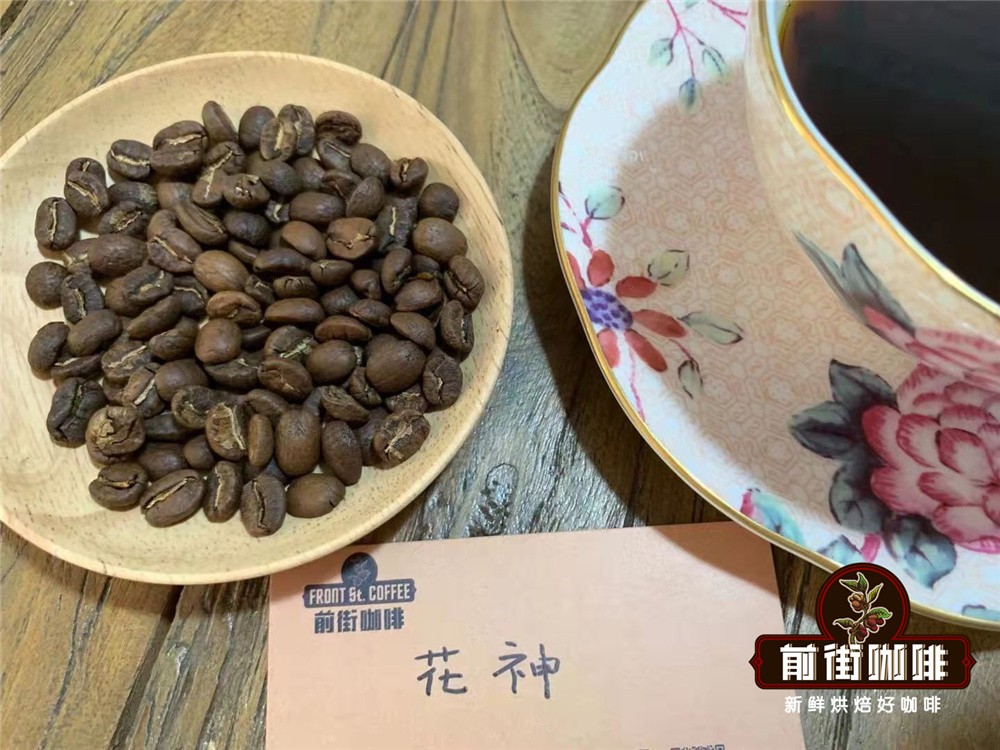
We once launched a selection of Huila coffee beans produced by La Minita Estate in the Antigua region, processed using the washed method and presented with a medium-light roast. This bean lot pays special attention in roasting to preserving floral and fruity notes along with bright acidity, while maintaining overall flavor balance. For brewing recommendations, it’s ideal to use a V60 filter with a medium-fine grind (approximately 80% through a #20 sieve), water temperature controlled around 91°C, a 1:15 coffee-to-water ratio, and a three-pour technique for pour over. This setup fully showcases its berry, citrus, and light chocolate flavor characteristics.
The specific brewing parameters are as follows: Take 15 grams of coffee grounds, use 91°C hot water. The first step is a 30-second bloom with double the coffee weight in water (about 30 grams) to release gases and initiate extraction. Then, pour water in small circles up to 125 grams for the first pour, followed by additional pouring to reach a total of 225 grams. Once dripping from the filter is complete, the total extraction time is approximately 2 minutes. This process effectively controls extraction uniformity, avoiding over-extraction or under-extraction, and brings out the coffee’s most refined flavor profile.
In summary, Guatemala Antigua coffee is known for its smoky chocolate-like finish, clear acidity, and rich layers of flavor. It is a classic choice that coffee lovers interested in Central American flavor profiles should not miss. Whether as a daily drinker or a premium bean to deeply experience regional characteristics, Antigua can offer you a unique taste experience. Mastering the correct brewing method can further unlock the full potential of this coffee.
The above content is compiled by CoffeeHunters, a coffee news website.


