







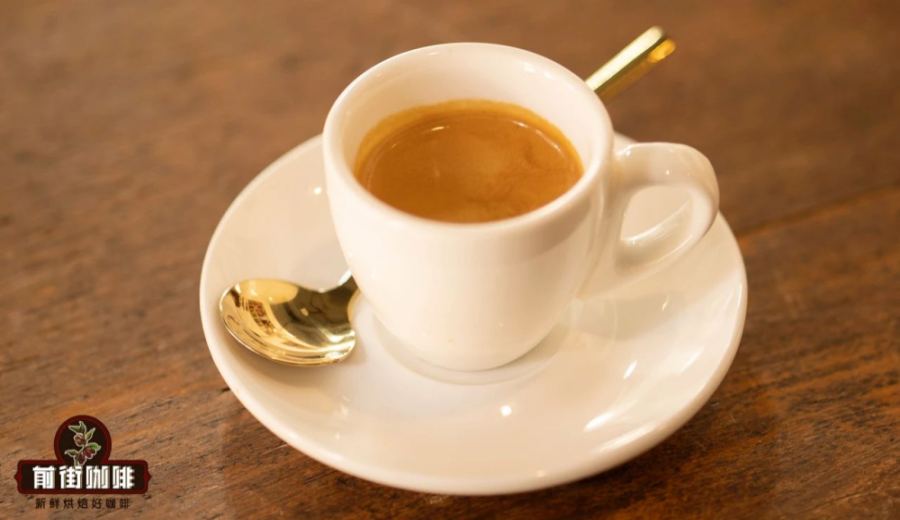
Introduction:Espresso is the soul base of many coffee beverages, from lattes to cappuccinos—all originate from it. This article delves into the origins of espresso, its unique flavor structure and three-layered taste profile, helping you understand its fundamental differences from Americano. It also provides SCA-standard extraction parameters, practical drinking suggestions, and how to savor its complex layers through details—offering useful guidance for both beginners and coffee enthusiasts.
Walking into a café, you often see a small serving of dark coffee topped with golden foam—this is Espresso. It is not only the foundation for classic drinks like lattes and cappuccinos but also represents the essence of Italian coffee culture. This article will explore the history, flavor characteristics, and three-layer structure of espresso, analyze its core differences from Americano, and detail the correct way to enjoy it, along with SCA-standard extraction parameters and actual brewing techniques, helping readers fully grasp the mysteries of this classic coffee.
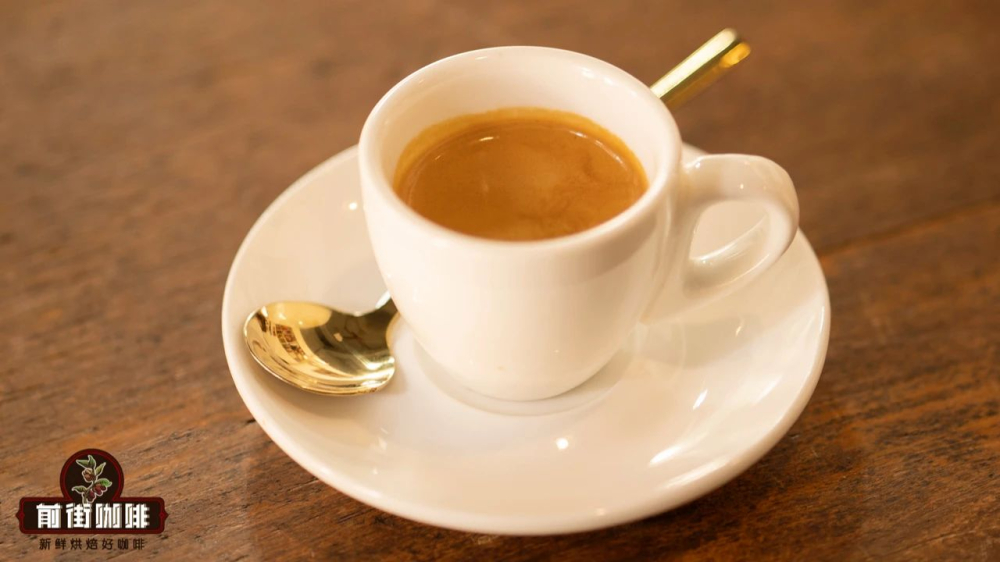 In cafés around the world, you’ll often see someone order a tiny cup of dark coffee topped with golden foam. Many first-timers are often surprised by its intense flavor and prominent bitterness, not realizing that this is the original version of common coffee drinks like Americano or latte—Espresso.
The word “Espresso” comes from the Italian “Express,” meaning “to quickly press” or “extract.” This brewing method uses high-pressure steam to force hot water through finely ground and tightly packed coffee grounds, extracting a highly concentrated and flavorful coffee liquid. This process not only preserves rich coffee oils but also achieves a delicate balance between acidity and bitterness, thus regarded as an art form in coffee making. Additionally, Espresso is the foundation for many derivative drinks, including lattes, cappuccinos, macchiatos, and mochas, all crafted from it.
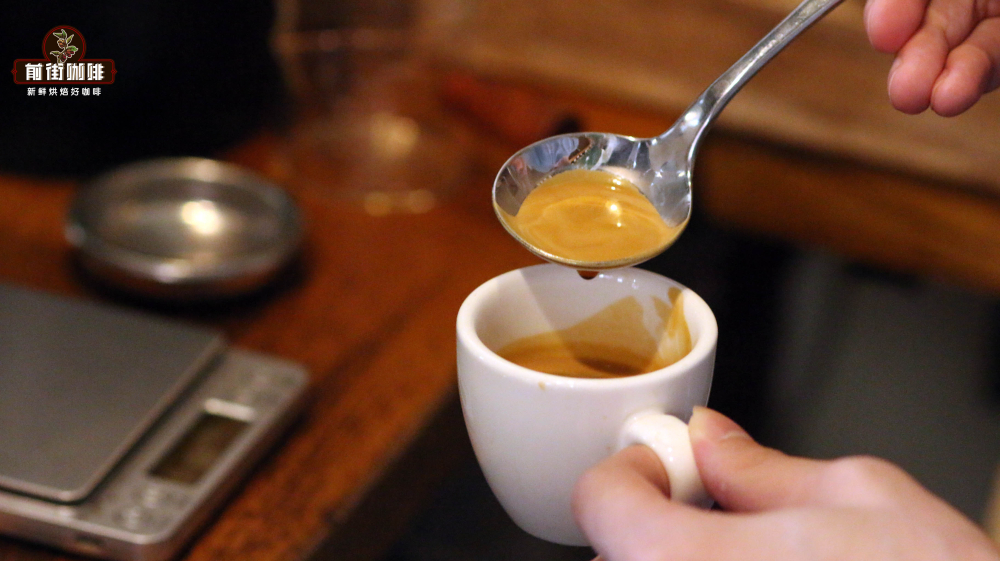
 The flavor and mouthfeel of espresso are highly distinctive. A quality Espresso can be initially judged by the golden crema on its surface. Ideal crema should have a mirror-like glossy sheen or display fine tiger-striping; insufficient coffee grounds or over-extraction may result in white spots. Generally, the crema should maintain a thickness of about 3mm. Upon tasting, the texture is rich, smooth, and velvety without graininess, often with a noticeable sweetness in the aftertaste, leaving a lingering sweetness on the palate and throat.
A single shot of Espresso typically has a volume of only 25 to 35 milliliters and can be consumed in just a few sips. This concentrated form originated during Italy’s industrialization period, when pressure-style coffee machines and espresso were created to meet the need for a quick energy boost. To this day in Italy, many people still habitually stop by a café for an Espresso before heading to work in the morning, standing at the counter and drinking it in one go—showcasing the unique fast-consumption culture of espresso. Of course, during everyday enjoyment, we can still carefully appreciate its layers, but it is recommended to drink it within a short time to prevent the flavors from fading.
 The flavor of an Espresso can be divided into three distinct layers: Crema (the foam), Body (the main part), and Heart (the core). The crema is the golden to reddish-brown foam on the top layer of the espresso, formed by the emulsification of coffee oils and carbon dioxide under high pressure. This layer not only affects appearance but is also closely related to the freshness and extraction quality of the coffee. The body is the main component of the coffee, showcasing a rich mouthfeel and aroma, including roundedness, smoothness, and viscosity—a comprehensive tactile experience. The heart, located at the bottom, is darker, nearly black, and primarily presents bitterness, bringing balance and depth to the overall flavor.
With the rise of specialty coffee culture, the quality of coffee beans used to make espresso has significantly improved, and many roasters are dedicated to exploring its diverse flavor potential. Therefore, we shouldn’t limit espresso to the impression of being “necessarily bitter.” As long as freshly roasted, high-quality beans are selected and the barista adjusts extraction parameters based on the bean variety, espresso can also exhibit rich top, middle, and base notes—including fruity, floral, caramel, nutty, and chocolatey flavors.
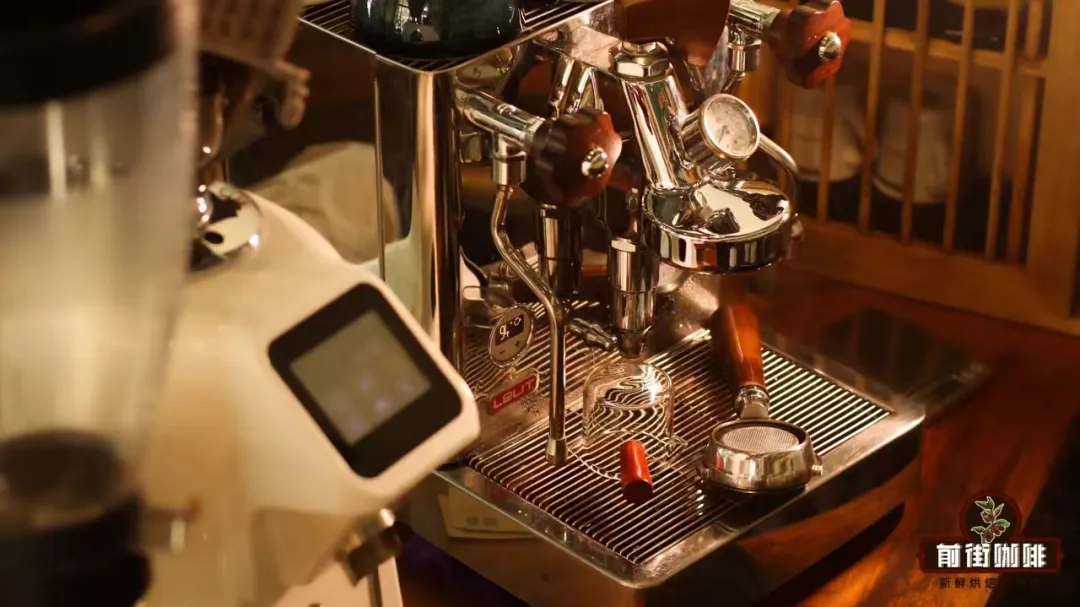
According to the Specialty Coffee Association (SCA) standards, a single shot of espresso requires 7 to 9 grams of coffee grounds, while a double requires 14 to 18 grams. The recommended extraction time is 20 to 30 seconds, with the coffee yield being about 25 to 35 grams, extraction pressure at 9 to 10 bar, and water temperature maintained between 90 to 96°C. However, in practice, different coffee machines, grinders, and the roast level and origin characteristics of the beans can all influence the final flavor, so adjustments to the coffee-to-water ratio and grind size may be needed to achieve optimal extraction.
For example, some cafés may use 10 to 11 grams of coffee grounds for a single shot, extracting 20 to 25 grams of coffee in about 22 seconds; for a double, they may use 19 to 20 grams of grounds, yielding 35 to 40 grams of coffee in about 29 seconds. These values can be flexibly adjusted according to actual conditions to achieve the desired flavor.
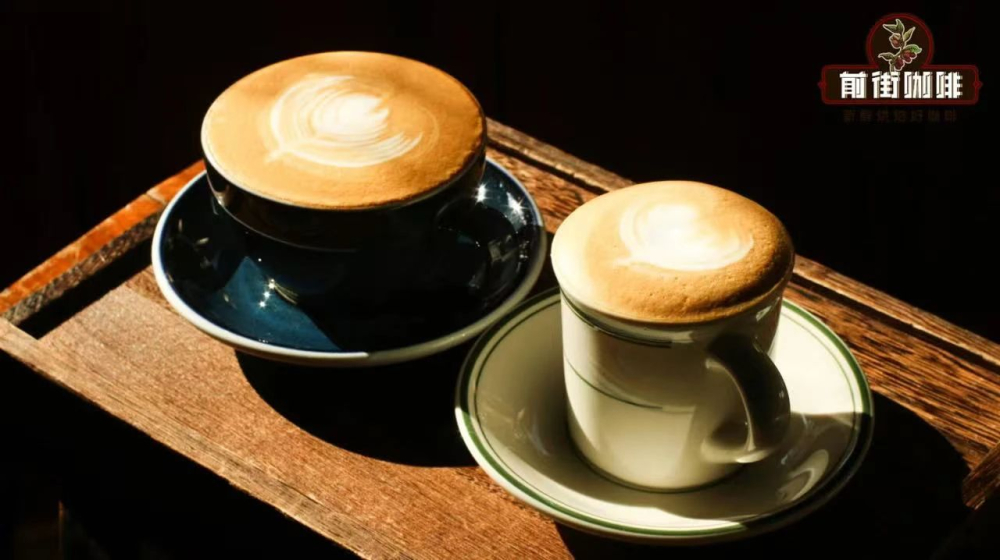
Since espresso has an intense and stimulating flavor, it is commonly enjoyed by adding milk to make a latte or diluting it with hot water to create an Americano. If making a latte, it is recommended to use a coffee-to-milk ratio of 1:6—for example, 40 grams of coffee with 240 grams of milk; if making an Americano, you can add 40 grams of coffee to 160 grams of warm water, in a ratio of about 1:4, resulting in a balanced and easy-to-drink everyday beverage.
The above content is compiled by CoffeeHunters, a coffee news website.


