







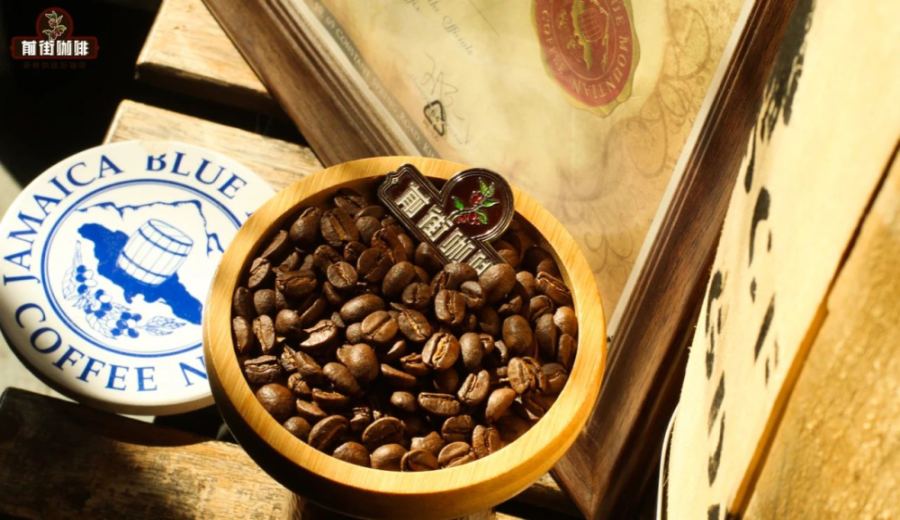
Introduction:Jamaican Blue Mountain coffee is renowned for its well-balanced acidity, sweetness, and bitterness, along with its rich and full-bodied flavor. However, due to its limited production, counterfeit products are commonly found on the market. This guide will teach you how to identify authentic Blue Mountain No. 1 coffee beans by examining key details such as wooden barrel packaging, certification documents, bean size, physical characteristics, and raw bean color. It also provides brewing recommendations and flavor profiles for both washed and natural processing methods, helping you make accurate purchasing and tasting decisions.
Jamaican Blue Mountain coffee is grown in the highlands of the Blue Mountains at elevations between 910 and 1700 meters, using the classic Typica variety. It is globally acclaimed for its perfect balance of acidity, sweetness, and bitterness, rich and full mouthfeel, long-lasting sweetness, and complete absence of burnt or bitter aftertastes. Due to the extremely limited production in the region—only a few hundred tons are exported annually—the price of 100 to 200 grams of Blue Mountain No. 1 coffee beans on the domestic market generally ranges from 150 to 400 yuan. However, many products on the market labeled as “Blue Mountain flavor” or “Blue Mountain blend” are actually unrelated to genuine Blue Mountain beans. Therefore, learning how to correctly authenticate Blue Mountain coffee is an essential skill for every coffee enthusiast.
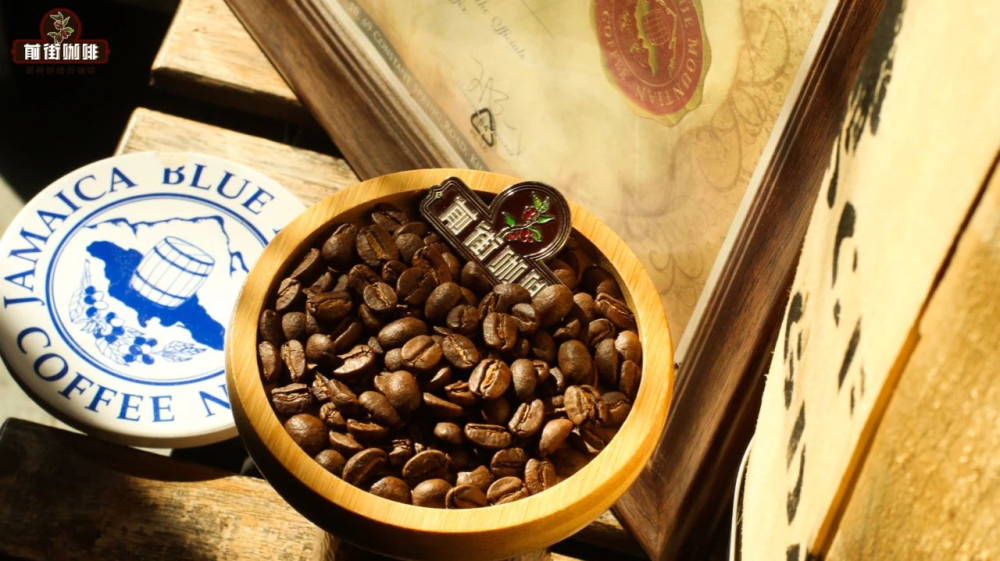
Authentic Blue Mountain coffee refers to Typica variety beans grown at elevations between 910 and 1700 meters in the Jamaican Blue Mountains, characterized by a balanced acidity, sweetness, and bitterness, a rich and full mouthfeel, a sweet aftertaste, and absolutely no burnt or bitter notes. Due to its limited annual production, Blue Mountain No. 1 coffee beans sold domestically typically cost between 150 and 400 yuan per 100 to 200 grams. It’s important to note that many products labeled as “Blue Mountain flavor” or “Blue Mountain blend” are not actually sourced from the Blue Mountains, so mastering identification techniques is crucial. Next, we’ll teach you how to distinguish genuine Blue Mountain No. 1 coffee beans from aspects such as wooden barrel packaging and certification, bean size and appearance uniformity, bean shape characteristics, and raw bean color. We’ll also cover brewing parameters and flavor differences for both washed and natural processing methods.
Identifying Authenticity from Wooden Barrel Packaging and Certification Documents
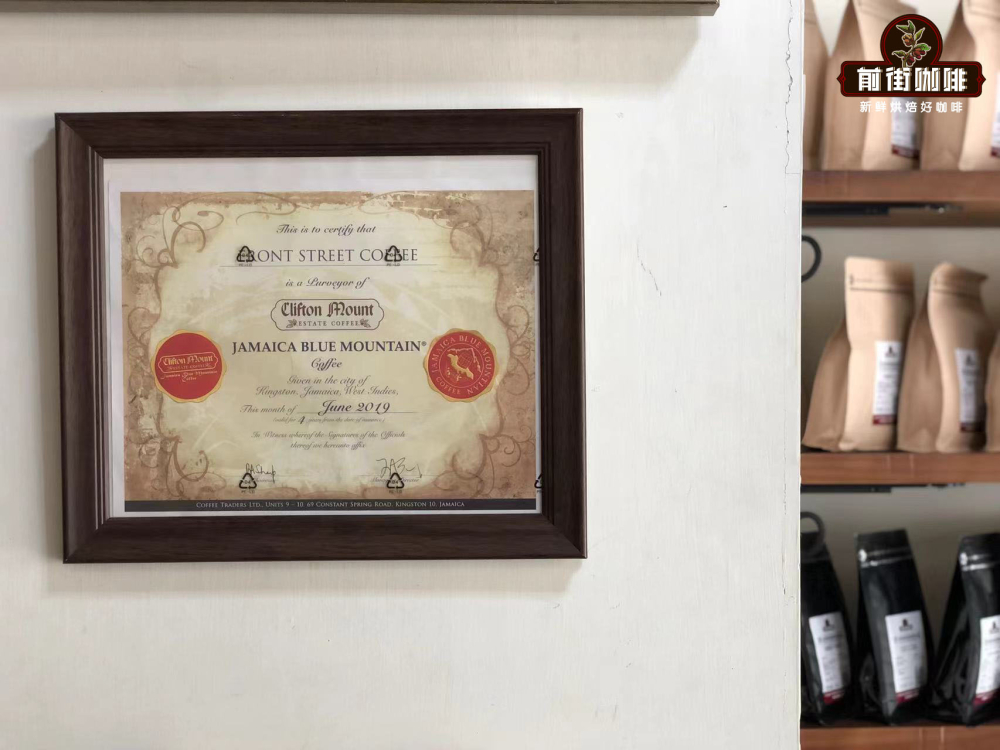
Authentic Blue Mountain coffee, when exported,is always packed in wooden barrels,and each batch is accompanied by a certification document issued by the Jamaican government or the official Blue Mountain coffee region authority, ensuring its origin and quality. For example, some well-known sources of Blue Mountain No. 1 coffee beans come from the historic Clifton Estate in the Blue Mountains, one of the first farms in the region to cultivate coffee. In physical stores, consumers can even directly see the wooden barrels containing the Blue Mountain coffee, as well as the official certification documents issued by Clifton Estate, serving as important proof of authenticity.
Judging from Bean Size and Quality Uniformity
Currently, the authentic Blue Mountain coffee circulating in the domestic market is mainly of the Blue Mountain No. 1 grade. To qualify for this grade, coffee beans must meet strict screening standards: at least96% of the coffee cherries must be size 17 or larger,and the post-processing defect rate must not exceed2%. Therefore, upon obtaining Blue Mountain No. 1 green beans, you can usually observe that the beans are overall plump, uniformly sized, with almost no noticeable defects, and require no additional manual sorting.
Identifying from Bean Shape Characteristics
Blue Mountain coffee belongs to the Typica variety, and its green bean characteristics includean oval shape, with slender, plump beans and slightly upturned ends.After roasting, Blue Mountain No. 1 coffee beans maintain a uniformly plump oval appearance, consistent in size with very few defects, which is also one of the key visual indicators for identification.
Distinguishing Processing Methods from Green Bean Color
Traditionally, Blue Mountain No. 1 coffee beans are mostly processed using the washed method, and their green beans appeargreen with grayish tones.However, since 2020, some Blue Mountain No. 1 beans have also begun to be processed using the natural method, and these green beans exhibita green with yellowish hue.Understanding this difference helps make a preliminary judgment of the processing method based on appearance, further predicting the flavor profile.
Flavors and Brewing Recommendations for Washed and Natural Blue Mountain
For brewing, it is recommended to use a Kono filter, with water temperature controlled at88°C, a brew ratio of1:15, using15 grams of coffee groundsas a base, with grind size set to pass through a standard 20-mesh sieve at70-75%. The specific pour over steps are as follows: First, pour 30 grams of water for a 30-second bloom, then pour 95 grams of water (totaling about 125 grams), completed within about 1 minute; when the water level drops to two-thirds of the coffee bed, pour the remaining 100 grams of water (totaling about 225 grams), completed within about 1 minute and 40 seconds to 1 minute and 45 seconds, and finally finish dripping between2 minutes and 5 seconds to 2 minutes and 15 secondsbefore removing the filter.
[Washed Blue Mountain]: The flavor profile is dominated bydark chocolate and nuts,with a clean and bright mouthfeel, moderate body, excellent balance of acidity, sweetness, and bitterness, and a refreshing aftertaste.
[Natural Blue Mountain]: It showcasesbrown sugar sweetness and berry acidity,with layers of nuts and cocoa emerging in the mid-to-late stages, a creamy mouthfeel like butter, and a faint walnut aroma in the aftertaste, delivering an overall rich and dynamic flavor.
The above content is compiled by CoffeeHunters, a coffee news website.


