







Introduction:Behind the making of an espresso lie multiple key variables — from dose, water temperature, pressure to extraction time — each stage can influence the final flavor profile. This article breaks down in simple terms the internationally recognized extraction standards and practical operational essentials, guiding you on how to assess whether the extraction is proper by observing flow rate, crema, and taste. It also recommends several popular espresso blends suitable for different scenarios, while reminding you of purchase and storage considerations, ensuring you’re well-equipped from bean selection to brewing.
Espresso may seem like it takes just a few seconds to make, but it’s actually the result of precise coordination among various parameters. From the amount of coffee grounds used, coffee-to-water ratio, extraction time, water flow rate, to machine pressure and water temperature control, every detail significantly affects the final flavor and mouthfeel. This article will systematically dissect these variables and explain how to determine if adjustments are needed based on flow rate and extraction results. It also introduces several highly-rated espresso blends and SOEs on the market to help you fully grasp the essence of espresso.
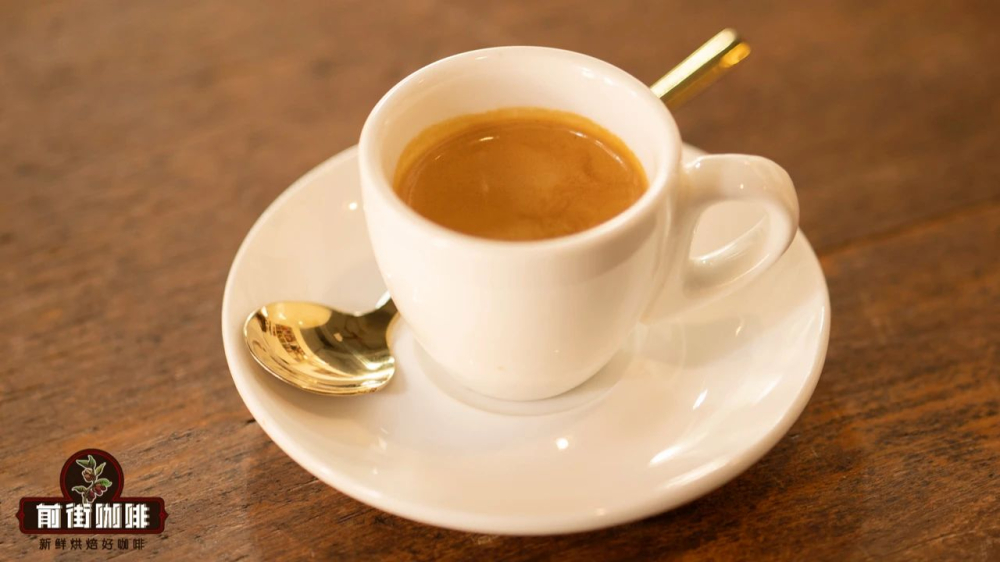 Many people, when first encountering espresso, often have questions like: What exactly is a double shot of Espresso? How many milliliters is a typical cup of espresso served at cafes? What is the traditional preparation process? How should one drink it to experience the fullest flavor? Additionally, for those wanting to use it at home or in a shop, where can one buy blends with stable quality? How are commercial blends usually supplied to cafes? Are there any brands that are suitable for both retail and wholesale?
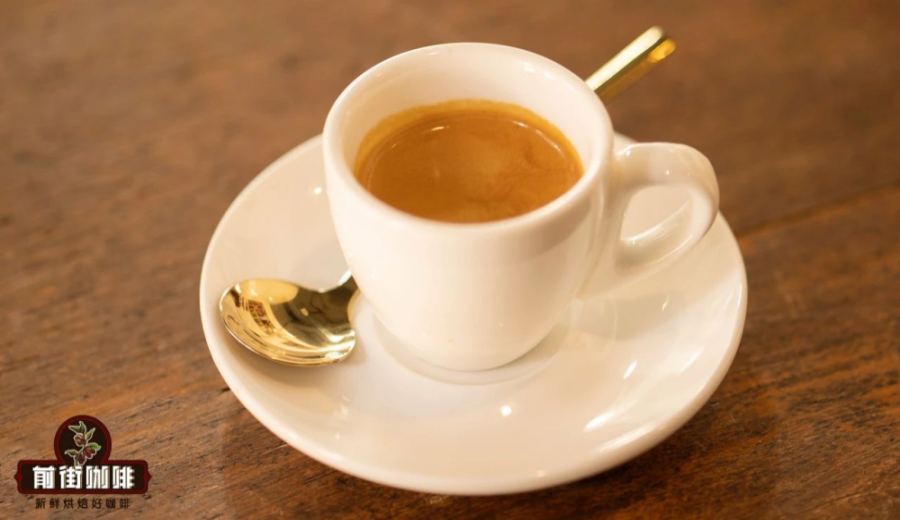
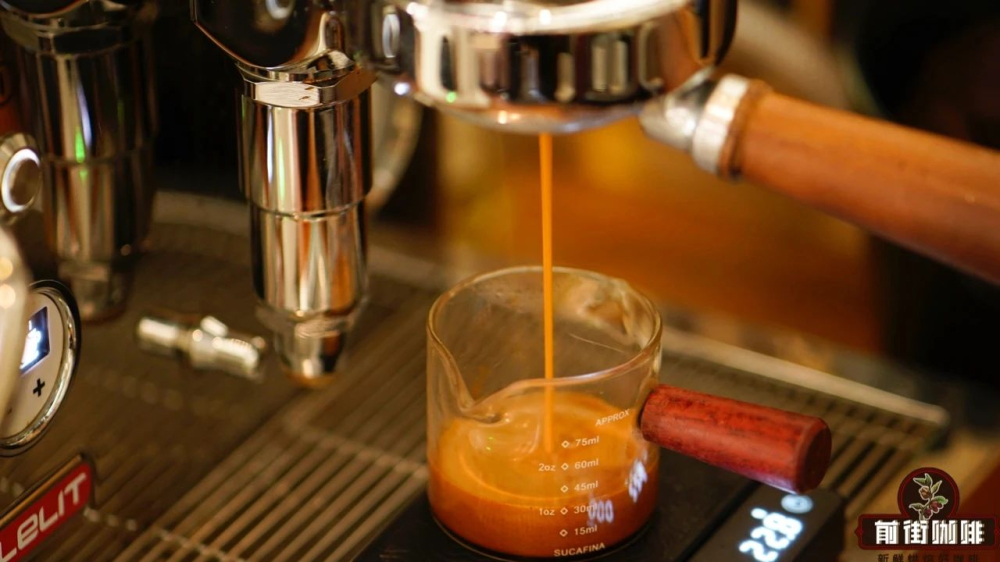
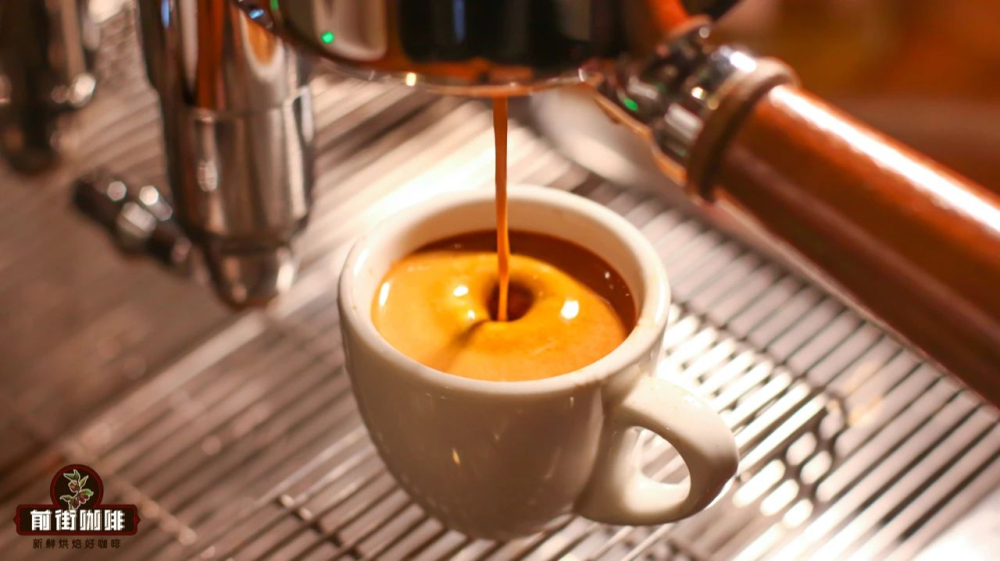
According to internationally recognized standards, a single shot of espresso typically uses about 7 grams of freshly ground coffee, extracted with near 92°C hot water under approximately 9 Bar of pressure for 20 to 30 seconds, yielding 20 to 30 milliliters of espresso liquid, topped with a rich layer of coffee crema.
 With the rise of specialty coffee trends, extraction theories continue to evolve, giving rise to various styles and methods. By the standards of some renowned coffee shops, a single shot of espresso is often based on a double (2 shots), using 19 grams of coffee, following a 1:2 coffee-to-water ratio, extracting about 38 grams of coffee liquid, with time controlled around 28 seconds. But these figures aren’t absolute — what matters is adjusting based on the actual coffee-to-water ratio used and the resulting flavor profile.
Next, we’ll explore several key parameters that affect espresso extraction, including dose, ratio, time, flow rate, pressure, and water temperature, to help you fundamentally understand how to pull an ideal shot of espresso.
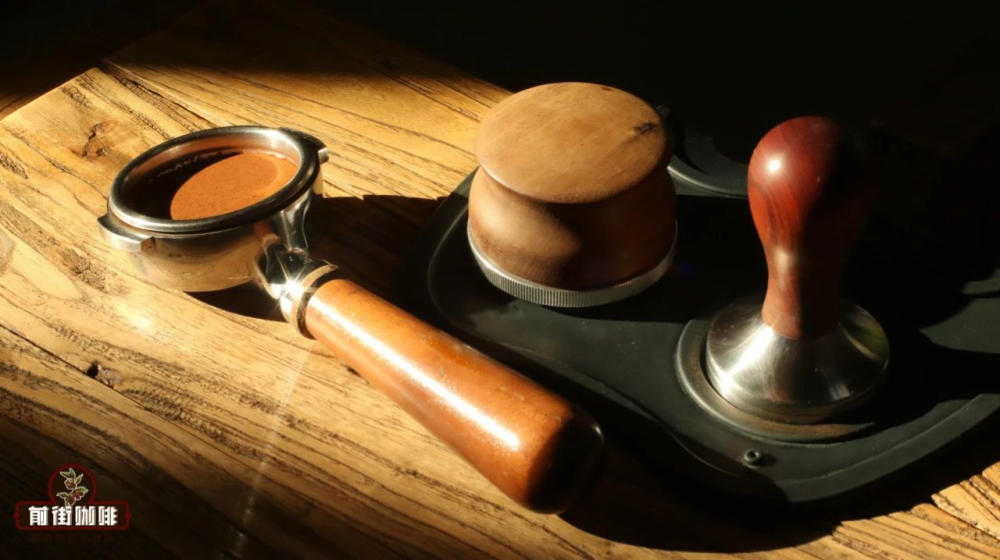
【Dose】Matching with the portafilter is crucial
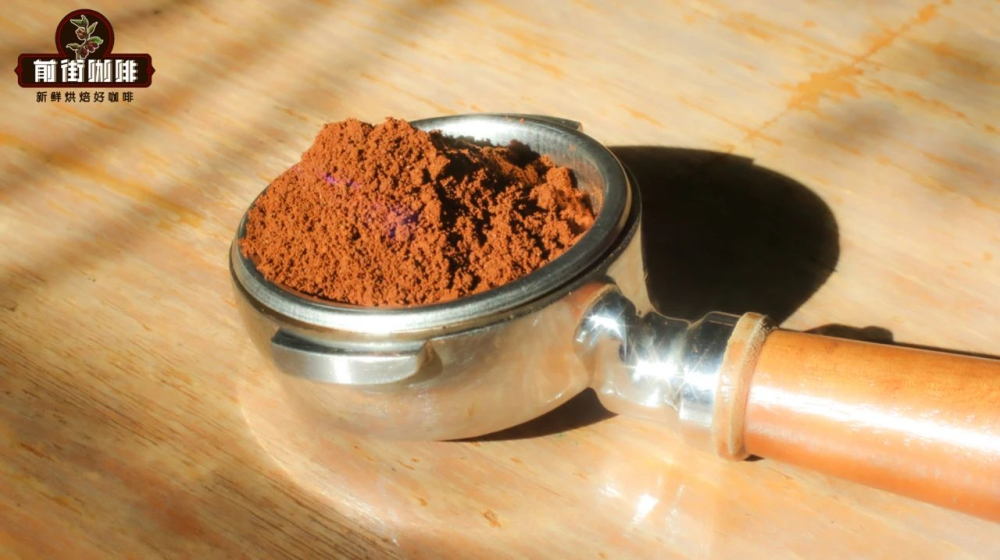
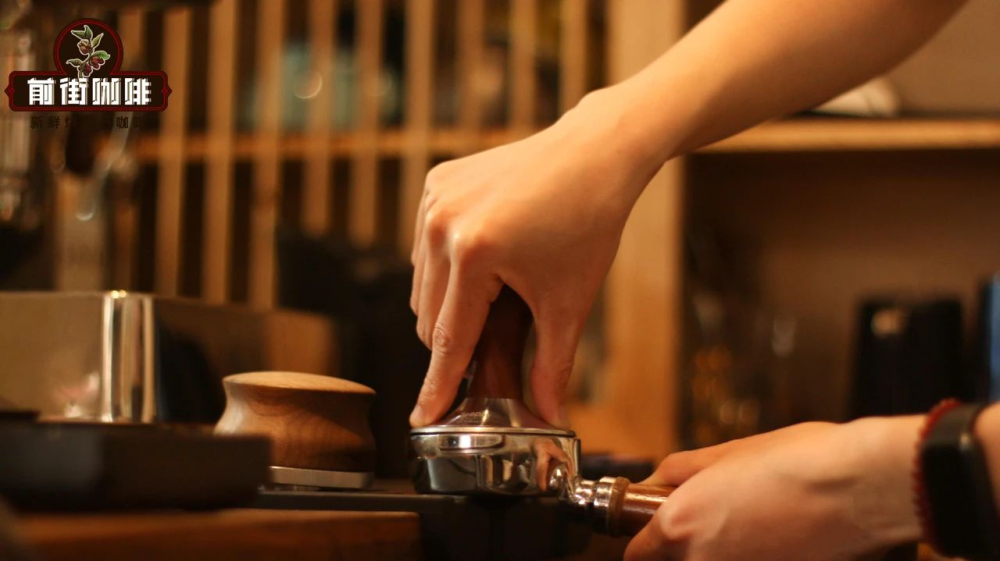
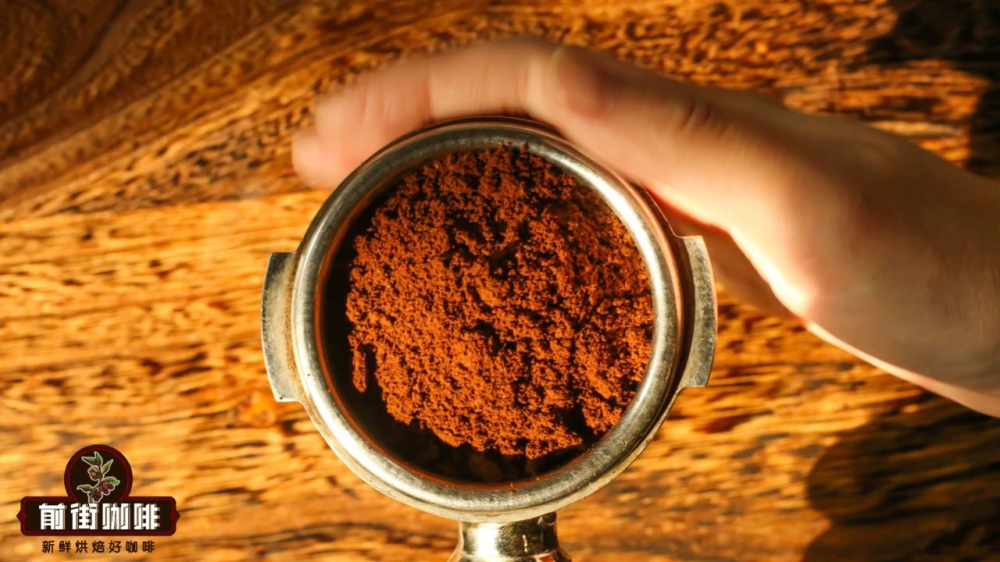
The choice of dose primarily depends on the capacity of the portafilter you are using. It’s recommended not to use a dose much lower than the portafilter’s capacity nor exceed its maximum limit. Too little coffee leads to a too-loose puck, causing excessively fast flow and under-extraction; conversely, too much coffee results in an overly compact puck, making it hard for water to pass through, leading to slow flow and extraction difficulties. The right dose ensures uniform puck density, achieving ideal extraction.
【Ratio】Determines the strength and balance of the espresso
The ratio refers to the proportion between the amount of coffee grounds and the final yield of extracted coffee liquid. Common ranges fall between 1:1.5 to 1:2.5, with 1:2 being the most widely chosen — for example, 17 grams of coffee yielding 34 grams of liquid. A ratio that’s too low (such as below 1:1.5) can make the coffee taste overly intense and noticeably bitter, usually a sign of over-extraction; a ratio that’s too high (such as above 1:2.5) can result in a weak and bland cup, often accompanied by pronounced sourness, indicating under-extraction.
【Time】Affects the overall extraction rhythm
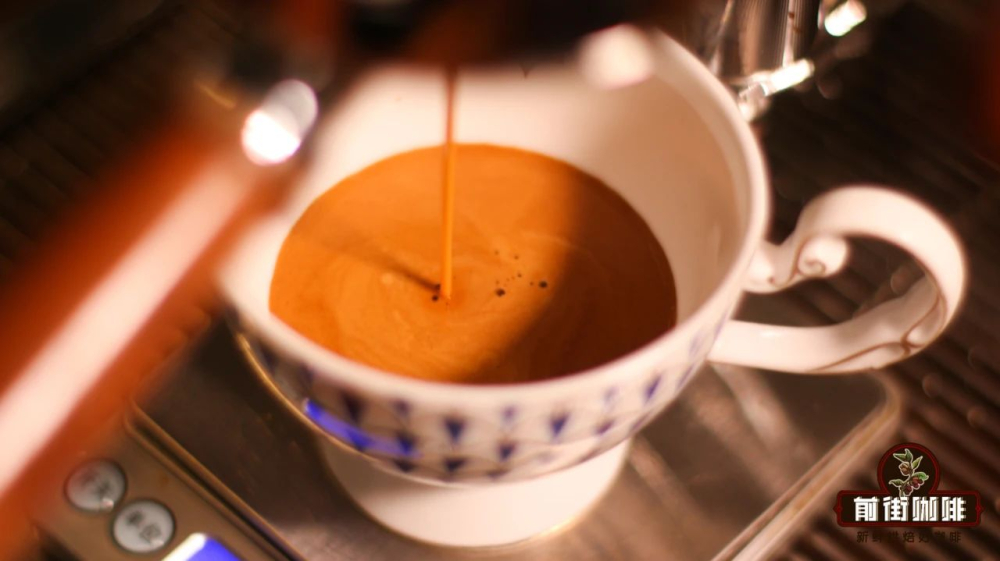
Extraction time refers to the total duration from when you press the extraction button to when the shot finishes. The length of this period is mainly influenced by two factors: grind size and the set coffee-to-water ratio. Generally, the higher the ratio, the more water is needed, naturally extending the time; the finer the grind, the denser the puck, increasing water resistance and thus the time. If the time is too short, it often leads to under-extraction; too long may cause over-extraction, affecting taste.
【Flow Rate】An intuitive indicator of proper extraction
Flow rate is one of the key metrics for judging extraction success. Ideally, the first drop of coffee should begin falling between the 5th and 6th second after pressing the button. For example, with 20 grams of coffee yielding 40 milliliters of liquid, if the total time falls between 25 to 30 seconds, the flow rate is usually within a reasonable range. If extraction takes less than 25 seconds, the flow is too fast, possibly resulting in prominent acidity and lack of aroma due to under-extraction; if it exceeds 35 seconds, the flow is too slow, likely leading to over-extraction, producing bitterness and off-flavors. In such cases, consider adjusting the dose or grinding coarser.
【Pressure】Key to stable output
Under normal circumstances, the extraction pressure of an espresso machine is maintained at around 9 Bar. This is determined by the machine's performance. If pressure is too low, extraction may be incomplete; too high and it can lead to over-extraction, resulting in unnecessarily intense flavors and impurities.
【Water Temperature】An important factor influencing flavor release
Water temperature is generally controlled between 90 to 94°C. Too high a temperature accelerates the release of flavor compounds, often leading to bitterness and over-extraction; too low a temperature inhibits extraction, making the coffee taste thin and overly sour.
Introduction to Several Popular Espresso Blends
Espresso blends are typically composed of beans from different regions, aiming to balance flavors, ensure consistency, and meet the needs of various beverage pairings. Below are several blends with excellent market feedback, suitable for different scenarios and customer preferences.
【Dark Cocoa Blend】— An entry-level choice perfect for beginners and cafes
This blend uses Brazilian beans as the base, complemented by Yunnan small beans, roasted to a medium-dark level. Its flavor is well-balanced, featuring notes of cream, nuts, and chocolate, with soft acidity and notable sweetness. It’s suitable for making milk-based drinks like lattes and also appeals to consumers with a broader acceptance of coffee flavors. The crema performance is above average, offering great value and is highly suitable for daily commercial use.
【Premium Blend】— Classic American flavor, great with milk
Featuring Brazil as the main component paired with Colombian beans, it offers natural fruit acidity and nutty aromas, also roasted to a medium-dark level. This blend is a long-time stable choice for many cafes, suitable for customers who don’t prefer overly intense flavors but still seek certain quality. When paired with milk, it delivers outstanding sweetness.
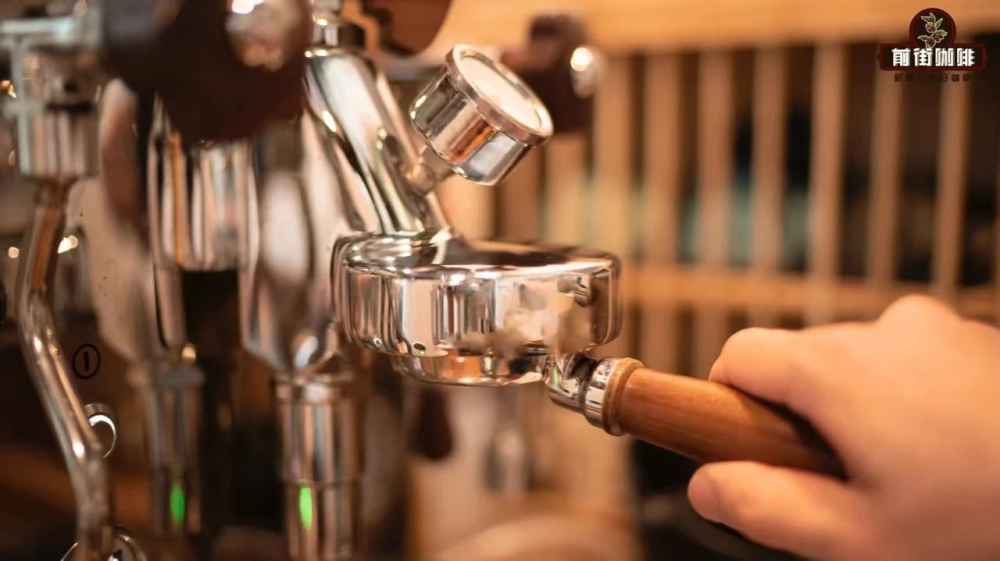
【Commercial Blend】— Rich crema, suitable for multiple applications
This blend stands out with its exceptional crema and rich mouthfeel, making it suitable for espresso, americano, or various milk-based drinks. A small amount of Robusta is added to enhance crema without compromising overall flavor balance. It has moderate acidity and sweetness with slight bitterness, and a long-lasting aftertaste, making it a practical choice for commercial cafes.
【Strawberry Candy Blend】— Fruity profile, ideal for those who enjoy sweet and sour flavors
Primarily medium-light roasted, combining Costa Rica Tarrazu, Ethiopian, and Colombian beans, it showcases flavors reminiscent of strawberry, grape, dried fruit, and soft candy, with a balanced sweet-sour profile and hints of fermented wine aroma. Suitable for consumers who enjoy fruity profiles, it performs exceptionally well in lattes.
Purchasing and Storing Coffee Beans: Key Considerations
When buying coffee beans, be sure to pay attention to the roast date on the packaging, not the expiration date. It’s generally recommended to consume the beans within 4 to 30 days after roasting — this period is known as the flavor window, when the coffee’s flavors are at their richest. Especially volatile compounds like floral and fruity notes dissipate quickly over time, while sweetness and body tend to last longer. Also, avoid drinking the beans too early or too late to fully experience each bean’s unique character.
The above content is compiled by CoffeeHunters, a coffee news website.


