







Introduction:Want your moka pot coffee to stay rich and aromatic? Proper cleaning and maintenance are key. Many users overlook cleaning the gasket and filter, or mistakenly use cleaning agents that cause the pot to oxidize and turn black. This article details the daily cleaning steps for a moka pot, how to handle aluminum and stainless steel materials differently, easy-to-miss techniques for removing and reinstalling the gasket and filter, and how to use natural ingredients to fix oxidation and blackening—helping you extend the life of your moka pot and maintain coffee flavor.
Although using a moka pot is simple, cleaning and maintaining it actually involves quite a bit of know-how. Especially with aluminum pots, contact with strong alkaline or chlorine-containing cleaners can easily trigger chemical reactions leading to oxidation and blackening. Additionally, if the filter and gasket are not removed and cleaned regularly, coffee grounds and residue can accumulate, not only affecting the pot’s seal but also potentially altering the extraction flavor of the coffee. This article will explain in depth the correct cleaning process for a moka pot, differences in cleaning methods for different materials (aluminum vs. stainless steel), precautions for removing and reinstalling the gasket and filter, and how to repair oxidation and blackening issues with white vinegar or lemon juice—to help you fully master moka pot care tips.
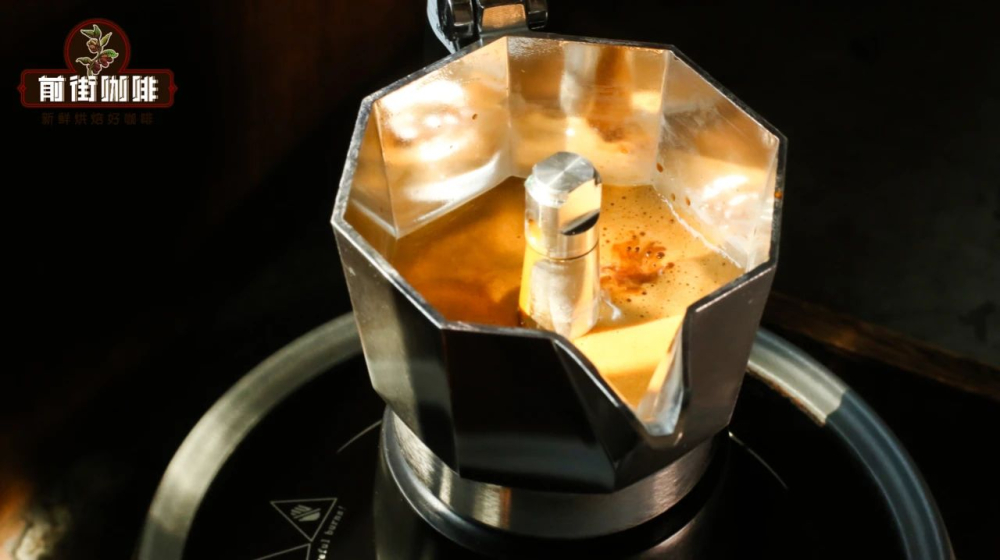
After each use of the moka pot, it is recommended to let it cool down completely before gently unscrewing the upper and lower chambers, discarding the coffee grounds, and rinsing the inside of the pot with water—paying special attention to removing tiny coffee particles stuck to the walls. Many people think a quick scrub with dish soap is enough, but this method often misses key details and may lead to pot oxidation or affect extraction performance over time.
Currently, moka pots on the market are mainly divided into aluminum and stainless steel types, which have significant differences in material properties, so cleaning methods should also be adjusted accordingly. Aluminum is more reactive and can easily react with alkaline components or chlorine in cleaners, leading to corrosion and oxidation blackening. Moreover, aluminum has strong adsorption properties, and cleaner residues may affect the flavor of subsequent brews. Therefore, when cleaning an aluminum moka pot, it is best to avoid using any detergent and focus on rinsing with water. Stainless steel, on the other hand, has good corrosion resistance and can be cleaned with mild dish soap, but care should be taken to avoid direct contact with the gasket to prevent the soap from accelerating gasket aging and reducing the pot’s sealing performance.
Regardless of the material, avoid using abrasive cleaning tools such as steel wool, which can scratch the surface of the pot—not only affecting its appearance but also accelerating oxidation. Additionally, do not reassemble the pot immediately after cleaning. Make sure the interior is completely dry before putting it back together; otherwise, residual moisture can also cause oxidation or blackening.
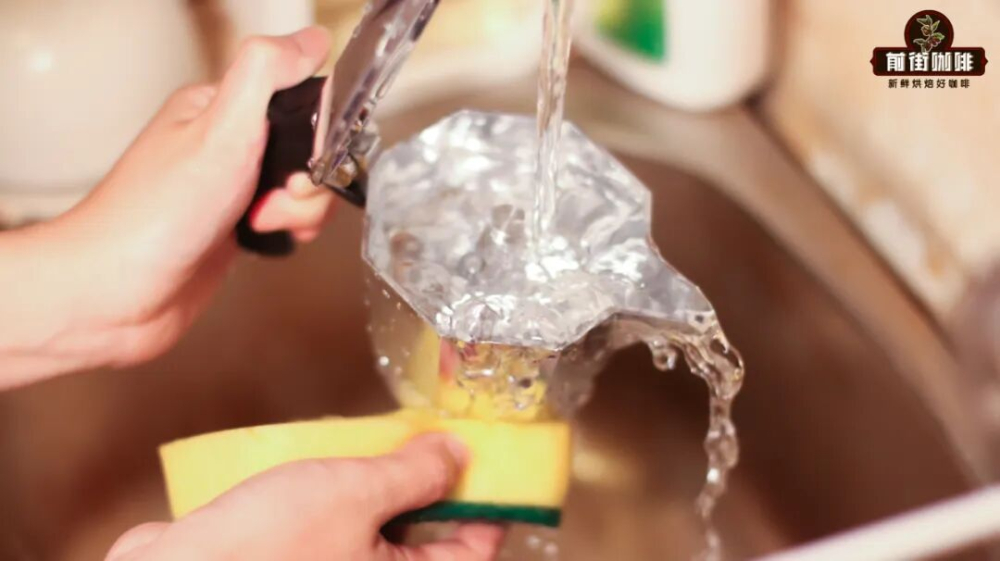
In addition to the pot body itself, the gasket and filter of the moka pot are also important parts that are often overlooked during cleaning. Many people only clean the upper chamber, coffee chamber, and water tank, but fail to notice that the gaps around the filter and gasket can accumulate a lot of coffee residue and liquid, which is hard to clean thoroughly just by rinsing. The correct approach is to use common tools (never sharp objects) to gently pry up the inner ring of the gasket, then carefully remove it by hand. Once the gasket is removed, the filter will also become loose, allowing these parts to be thoroughly rinsed and cleaned.
When reinstalling, pay special attention to the direction of the filter—ensure the concave side faces inward and the convex side faces outward; otherwise, it may cause leaking during use. Also, the gasket is a consumable part and will gradually wear out over time. Once you notice a decline in sealing performance or leaking, it is recommended to replace it promptly. Generally, a gasket lasts about a year, though actual usage may vary depending on frequency, so it’s a good idea to check its condition regularly.
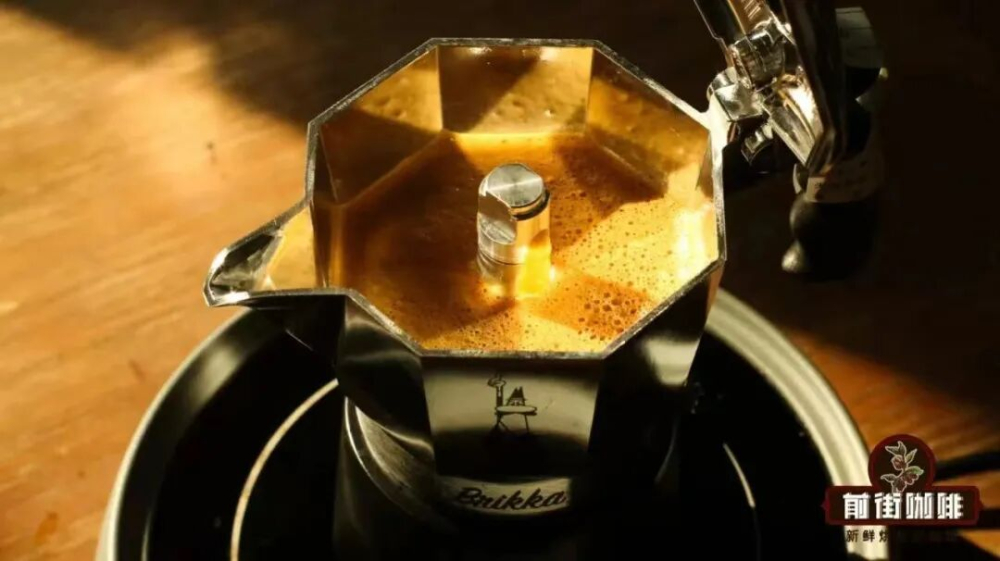
If your moka pot has turned black due to improper cleaning, there’s no need to discard it right away. Even if obvious black spots appear, as long as the material is food-grade aluminum alloy, it usually won’t pose a health risk. If you wish to improve the appearance, you can try soaking the oxidized areas in a mixture of white vinegar or lemon juice and water for about an hour, then rinse with water and dry thoroughly. This helps reduce residual oxides and restores the pot to a cleaner state. Developing the habit of cleaning thoroughly after each use and ensuring it is completely dry is key to extending the moka pot’s lifespan and maintaining coffee flavor.
The above content is compiled by CoffeeHunters, a coffee news website.


