







Introduction:Jamaica Blue Mountain coffee has long been hailed as one of the finest coffees in the world. With its rich, balanced flavor and rare growing conditions, it is the dream choice for many coffee enthusiasts. However, the market is flooded with products bearing the “Blue Mountain” label, yet only a very small number truly meet official standards. This article delves into the terroir, grading system, varietal characteristics, and processing methods of Blue Mountain coffee, and provides practical pour-over parameters and flavor descriptions to help you identify the value and allure of genuine Blue Mountain No. 1.
Blue Mountain coffee holds an unshakable position in the specialty coffee world. Even with the recent rise of the Geisha trend, its classic, richly aromatic flavors remain unforgettable. However, the market is filled with various coffees labeled “Blue Mountain,” while those officially certified by Jamaica are extremely rare. What exactly is the grade of Blue Mountain coffee? Why is Blue Mountain No. 1 so expensive yet exceptional in quality? This article will comprehensively analyze from aspects such as terroir, grading criteria, varietal traits to processing methods, and includes professional pour-over recommendations to give you an in-depth understanding of this finest of the fine.
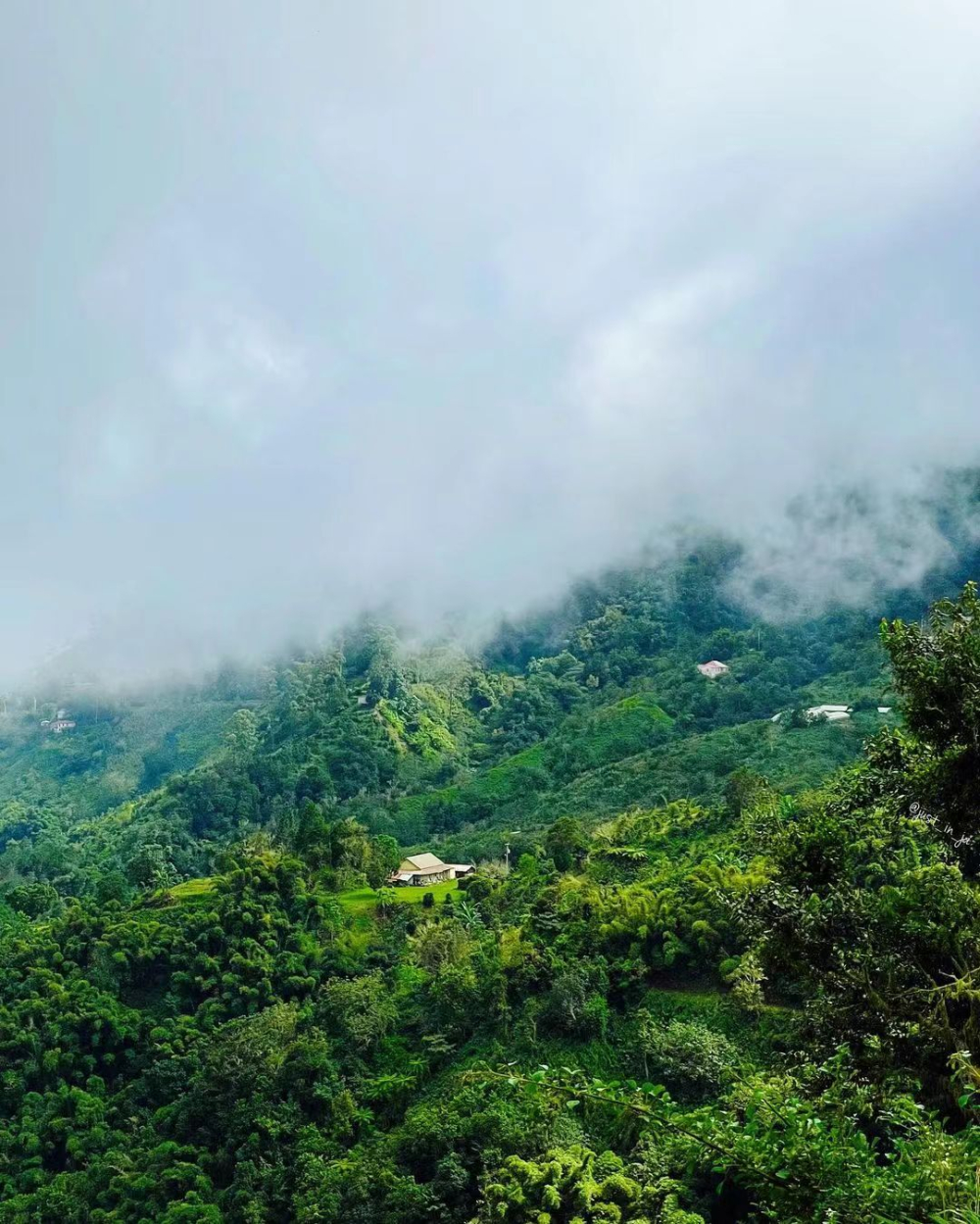
Regarded as one of the most expensive and uniquely flavored coffees in the world, Blue Mountain coffee gets its name from the majestic Blue Mountains in eastern Jamaica. On clear days, sunlight reflecting off the sea and refracting on the mountaintops creates a captivating blue halo, hence the name “Blue Mountain.” The main peak of this region reaches an altitude of 2,256 meters, not only the highest point in the Caribbean but also boasting fertile volcanic soil, fresh air, and a stable, humid climate with an annual rainfall of about 1,980 mm and an average temperature around 27°C. These exceptional natural conditions together create the irreplaceable flavor profile and high economic value of Blue Mountain coffee.
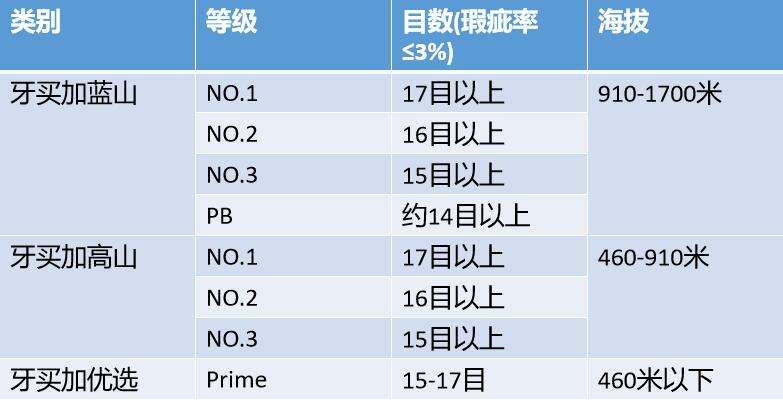
Blue Mountain coffee is classified into multiple grades under a strict grading system, with No. 1 being the highest quality. The overall grading from highest to lowest is: No. 1, No. 2, No. 3, and PB (peaberry). According to the regulations of the Jamaica Coffee Industry Board (CIB), only coffee beans grown at altitudes above 666 meters qualify to be called “Jamaica Blue Mountain coffee.” In contrast, coffee produced below 666 meters is categorized as “Jamaica High Mountain Supreme Coffee Bean,” which, although slightly inferior to Blue Mountain, is still of superior quality. As for Jamaica Prime Coffee Beans, they refer to coffee produced outside the Blue Mountain mountain range and have no relation to authentic Blue Mountain. It’s worth mentioning that in the past, many believed only coffee grown above 1,800 meters could be called Blue Mountain. In fact, the area above 1,800 meters on the Blue Mountain range consists mostly of only one estate—the 30-hectare Amber Estate operated by Chinese descendants—whose production is extremely limited. Genuine Blue Mountain coffee is mainly grown in five mountainous regions: John Crow, St. John’s Peak, Mossman’s Peak, High Peak, and Blue Mountain Peak.
The reason Blue Mountain coffee is so precious lies not only in its superior geographical environment but also in the arduous harvesting process. Due to the rugged terrain, harvesting is almost entirely carried out by skilled women who must carefully select perfectly ripe coffee cherries on steep slopes. Any overripe or underripe beans can affect the final flavor. Among the many Blue Mountain coffee beans, No. 1 peaberry (commonly known as “pearl beans”) is considered a top-tier delicacy. These beans account for only a very small proportion and usually appear in excellent microclimates around 2,100 meters altitude. Therefore, Blue Mountain No. 1 is not only the cream of the crop among Blue Mountain coffees but also a highly sought-after collectible for coffee lovers worldwide.
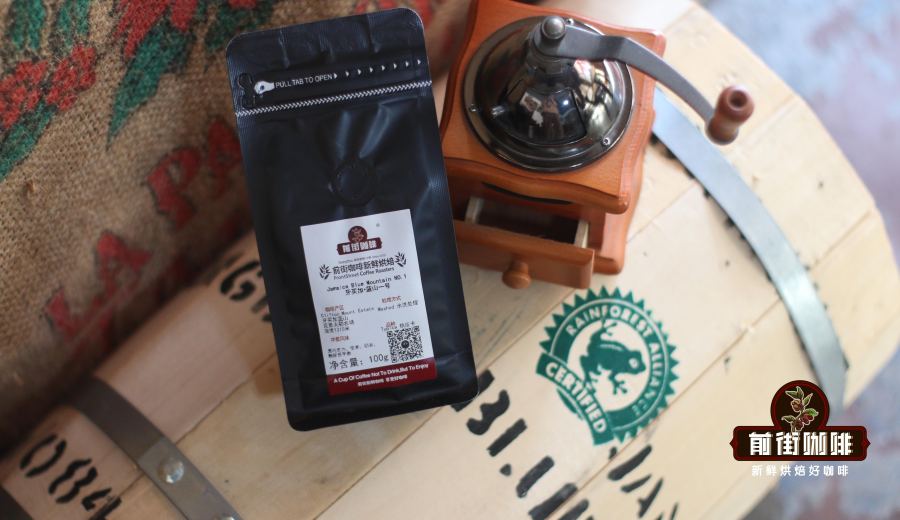
The varietal of Blue Mountain coffee belongs to the ancient Typica, which possesses noble and elegant flavor characteristics but is relatively delicate, with poor disease resistance and low per-plant yield, leading to a gradual global decline. However, the unique island microclimate of Blue Mountain has allowed the local Typica variety to develop stronger disease resistance, especially against coffee berry disease, significantly better than ordinary Typica. Currently, the well-known Blue Mountain No. 1 sold by reputable shops comes from the historic Clifton Estate, which traditionally exports green beans in wooden barrels—the only region in Jamaica to use this method. Each batch of coffee beans comes with a government-issued certification. Additionally, the green frog logo on its packaging indicates Rainforest Alliance sustainable agriculture certification, ensuring that cultivation and production meet high standards of environmental protection and fair trade.
In terms of processing, Blue Mountain coffee was traditionally primarily washed, a method that better preserves the original flavor characteristics of the coffee and is also one of the main processing methods recommended by many shops. However, in 2019, Clifton Estate first introduced an experimental natural (sun-dried) batch, bringing a new flavor dimension to Blue Mountain coffee. The traditional washed process includes: manually sorting unripe or overripe coffee cherries, removing the pulp followed by 12 to 18 hours of fermentation, washing with clean water to remove the mucilage layer, and then drying the semi-dry green beans in the shade until the moisture content reaches 12–14%. Finally, through strict sorting and proper storage, each step affects the final coffee quality. The washed process includes an extra step of removing defective beans, making the flavor of Blue Mountain coffee clearer and brighter, with a well-balanced and layered acidity and sweetness.
If you want to fully experience the unique flavor of Blue Mountain coffee at home, it is recommended to use a medium-dark roast to highlight its nutty and cocoa aroma characteristics. For pour over, it is recommended to use a KONO filter, with a water temperature of 88°C, a 1:15 coffee-to-water ratio (15 grams of coffee to 225 ml of water), and a grind size adjusted to that of fine sugar (approximately 75% passing rate through a Chinese standard No. 20 sieve). The specific steps are as follows: wet the filter with hot water to adhere to the filter paper, add 15 grams of coffee grounds, then pour 30 grams of water for a 30-second bloom; subsequently, slowly pour water in a circular motion from the center until reaching 125 grams for the first pour. When the coffee bed drops to the middle of the filter, pour again until reaching 225 grams. After the dripping finishes, remove the filter. The total extraction time is approximately 2 minutes. Finally, gently swirl the coffee liquid before pouring into the cup to enjoy a more even layering of flavors.
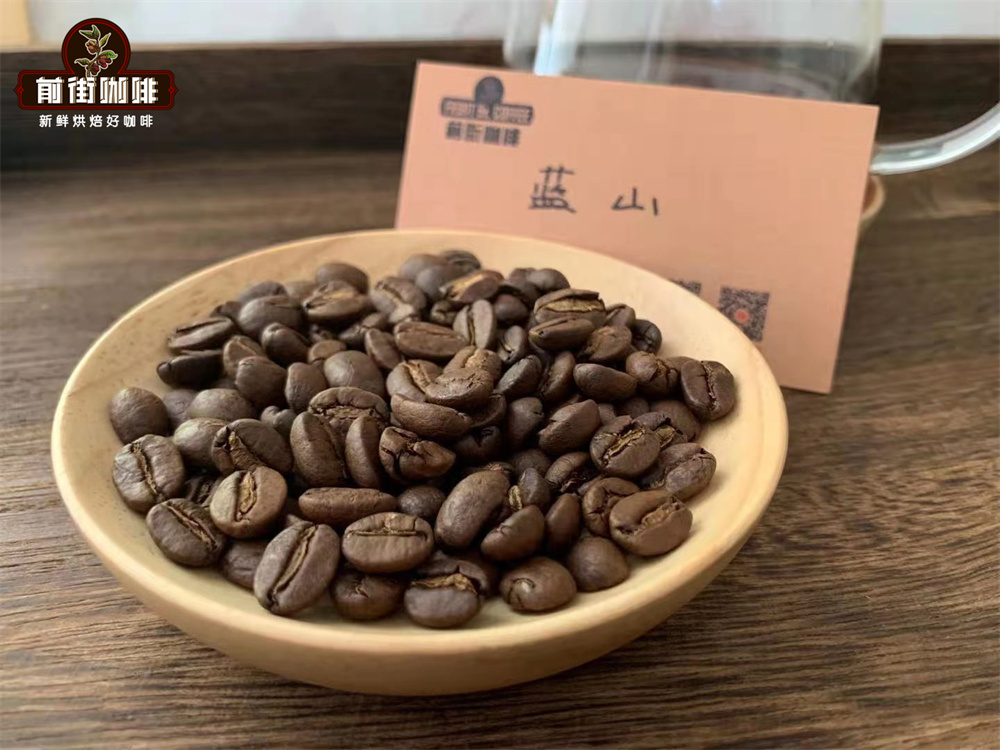
According to actual brewing experiences, washed Blue Mountain coffee exhibits intense dark chocolate and nutty notes, with a silky smooth mouthfeel like cream and an excellent balance of acidity, sweetness, and bitterness. The natural (sun-dried) version carries slight berry acidity, reminiscent of flavors like black plum and mulberry, along with aromas of dark chocolate and nuts, accompanied by complex layers of mild fermentation, maintaining outstanding overall balance. Whichever processing method you choose, you can deeply appreciate the extraordinary charm of Blue Mountain coffee as the “King of Coffee.”
Although Blue Mountain coffee was once regarded as a rare and unattainable top-tier delicacy, now through legitimate channels, you can also enjoy authentic Jamaica Blue Mountain coffee at reasonable prices. Remember, choosing Blue Mountain No. 1 from officially certified regions and strictly adhering to the grading system is the only way to truly experience its unparalleled flavor and value. With the correct brewing method, you will be able to savor the exquisite essence of this classic coffee.
The above content is compiled by CoffeeHunters, a coffee news website.


